


20% Off Full-Price Items
Shop now
Black Friday Sale: Up To 60% Off
Shop Now
Mountain Equipment Climb
17 results

Mountain Equipment
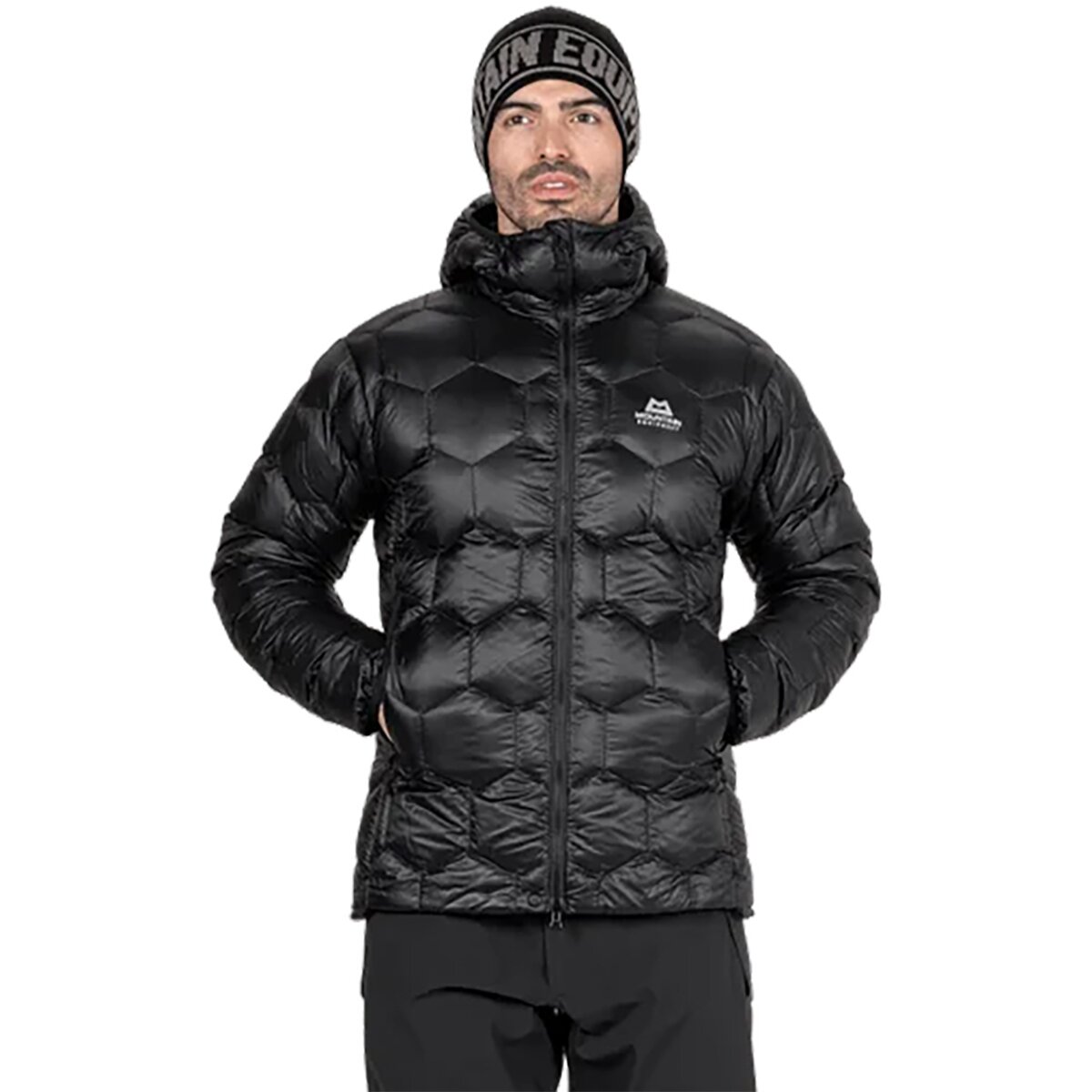
Kryos Jacket - Men's
2 colors
Discount Applies In Cart
(1)

Mountain Equipment
Oreus Hooded Jacket - Men's
2 colors
Discount Applies In Cart
(2)

Mountain Equipment
Baltoro Jacket - Men's
3 colors
Discount Applies In Cart

Mountain Equipment
Switch Base Zip T - Men's
2 colors
Discount Applies In Cart

Mountain Equipment
Lumiko Hooded Jacket - Men's
3 colors
Discount Applies In Cart

Mountain Equipment
Xenith Hooded Jacket - Men's
2 colors
Discount Applies In Cart


Mountain Equipment
Makalu Jacket - Men's
3 colors
Discount Applies In Cart

Mountain Equipment
Cerrig Long-Sleeve Zip Top - Men's
2 colors
Discount Applies In Cart

Mountain Equipment
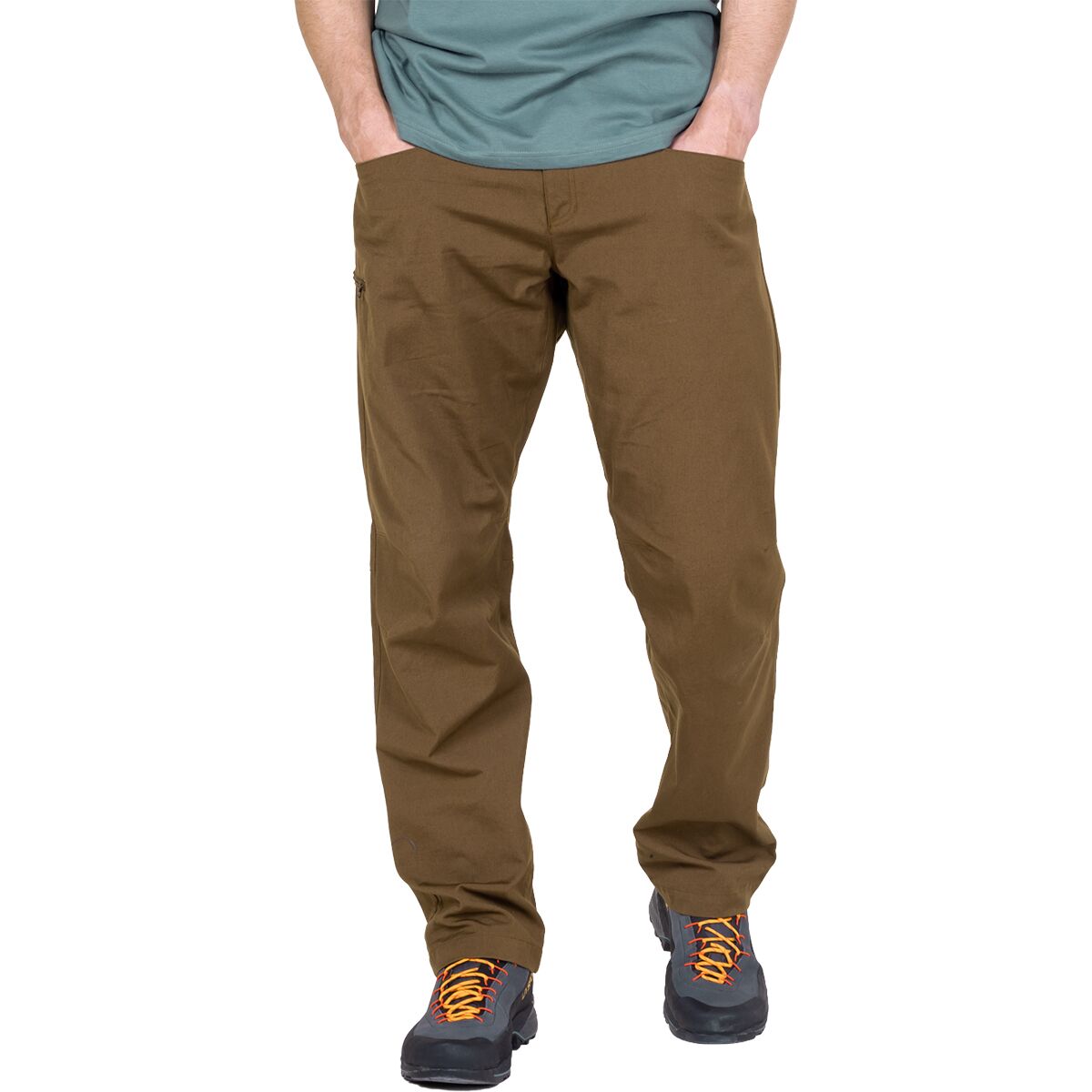
Switch Pant - Men's
1 color
Discount Applies In Cart

Mountain Equipment
Spyre Jacket - Men's
2 colors
Discount Applies In Cart

Mountain Equipment
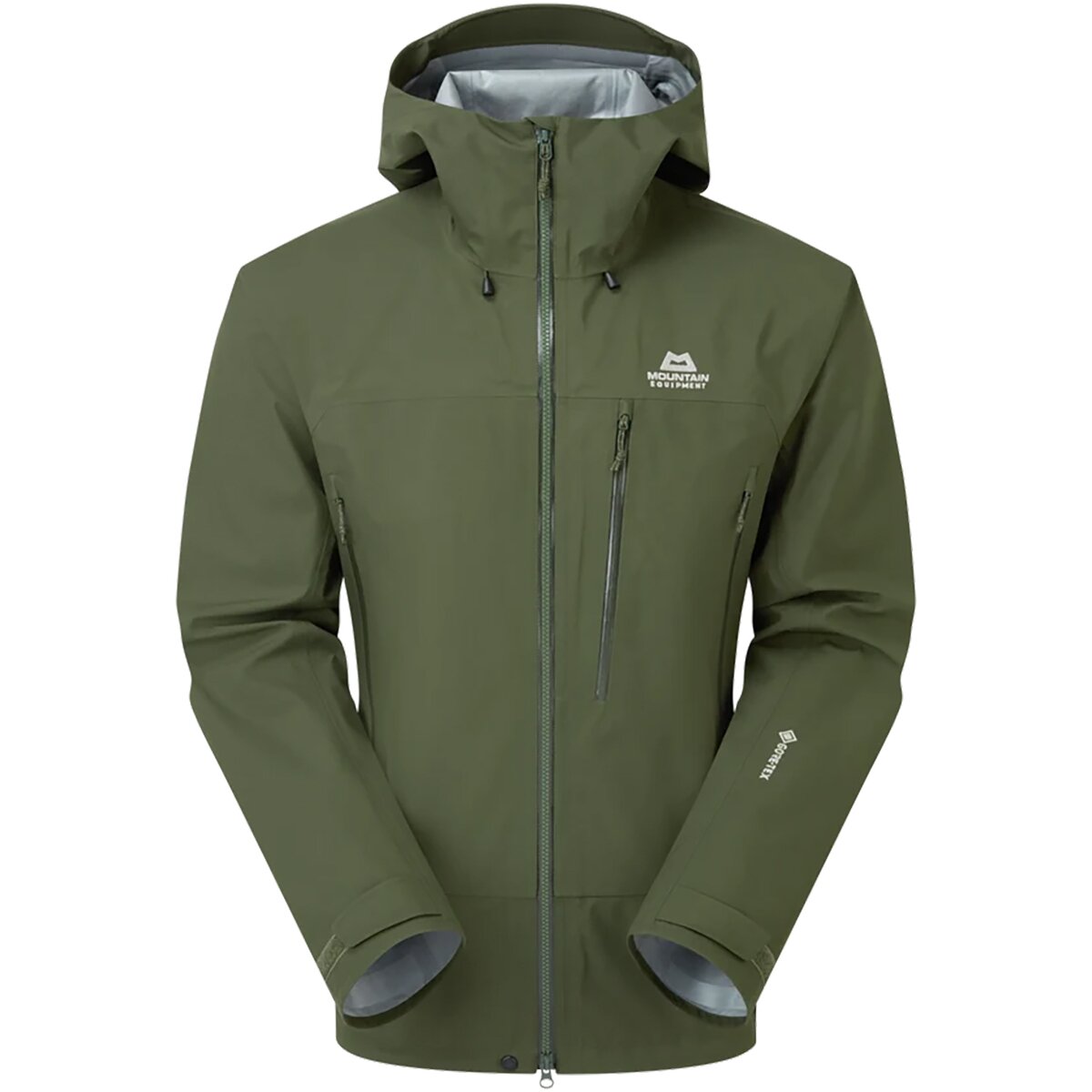
Raintower Jacket - Men's
2 colors
Discount Applies In Cart

Mountain Equipment
Flowstone Pant - Men's
1 color
Discount Applies In Cart

Mountain Equipment
Aerotherm Jacket - Men's
2 colors
Discount Applies In Cart

Mountain Equipment
G2 Mountain Pant - Men's
1 color
Discount Applies In Cart

Mountain Equipment
Approach Pant - Men's
1 color
Discount Applies In Cart

Mountain Equipment
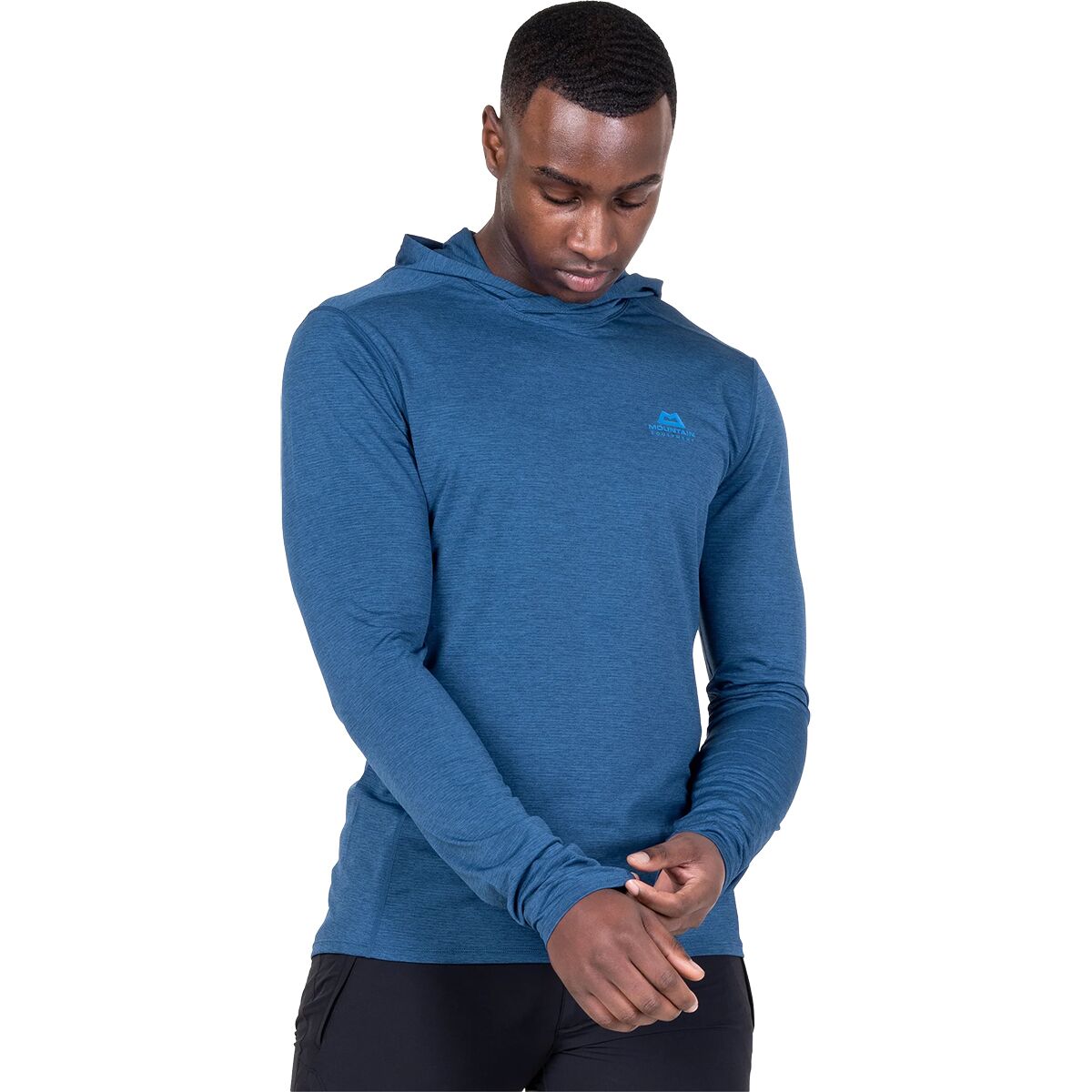
Glace Hoodie - Men's
2 colors
Discount Applies In Cart
(2)

Mountain Equipment
Eclipse Hooded Fleece Jacket - Men's
1 color
Black Friday Sale | Limited Time Only
(1)
Related Categories
Frequently Asked Questions
What are the key fit and construction differences between Mountain Equipment mountaineering boots and regular backpacking boots?
Mountain Equipment mountaineering boots use much stiffer midsoles and a more supportive cuff to stabilize front-pointing and technical terrain, while backpacking boots prioritize flex and comfort for long approaches. They usually include heel/toe welts or reinforced randing for step-in crampons, more abrasion-resistant uppers, and a snug fit you should try with the thick socks you’ll climb in.How do steel crampons compare to aluminum crampons for alpine routes and mixed climbing?
Steel crampons are more abrasion-resistant and better suited to mixed rock-and-ice climbing where you’ll frequently contact rock, while aluminum models save significant weight for snow-only or less technical alpine ridges. Also choose attachment style based on your boots: automatic (toe+heel clips) for dedicated mountaineering boots, semi-automatic for boots with a heel welt, and strap-on for maximum boot compatibility.How should I size and adjust a Mountain Equipment alpine harness for glacier travel and rescue scenarios?
Size the waist belt to sit above your hip bones so the harness won’t shift under load, and confirm leg loops are adjustable enough to fit over insulated pants but can be tightened for climbing; test movement and comfort while wearing a pack. Prefer low-profile, flat webbing designs that pack easily and look for quick-don leg loops if you need to put the harness on with crampons.When is a Tupilak-style technical alpine pack the right choice versus a larger expedition pack?
Choose a Tupilak-style technical alpine pack (typically 30–50L) when you need a low-profile, stripped-down carry that allows rope management, quick access to tools, and minimal snagging on steep terrain. Opt for a larger expedition pack when you require more internal volume for extended trips, big sleeping systems, or heavier basecamp loads.How should I pair Mountain Equipment boots, crampons, and ice tools for steep mixed ice and rock pitches?
Start with a stiff, crampon-compatible boot that has clear heel and/or toe welts for secure automatic/semi-automatic crampon attachment, then select steel crampons with a front-point configuration for steep ice and mixed sections. Match pick and shaft geometry on your ice tools to the steepness and rock contact expected, and always test the complete setup (boots + crampons + leash) on moderate terrain before committing to technical moves.