


Up To 20% Off Full-Price Items
Shop now
EXTRA 20% Off Clearance
Shop now | Ends 11/9
Get An EXTRA $50 Cash Back*
Summit+ exclusive
MET Bike
10 results


+2
MET
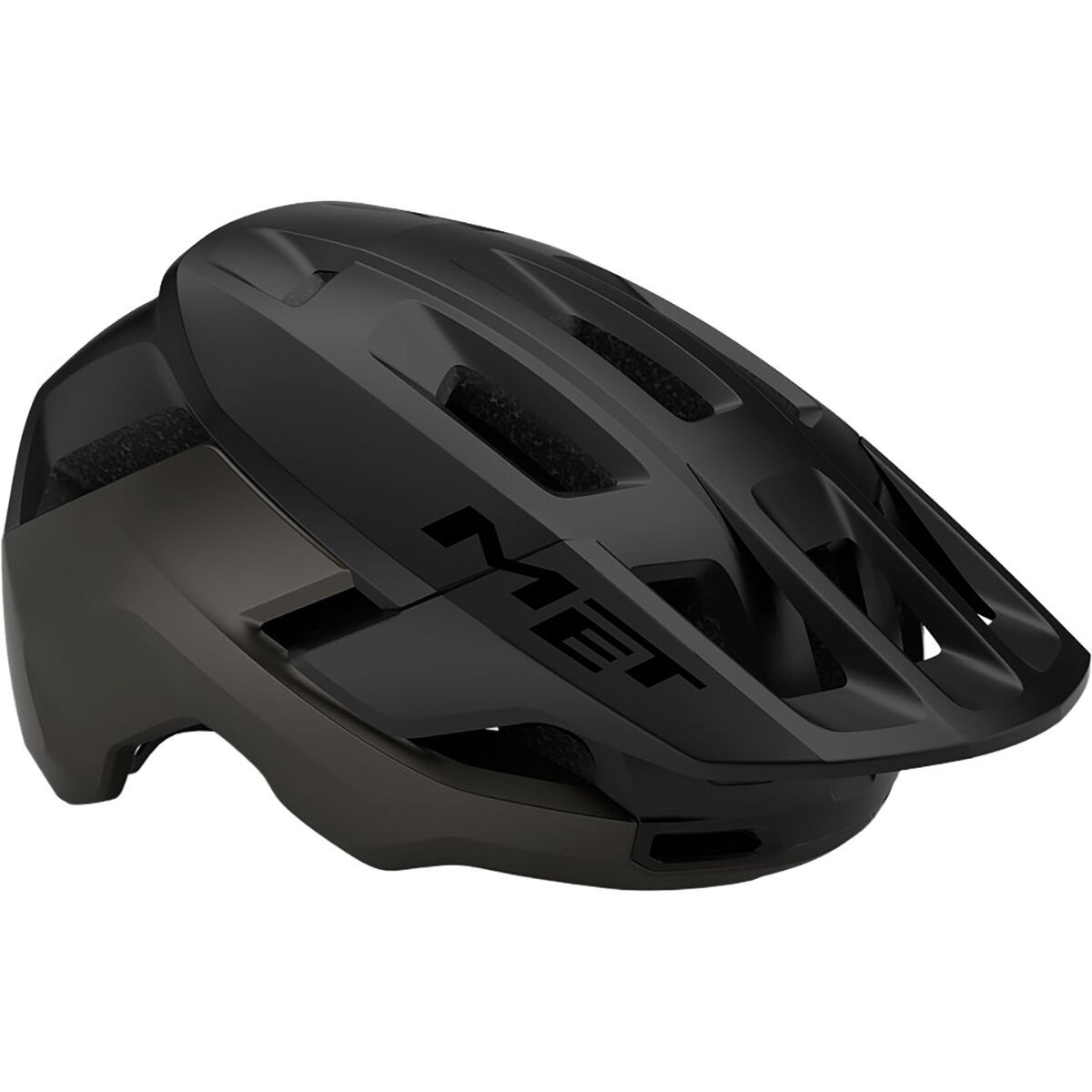
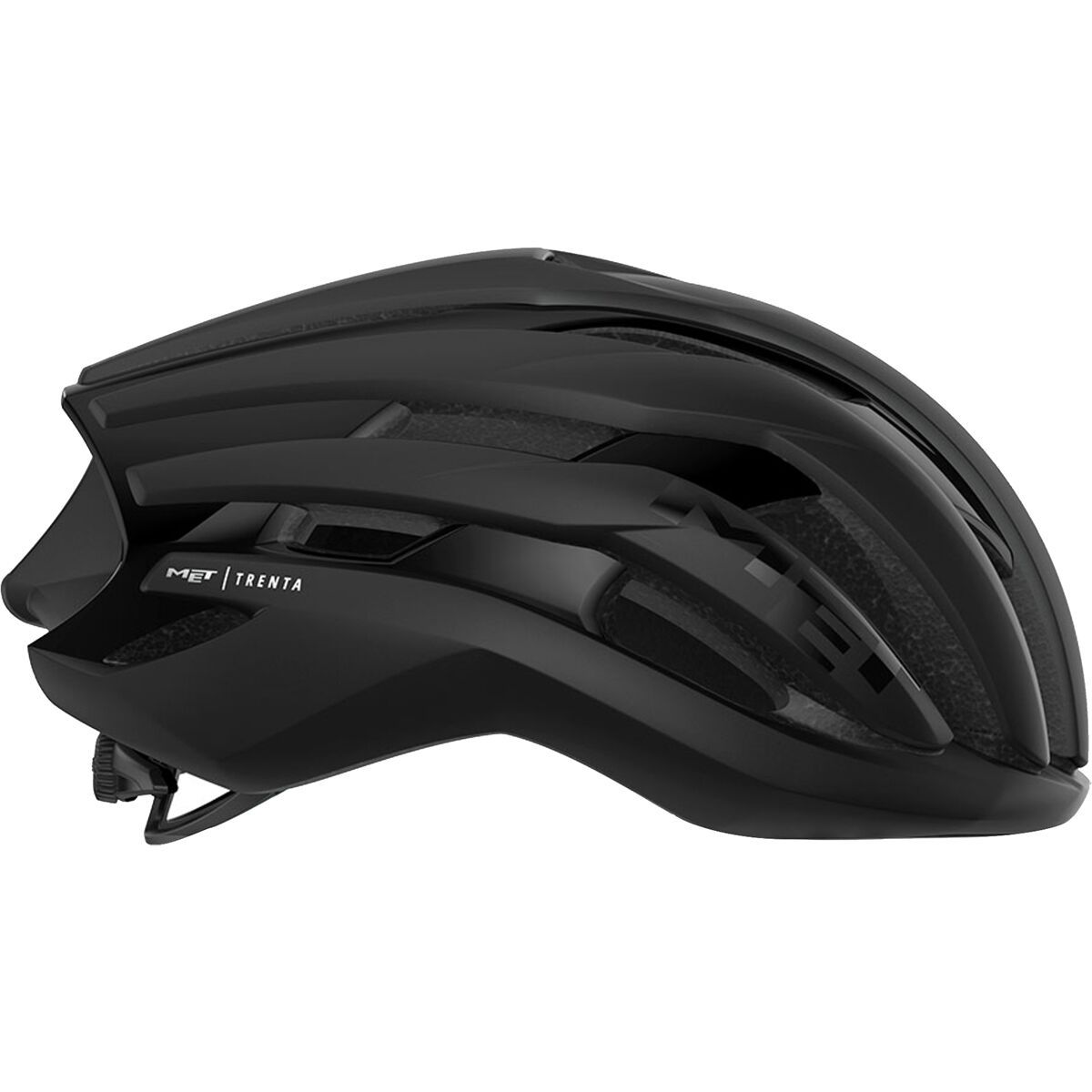
Trenta 3K Carbon Helmet
6 colors
$377.96 - $539.95
Up to 30% off
Discount Applies In Cart | Ends 11/16
(3)

+2
MET
Manta Mips Helmet
6 colors
$244.96 - $349.95
Up to 30% off
Discount Applies In Cart | Ends 11/16
(8)

MET
Trenta Mips Helmet
4 colors
$244.96 - $349.95
Up to 30% off
Discount Applies In Cart | Ends 11/16
(3)

MET
Rivale Mips Helmet
5 colors
$160.96 - $229.95
Up to 30% off
Discount Applies In Cart | Ends 11/16
(7)
HSA/FSA Eligible

MET
Terrae MIPS Helmet
5 colors
$130.16 - $185.95
Up to 30% off
Discount Applies In Cart | Ends 11/16
HSA/FSA Eligible

MET
Trenta Wander MIPS Helmet
1 color
Current price: $244.96 Original price: $349.95
30% off
Extra 10% Off Clearance | Ends 11/09
HSA/FSA Eligible

MET
Vinci Mips Helmet
2 colors
$104.96 - $149.95
Up to 30% off
Discount Applies In Cart | Ends 11/16
(1)
HSA/FSA Eligible

MET
Revo MIPS Helmet
3 colors
$188.96 - $269.95
Up to 30% off
Discount Applies In Cart | Ends 11/16

MET
Allroad Mips Helmet
1 color
$149.95
Discount Applies In Cart | Ends 11/16
(1)
HSA/FSA Eligible

MET
Veleno Mips Helmet
1 color
$130.16 - $185.95
Up to 30% off
Discount Applies In Cart | Ends 11/16
Related Categories
Frequently Asked Questions
How do I pick the right frame size and fit for a mountain, gravel, or road bike?
Start with your inseam and a manufacturer size chart, then confirm standover height and cockpit length (saddle-to-handlebar) to avoid cramping or overreach. Get a professional bike fit or at least a test ride to fine-tune saddle position, stem length, and handlebar width; flexibility and riding style (aggressive vs. upright) should influence final adjustments.What are the trade-offs between a hardtail and a full-suspension mountain bike?
Hardtails are lighter, simpler, and more efficient on climbs and smoother singletrack, making them ideal for XC, bikepacking, and entry-level riders; they’re also easier to maintain. Full-suspension bikes, with rear shocks from brands like Fox or RockShox, provide more traction and control on technical descents and rough trails at the cost of added complexity and weight. Choose based on the terrain you ride most and how much suspension travel you need for safety and speed.What groupset and brake setup should I choose for dependable performance across terrain?
For mountain bikes, choose a modern 1x drivetrain like SRAM Eagle (GX/XX1) or Shimano Deore/SLX/XTR for a wide range and simplified shifting; road and gravel riders may prefer Shimano Ultegra or mechanical/electronic Di2 options for precise shifting. Prioritize hydraulic disc brakes for consistent stopping power in wet and steep conditions, and match rotor size (e.g., 160–203 mm) to your terrain and load. Check component level and serviceability—mid-tier groupsets often give the best balance of performance and value.How does the Yeti SB130 compare to the Santa Cruz Hightower for trail riding?
The Yeti SB130 is typically tuned toward punchy, agile trail riding with quick handling and efficient climbing characteristics, while the Santa Cruz Hightower leans a bit more toward stability and confidence on faster, rougher descents. Both are modern trail bikes that accept 29‑inch wheels and modern geometry, but choose the SB130 for more playful, technical maneuvering and the Hightower if you want a bike that carries speed and composure over bigger terrain.