


20% Off Full-Price Items
Shop now
Up To 50% Off Winter Sale
Shop now
Get An EXTRA $50 Cash Back*
Summit+ exclusive
Marmot Overlanding
25 results

Marmot
Wraptor 30 Sleeping Bag: 30F Down
1 color
Discount Applies In Cart | Ends 11/16
(18)

Marmot
Wraptor 30 Sleeping Bag: 30F Synthetic
1 color
Discount Applies In Cart | Ends 11/16
(29)

Marmot
Wraptor 20 Sleeping Bag: 20F Synthetic
1 color
Discount Applies In Cart | Ends 11/16
(29)

Marmot
Trestles Elite Eco 0 Sleeping Bag: 0F Synthetic
1 color
Discount Applies In Cart | Ends 11/16
(9)

Marmot
Col Sleeping Bag: -20F Down
1 color
Discount Applies In Cart | Ends 11/16
(11)

Marmot
Trestles 15 Sleeping Bag: 15F Synthetic
1 color
Discount Applies In Cart | Ends 11/16
(53)

Marmot
Mad River 0 Sleeping Bag: 0 Degree Down
1 color
Discount Applies In Cart | Ends 11/16
(7)

Marmot
Wraptor 15 Sleeping Bag: 15F Down
1 color
Discount Applies In Cart | Ends 11/16
(15)

Marmot
Trestles 15 Sleeping Bag: 15F Synthetic - Women's
1 color
Discount Applies In Cart | Ends 11/16
(28)


Marmot
Trestles 30 Sleeping Bag: 30F Synthetic
1 color
Discount Applies In Cart | Ends 11/16
(28)

Marmot
Lithium Sleeping Bag: 0F Down
1 color
Discount Applies In Cart | Ends 11/16
(9)

Marmot
Trestles Elite Eco 20 Sleeping Bag: 20F Synthetic
1 color
Discount Applies In Cart | Ends 11/16
(25)

Marmot
Trestles Elite Eco 30 Sleeping Bag: 30F Synthetic
1 color
Discount Applies In Cart | Ends 11/16
(5)

Marmot
HiberNest 15 Sleeping Bag: 15F Down
1 color
Discount Applies In Cart | Ends 11/16
(2)

Marmot
Helium Sleeping Bag: 15F Down
1 color
Discount Applies In Cart | Ends 11/16
(16)

Marmot
Mad River 15 Sleeping Bag: 15 Degree Down
1 color
Discount Applies In Cart | Ends 11/16
(8)

Marmot
NanoWave 35 Sleeping Bag: 35F Synthetic
1 color
Discount Applies In Cart | Ends 11/16
(19)

Marmot
Pacifica 30 Doublewide Sleeping Bag: 30F Synthetic
1 color
Discount Applies In Cart | Ends 11/16
(2)

Marmot
Trestles Elite Eco 30 Sleeping Bag - Kids'
1 color
Discount Applies In Cart | Ends 11/16
(11)

Marmot
NanoWave 25 Sleeping Bag: 25F Synthetic
1 color
Discount Applies In Cart | Ends 11/16
(7)

Marmot
NanoWave 45 Sleeping Bag: 45F Synthetic
1 color
Discount Applies In Cart | Ends 11/16
(18)

Marmot
HiberNest 30 Sleeping Bag: 30F Down
1 color
Discount Applies In Cart | Ends 11/16
(3)

Marmot
Mad River 40 Sleeping Bag: 40 Degree Down
1 color
Discount Applies In Cart | Ends 11/16
(1)


Marmot
Mad River 30 Sleeping Bag: 30 Degree Down
1 color
Discount Applies In Cart | Ends 11/16
(2)

Marmot
Hydrogen Sleeping Bag: 30F Down
1 color
Discount Applies In Cart | Ends 11/16
(4)
Related Categories
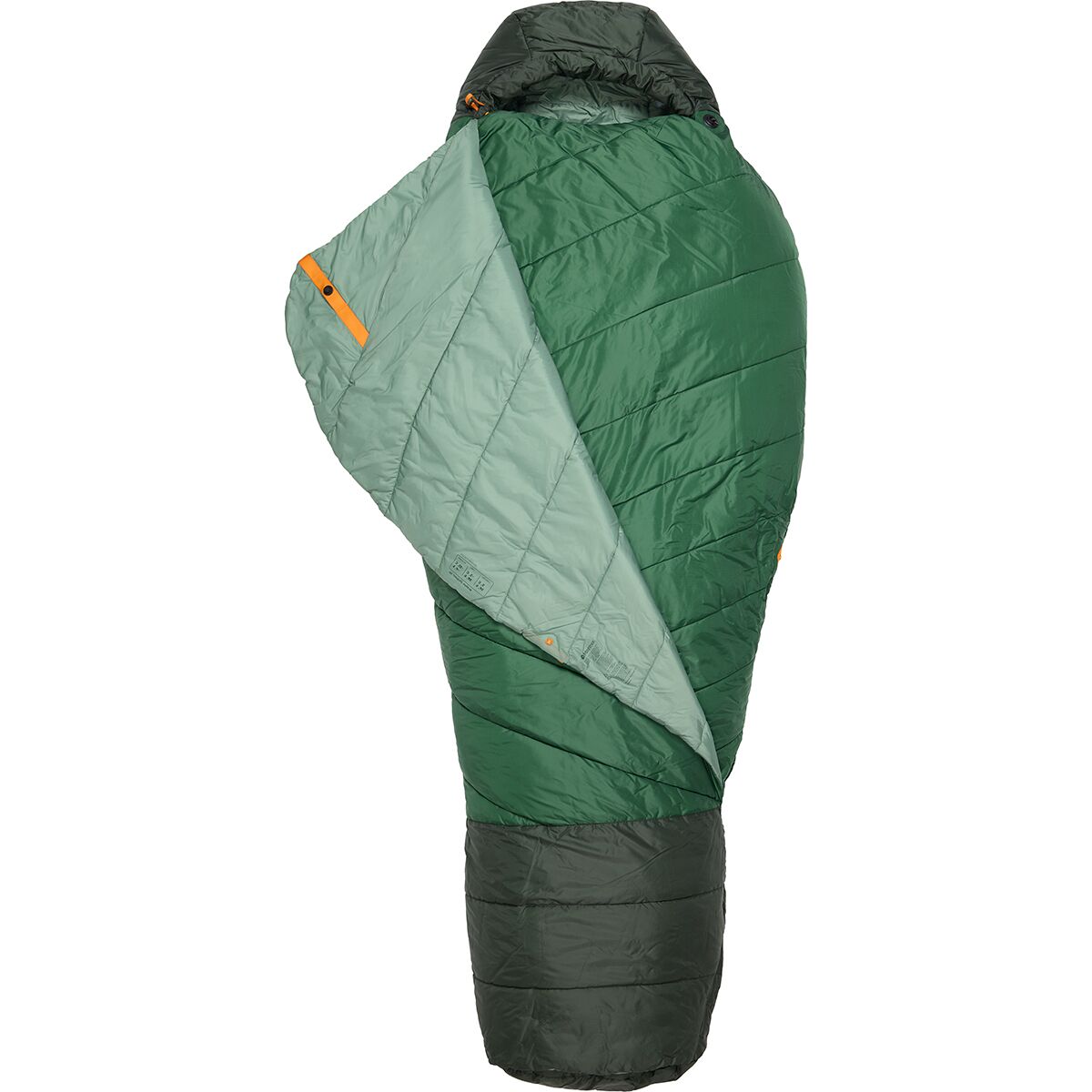
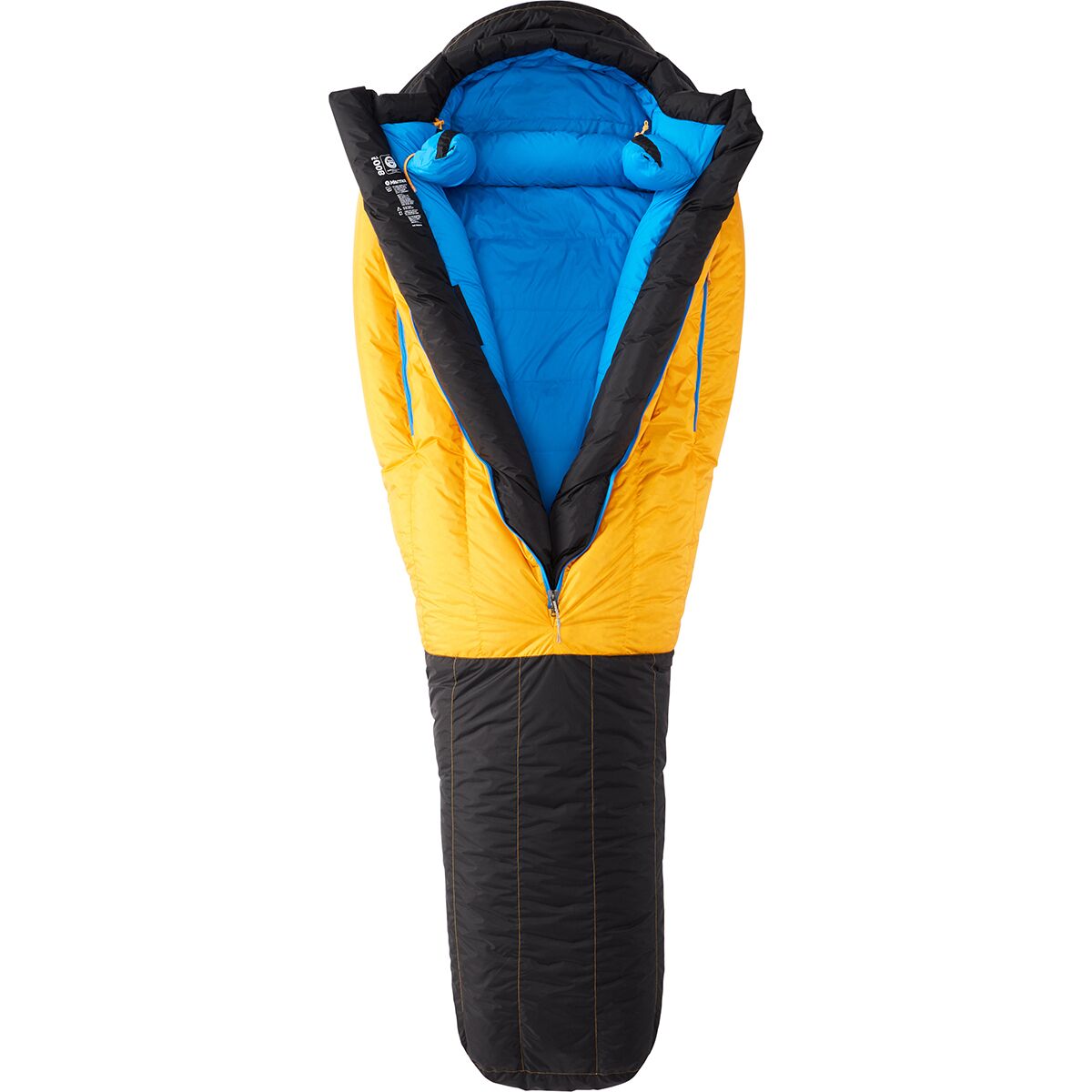
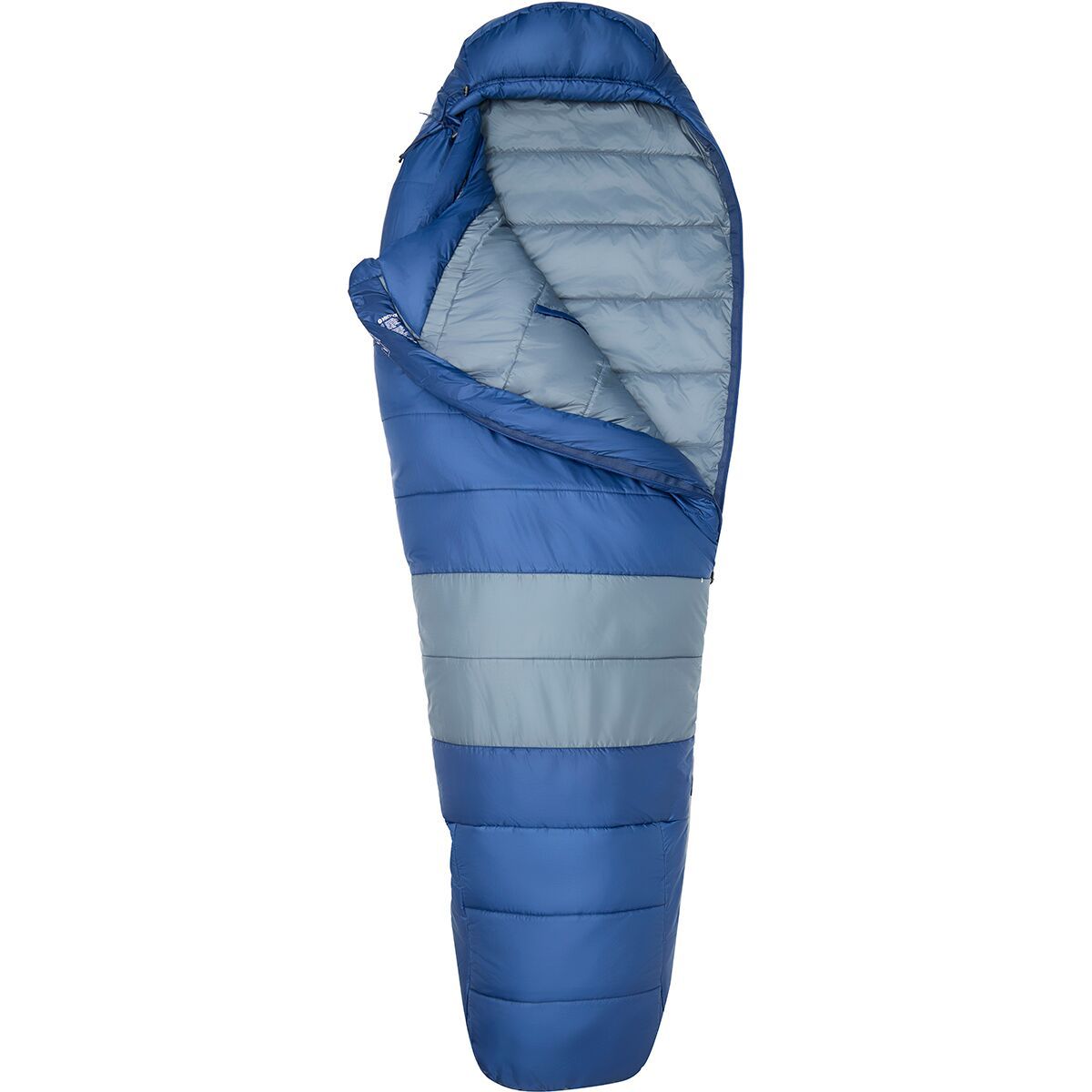
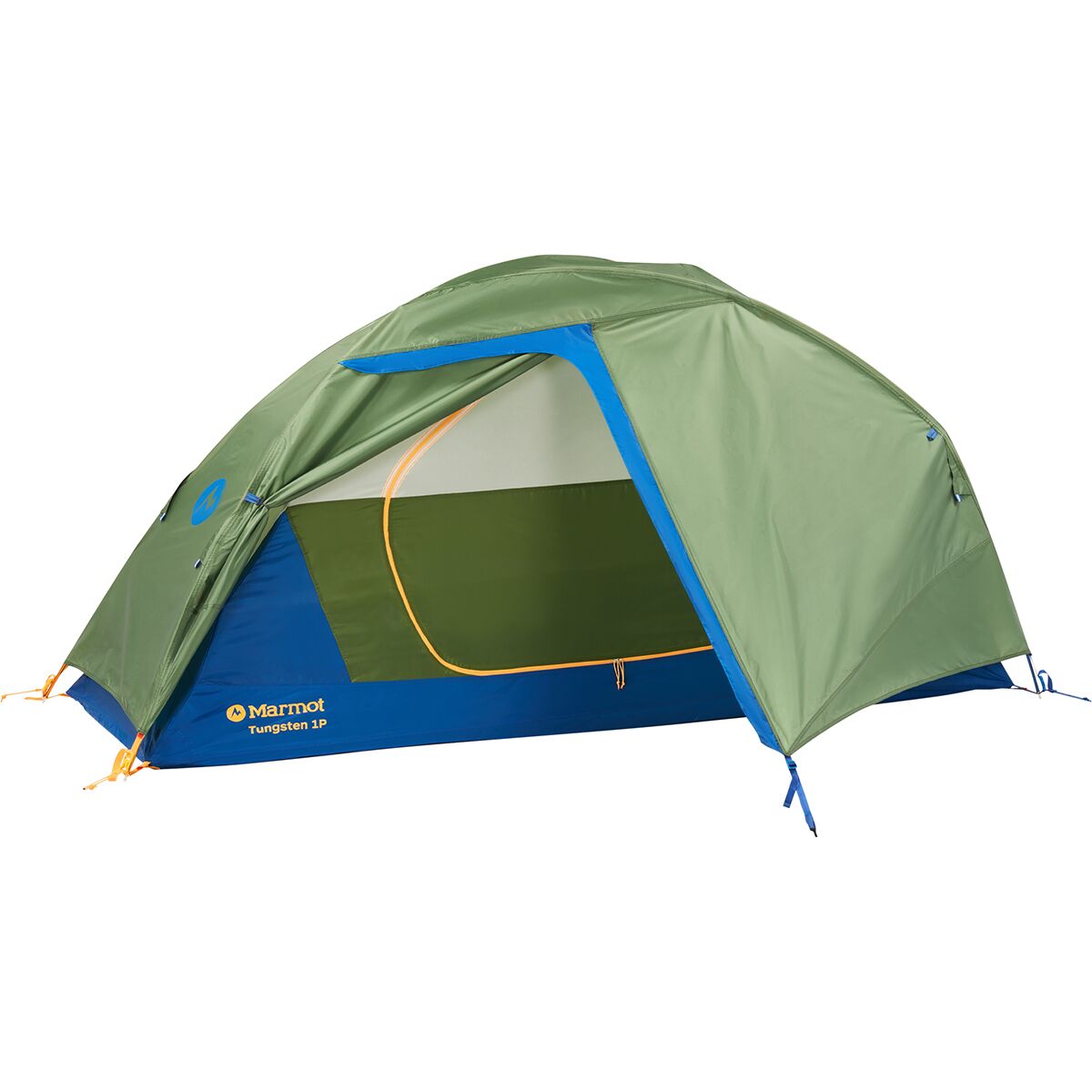

Frequently Asked Questions
What makes Marmot's Wraptor Down sleeping bags a good choice for overlanding?
Marmot's Wraptor Down series uses high-quality down insulation for an excellent warmth-to-weight ratio and compressibility, which makes the bags easy to stow in vehicle rigs. With temp-rated options like 30°F and 15°F and durable shell fabrics, they balance warmth, packability, and field durability for multi-night overland trips.How do the Wraptor Down 15° and Wraptor Down 30° differ, and which should I pick?
The Wraptor Down 15° is aimed at sub-freezing nights while the Wraptor Down 30° is tuned for milder-cold conditions; choose the 15° if you expect temps near or below freezing or prefer extra layering margin. Both prioritize packability, so base your choice on typical overnight lows and how much layering you plan to use.Are Marmot Limelight tents suitable for overlanding and vehicle-based camps?
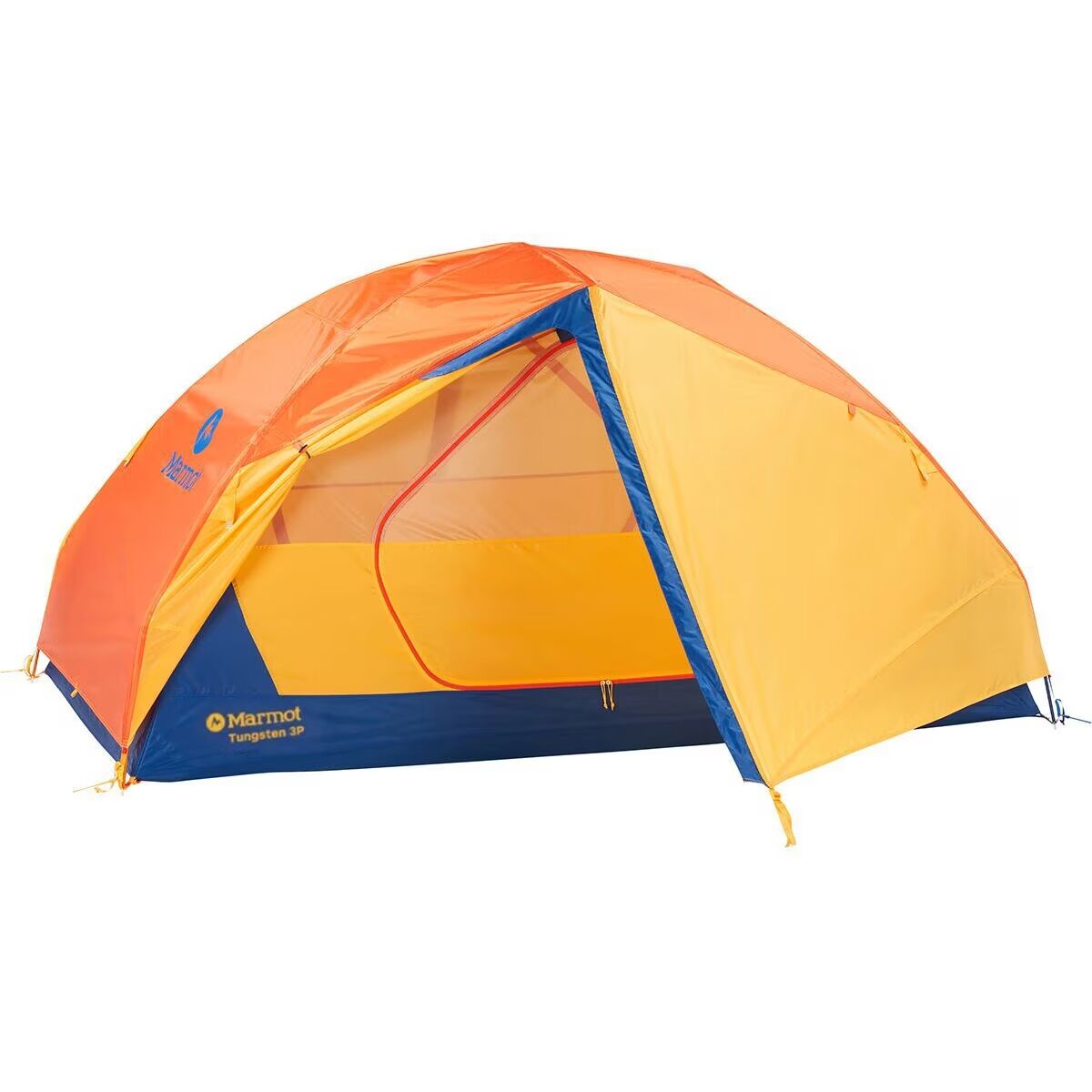
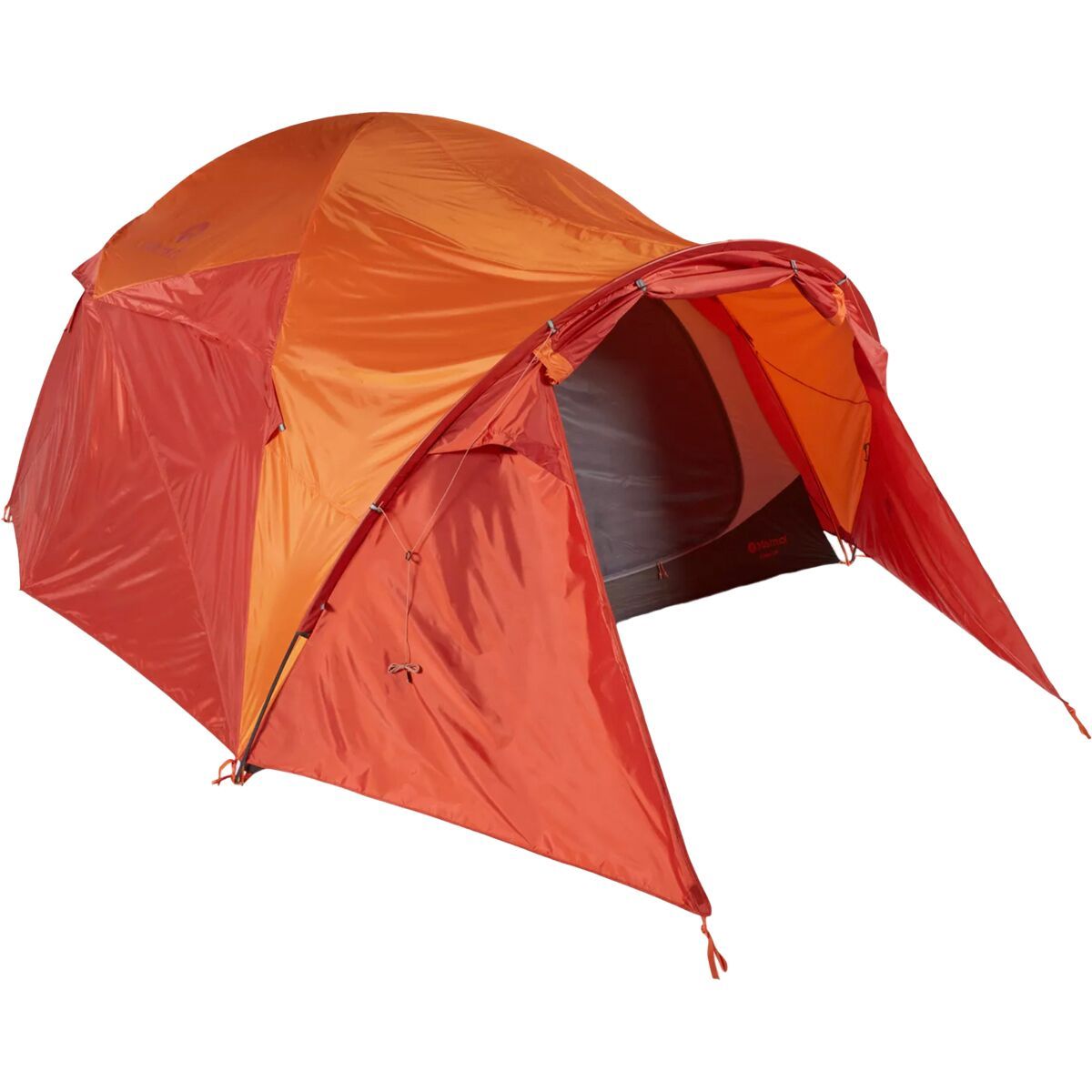
Yes, Marmot Limelight tents offer spacious interiors for 2–3 people and simple pole designs that make setup fast at roadside campsites. Their roomy layouts and thoughtful ventilation make them comfortable bases for multi-night overlanding, with fabric durability intended to handle frequent vehicle-based use.How do I decide between Short and Regular lengths on Marmot sleeping bags for an overlanding setup?
Pick the length that matches your body and the vehicle sleeping platform: Short is better for people with shorter torsos/legs or when space is limited in compact rigs, while Regular fits most adults and provides fuller insulation coverage. Correct sizing minimizes cold spots and improves comfort during overnight stops.How does Marmot down perform in damp conditions and what care helps preserve insulation on trips?
High-fill down (around 750 fill power in related Marmot models) offers superior loft and packability but will lose insulating power when wet, so use a reliable rainfly or waterproof bivy and avoid compressing a wet bag for storage. Store the bag loosely in a breathable sack while traveling and fully dry and loft it out after any moisture exposure to maintain long-term performance.