


Up To 20% Off Full-Price Items
Shop now
EXTRA 20% Off Clearance
Shop now | Ends 11/9
Get An EXTRA $50 Cash Back*
Summit+ exclusive
Mammut Climbing Training
1 result

Mammut
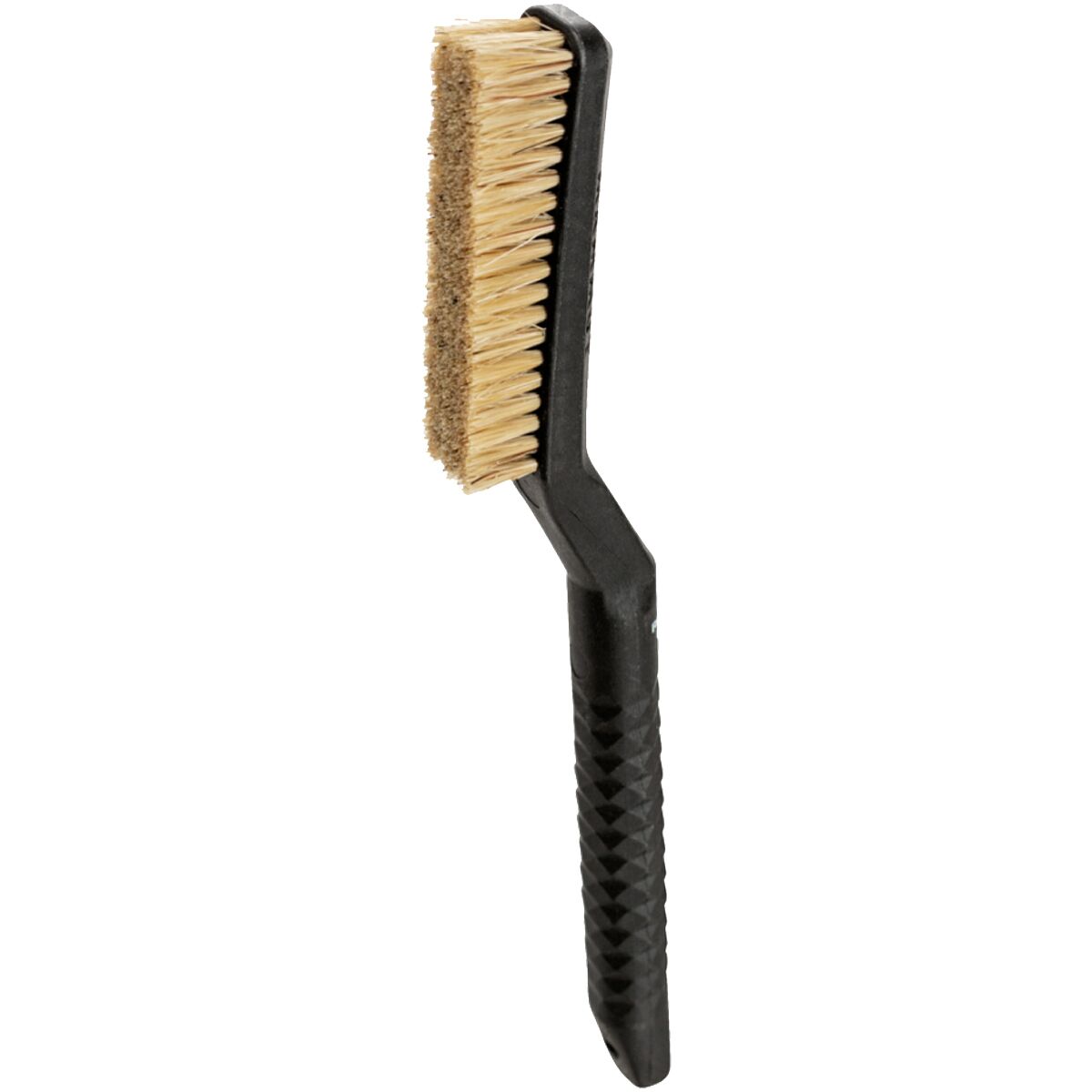
Crimper Brush
1 color
$21.95
Discount Applies In Cart | Ends 11/16
(4)
Related Categories



Frequently Asked Questions
How do I choose the right Mammut rope for indoor training versus outdoor alpine routes?
Single ropes in the 9–10 mm range are common for indoor and sport climbing because they balance handling and durability; thinner single or light double ropes (around 8–9.2 mm) cut weight and rope drag for alpine or long approaches. For outdoor use prioritize ropes with SuperDRY or COATINGfinish to repel water and dirt, and check for a clear middle marker on ropes 60 m and longer.What should I look for in a Mammut harness for training and sport climbing?
Choose a harness with easy-to-adjust buckles and leg loops—models like the Ophir 3 Slide, Ophir 4 Slide, and Ophir Fast Adjust let you dial fit quickly between warmups and harder climbs. Two-part webbing and a reinforced haul loop increase comfort and durability, and having enough gear loops for quickdraws or training tools helps keep sessions efficient; always test range of motion with the layers you climb in.How does Mammut’s Sender construction compare to Workhorse construction for training ropes?
Sender construction uses a lighter, low-material sheath with a wear-resistant weave that reduces rope weight and drag, making it attractive for projecting and performance-focused sessions. Workhorse construction prioritizes a thicker, more robust sheath for heavy daily use in the gym or frequent projecting, so it’s better when abrasion resistance and longevity are primary concerns.Which Mammut accessories are most useful for bouldering and indoor training sessions?
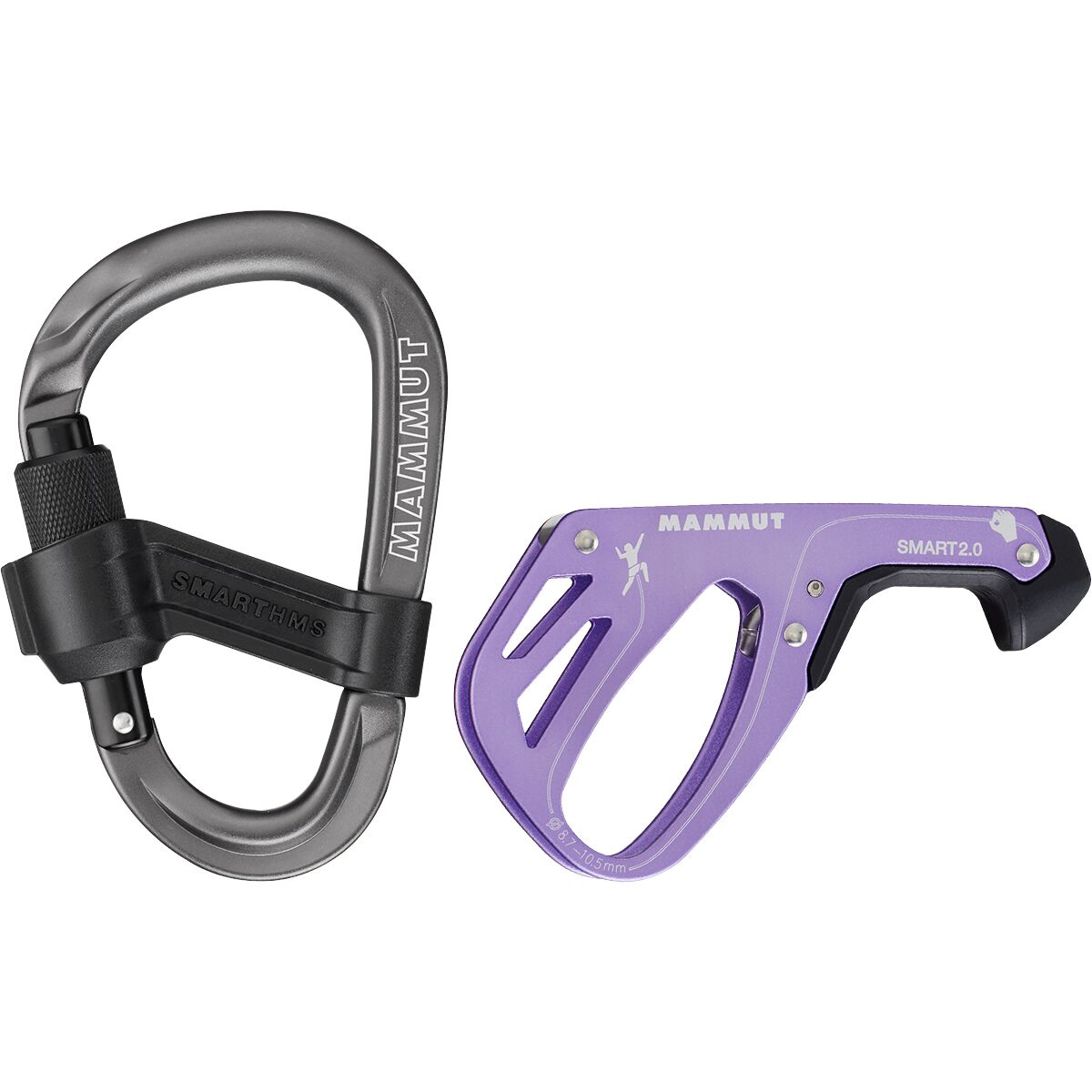
A waist-fit chalk bag makes quick re-chalks easy during repeated attempts, and magnesia-compatible bags paired with good brushing tools keep holds consistent; sticky-rubber approaches or climbing shoes such as the MTR 201 improve friction on holds and approaches. For partner work, the Smart 2.0 semi-auto belay device can simplify belaying mechanics during instruction and practice, while lightweight packs and portable training tools speed transitions between problems.How should I maintain Mammut ropes and training gear to maximize safety and lifespan?
Regularly inspect ropes for sheath abrasion, clean grit out of the rope, and favor SuperDRY/COATINGfinish treatments when you expect wet or dirty conditions; refresh or mark middle markers with permanent ink as needed. Clean and thoroughly dry harnesses, chalk bags, and shoes after use, store gear out of direct UV and away from chemicals, and retire any equipment that shows significant structural damage or core exposure.