


Up To 20% Off Full-Price Items
Shop now
EXTRA 20% Off Clearance
Shop now | Ends 11/9
Get An EXTRA $50 Cash Back*
Summit+ exclusive
Maloja Training
8 results

Maloja
ValgrandeM Mountain Short - Women's
3 colors
$94.95
Discount Applies In Cart | Ends 11/16

Maloja
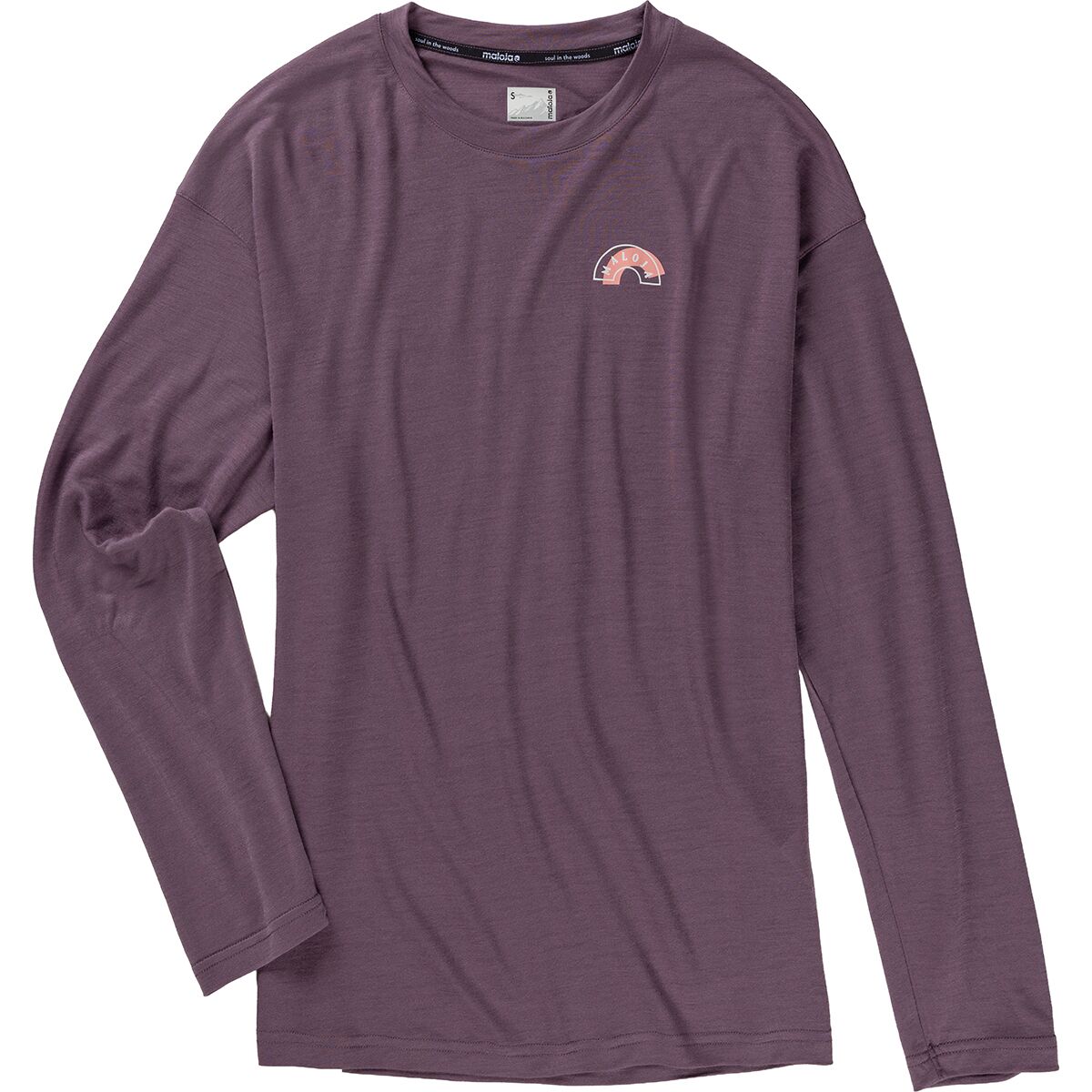
WiestalM Mountain Long-Sleeve Shirt - Women's
2 colors
$94.95
Discount Applies In Cart | Ends 11/16

Maloja
TombeaM Long-Sleeve Adventure Shirt - Women's
2 colors
$89.95
Discount Applies In Cart | Ends 11/16

Maloja
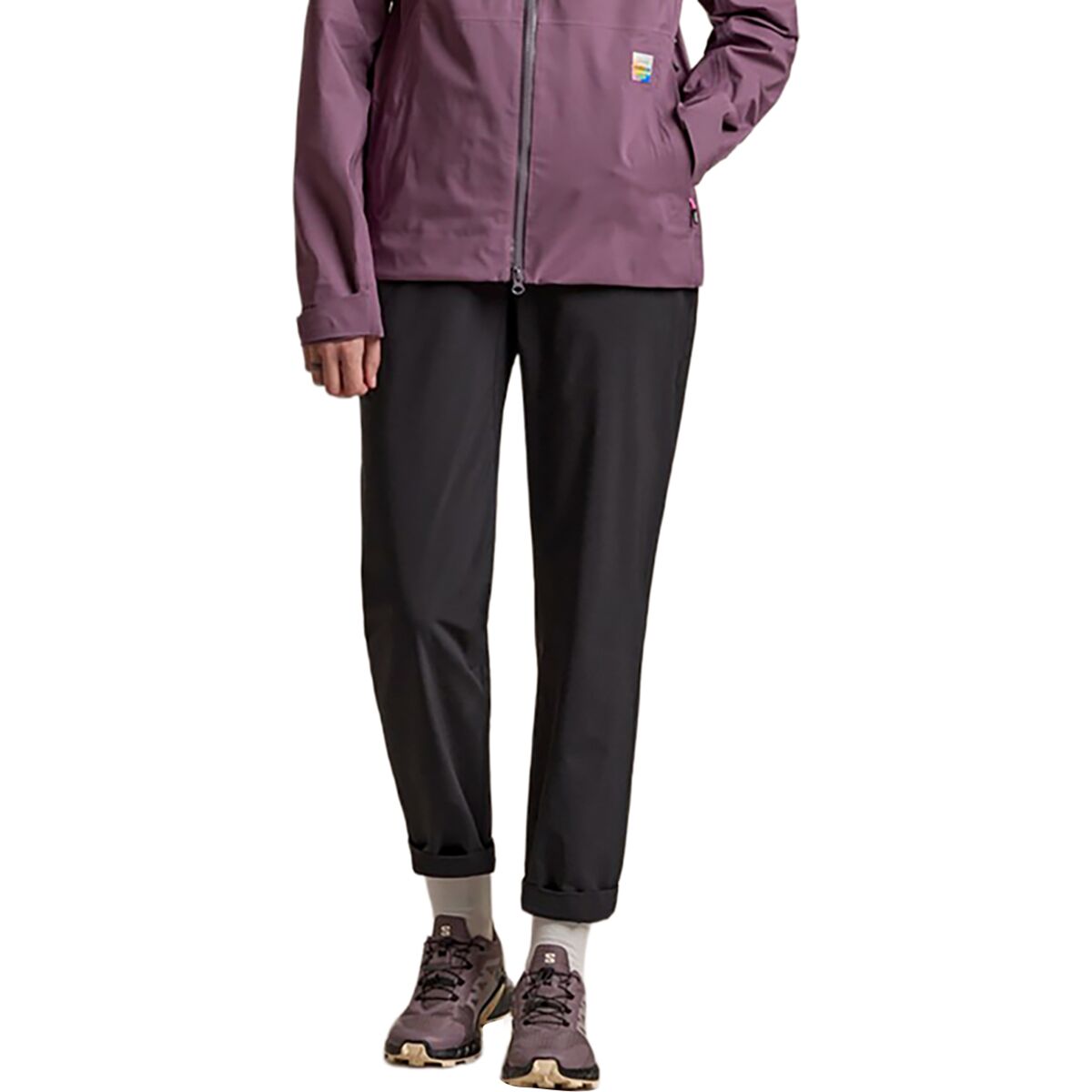
SchneebergM Mountain Pant - Women's
2 colors
$109.95
Discount Applies In Cart | Ends 11/16

Maloja
HochrinneckM Trail Tank Top - Women's
2 colors
$89.95
Discount Applies In Cart | Ends 11/16

Maloja
GochasM Boulder Tank Top - Women's
3 colors
$69.95
Discount Applies In Cart | Ends 11/16

Maloja
DambelM Moutain T-Shirt - Women's
2 colors
$84.95
Discount Applies In Cart | Ends 11/16

Maloja
SwakaraM Adventure Midlayer 1/2-Zip Top - Women's
2 colors
$149.95
Discount Applies In Cart | Ends 11/16
Related Categories
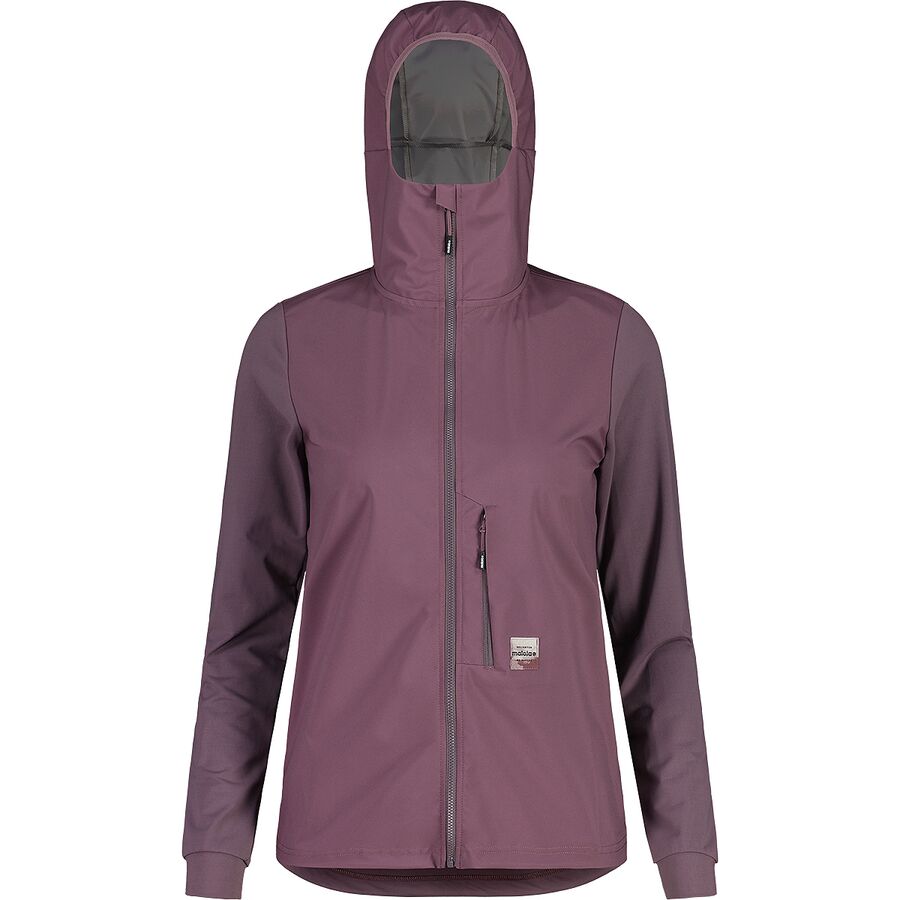 Maloja Women's Running Clothing
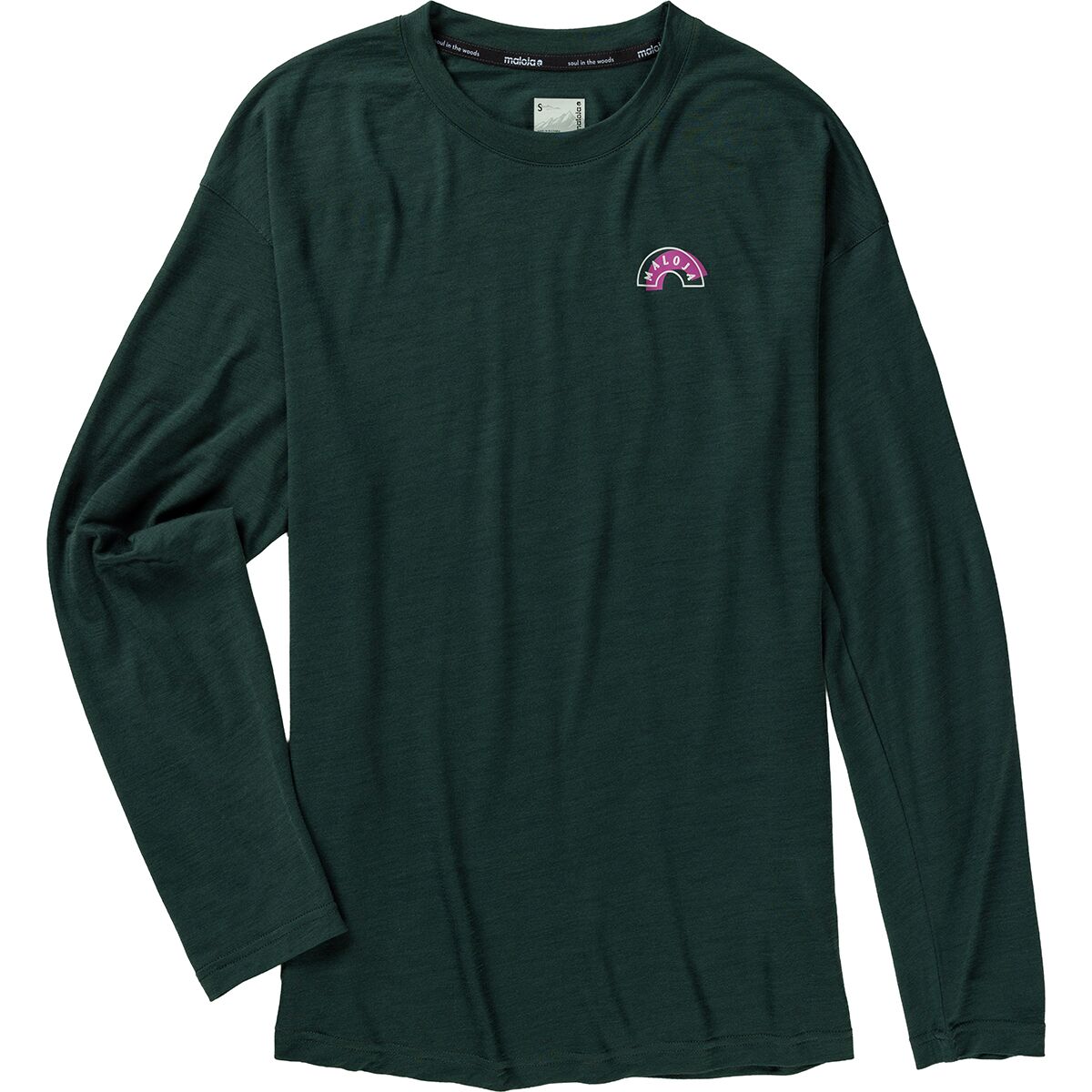 Maloja Women's Run Training Tops
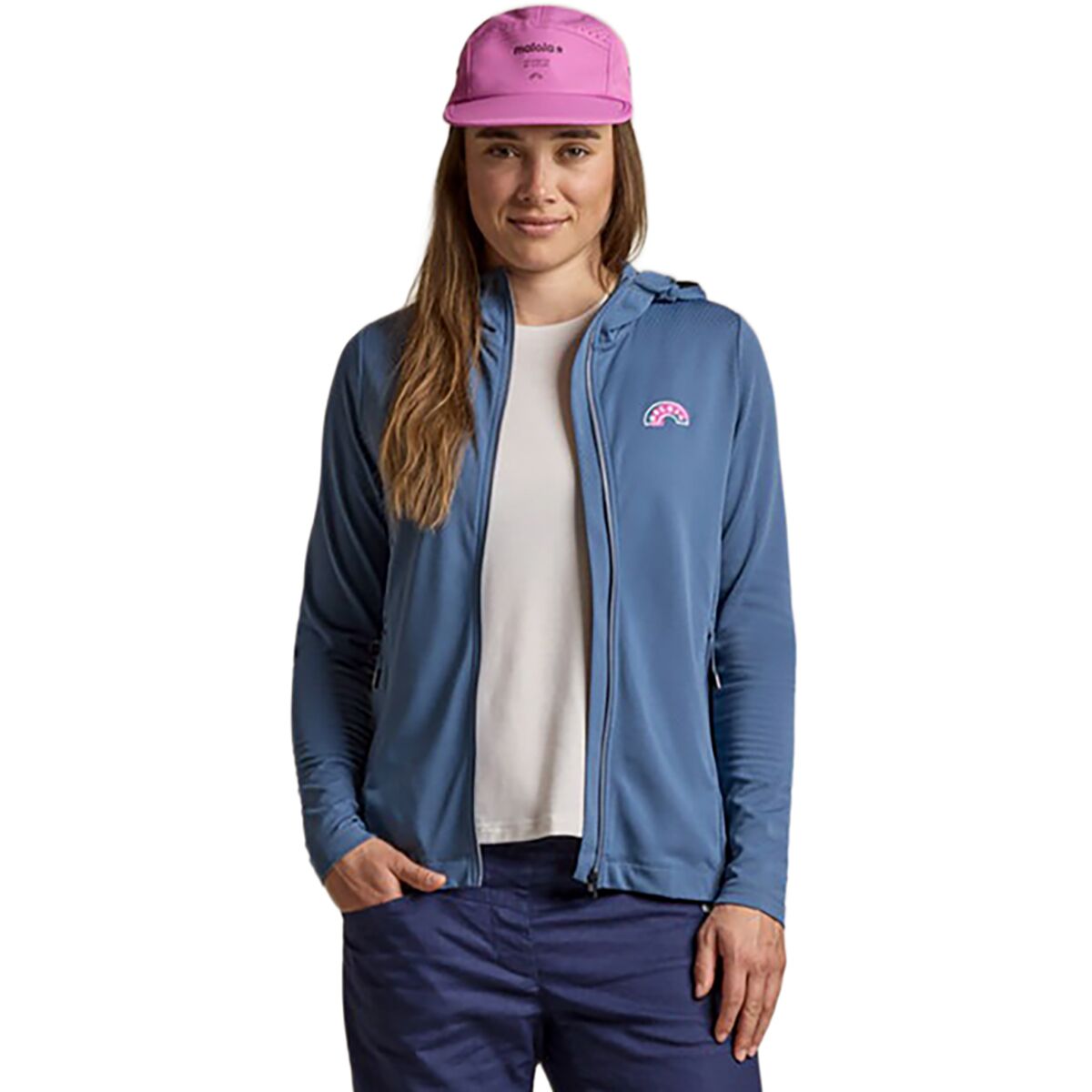 Maloja Women's Run Training Jackets
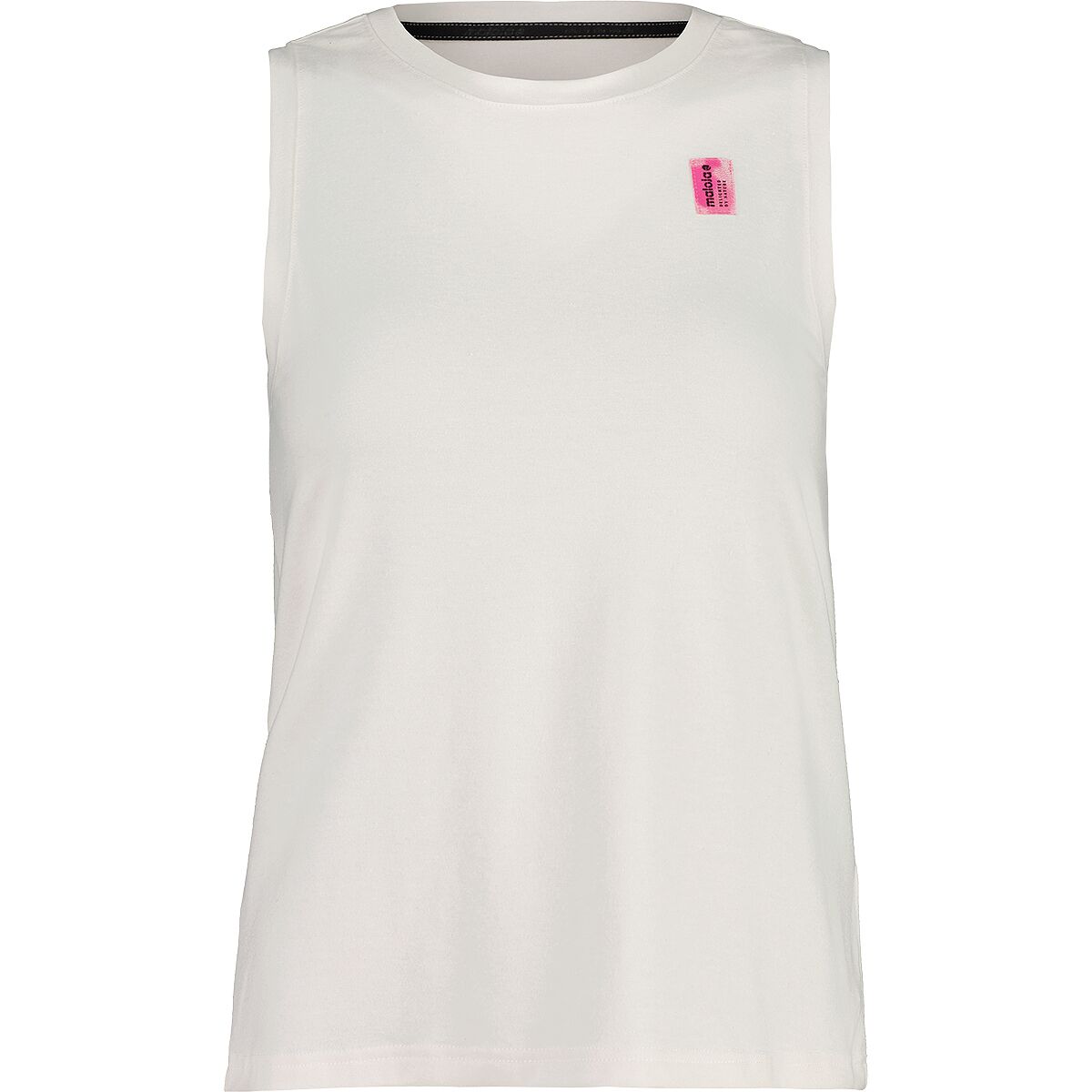 Maloja Women's Performance Tops
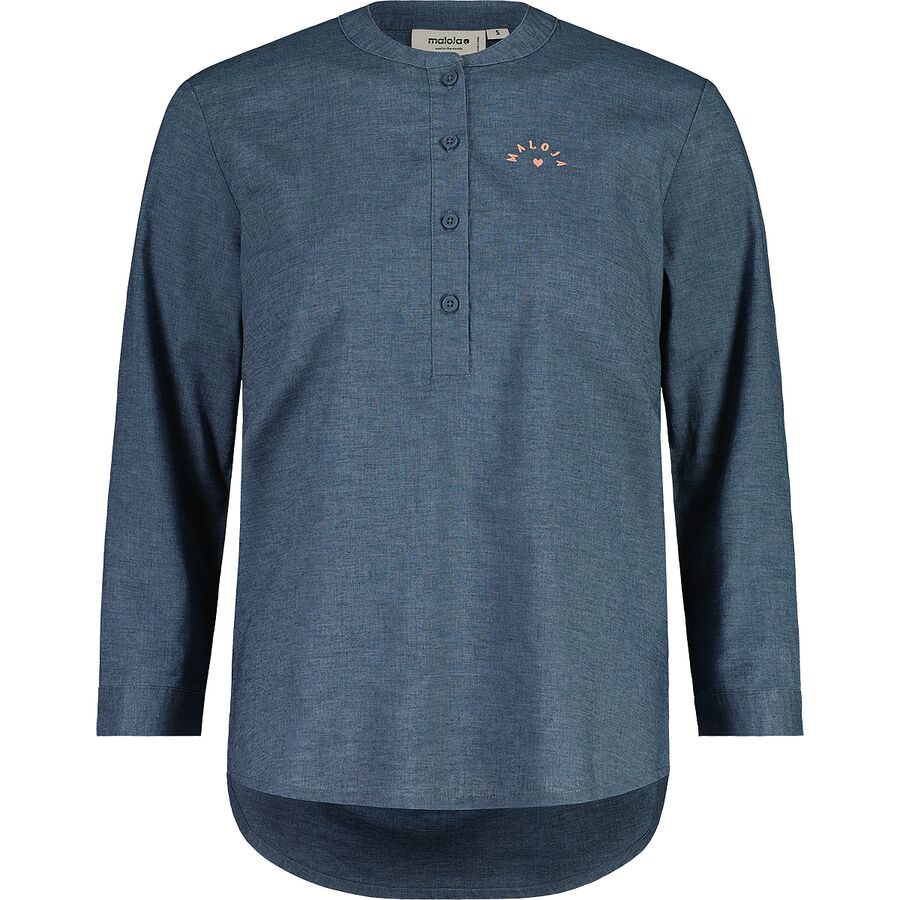 Maloja Women's Long Sleeve Performance Tops
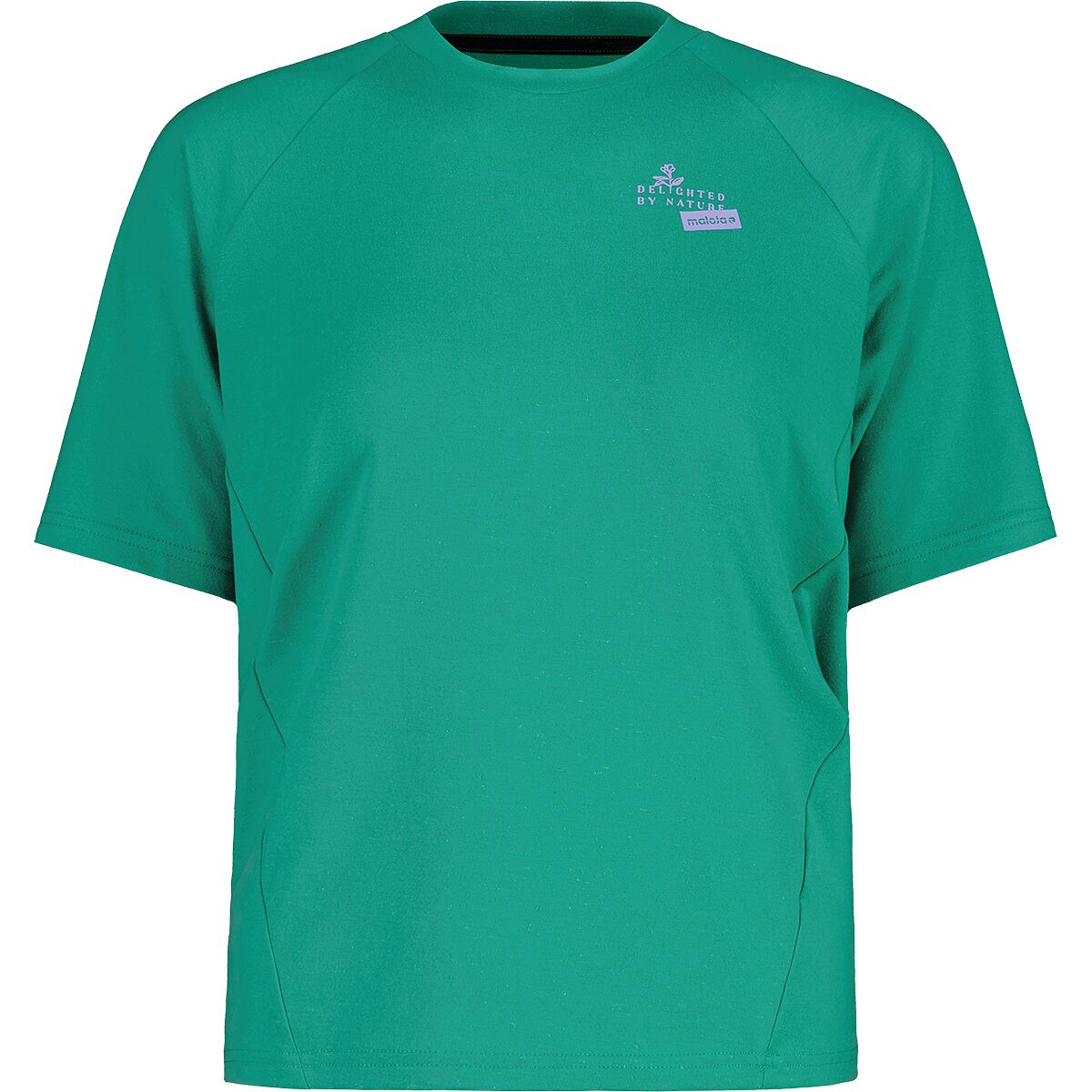 Maloja Women's Short Sleeve Performance Tops
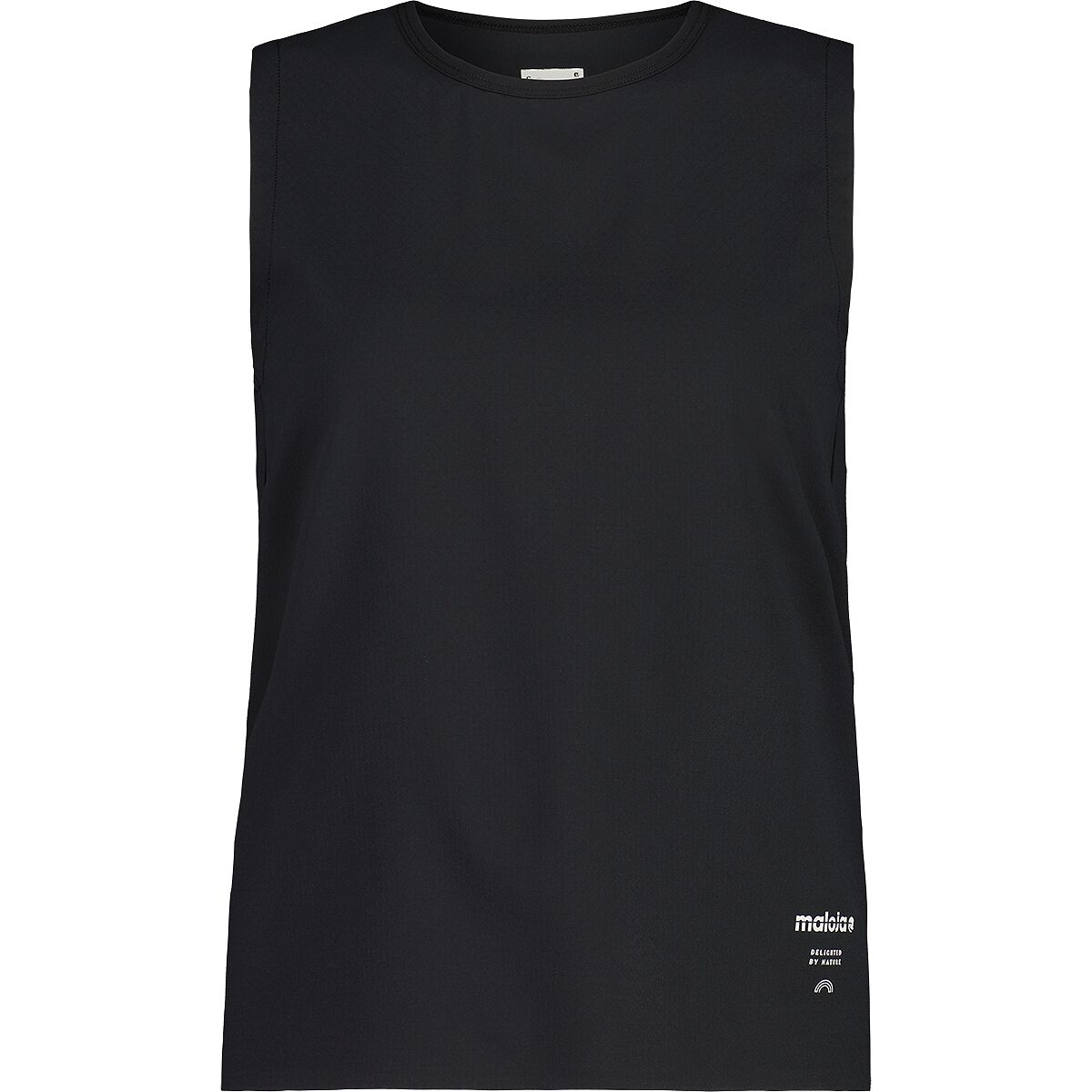 Maloja Women's Performance Tank Tops
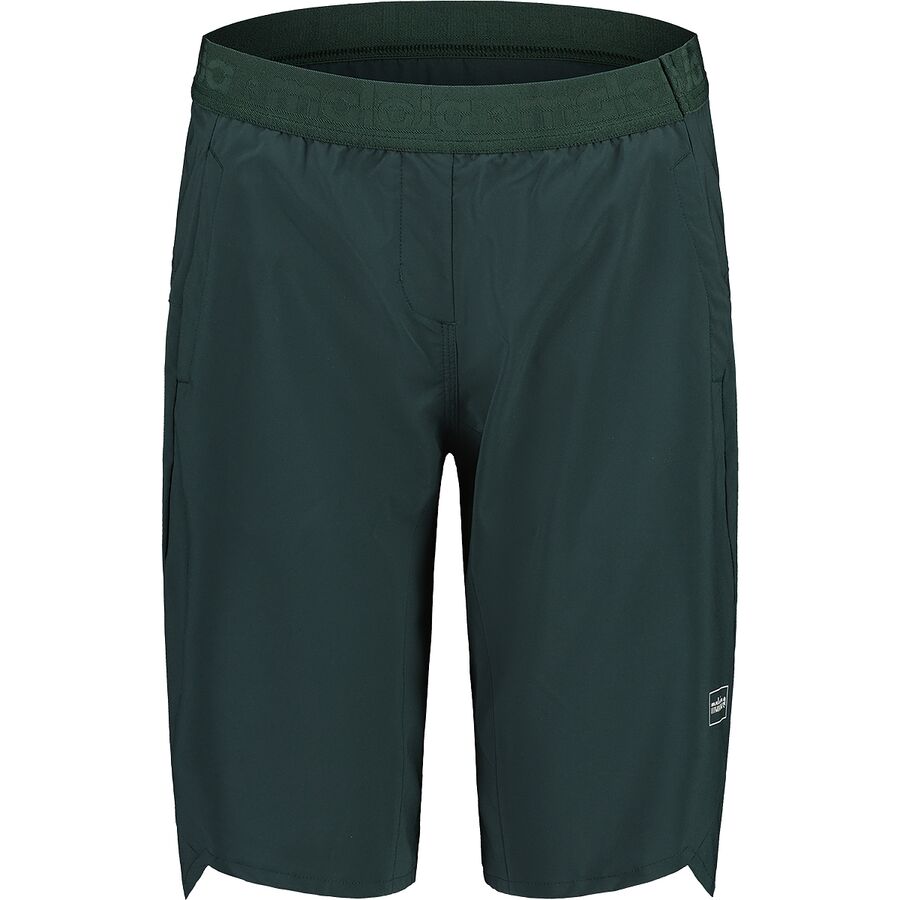 Maloja Women's Performance Shorts
 Maloja Women's Performance Clothing
 Maloja Women's Yoga Clothing
Frequently Asked Questions
What is Thermal Stretch Eco and how does Maloja use it in training pieces?
Thermal Stretch Eco is a recycled stretch fabric Maloja uses in training layers to combine insulation, mobility, and sustainability; the material is typically an 83% recycled nylon / 17% recycled spandex blend. It provides stretchy, next-to-skin warmth for activities like running, climbing, and alpine training while reducing reliance on new raw materials.Which materials and construction features does Maloja employ for comfort and movement during workouts?
Maloja training garments commonly use 4-way stretch fabrics, flatlock seams, and ergonomic patterning to minimize chafe and allow unrestricted movement, often pairing synthetic stretch blends with merino for natural odor control and temperature regulation. These construction choices target long sessions and varied intensity across mountain sports and everyday training.How does Maloja balance technical performance with a mountain-lifestyle aesthetic?
Maloja blends technical details—such as stretch insulating fabrics, breathable weaves, and practical pocketing—with casual, layered silhouettes and outdoor-inspired graphics so pieces work equally well for training, travel, and après-activity wear. The result is apparel that performs on the trail or gym while reflecting Maloja’s mountain-culture design language.Does Maloja use chemical treatments for water resistance, and are they environmentally friendly?
Maloja favors PFC-free water-repellent finishes on many outer layers to shed light moisture while avoiding long-chain perfluorinated compounds associated with environmental persistence. These PFC-free DWRs aim to provide everyday wet-weather protection with a reduced environmental footprint, though heavy prolonged exposure to moisture will eventually reduce repellency and benefit from reproofing.