


Up To 20% Off Full-Price Items
Shop now
EXTRA 20% Off Clearance
Shop now | Ends 11/9
Get An EXTRA $50 Cash Back*
Summit+ exclusive
Klymit Paddle
2 results

Klymit
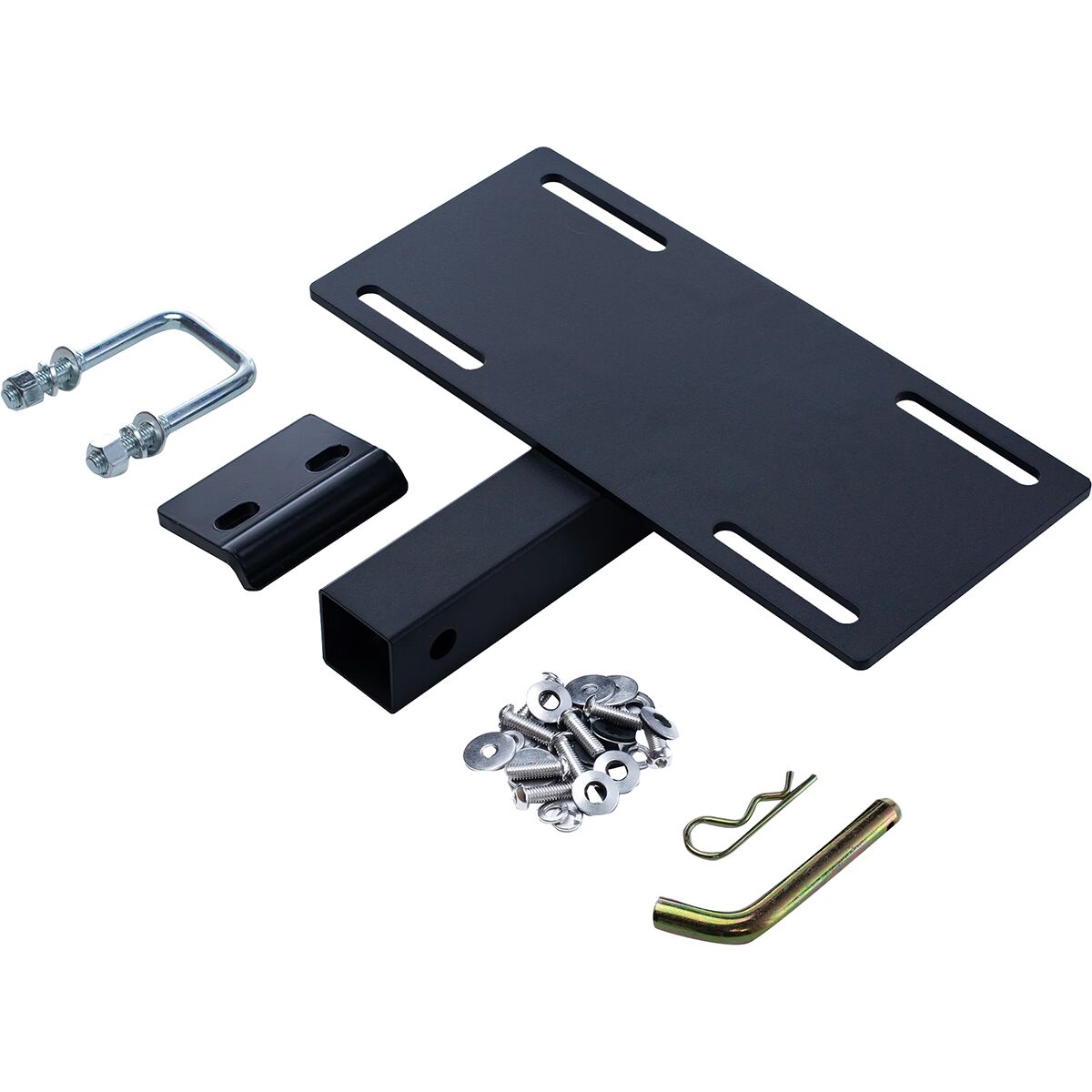
WaterPORT 8 Gallon Hitch Mount
1 color
$129.99
Discount Applies In Cart | Ends 11/16

Klymit
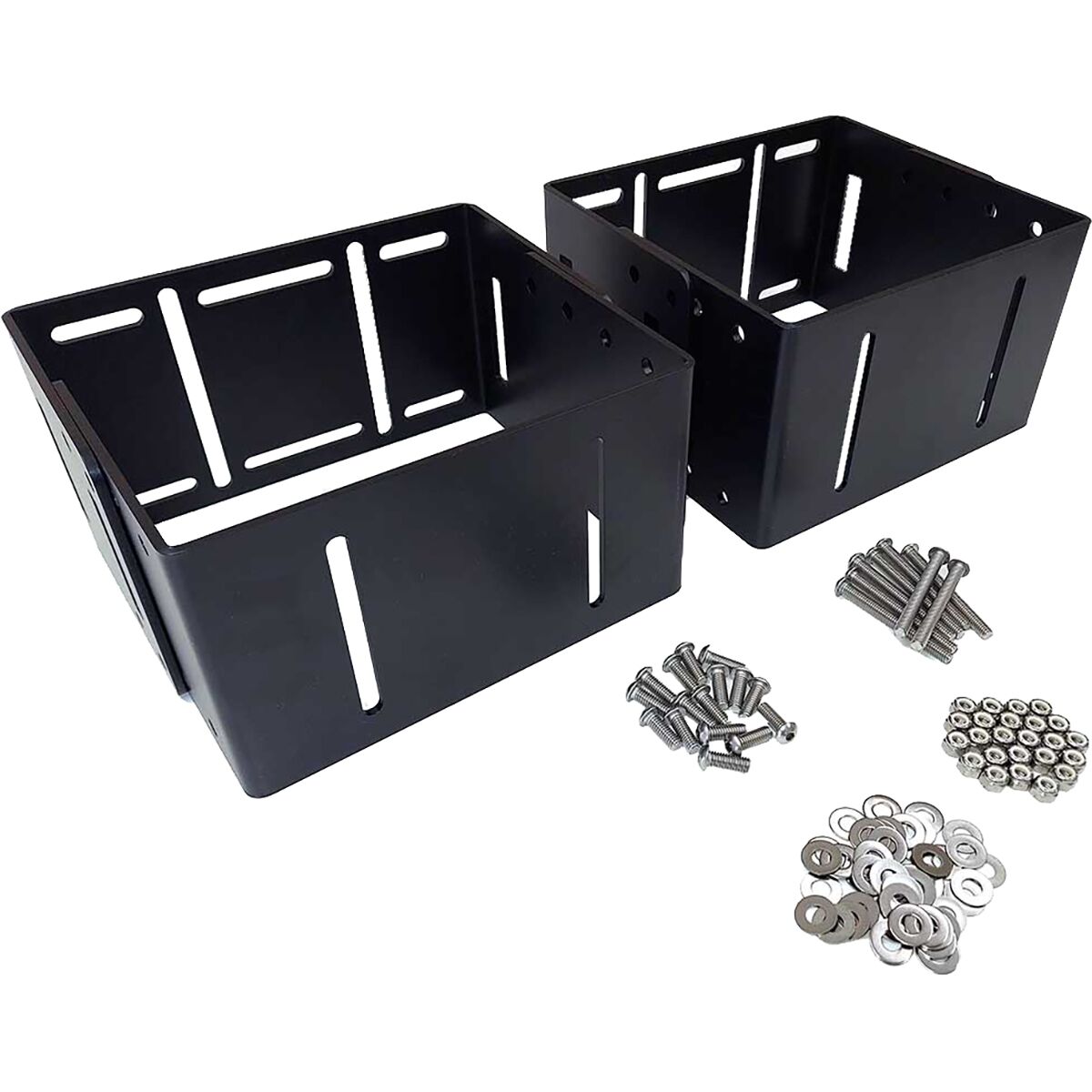
WaterPORT 8 Gallon Bed Rack Mount
1 color
$299.99
Discount Applies In Cart | Ends 11/16
Related Categories
Frequently Asked Questions
What is the Klymit LiteWater Dinghy best used for?
The LiteWater Dinghy (LWD) is built for mild flatwater—lakes, calm rivers and small waves up to about Class 2—and is ideal for adding a water leg to backpacking routes or casual beach and pool paddling. Because it uses a single main chamber and lighter-weight materials, it isn’t intended for whitewater, rocky shore launches, or offshore use.How does the LiteWater Dinghy pack and carry on backpacking trips?
The LWD packs down to roughly 4.5–5 in x 9 in and weighs about 35–44 oz, making it very packable for overnight trips, and inflates to about 76 in x 45 in with a 350 lb capacity for solo paddlers. Its teardrop/arrow shape helps with upright posture and tracking, but the short length can feel cramped when paddling with a loaded backpack. Six integrated tie-out points make it easy to lash to a pack or external frame for carry.What materials and construction give the LWD its lightweight performance?
The hull uses 210D ripstop polyester on both top and bottom with a TPU-laminated base for suppleness and abrasion resistance, and the reversible layout extends usable life if one side wears. Construction is two die-cut fabric swaths thermo-sealed at a single seam with a suspended floor and low sidewalls for easy launches and landings. Those choices minimize weight but also mean it’s less puncture-resistant than heavier-duty packrafts.How does the LiteWater Dinghy compare to traditional packrafts or kayaks?
Compared to traditional oval packrafts or hardshell kayaks, the LWD has lower sidewalls, a suspended floor and an arrow-shaped hull that tracks straight and has a low wind profile, prioritizing packability and simple paddling. Its single main chamber and 210D fabrics make it much lighter and more affordable than multi-chamber expedition packrafts, but also less suited to rough water, sharp-rock environments, or long offshore trips. If you need redundancy, whitewater performance, or long-distance seaworthiness, opt for a purpose-built whitewater or sea kayak/packraft.What safety and maintenance steps should I follow before launching the LWD?
Observe the 350 lb maximum capacity and always wear a PFD; avoid prolonged sun exposure and rocky launches that can stress seams or puncture the fabric. Inflate the main chamber with the included roll-top dry-bag bellows and the mouth-inflated seat pad, inspect the push-to-close valve and seat valve for secure sealing, and carry the included patch kit plus extra repair tape. Because it’s a single-chamber design, paddle conservatively, carry basic bailout gear, and consider a partner on more exposed sections.