


Up To 20% Off Full-Price Items
Shop now
EXTRA 20% Off Clearance
Shop now | Ends 11/9
Get An EXTRA $50 Cash Back*
Summit+ exclusive
Katin Ski
2 results

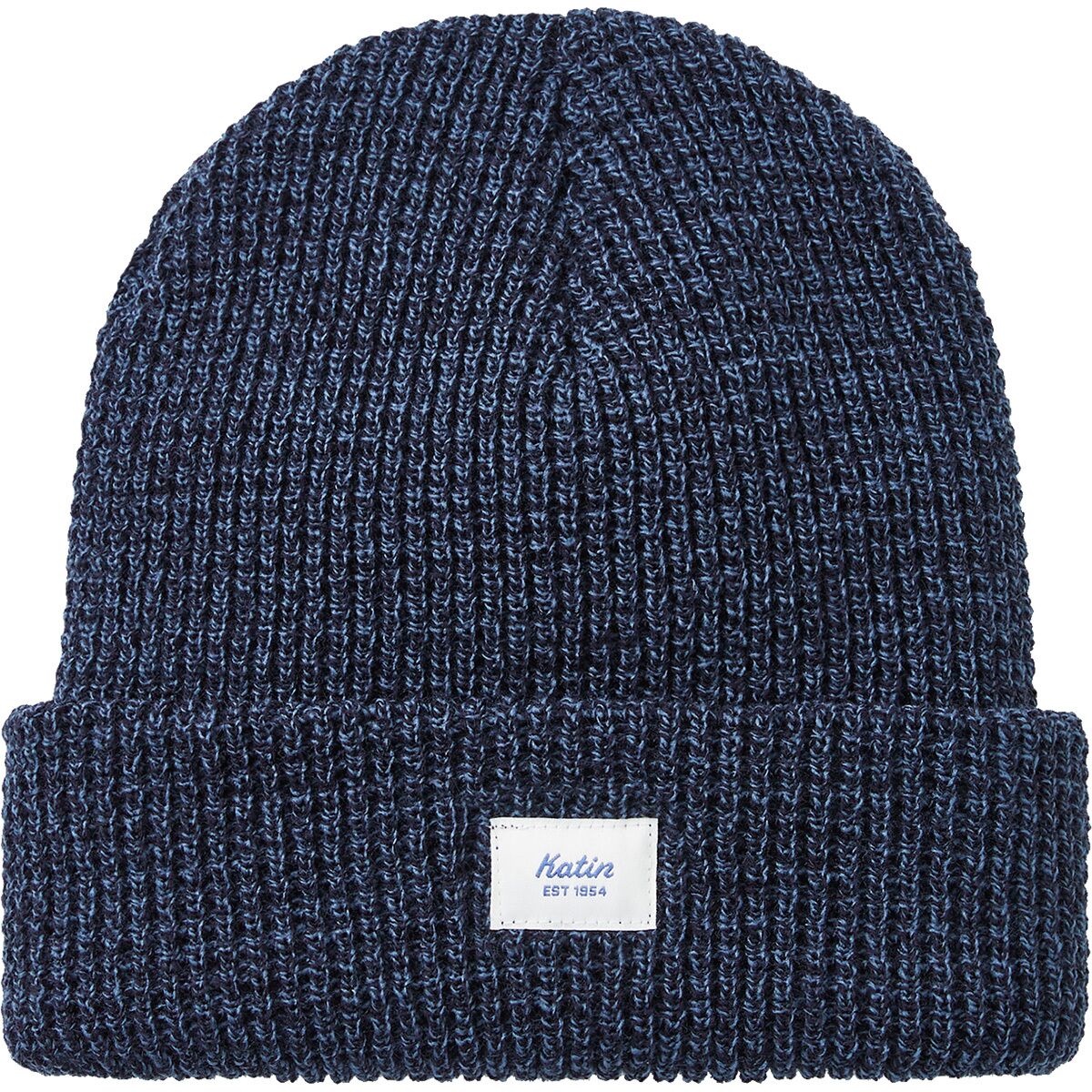
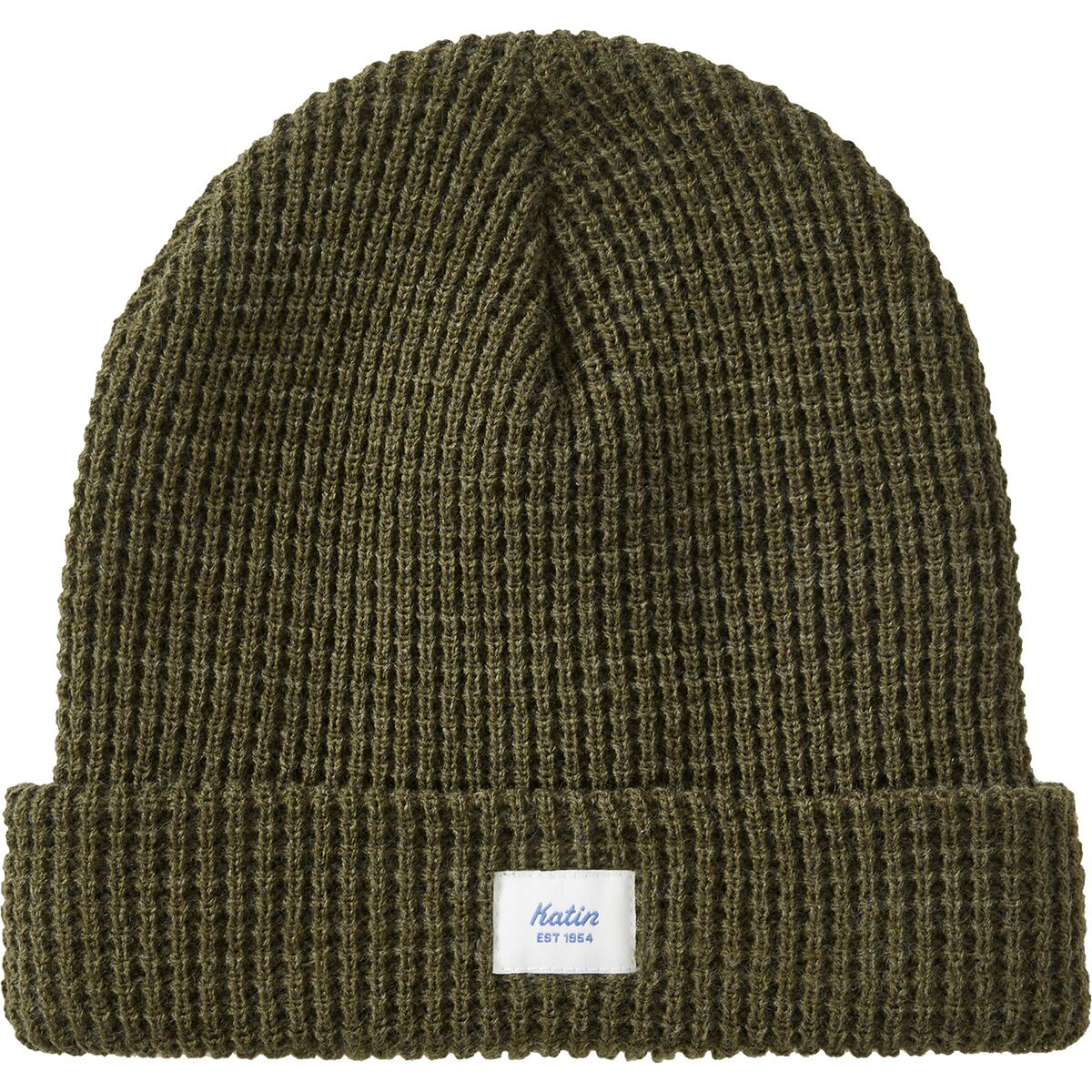
Katin
Wade Beanie
1 color
Current price: $20.30 Original price: $29.00
30% off
Winter Sale

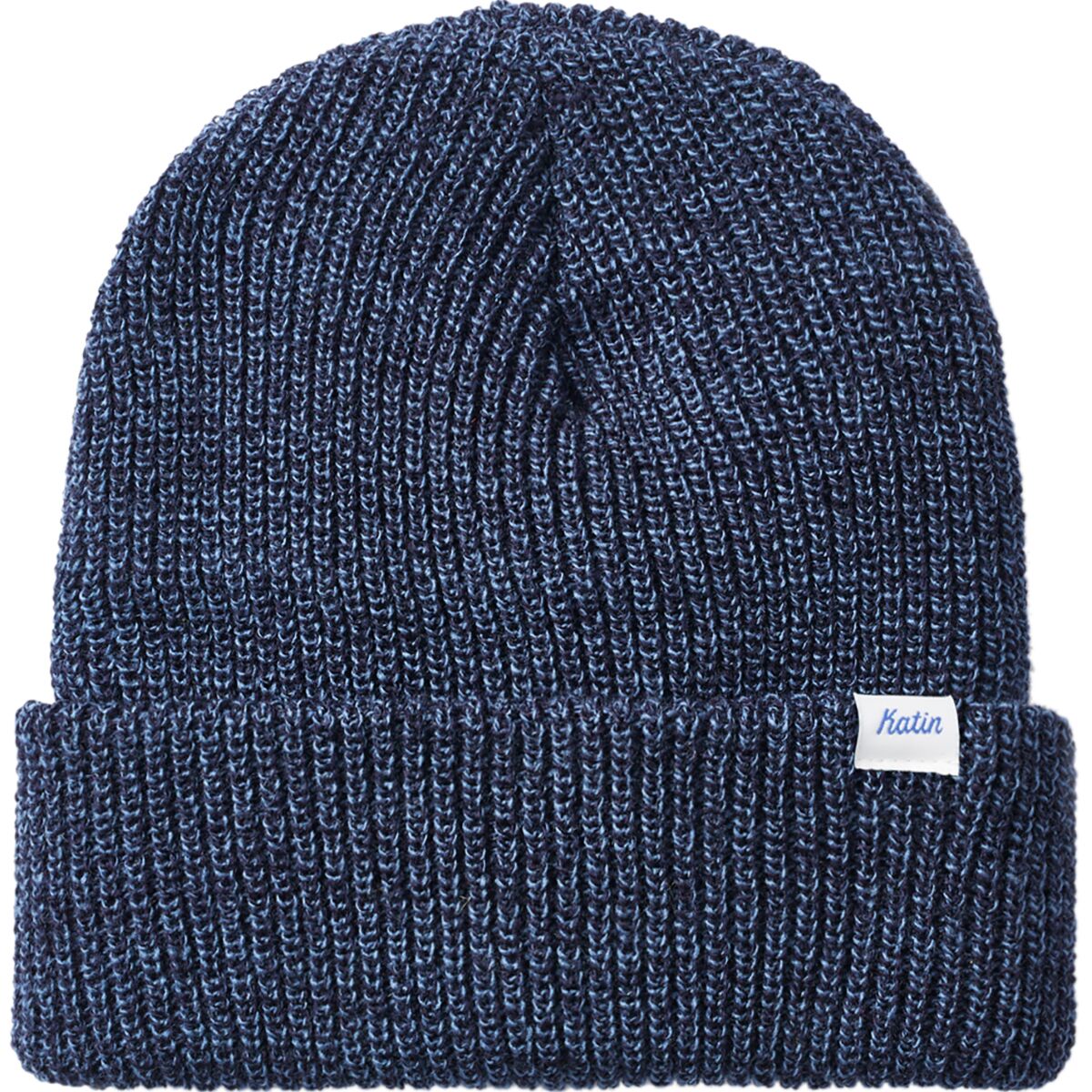
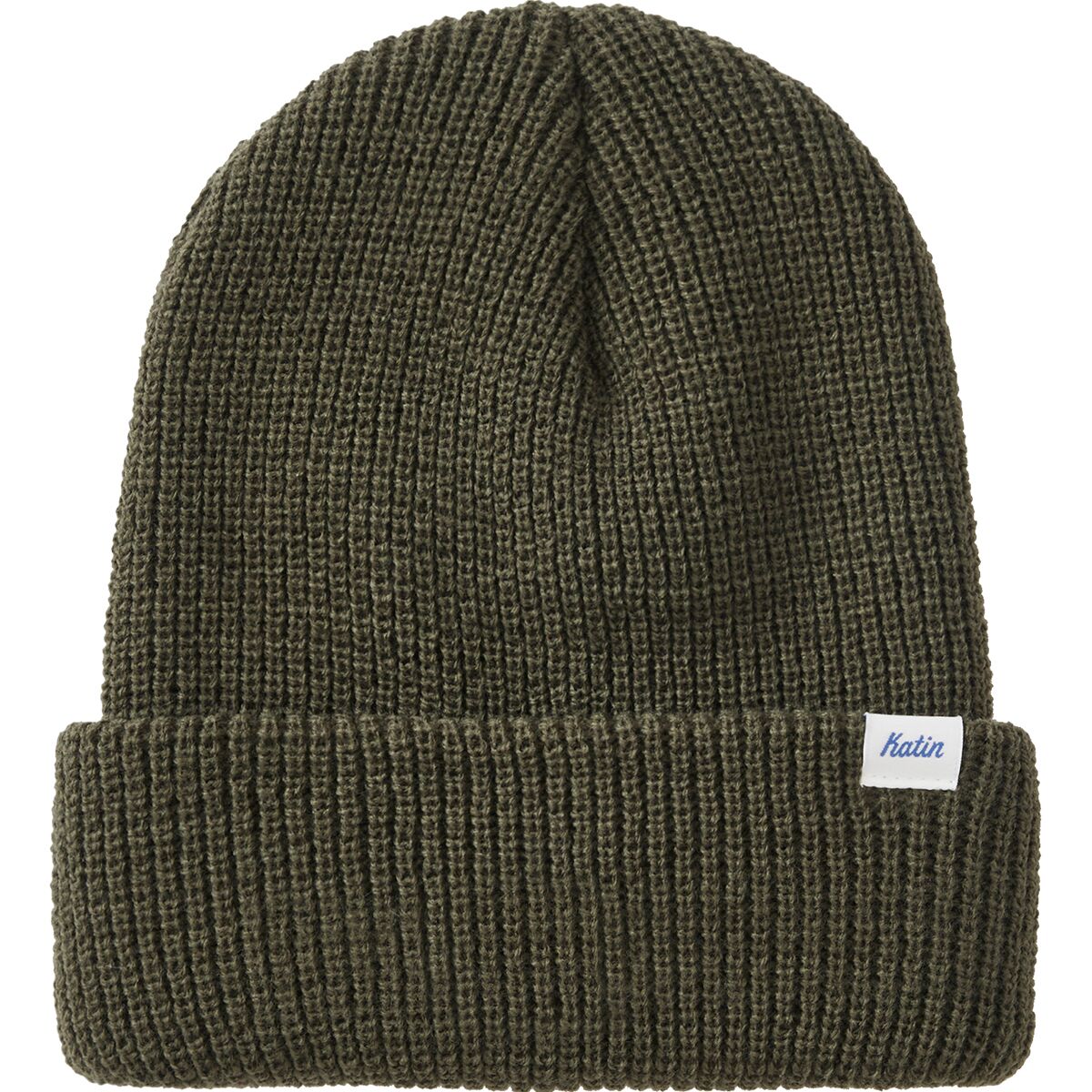
Katin
Basic Beanie
1 color
Current price: $20.30 Original price: $29.00
30% off
Winter Sale
Related Categories
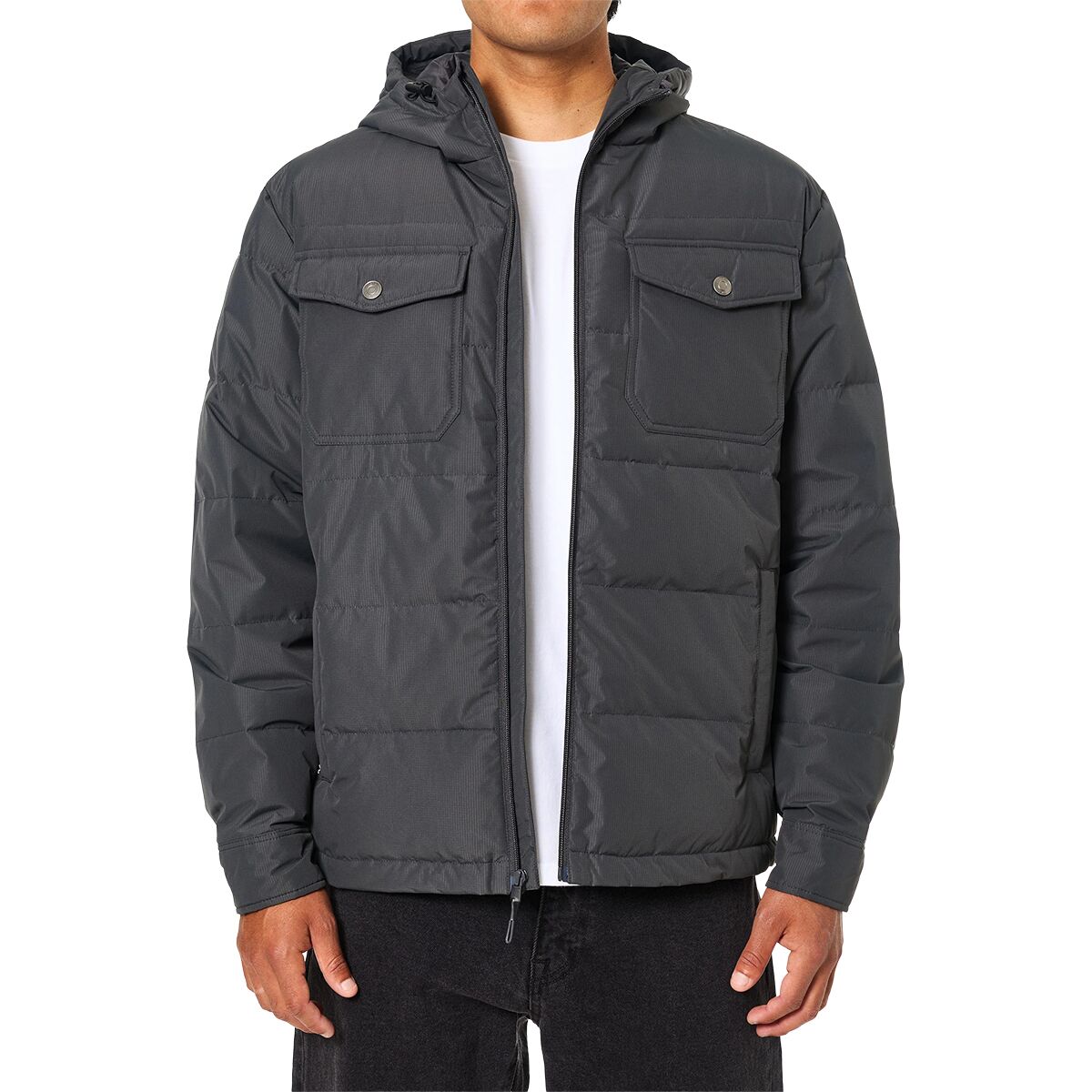

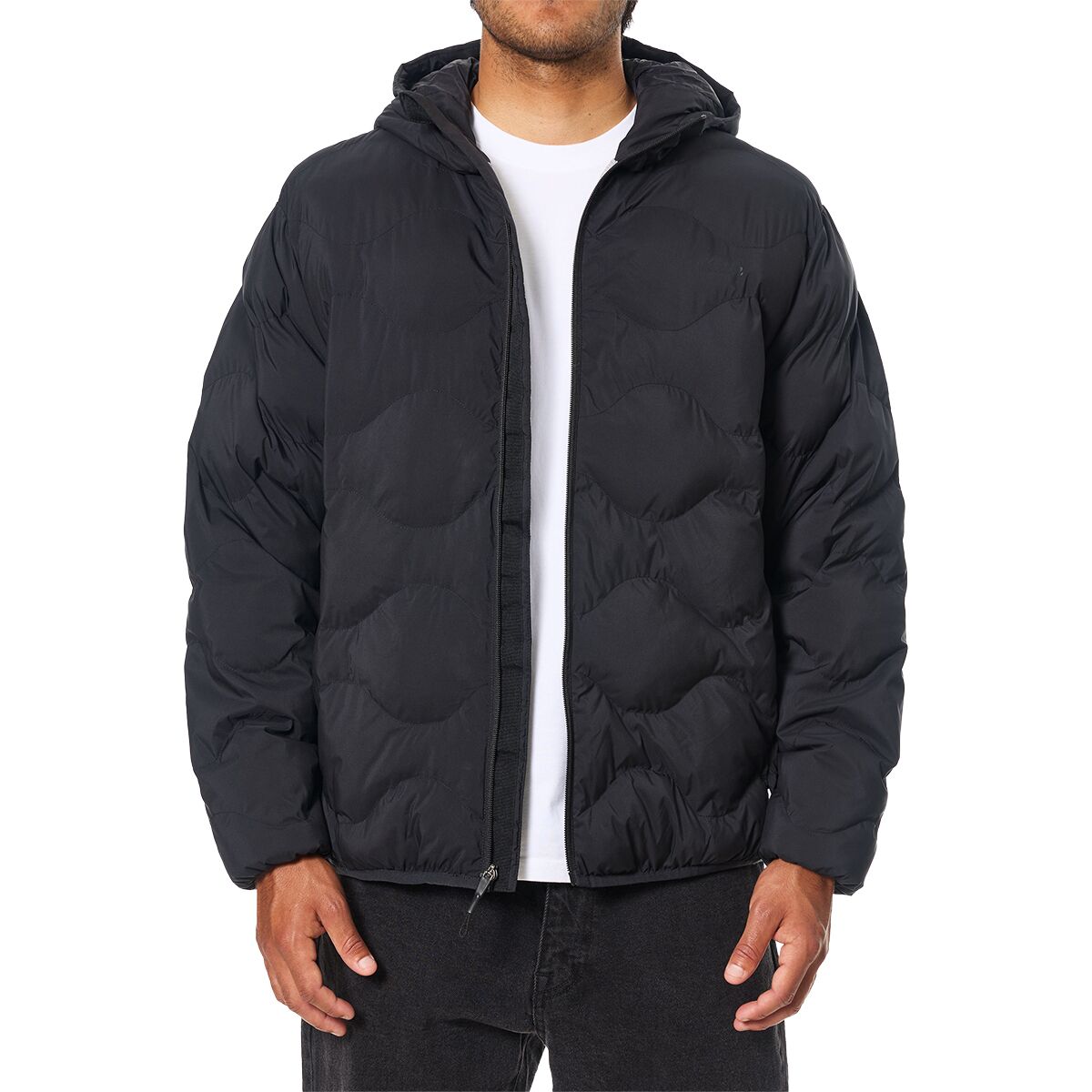
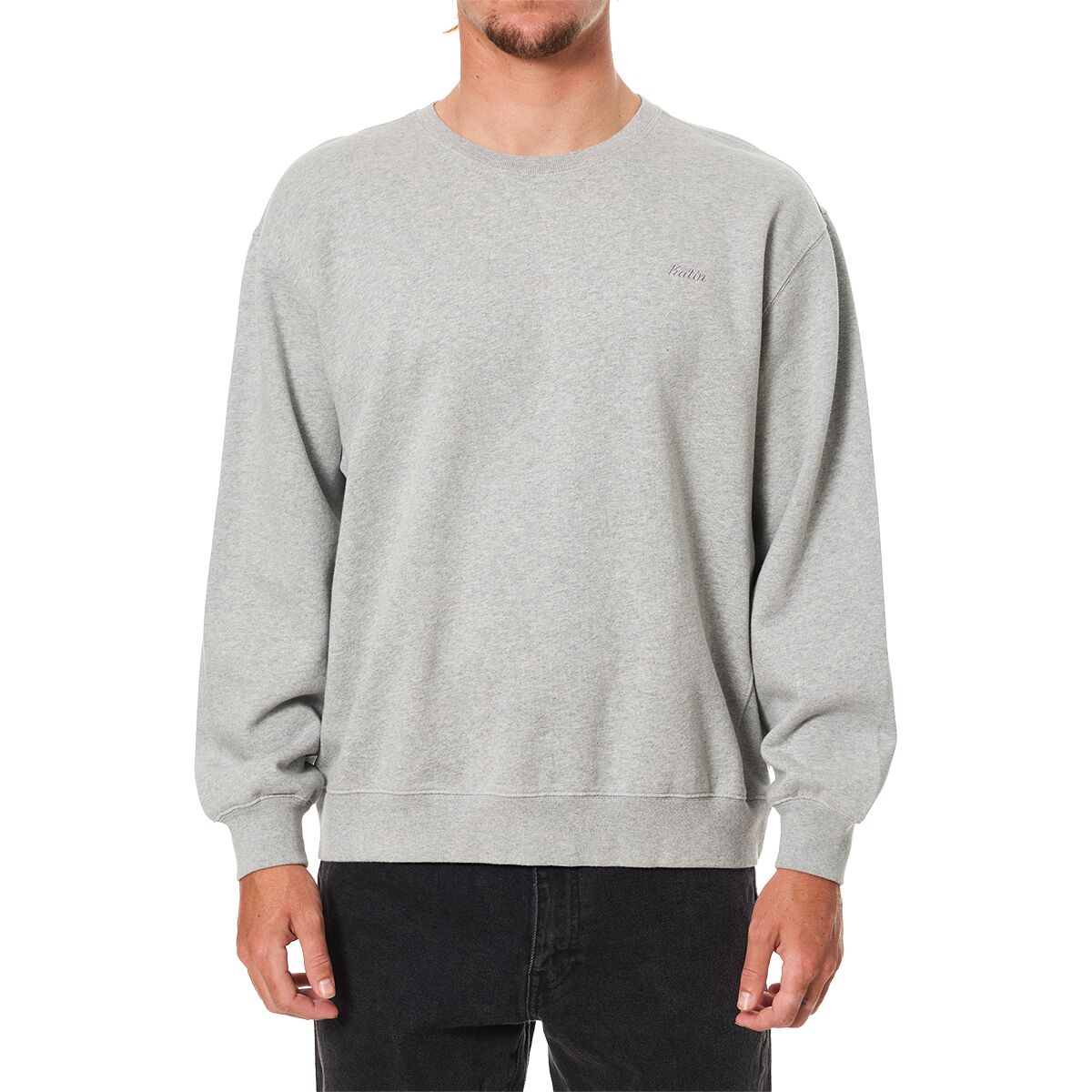
Frequently Asked Questions
What is Katin’s heritage and how does it shape their ski clothing?
Katin was founded in 1954 by Walter and Nancy Katin out of California surf culture, and that heritage informs the brand’s retro surf-inspired aesthetics, durable materials, and emphasis on crafted details. Their ski line translates canvas-born toughness and West Coast authenticity into jackets, puffies, and sherpa pieces with vintage styling and everyday durability.What materials and construction features give Katin outerwear its durability?
Katin leans on heavy-duty fabrics and reinforced stitching rooted in its canvas origins, plus premium finishes and construction meant to withstand regular use. Pieces like the Anderson Sherpa Jacket use 100% polyester sherpa for softness and insulation while maintaining robust seams and hardware for long-term wear.Is the Anderson Sherpa Jacket suitable for skiing and cold-weather activity?
The Anderson Sherpa Jacket provides cozy insulation and a soft fleece feel that’s great for cold resort days and casual on-mountain wear, and its roomy cut allows easy layering and mobility. It performs well for warmth and durability but pairs best with technical base/mid layers for high-output days or sustained wet conditions rather than replacing a fully seam-taped hardshell.How does Katin’s fit differ from typical alpine ski brands?
Katin uses a surfer-optimized silhouette with extra room in shoulders and torso to accommodate athletic movement and layering, so garments tend to feel more relaxed than slim alpine cuts. If you prefer a trim, race-oriented fit, expect to size accordingly or consider alpine-specific brands that target a tighter profile.Who should choose Katin over more technical alpine brands?
Choose Katin if you prioritize heritage style, rugged canvas-inspired build, and cozy sherpa warmth for resort use, apres, and everyday cold-weather wear. If your primary need is maximum waterproofing and breathability for extended backcountry or stormy alpine pursuits, technical membranes and seam-taped shells from dedicated mountaineering brands are a better match.