


Up To 20% Off Full-Price Items
Shop now
EXTRA 20% Off Clearance
Shop now | Ends 11/9
Get An EXTRA $50 Cash Back*
Summit+ exclusive
Kari Traa Hike & Camp
34 results


Kari Traa
Emilie High Waist Capri Pant - Women's
5 colors
Discount Applies In Cart | Ends 11/16
(3)

Kari Traa
Smekker Top - Women's
3 colors
Discount Applies In Cart | Ends 11/16
(1)

Kari Traa
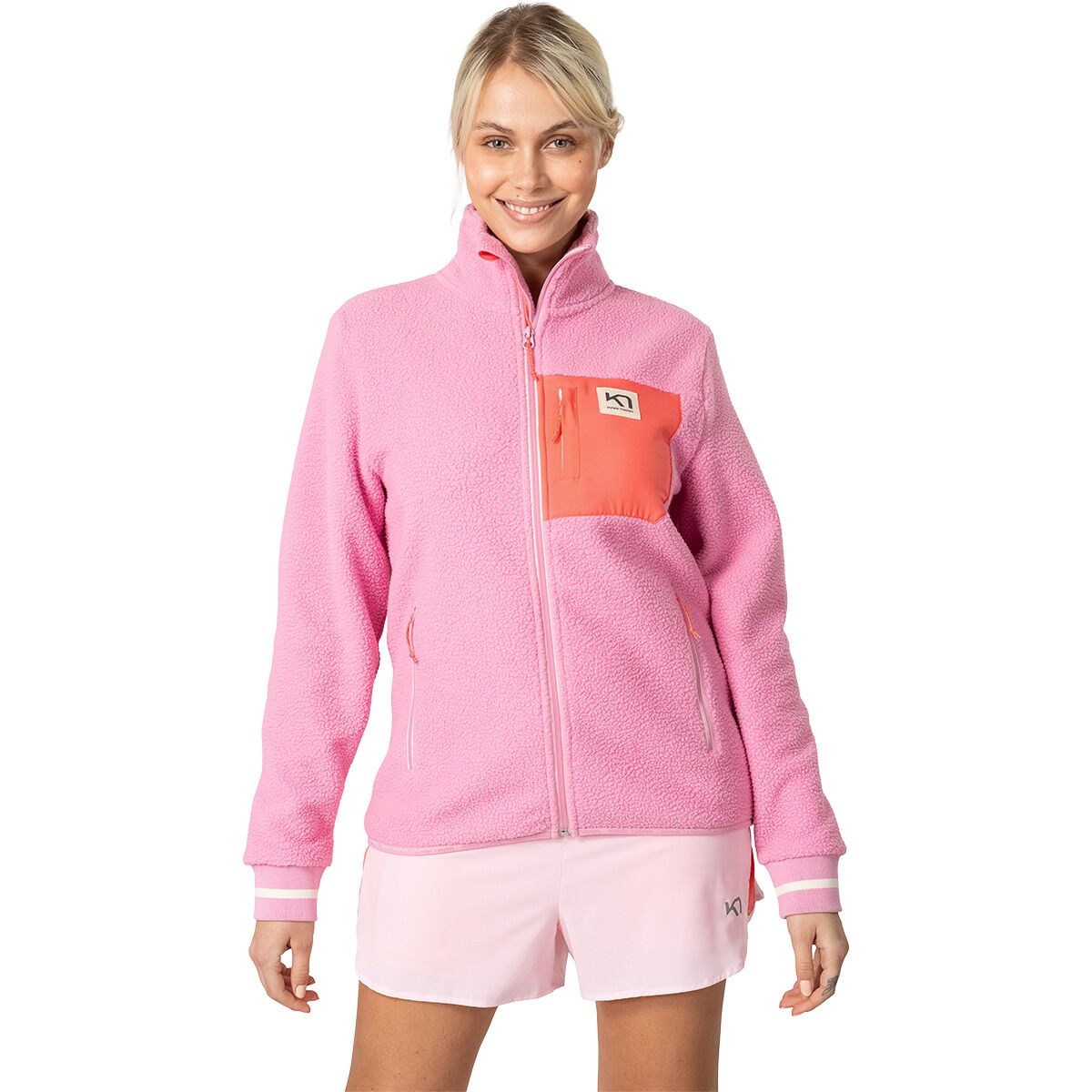
Rothe Midlayer Jacket - Women's
3 colors
Extra 20% Off Clearance | Ends 11/9
(1)

+3
Kari Traa
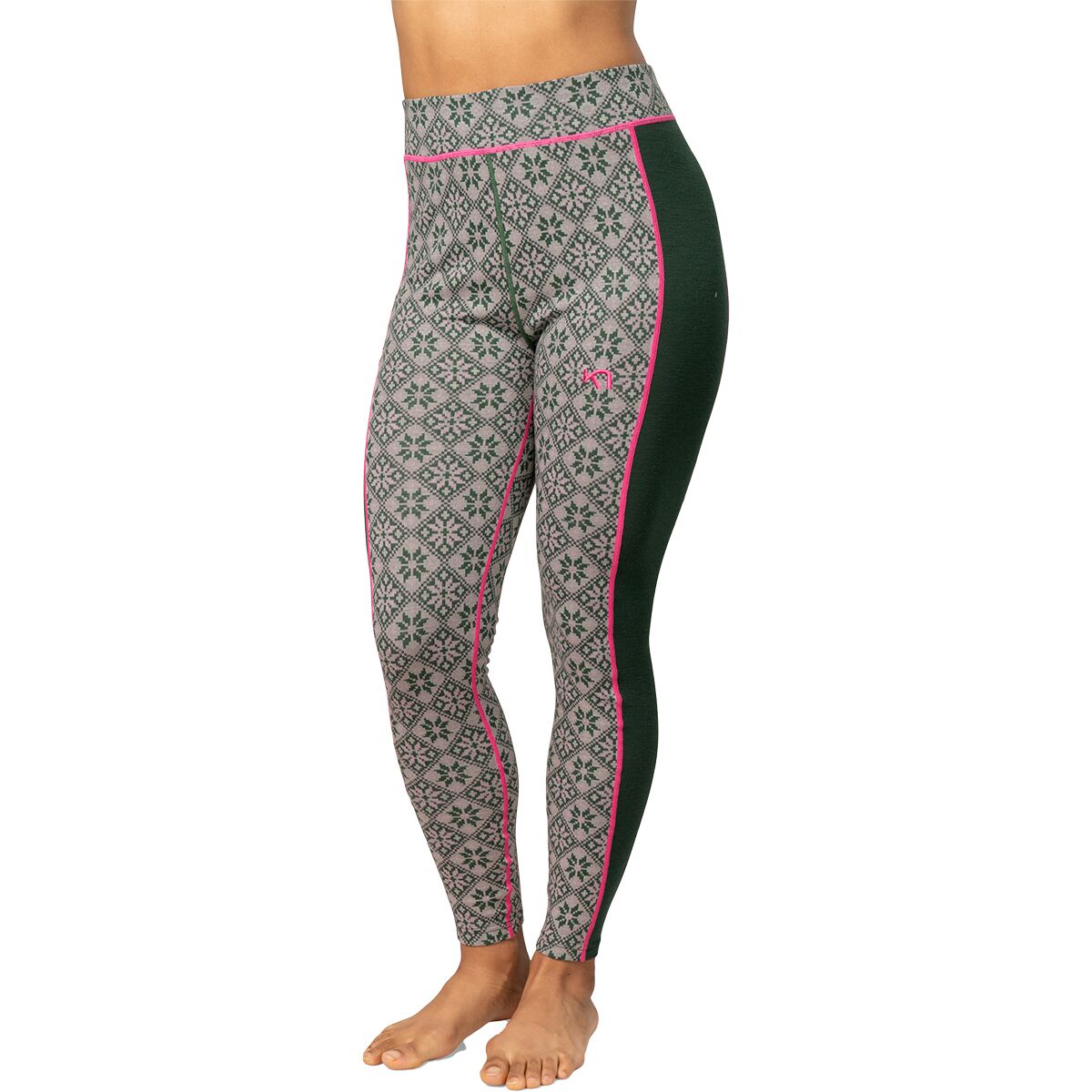
Rose High Waist Pant - Women's
7 colors
Discount Applies In Cart | Ends 11/16
(12)

Kari Traa
Rothe Midlayer Jacket - Women's
1 color
Extra 10% Off Clearance | Ends 11/09
(2)

Kari Traa
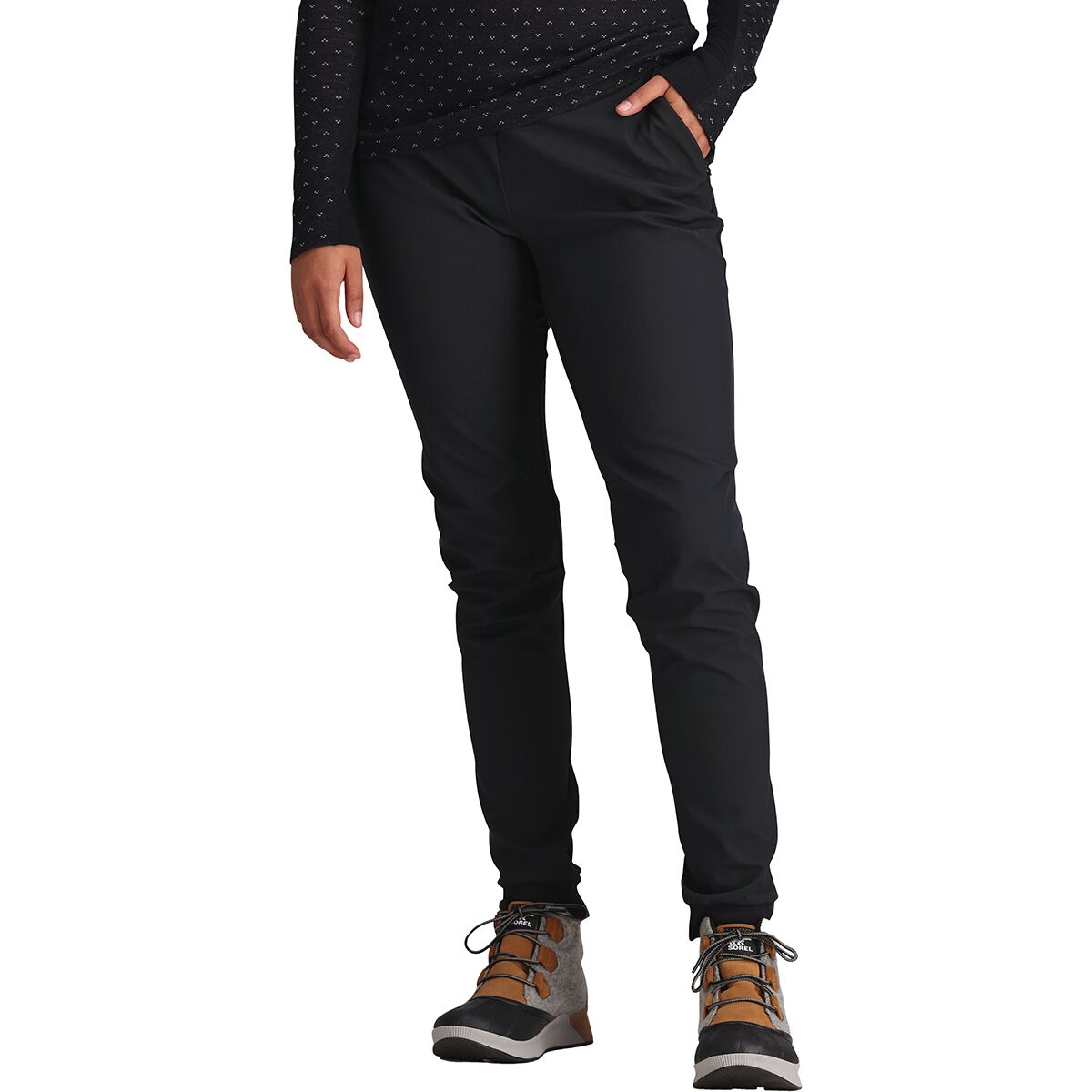
Tirill Hybrid Pant 2.0 - Women's
2 colors
Discount Applies In Cart | Ends 11/16

Kari Traa
Tirill Thermal Pant - Women's
2 colors
Discount Applies In Cart | Ends 11/16
(1)

Kari Traa
Tirill Thermal Jacket - Women's
2 colors
Discount Applies In Cart | Ends 11/16

Kari Traa
Emilie Down Jacket - Women's
3 colors
Discount Applies In Cart | Ends 11/16

Kari Traa
Evy Down Jacket - Women's
2 colors
Discount Applies In Cart | Ends 11/16

Kari Traa
Faith 1/2-Zip Baselayer - Women's
2 colors
Discount Applies In Cart | Ends 11/16
(1)

Kari Traa
Mika Full-Zip Hooded Jacket - Women's
2 colors
Discount Applies In Cart | Ends 11/16

Kari Traa
Mila Baselayer Pant - Women's
2 colors
Discount Applies In Cart | Ends 11/16

Kari Traa
Emma Midlayer Fleece Jacket - Women's
2 colors
Discount Applies In Cart | Ends 11/16

Kari Traa
Malia Long-Sleeve Baselayer - Women's
3 colors
Discount Applies In Cart | Ends 11/16
(1)

Kari Traa
Rose Long-Sleeve Crew Top - Women's
1 color
Extra 20% Off Clearance | Ends 11/9

Kari Traa
Sanne Sunshirt - Women's
2 colors
Extra 10% Off Clearance | Ends 11/09
(2)

Kari Traa
Nia Vest - Women's
2 colors
Discount Applies In Cart | Ends 11/16

Kari Traa
Nora Long-Sleeve Shirt - Women's
1 color
Winter Sale
(1)

Kari Traa
Luna Jacket - Women's
3 colors
Extra 10% Off Clearance | Ends 11/09

Kari Traa
Klara High Waisted Pant - Women's
1 color
Winter Sale
(1)

Kari Traa
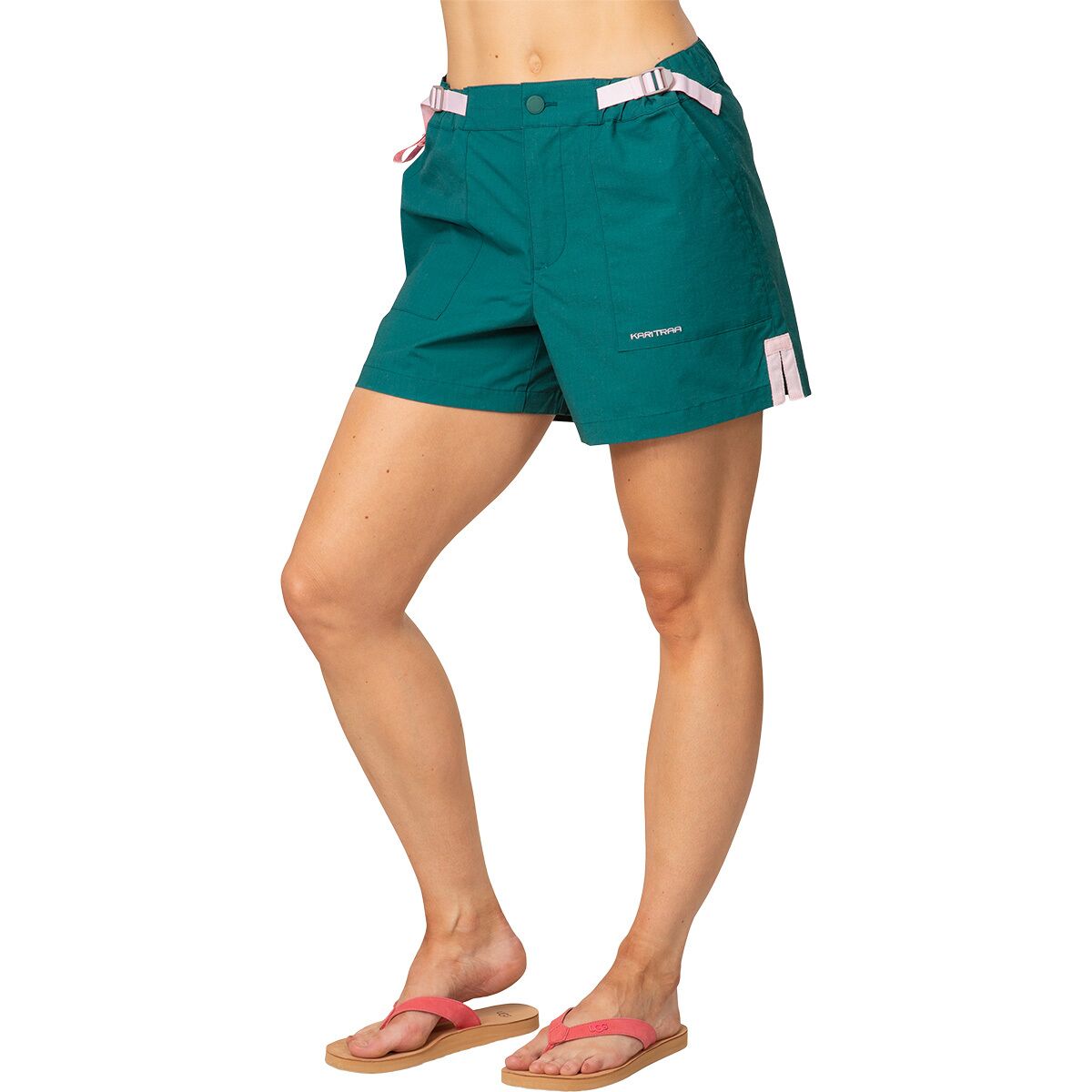
Ane Bermuda Short - Women's
3 colors
Extra 10% Off Clearance | Ends 11/09

Kari Traa
Nora Short - Women's
1 color
Winter Sale

Kari Traa
Linnea Sports Top - Women's
3 colors
Winter Sale

Kari Traa
Nia Jacket - Women's
2 colors
Discount Applies In Cart | Ends 11/16

Kari Traa
Linnea T-Shirt - Women's
3 colors
Extra 10% Off Clearance | Ends 11/09

Kari Traa
Embla Wool T-Shirt - Women's
1 color
Winter Sale

Kari Traa
Henni 5in Short - Women's
1 color
Winter Sale

Kari Traa
Ane Short - Women's
1 color
Extra 10% Off Clearance | Ends 11/09

Kari Traa
Ane Cargo Short - Women's
1 color
Winter Sale

Kari Traa
Voss Pant - Women's
1 color
Winter Sale
(2)

Kari Traa
Vilde Short - Women's
1 color
Winter Sale

Kari Traa
Ane Short - Women's
1 color
Winter Sale

Kari Traa
Rose Hooded Top - Women's
1 color
Discount Applies In Cart | Ends 11/16
Related Categories
Frequently Asked Questions
How do Kari Traa merino base layers like the Rose Top and Tikse Top differ in warmth and intended use?
The Rose Top is designed with heavier panels (about 240gsm core and 210gsm sides) for cold, low‑intensity winter activities and overnight camping, while the Tikse Top is a lightweight, highly breathable option built for high‑output hikes and variable temperatures. Both use 19.5‑micron merino for softness, temperature regulation, and natural odor control, so pick Rose for insulation and Tikse for ventilation and moisture‑management.What fit should I choose for Kari Traa bottoms like the Floke Bottoms and Eloise Pant for hiking and layering?
Kari Traa bottoms tend to run slim to neutral with high waists for a secure, no‑roll fit under outerwear; choose a close, movement‑friendly fit for technical hiking and a slightly roomier size if you plan multiple insulating layers or want less bunching under a pack. Check the specific product size chart—Floke and Eloise are tailored for women’s movement, so sizing decisions should factor in how you layer and your preferred range of motion.How does the Hege F/Z Fleece compare to the Silja midlayer for cold‑weather camping and ski touring?
The Hege F/Z Fleece is a technical full‑zip midlayer focused on breathability and mobility for active days or layered systems, whereas the Silja is a heavier knit midlayer that offers more standalone insulation for low‑output cold conditions. Choose Hege for high‑output ski touring or as a versatile midlayer under a shell, and Silja when you need extra warmth around camp or on relaxed winter outings.What materials and construction features give Kari Traa pieces temperature regulation and odor resistance?
Most tops use superfine 19.5‑micron merino—either 100% or blended with lyocell/Lenzing—which provides moisture wicking, breathability, natural odor resistance, and comfortable next‑to‑skin feel. Construction details like jacquard knit panels (4‑way stretch), flatlock seams, strategic ventilation panels, and no underarm seams enhance airflow, fit, and durability during sustained activity.Which Kari Traa weights (gsm) and styles should I pick for winter hiking, high‑output treks, and overnight camping?
For cold, low‑intensity winter hiking or overnight camping choose heavyweight pieces (235+ gsm) such as Rose or Silja; midweight options (190–230 gsm) are the most versatile for cooler temps and mixed‑effort days; lightweight styles like Tikse are best for aerobic, sweat‑prone treks where quick drying and ventilation matter. Also match the garment’s fit to your layering plan—close for unrestricted movement, roomier for extra base or mid layers—and consult the product page for exact gsm and construction details.