


20% Off Full-Price Items
Shop now
EXTRA 20% Off Clearance
Shop now | Ends 11/9
Get An EXTRA $50 Cash Back*
Summit+ exclusive
Jones Snowboards Snowshoe
1 result

Jones Snowboards
Talon Splitboard Poles
1 color
$159.95
Discount Applies In Cart | Ends 11/16
(2)
Related Categories
 Jones Snowboards Splitboard Skins
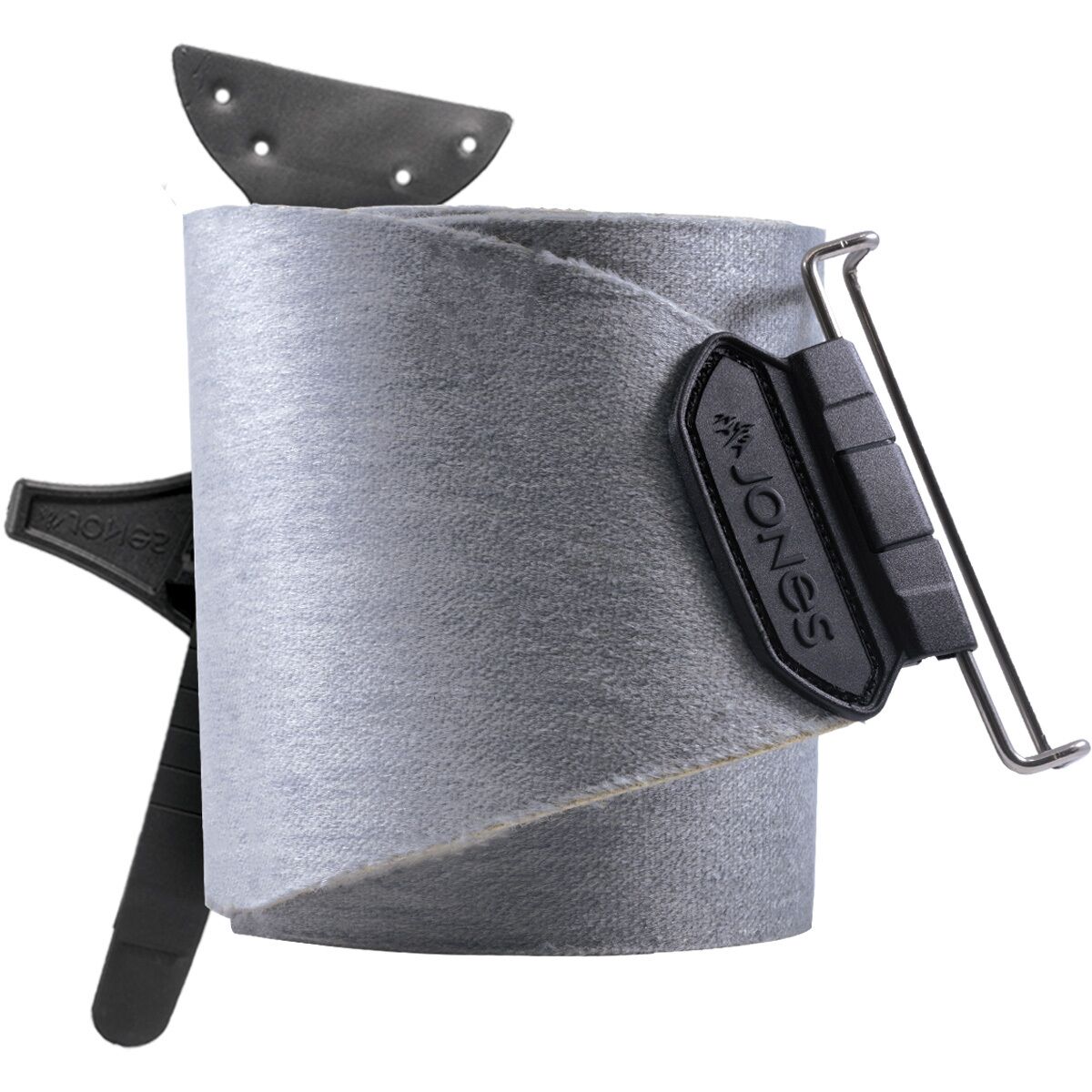 Jones Snowboards Climbing Skins
 Jones Snowboards Splitboards
 Jones Snowboards Snowboards
 Jones Snowboards Snowboard Bindings
 Jones Snowboards Mens Snowboard Clothing
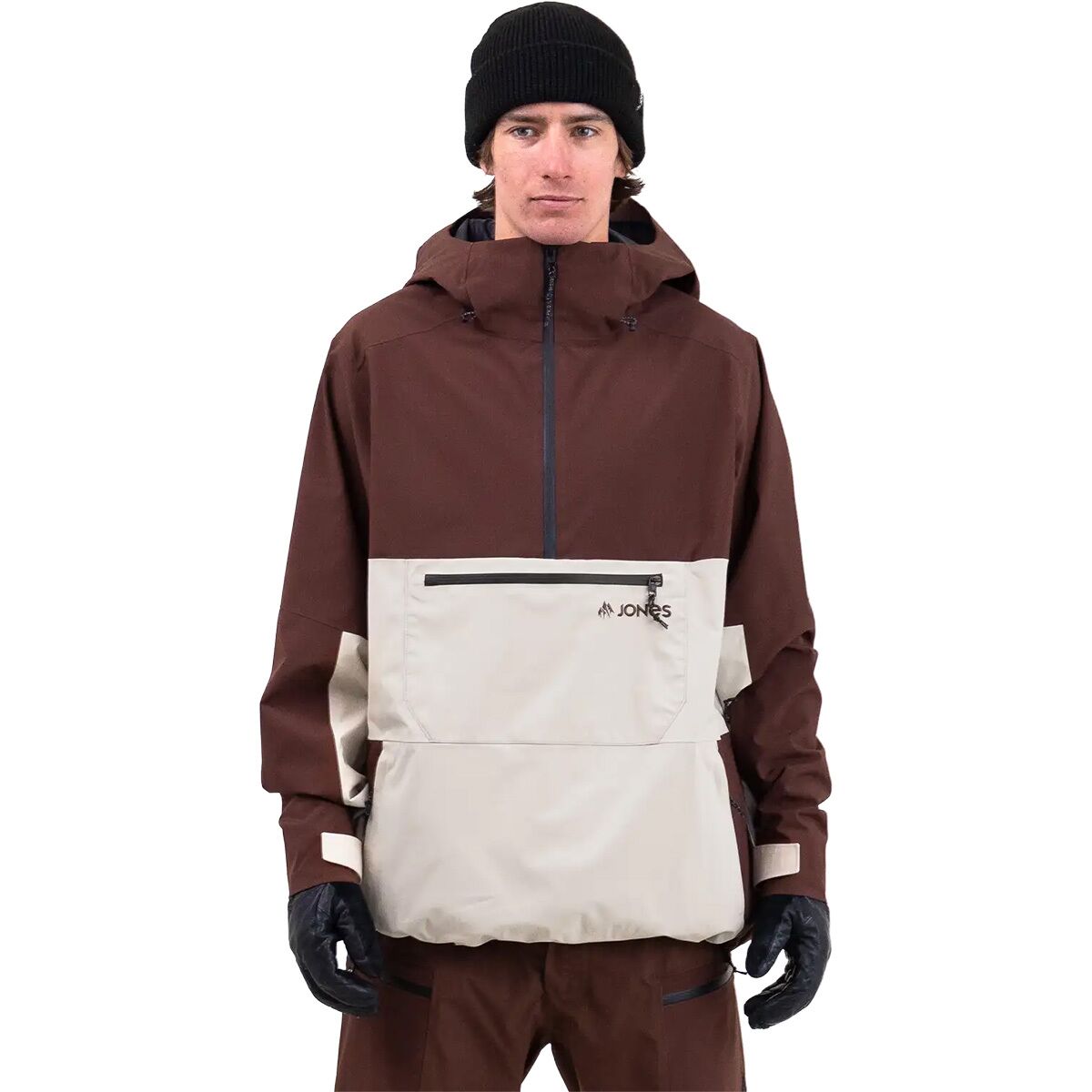 Jones Snowboards Mens Ski Snowboard Jackets
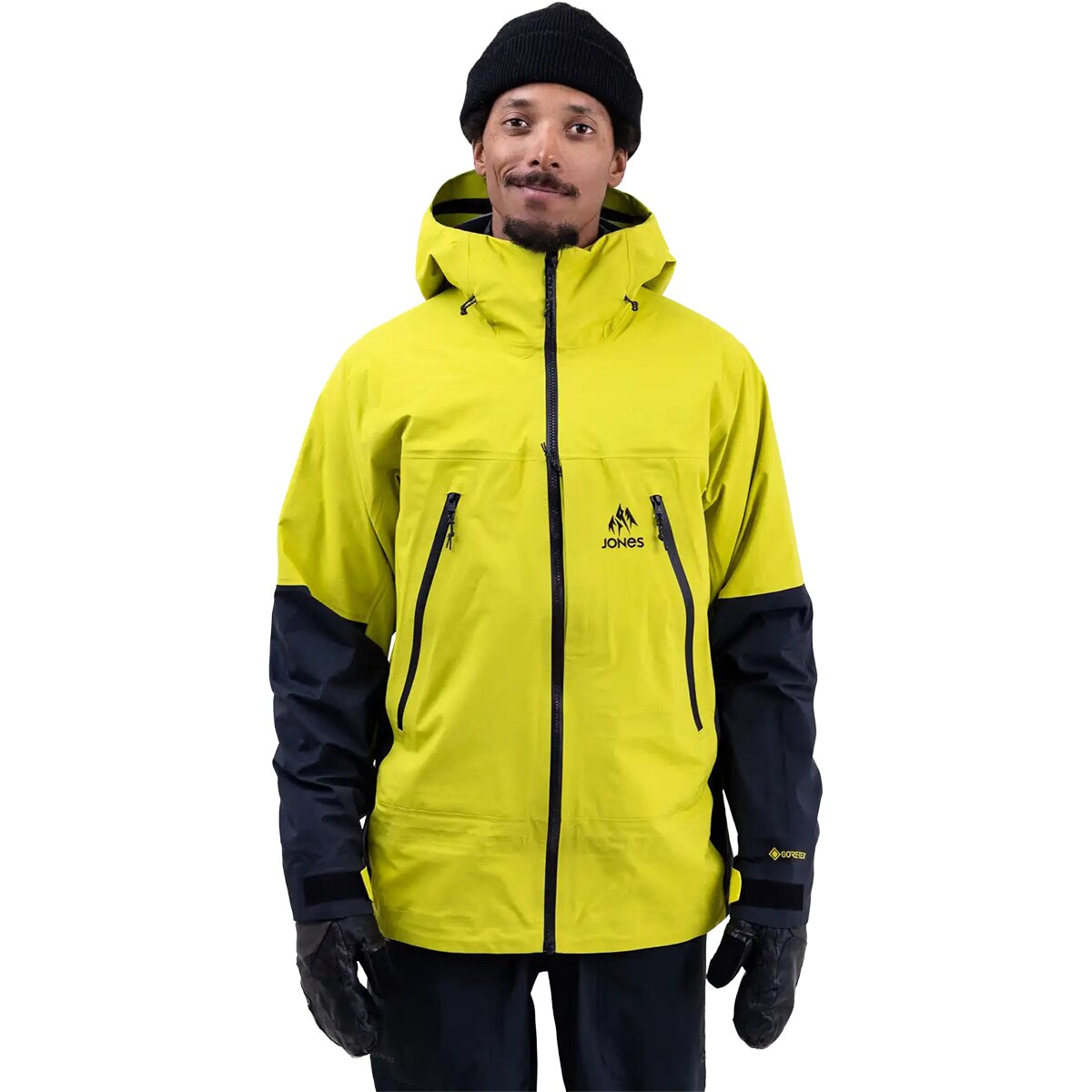 Jones Snowboards Mens Snowboard Jackets
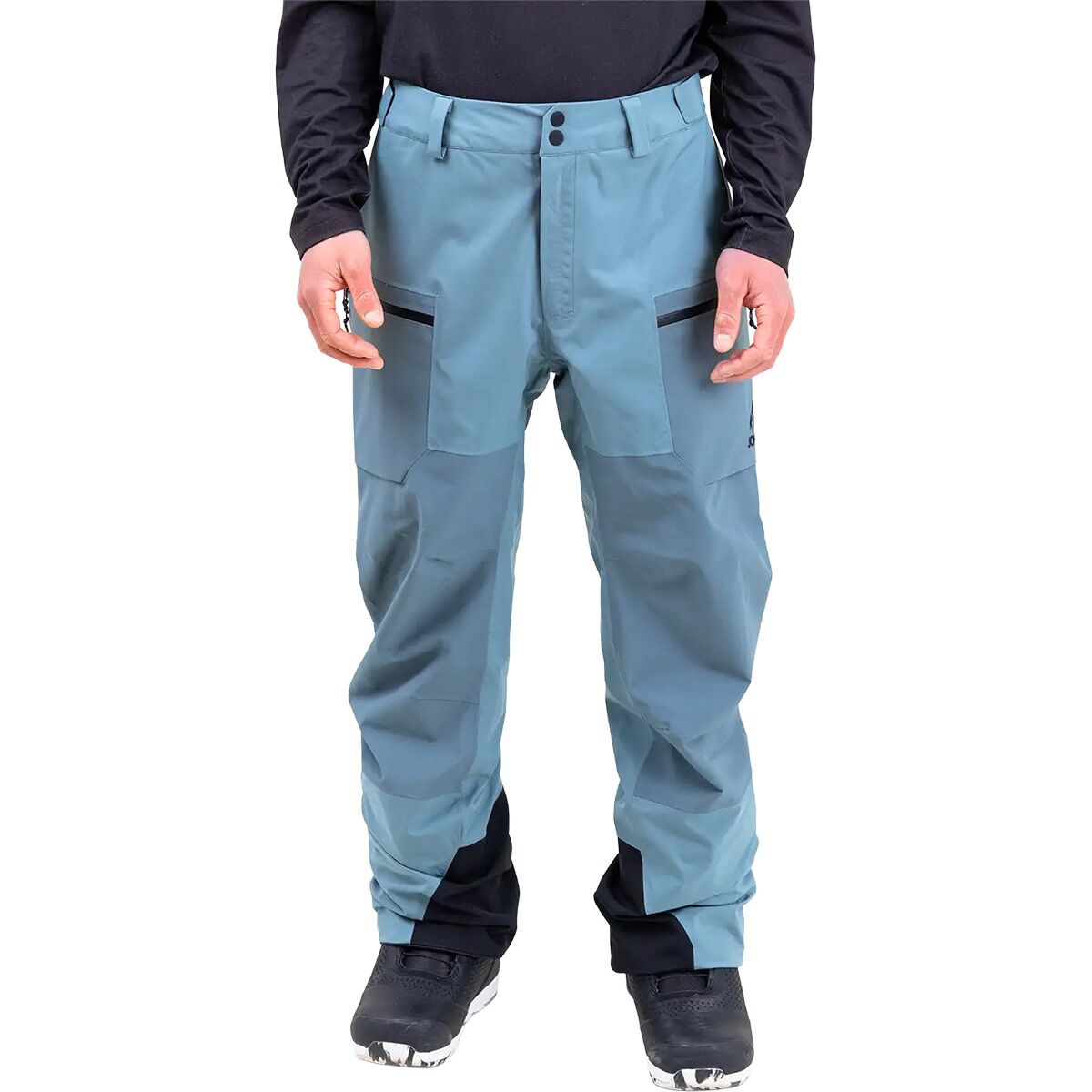 Jones Snowboards Mens Ski Snowboard Pants
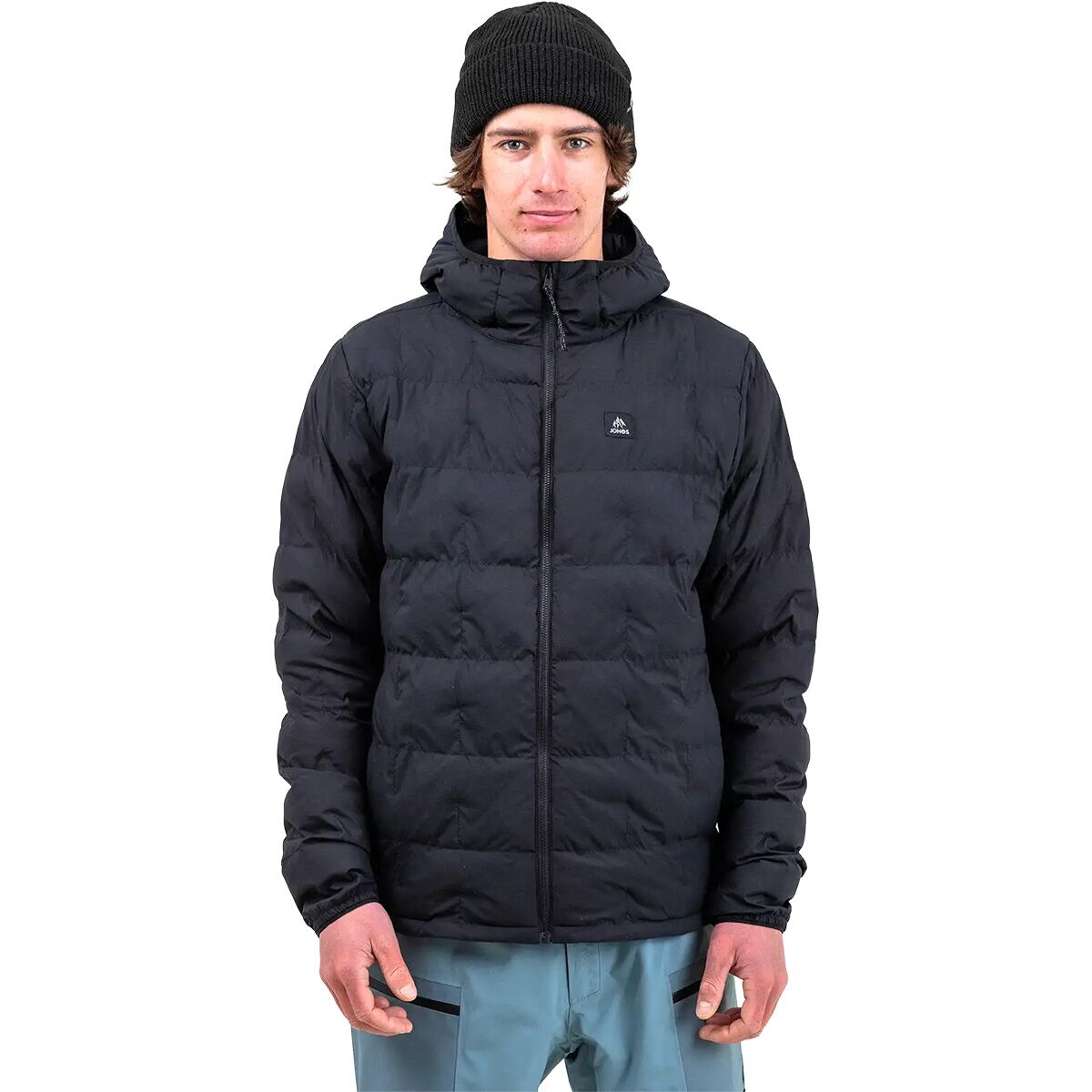 Jones Snowboards Mens Insulated Jackets
Frequently Asked Questions
Do Jones make snowshoes?
Jones Snowboards is primarily known for snowboards, splitboards, bindings and outerwear and does not have a widely distributed dedicated snowshoe lineup; if you’re searching for snowshoes, look to specialist snowshoe brands that focus on frame materials, flotation sizing, and crampon systems. For riders who want a backcountry feel, prioritize lightweight frames, aggressive traction, and bindings that fit mountaineering-style boots.What should I look for in a backcountry snowshoe?
Prioritize flotation (size matched to your body weight plus pack), a durable deck material and frame (aluminum or reinforced composite), and an aggressive traction system with steel crampons or teeth under the toe and heel. Also choose a binding that securely fits your boot sole and offers a pivoting toe and a heel lift for steep climbs to reduce calf fatigue.How do backcountry snowshoes compare to recreational/fitness snowshoes?
Backcountry snowshoes are built for technical terrain with stronger frames, larger steel crampons, heel lifts, and more secure bindings for boots and gaiters, while recreational/fitness models emphasize simplicity, lighter traction, and lower cost for packed trails and flat routes. Choose backcountry designs for steep, icy, or variable snow and recreational designs for casual trail use and easy access paths.How do I choose the right snowshoe size for my weight and terrain?
Use a manufacturer sizing chart that accounts for your body weight plus typical pack weight; larger surface area gives more flotation in deep, soft snow while smaller profiles track better and are more maneuverable on packed or technical terrain. If you split time between heavy packs/powder and firm trails, consider a mid‑range size or two pairs tuned to each condition.Can I use snowshoes with mountaineering boots or splitboard gear?
Many snowshoe bindings are designed to accept stiff mountaineering or insulated alpine boots—check that the binding toe and heel clamps accommodate your sole profile and crampon overlap. Snowshoes are not interchangeable with splitboard bindings; if you plan mixed uphill travel, look for snowshoes with boot compatibility and robust crampons plus a gaiter option for deep snow.