


Up To 20% Off Full-Price Items
Shop now
EXTRA 20% Off Clearance
Shop now | Ends 11/9
Get An EXTRA $50 Cash Back*
Summit+ exclusive
Innovations Bike
1 result


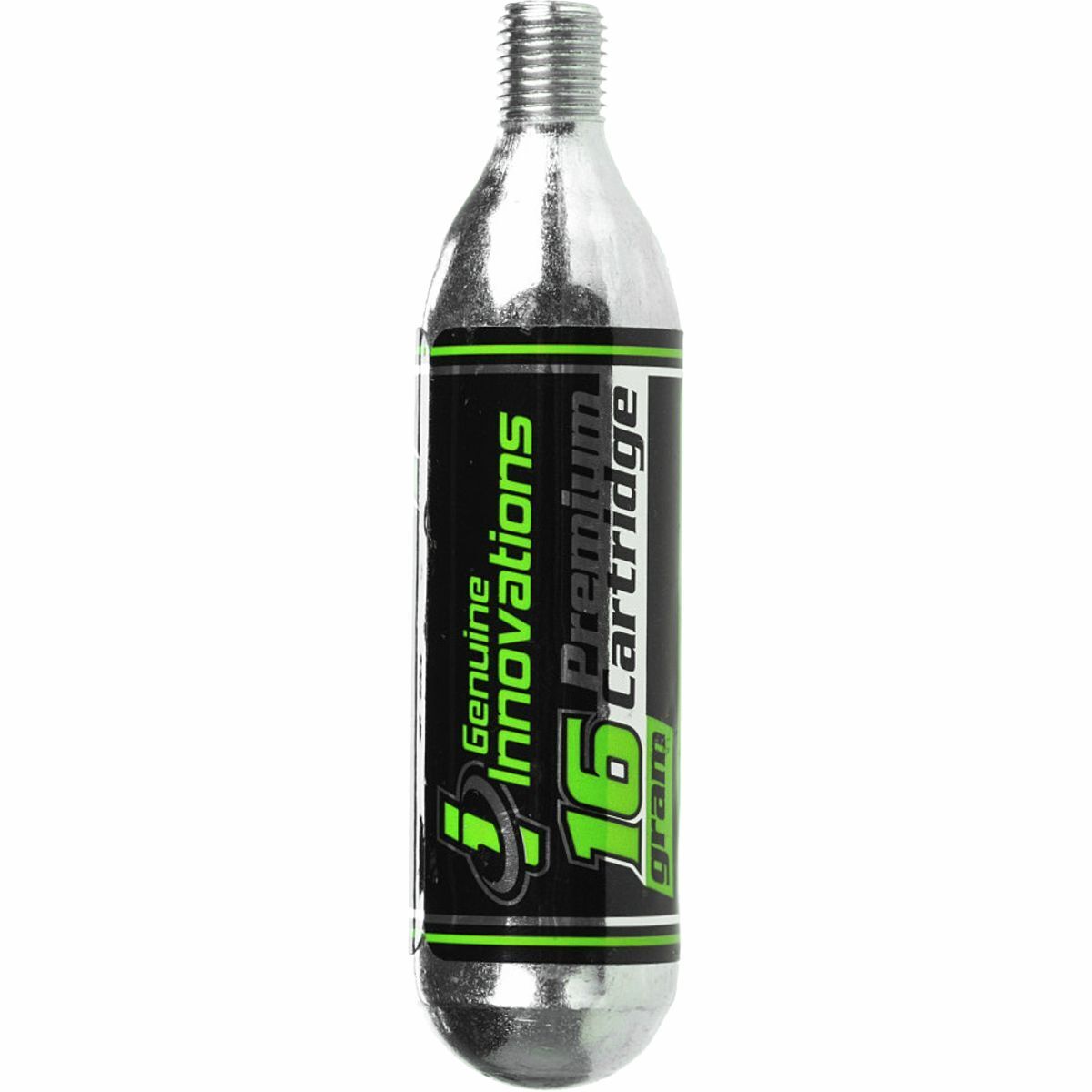
Innovations
CO2 Refill
1 color
$4.99 - $6.39
Discount Applies In Cart | Ends 11/16
(1)
Related Categories
Frequently Asked Questions
What tire features matter most when choosing tubeless gravel tires and how does self-sealing rubber help?
Look for tubeless-ready casing, claimed maximum tire width (many modern gravel frames clear 35–45 mm), and a robust bead-to-rim interface; lower-pressure tolerance and a higher TPI casing improve comfort and traction. Self-sealing (sealant-compatible) compounds and reinforced puncture layers reduce flats by sealing small cuts on the fly, letting you run lower PSI for better grip without dramatically increasing puncture risk.How does SRAM AXS wireless electronic shifting compare to Shimano Di2 for road and gravel use?
SRAM AXS is fully wireless and was designed around seamless 1x and 12-speed systems with easy installation and the AXS app for customization, making it popular for gravel riders who favor simplicity and wide-range gearing. Shimano Di2 is traditionally wired (with some wireless accessories), offers very crisp, fast shifts and broad 2x compatibility, and is often chosen for riders who prioritize established ergonomics and multi-chainring setups; compatibility with cassettes, chainlines, and shifters should guide your choice.How can I tell if an innovative carbon frame will fit wide tires or support bikepacking gear?
Check the manufacturer’s stated maximum tire clearance in millimeters or tire sizes (e.g., up to 45 mm), along with fork clearance and brake caliper spacing (disc-mount standards matter). Also verify frame mounts for racks/fenders, axle standards (thru-axle size), and geometry (reach and stack) to ensure the frame suits loaded riding positions and any intended wide rubber.Who benefits most from auto-adjusting suspension systems such as RockShox Flight Attendant versus a traditional manually tuned fork/shock?
Auto-adjusting systems like RockShox Flight Attendant use sensors to switch damping profiles in real time, which benefits cross-country and trail riders who ride mixed terrain and want optimal performance without constant remote toggling. Riders who demand the last bit of tunability for aggressive enduro or downhill lines may still prefer manually tuned systems, since autos add complexity, battery needs, and weight trade-offs.