


20% Off Full-Price Items
Shop now
EXTRA 20% Off Clearance
Shop now | Ends 11/9
Get An EXTRA $50 Cash Back*
Summit+ exclusive
Icebreaker Training
37 results

+6
Icebreaker
Merino 150 Tech Lite T-Shirt - Men's
10 colors
Winter Sale
(16)

+2
Icebreaker
Siren Bra - Women's
6 colors
(182)

+3
Icebreaker
Merino 150 Tech Lite III Short-Sleeve T-Shirt - Women's
7 colors
Winter Sale
(9)

Icebreaker
Merino 150 Tech Lite Mountain Shift Relaxed Shirt - Women's
1 color
Extra 20% Off Clearance | Ends 11/9

Icebreaker
Merino 150 Tech Lite Bear Tour T-Shirt - Men's
3 colors
(3)

Icebreaker
Merino 125 Cool-Lite Sphere III Long-Sleeve T-Shirt- Women's
4 colors
(3)

Icebreaker
Merino 125 Cool-Lite Sprite Racerback Bra - Women's
3 colors
(36)


Icebreaker
Merino 150 Tech Lite Forest Footsteps T-Shirt - Men's
2 colors
(4)

Icebreaker
Merino 260 Fastray II 25in High Rise Tight - Women's
2 colors
(2)

Icebreaker
Merino 125 Cool-Lite Sphere Across the Peaks T-Shirt - Men's
1 color
Winter Sale
(5)

+3
Icebreaker
Siren Tank Top - Women's
7 colors
(4)

Icebreaker
Merino Run+ Ultralight Crew Sock - Women's
3 colors
Sock Bundle | Buy 3 & Save 20%

Icebreaker
Merino 150 Tech Lite Great Heights T-Shirt - Men's
2 colors

Icebreaker
Merino 150 Tech Lite Getaway T-Shirt - Men's
3 colors
(1)

Icebreaker
Merino Speed Winter Tight - Men's
1 color

Icebreaker
Merino Blend 260 Seamless Rib Strappy Tank Top - Women's
2 colors

Icebreaker
Merino Blend 125 Cool-Lite Sphere Across Peaks Top - Women's
1 color
Winter Sale

Icebreaker
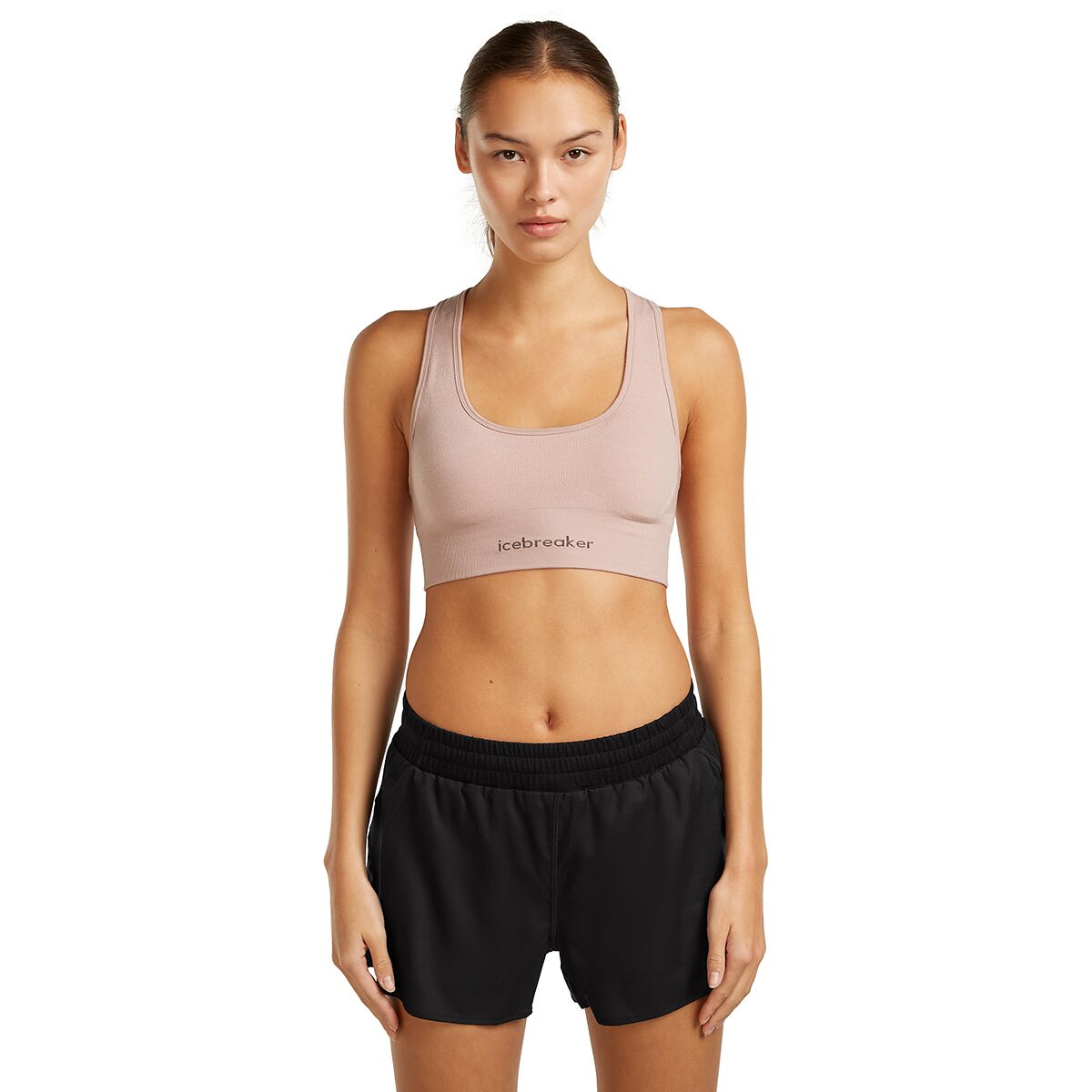
Merino Seamless Active Bra - Women's
1 color
(1)

Icebreaker
Merino 125 Cool-Lite Sphere III T-Shirt - Women's
1 color
Winter Sale

Icebreaker
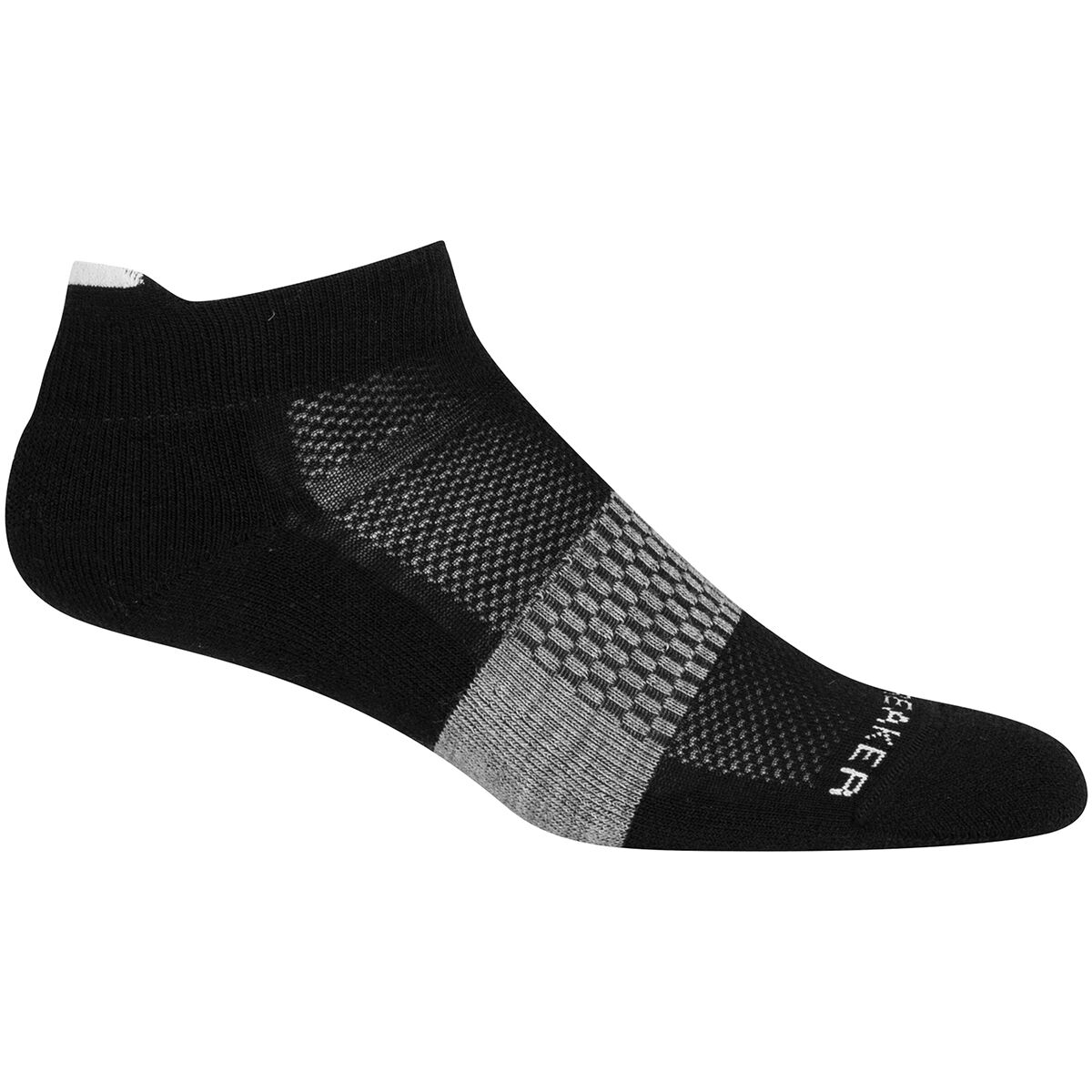
Multisport Light Micro Sock
3 colors
Sock Bundle | Buy 3 & Save 20%
(1)

Icebreaker
Merino 125 Cool-Lite Sphere Long-Sleeve T-Shirt - Men's
1 color
Extra 20% Off Clearance | Ends 11/9

Icebreaker
Merino Blend 125 Cool-Lite Speed Motion AOP T-Shirt -Men's
1 color
Winter Sale

Icebreaker
Merino Blend 260 Zoneknit Seamless Bra - Women's
1 color
(47)

Icebreaker
Merino Run+ Ultralight Micro Sock - Men's
2 colors
Sock Bundle | Buy 3 & Save 20%
(2)

Icebreaker
Merino 125 Cool-Lite Speed T-Shirt - Men's
1 color
Winter Sale
(1)

Icebreaker
Merino Seamless Active 25in Tight - Women's
1 color

Icebreaker
Merino Run+ Ultralight Mini Sock - Men's
2 colors
Sock Bundle | Buy 3 & Save 20%
(18)

Icebreaker
Multisport Light Mini Sock
2 colors
Sock Bundle | Buy 3 & Save 20%
(6)

Icebreaker
Merino Blend Rib Lotus Bra - Women's
2 colors
(23)

Icebreaker
260 Oasis Vertex High Rise Chillwave Legging - Women's
1 color

Icebreaker
Merino Run+ Ultralight Micro Sock - Women's
2 colors
Sock Bundle | Buy 3 & Save 20%
(38)

Icebreaker
Multisport Light Mini Sock - Women's
3 colors
Sock Bundle | Buy 3 & Save 20%

Icebreaker
Merino 125 Cool-Lite Sphere Colour Block T-Shirt - Men's
2 colors
(1)

Icebreaker
Merino Run+ Ultralight Crew Sock - Men's
2 colors
Sock Bundle | Buy 3 & Save 20%
(3)

Icebreaker
Multisport Light Micro Sock - Women's
2 colors
Sock Bundle | Buy 3 & Save 20%
(5)

Icebreaker
260 Oasis Vertex High Rise Alpine Geo Legging - Women's
1 color

Icebreaker
Merino Queens Clasp Bra - Women's
1 color
(8)
Related Categories

Frequently Asked Questions
What makes Icebreaker merino wool different from synthetic fabrics?
Icebreaker garments use high‑quality merino fiber, which naturally breathes, wicks moisture, resists odor buildup, and provides insulation across a wide temperature range, so you can layer rather than overbuild. Because merino is a natural protein fiber it also breaks down more readily at end of life than most synthetics, reducing persistent microplastic shedding.What kinds of products and weight ranges does Icebreaker offer for layering and activities?
Icebreaker’s core range spans lightweight Tech‑Lite pieces for high‑output activities, midweight options like the 200 Oasis for four‑season base layering, and heavier 260/merino knits for colder conditions, plus midlayers, insulating sweaters, socks, and underwear. That breadth lets you build a modular system for running, hiking, skiing, or everyday wear.How does Icebreaker address sustainability and responsible sourcing?
Icebreaker emphasizes traceability and responsible sourcing of merino wool, working with growers to improve animal welfare and environmental practices while favoring natural fibers over petrochemical alternatives. The brand also focuses on durable design to extend garment life and reduce replacement frequency.What design or knit technologies does Icebreaker use to improve fit and performance?
Icebreaker employs anatomically mapped knitting and targeted ventilation to move moisture away from key zones and reduce bulk where you need mobility, plus close‑to‑body silhouettes for effective layering. These construction choices—combined with merino’s natural thermoregulation—help garments perform across varied conditions.How should I care for merino garments to keep them performing longer?
Wash merino items in cold water on a gentle cycle with a mild detergent, avoid fabric softeners and bleach, and either reshape and air dry or tumble dry on low when the garment’s care label permits. Regular airing between wears often reduces the need for frequent washing and preserves loft, fit, and fiber life.