


20% Off Full-Price Items
Shop now
EXTRA 20% Off Clearance
Shop now | Ends 11/9
Get An EXTRA $50 Cash Back*
Summit+ exclusive
Icebreaker Climb
8 results


Icebreaker
Merino 150 Tech Lite Forest Footsteps T-Shirt - Men's
2 colors
$95.00
(4)

Icebreaker
Merino Blend 300 RealFleece Descender Zip Jacket - Women's
2 colors
$115.00 - $250.00
Up to 50% off
Winter Sale
(10)

Icebreaker
Merino 150 Tech Lite Great Heights T-Shirt - Men's
2 colors
$95.00

Icebreaker
200 Oasis Moss Bloom AOP Long-Sleeve Crewe Top - Women's
2 colors
$120.00
(2)
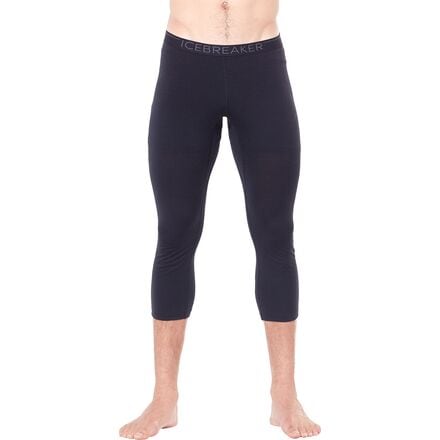
Icebreaker
200 Oasis Legless Pant - Men's
1 color
$110.00
(19)

Icebreaker
Merino 125 Cool-Lite Sphere Long-Sleeve T-Shirt - Men's
1 color
Current price: $70.00 Original price: $100.00
30% off
Extra 20% Off Clearance | Ends 11/9

Icebreaker
Merino 260 Oasis Vertex Long-Sleeve Crewe Chillwave - Men's
2 colors
$155.00

Icebreaker
Merino 260 Oasis Vertex Chillwave 1/2-Zip Top - Women's
1 color
$165.00
(1)
Related Categories

Frequently Asked Questions
Which Icebreaker merino base layers are best suited for technical ice climbing and mixed alpine routes?
For cold, wet ice and mixed climbing, prioritize midweight merino pieces (200–260gsm) that balance insulation and breathability; models like the Oasis 200 Zone, Vertex LS Zip Hoodie, and Hike Lite Crew are engineered for technical movement, moisture management, and belay coverage. Look for slim/athletic cuts, flatlock seams, and thumb loops so the layer fits under a harness and doesn’t bind during tool swings.How should I choose the right size and fit for Icebreaker base layers when planning to climb with a harness and layered shells?
Pick a slim or athletic fit that allows a full range of motion—pre-curved elbows and 4-way stretch help with tool swings—then compare your measurements to Icebreaker’s sizing chart (XS–XXL) for the best match. If you plan heavy layering or want added insulation under a shell, consider sizing up one increment, but avoid overly loose cuts that can trap moisture or bunch under a harness.How does the Oasis 200 Zone compare to the Vertex LS Zip Hoodie for belays and active climbing?
The Oasis 200 Zone emphasizes zoned ventilation and next-to-skin moisture control for high-output sections, while the Vertex LS Zip Hoodie adds a front zipper and hood for quicker venting and extra coverage during cold belays. Both use merino wool performance (often blended for durability) and feature flatlock seams and athletic cuts, so choose Oasis for breathability on steep pitches and the Vertex for more adjustable warmth at belays.Are Icebreaker merino layers durable enough to stand up to rope abrasion, crampons, and multi-pitch use?
Yes, many Icebreaker climbing pieces use merino-nylon blends, reinforced panels, and flatlock construction to resist abrasion from ropes and contact with harness hardware; look for models noting reinforced shoulder or hip panels for extra durability. While merino is naturally resilient and machine-washable, treat high‑wear areas thoughtfully (avoid sharp edges) and rotate garments if you’re frequently in abrasive conditions.What’s the best way to care for merino base layers after a multi-day climb to preserve thermoregulation and odor resistance?
Rinse or machine-wash on a cold, gentle cycle and avoid bleach and fabric softeners—these can break down wool fibers and stretch. Tumble on low or preferably line-dry to maintain loft and fit, and store dry; merino’s natural antimicrobial properties reduce odor between washes, helping performance on multi-day objectives.