


Black Friday Is Here
Shop up to 70% off
20% Off Full-Price Items
Shop now
Fleece From $39
Daily deal! Shop now
Head USA Ski
45 results
New Arrival

Head USA
Souphead SLR 2 Jr Ski w/ SLR 4.5 Binding - 2025 - Kids'
1 color
Black Friday Sale | Limited Time Only

Head USA
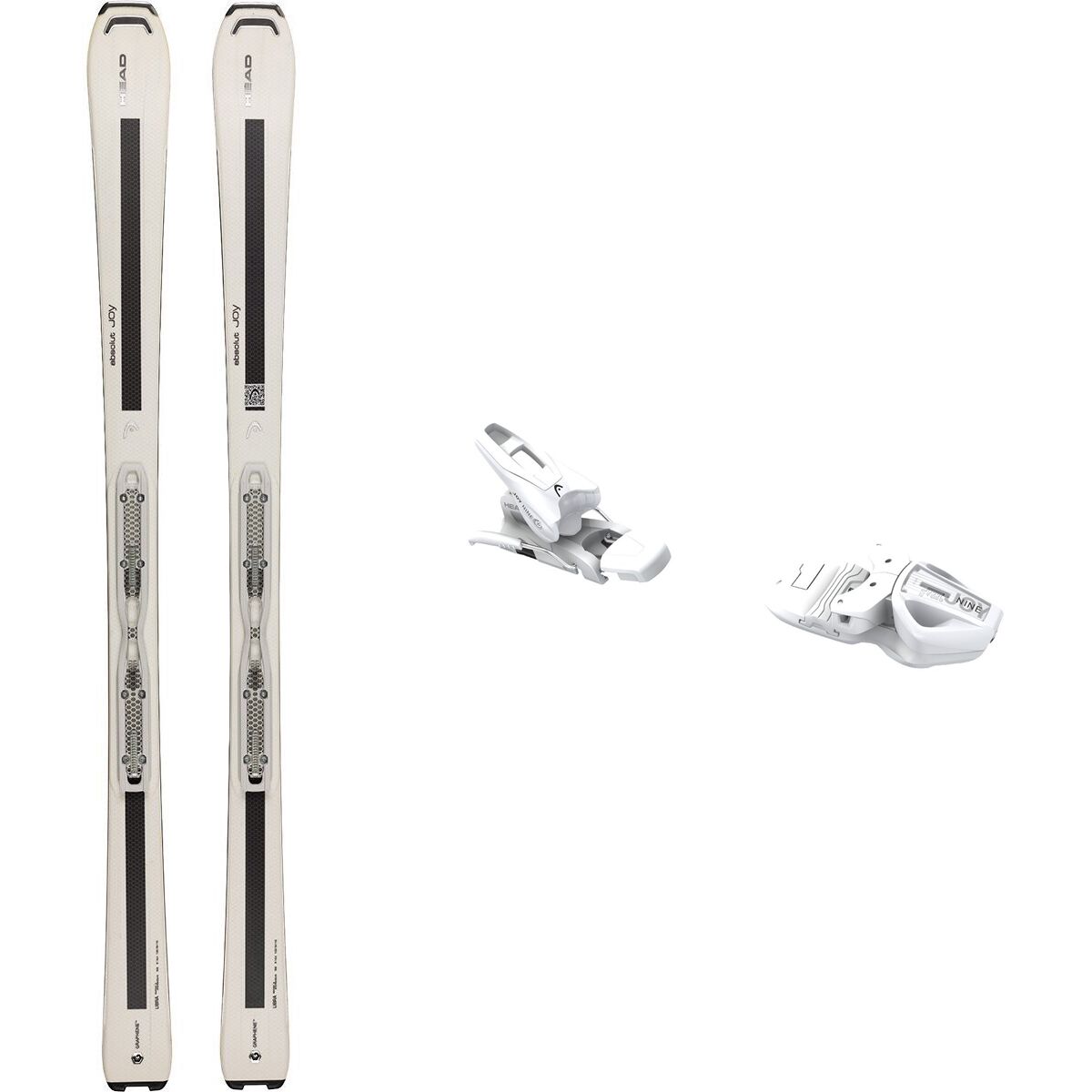
Absolut Joy Ski + Joy 11 Binding - Women's
1 color
10% Cashback Eligible

Head USA
KORE 94 Ti Ski - 2027
1 color
15% Cash Back For Summit+ | Ends 12/3

Head USA
Supershape e-Magnum Ski + Prd 12 Binding
1 color
10% Cashback Eligible

Head USA
Total Joy Ski + Joy 9 Binding - Women's
1 color
10% Cashback Eligible


Head USA
Yuki Visor Paw Helmet - Kids'
2 colors
Discount Applies In Cart

Head USA
Power Joy Ski + Pr 11 Binding + Cruise Boot - Women's
2 colors
10% Cashback Eligible

Head USA
Porsche 7 Series Ski + Joy 9 Binding
1 color
10% Cashback Eligible

Head USA
Kaliber 100 MV Single-BOA Boot - 2027
1 color
15% Cash Back For Summit+ | Ends 12/3

Head USA
KORE X 85 Ski + Prd 12 Binding
1 color
10% Cashback Eligible

Head USA
Pure Joy Ski w/ Joy 9 GW SLR Binding - 2025 - Women's
1 color
10% Cashback Eligible

Head USA
KORE X 78 LYT-PR Ski + Pr 11 Binding
1 color
10% Cashback Eligible

Head USA
Absolut Joy Ski w/ Joy 9 GW SLR Bindings - 2025 - Women's
1 color
10% Cashback Eligible
New Arrival

Head USA
Light Joy R Ski w/ Joy 11 GW SLR Binding - 2025 - Women's
1 color
10% Cashback Eligible
HSA/FSA Eligible

Head USA
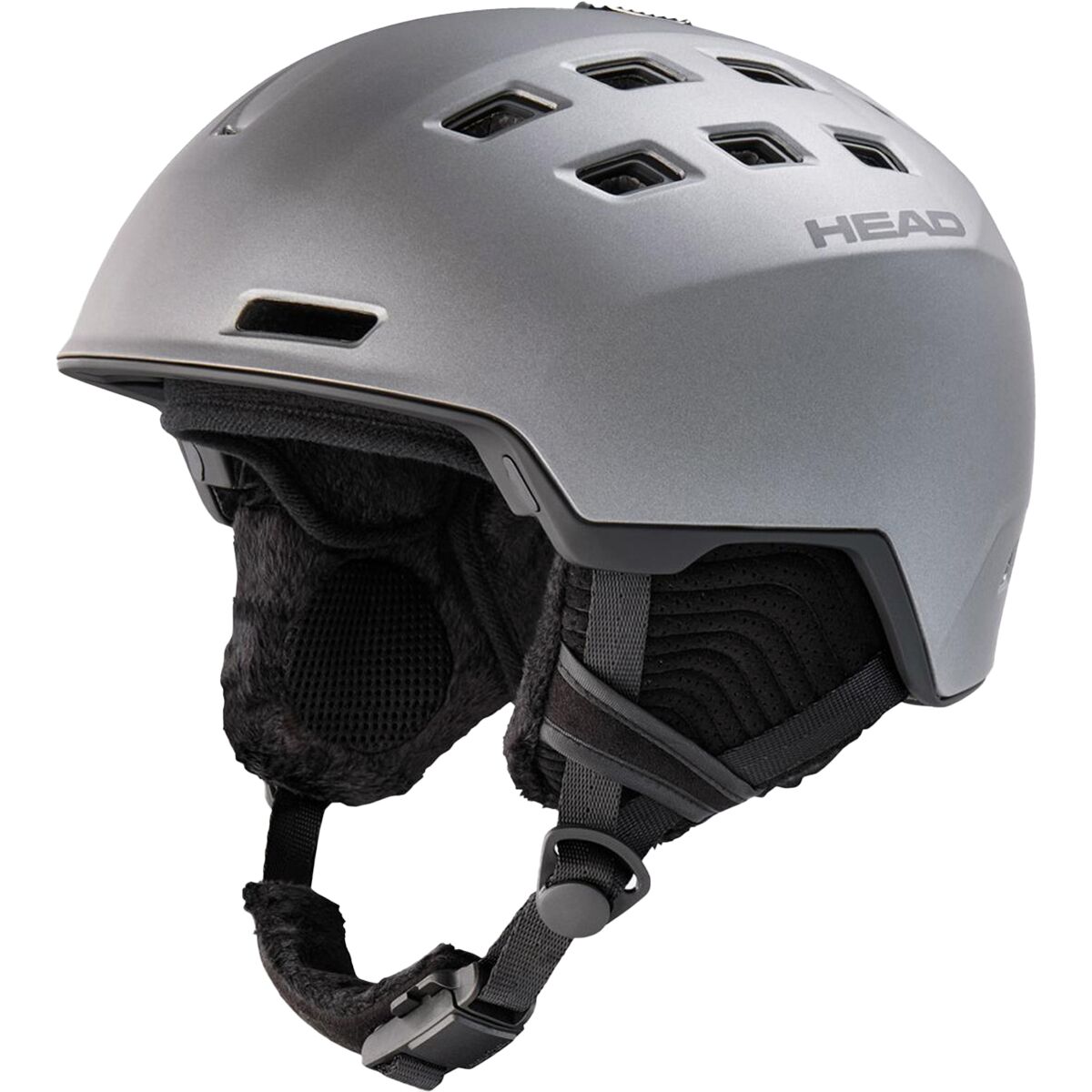
Rev Ski Helmet
1 color
Black Friday Sale | Limited Time Only

Head USA
Shape V2 R Ski + Joy 9 Slr Binding + Speed 80 HV+ Boot
2 colors
10% Cashback Eligible
New Arrival

Head USA
Shape V2 R Ski + Joy 9 Slr Binding + Premio 80 Boot
2 colors
10% Cashback Eligible

Head USA
Shape V2 R Ski + Joy 9 Slr Binding + Cruise Boot - Women's
2 colors
10% Cashback Eligible

Head USA
Shape V2 R Ski + Joy 9 Slr Binding + Cruise Boot
2 colors
10% Cashback Eligible
New Arrival

Head USA
Shape V2 R + Joy 9 Slr Binding + Premio 75 Boot - Women's
2 colors
10% Cashback Eligible

Head USA
Power Joy Ski + Pr 11 Binding + Premio 75 Boot - Women's
2 colors
10% Cashback Eligible

Head USA
Supershape e-Titan Ski + Prd 12 Binding
1 color
10% Cashback Eligible

Head USA
Shape e.V5 Ski + Joy 9 Binding
1 color
10% Cashback Eligible

Head USA
Shape V4 Ski + Joy 9 Binding
3 colors
10% Cashback Eligible

Head USA
Shape V2 Ski + Joy 9 Binding
2 colors
Black Friday Sale | Limited Time Only

Head USA
Shape SX Ski + Joy 9 Binding
1 color
10% Cashback Eligible

Head USA
Shape NX Ski + Joy 9 Binding
1 color
Black Friday Sale | Limited Time Only

Head USA
Shape AM 74 Ski + Joy 9 Binding
1 color
Black Friday Sale | Limited Time Only

Head USA
Pure Joy Ski + Joy 9 Binding - Women's
1 color
10% Cashback Eligible

Head USA
Power Joy Ski + Pr 11 Binding - Women's
1 color
10% Cashback Eligible

Head USA
Porsche W Series Ski + Joy 11 Binding
1 color
10% Cashback Eligible

Head USA
Kore X 80 Ski + Prd 12 Binding
1 color
10% Cashback Eligible

Head USA
KORE X 80 Ski + Prd 12 Binding
2 colors
10% Cashback Eligible

Head USA
KORE X 74 LYT-PR Ski + Pr 11 Binding
1 color
10% Cashback Eligible

Head USA
Easy Joy Ski + Joy 9 Binding - Women's
1 color
10% Cashback Eligible

Head USA
Kore 106 Ti Ski - 2027
1 color
15% Cash Back For Summit+ | Ends 12/3

Head USA
Kaliber Pro 120 LV GW Single-BOA Ski Boot - 2027
1 color
15% Cash Back For Summit+ | Ends 12/3

Head USA
Kaliber Pro 105 LV GW Single-BOA Ski Boot - 2027 - Women's
1 color
15% Cash Back For Summit+ | Ends 12/3

Head USA
KORE 99 Ti W Ski - 2027 - Women's
1 color
15% Cash Back For Summit+ | Ends 12/3

Head USA
KORE 93 Ti W Ski - 2027 - Women's
1 color
15% Cash Back For Summit+ | Ends 12/3

Head USA
KORE 100 Ti Ski - 2027
1 color
15% Cash Back For Summit+ | Ends 12/3

Head USA
Kore 100 Ti Ski - 2026
1 color
10% Cashback Eligible
Related Categories
Frequently Asked Questions
How do I choose the right Head downhill ski for my terrain and ability?
Match waist width, profile, and stiffness to where and how you ski: under ~90mm waists for groomers and carving, 90–100mm for versatile all‑mountain days, 100–110mm for softer or variable snow, and 115mm+ for dedicated powder. Choose tip/tail rocker plus underfoot camber for all‑mountain versatility, minimal rocker for front‑side carving, and twin‑tip shapes for park/freestyle. Finally, pick a softer flex and shorter length if you prioritize maneuverability and learning, or a stiffer, longer ski if you want stability at speed and in chopped snow.How does the Head Kore 100 Ti compare to the non‑Ti Kore models?
The Head Kore 100 Ti adds a Titanal metal laminate for increased dampening, torsional rigidity, and high‑speed stability compared with non‑Ti Kores that rely more on carbon and fiberglass. Non‑Ti Kores are lighter and feel more playful and quick edge‑to‑edge, which suits skiers who prioritize agility or uphill performance. Choose the 100 Ti if you ski aggressively on mixed or hard snow and want more power; pick a non‑Ti Kore if you want lower swing weight and a livelier feel.What does Titanal do in Head skis and when should I choose a metal‑laminated model?
Titanal is a metal laminate layer that increases stiffness and vibration dampening, improving edge hold and stability at speed or on heavy, variable snow. Metal‑laminated skis are a good choice for advanced skiers, big‑mountain charging, or icy East‑Coast conditions where power and dampening matter more than low weight. If you prioritize playfulness, low swing weight, or backcountry uphill efficiency, a carbon/fiberglass construction may be a better fit.How should I size Head skis (length and waist) based on my height, weight, and skiing style?
For length, beginners and intermediates usually choose a ski around mid‑face to chin height for easier turning, while advanced skiers often go closer to full height or slightly taller for stability at speed. Use waist width to match terrain and snow—narrower waists for groomers and carving, wider waists for float in soft snow—and adjust length slightly shorter if you’re lighter or want quicker turn initiation. Always factor in your boot sole length, binding DIN range, and personal preference, and demo if possible to confirm the feel.How do core materials and laminates (wood, foam, carbon, fiberglass, Titanal) affect ski performance?
Wood cores provide a balanced rebound, durability, and lively feel; foam cores save weight but tend to be less durable and less powerful. Fiberglass delivers lightweight strength and playful responsiveness, carbon reduces weight for low swing weight and snap, and Titanal/metal laminates add dampening and stability for high‑speed control. The combination you choose governs playfulness versus power and how the ski behaves on hardpack, chop, and deep snow, so match construction to your preferred terrain and aggressiveness.