


Up To 20% Off Full-Price Items
Shop now
EXTRA 20% Off Clearance
Shop now | Ends 11/9
Get An EXTRA $50 Cash Back*
Summit+ exclusive
Hayes
5 results
HSA/FSA Eligible

Hayes
D-Series Brake Rotor
1 color
$54.99
Discount Applies In Cart | Ends 11/16


Hayes
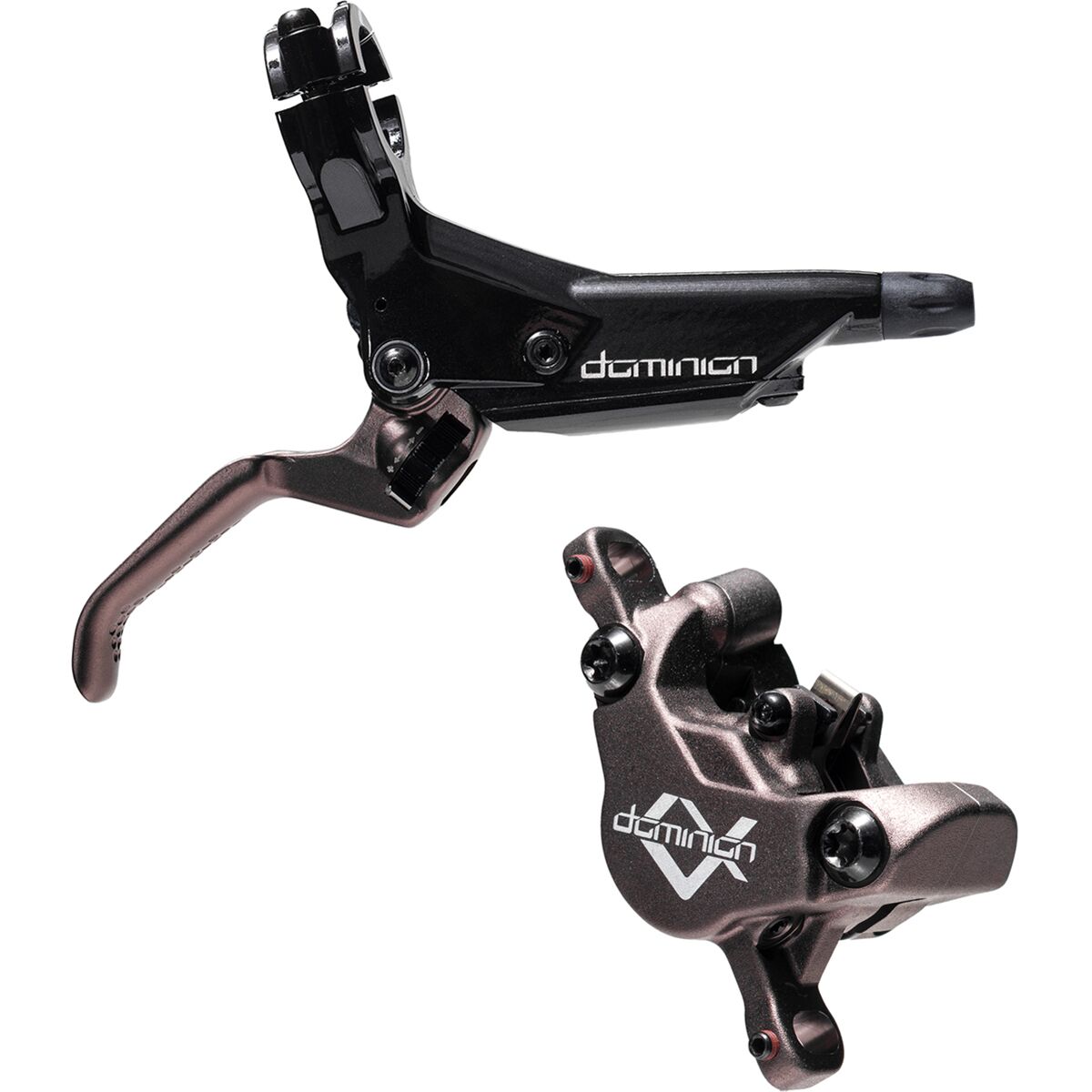
Dominion A4 Disc Brake
1 color
$249.99
Discount Applies In Cart | Ends 11/16
(3)
HSA/FSA Eligible

Hayes
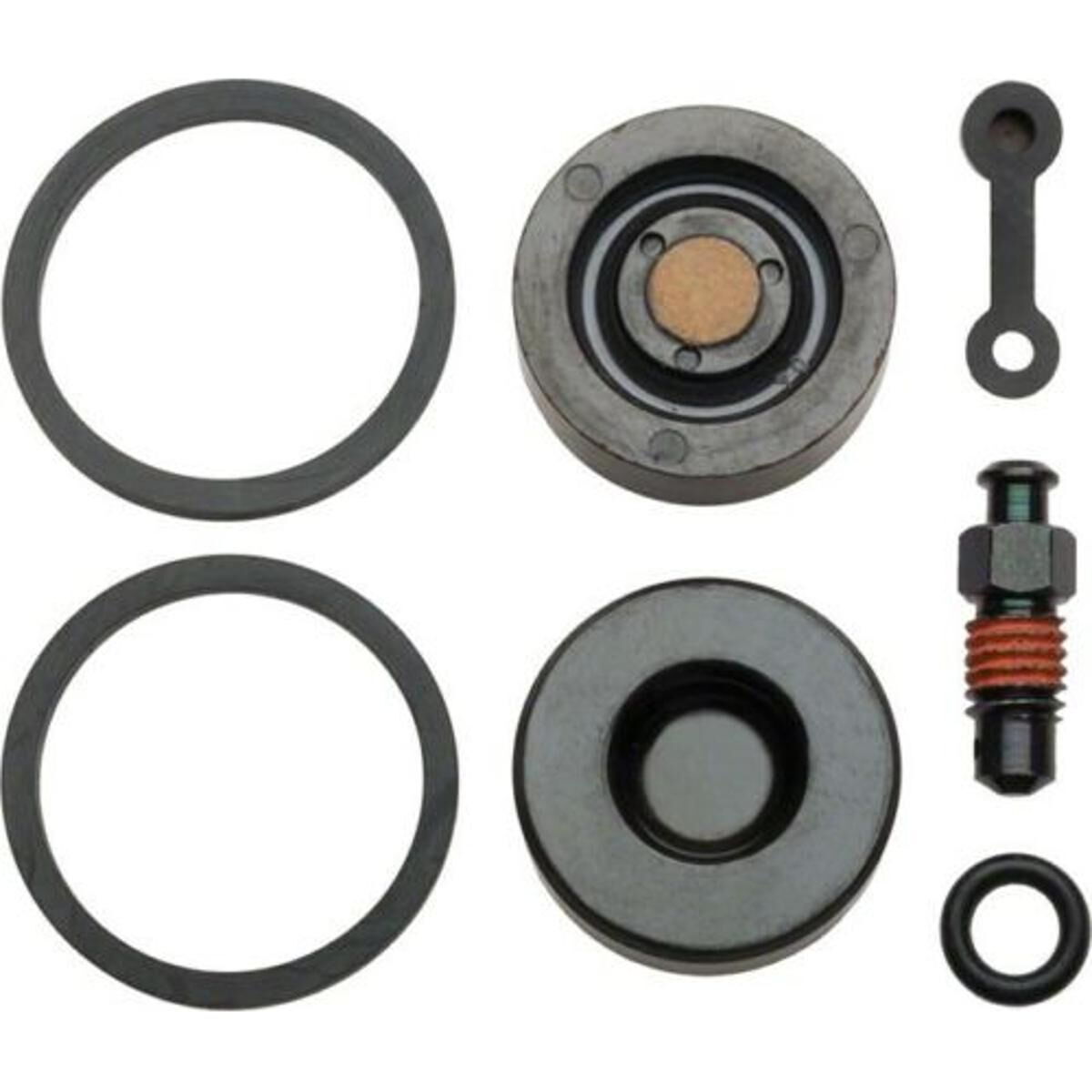
Radar Brake Caliper Service Rebuild Kit
1 color
Current price: $4.50 Original price: $31.50
86% off
Winter Sale

Hayes
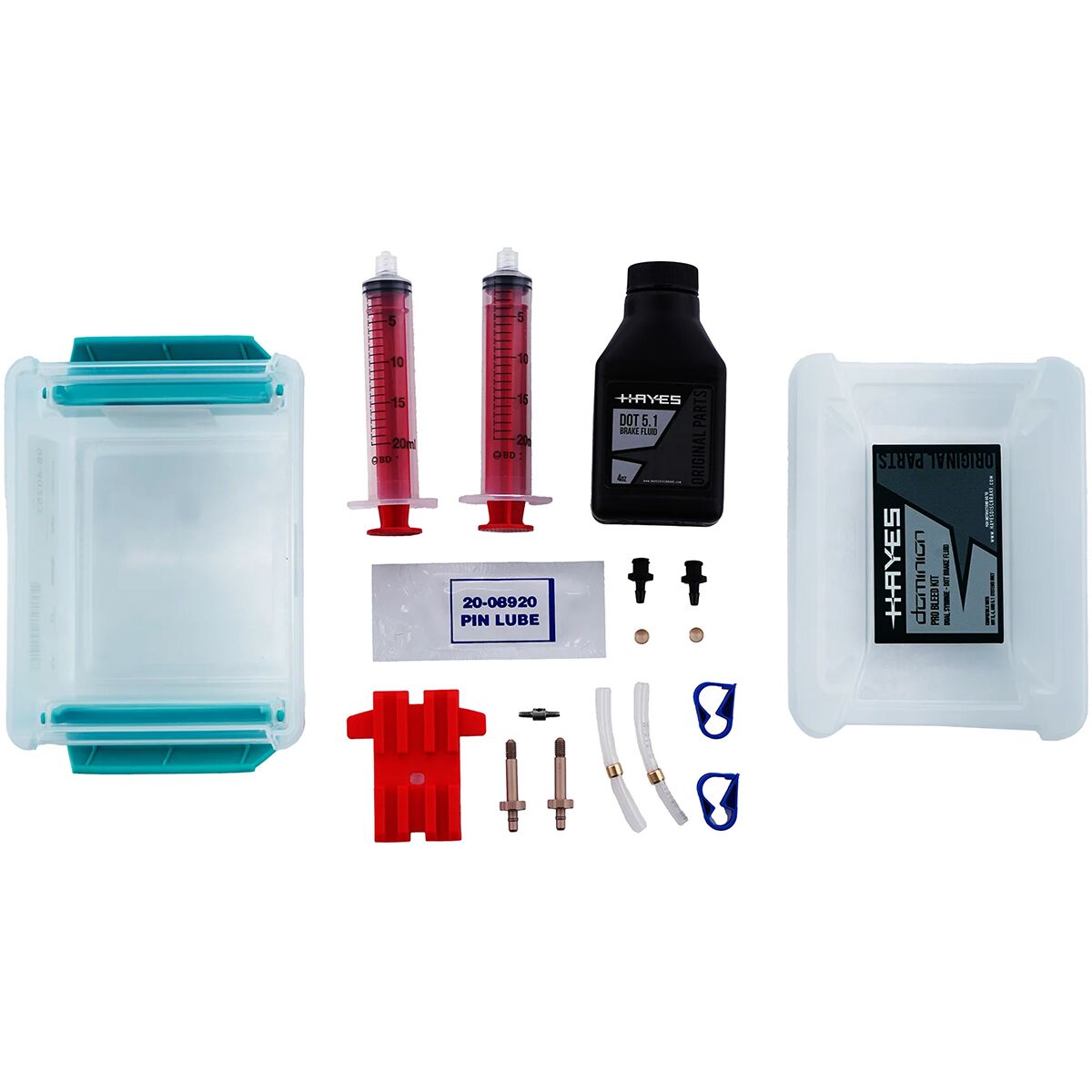
Dominion Pro Bleed Kit
1 color
$64.99
Discount Applies In Cart | Ends 11/16

Hayes
Brake Adapter
1 color
$19.99
Discount Applies In Cart | Ends 11/16
(1)
Related Categories

Frequently Asked Questions
What makes Hayes hydraulic disc brakes like the Dominion series well-suited for aggressive mountain biking?
Hayes hydraulic systems use sealed master cylinders and caliper assemblies with reinforced hoses and high‑durability alloys to resist heat and contamination, delivering consistent bite and modulation under repeated heavy braking. Models like the Dominion are engineered for reliable 360‑degree performance and feature piston configurations and pad compounds chosen to balance power, modulation, and longevity. The brand also emphasizes serviceability with accessible bleed ports and pad changes for quick maintenance.How do I choose the right rotor size and caliper piston count for my riding style?
Rotor size and piston count together determine braking leverage and heat management: 160mm rotors are common for XC or light trail, 180–203mm suit trail and enduro, and 220mm is typical for aggressive downhill braking; 2‑piston calipers are lighter and fine for less demanding use, while 4‑piston calipers provide more power and better heat dissipation for long descents. Always confirm your bike’s mount type (post vs IS) and spacing, check lever reach adjustability for your hand size, and account for hose length on full‑suspension frames. Matching rotor diameter to riding terrain and caliper piston count gives the best balance of weight, feel, and stopping power.Are Hayes brakes easy to maintain and service at home or on the trail?
Yes, Hayes designs its systems with routine service in mind, including tool‑accessible pad changes, bleed ports for straightforward bleeding, and robust seals to minimize leaks and contamination. For trail repairs carry spare pads, a basic bleed kit or syringe, and a small multi‑tool; full bleeding and hydraulic work are best done with the proper bleed fittings and fluid. Regular pad inspection and keeping rotors clean will preserve modulation and extend service intervals.How does a 4‑piston Hayes Dominion setup compare to a 2‑piston Hayes setup?
A 4‑piston Dominion setup generally delivers stronger, more controlled stopping power and improved heat management on long descents, making it a better choice for enduro and downhill riding. A 2‑piston setup is lighter, simpler, and often preferred for cross‑country and lighter trail use where weight savings and more progressive feel matter more than maximum bite. Choose based on terrain, expected braking loads, and how much weight vs. brute stopping power you want.Which pad compound and rotor construction should I pick for wet, muddy, or high‑heat use?
For wet and muddy conditions or regular heavy braking, sintered (metallic) pads paired with thick, high‑durability rotors provide superior bite and wear resistance, while organic/resin pads offer quieter, more progressive modulation in dry conditions. Look for rotors made from heat‑resistant alloys or floating designs to improve heat dissipation on long descents, and be sure to select the pad shape and compound specified for your Hayes caliper to maintain optimal performance. Regularly inspect pad wear and rotor surface to avoid glazing or reduced bite.