


Up To 20% Off Full-Price Items
Shop now
EXTRA 20% Off Clearance
Shop now | Ends 11/9
Get An EXTRA $50 Cash Back*
Summit+ exclusive
Goodr Training
2 results


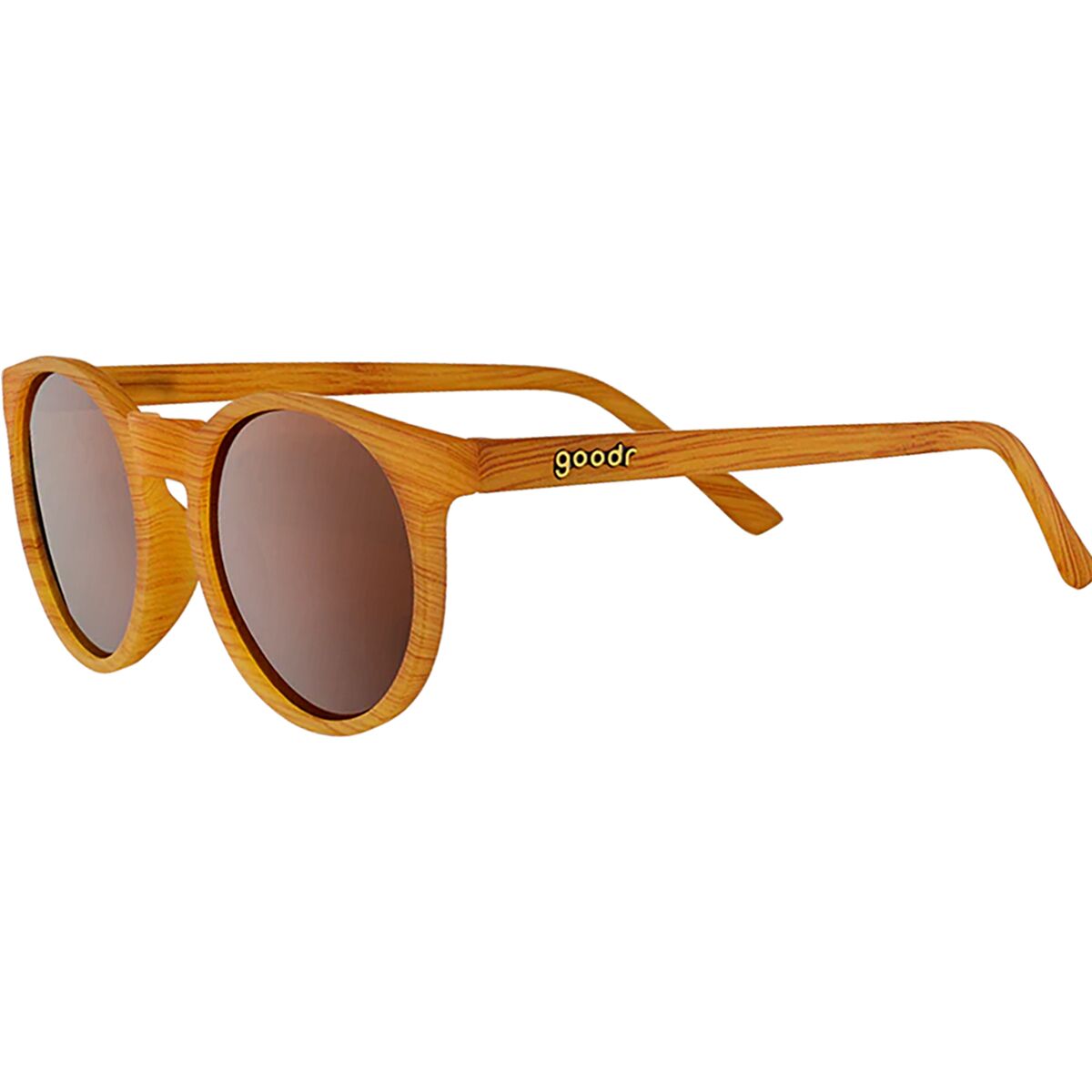
Goodr
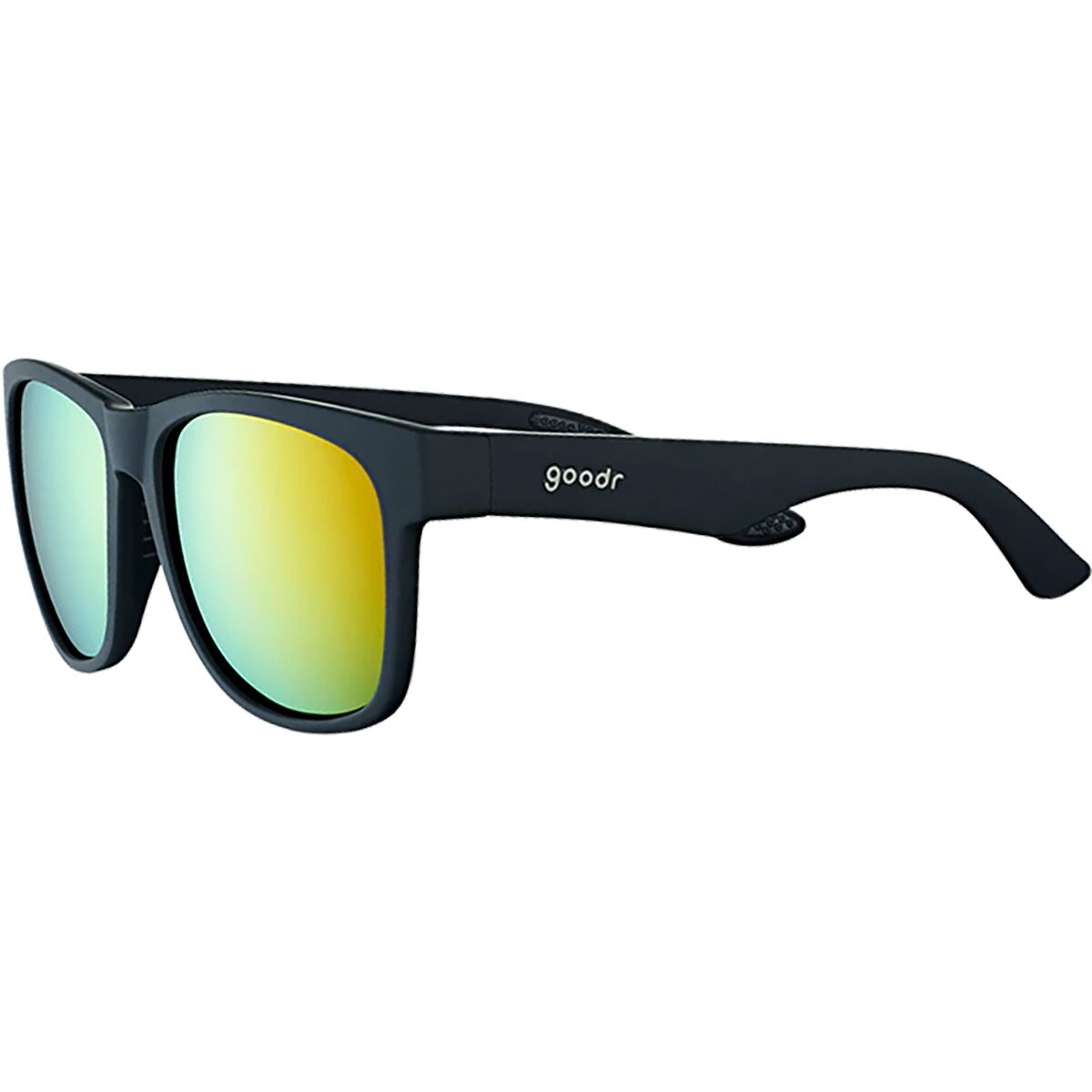
OG Polarized Sunglasses
5 colors
$21.00 - $30.00
Up to 30% off
Discount Applies In Cart | Ends 11/16
(19709)

+2
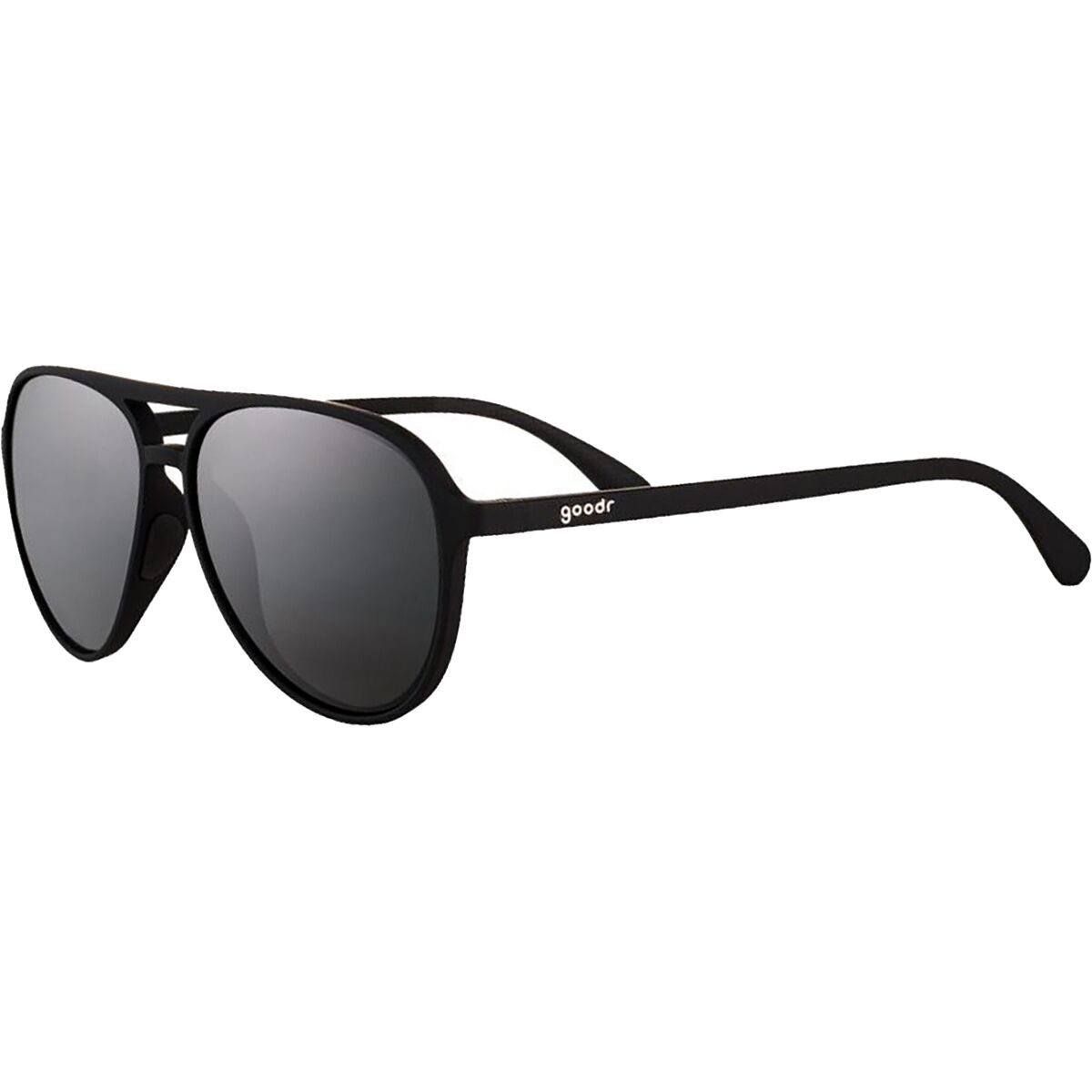
Goodr
Mach Gs Polarized Sunglasses
6 colors
$40.00
Discount Applies In Cart | Ends 11/16
(4653)
Related Categories
Frequently Asked Questions
What makes Goodr training sunglasses different from regular sunglasses?
Goodr training sunglasses are designed specifically for running and high‑motion workouts with features like a no‑slip grip coating on the nose and temples, wraparound frames for edge‑to‑edge coverage, and lightweight injection‑molded frames paired with shatter‑resistant polycarbonate lenses. Many Goodr models also offer UV400 protection and fun, high‑visibility colorways so you get sport‑focused performance without bulky weight.How do I decide between polarized and non‑polarized Goodr lenses for running?
Choose polarized lenses when you need glare reduction on bright, reflective surfaces like wet roads or snow; they help reduce eye strain during long, sunny runs. Non‑polarized or lightly tinted lenses are often better for trail running and variable light because they preserve depth perception and contrast; always check the product’s stated lens category and UV400 protection to match light conditions.How should Goodr models like the OG and BFGs fit, and which size is right for me?
The Goodr OG line is a slimmer, more traditional running fit that sits close to the face and is a good choice for medium‑to‑narrow faces, while the Goodr BFGs (Big F’ing Glasses) are oversized for wide faces or anyone who wants extra coverage. Goodr commonly uses one‑size‑fits‑most frames—check frame width and temple length on the product page and look at customer fit notes if you wear helmets or have a wide bridge.How do Goodr OG Sunglasses compare to Goodr BFGs for road running versus trail use?
OG Sunglasses offer a lower profile and lighter feel that many road runners prefer for speed and minimal wind drag, whereas BFGs provide broader coverage and more peripheral protection that’s helpful on rough trails or in bright conditions. Both lines typically use Goodr’s no‑slip grip and polycarbonate lenses, so pick OGs for a snug, streamlined fit and BFGs when you want extra coverage and larger lens area.What materials and construction features should I look for when buying Goodr training sunglasses?
Look for lightweight frame materials (Goodr often uses flexible nylons or similar plastics) and shatter‑resistant polycarbonate lenses with UV400 protection; a wraparound base curve improves coverage and wind protection. Key construction features for training use include a tacky no‑slip coating on the nose and temples, secure temple geometry to prevent bouncing, and available polarization or lens tints tuned to bright or low‑light conditions.