


Up To 20% Off Full-Price Items
Shop now
EXTRA 20% Off Clearance
Shop now | Ends 11/9
Get An EXTRA $50 Cash Back*
Summit+ exclusive
Fjallraven Snowboard
24 results


+2
Fjallraven
Heavy Beanie
6 colors
Discount Applies In Cart | Ends 11/16
(18)

+5
Fjallraven
1960 Logo Hat
9 colors
Discount Applies In Cart | Ends 11/16
(24)

Fjallraven
Bergtagen Forever Wool Beanie
5 colors
Discount Applies In Cart | Ends 11/16
(6)

Fjallraven
Byron Thin Hat
2 colors
Discount Applies In Cart | Ends 11/16
(11)

+2
Fjallraven
Tab Hat
6 colors
Discount Applies In Cart | Ends 11/16
(7)

Fjallraven
Byron Hat
5 colors
Discount Applies In Cart | Ends 11/16
(23)

Fjallraven
Bergtagen Jacquard Beanie
2 colors
Discount Applies In Cart | Ends 11/16

Fjallraven
Ovik Neps Beanie
4 colors
Discount Applies In Cart | Ends 11/16

+2
Fjallraven
Rib Hat
6 colors
Discount Applies In Cart | Ends 11/16
(6)

Fjallraven
Bergtagen Merino Beanie
2 colors
Discount Applies In Cart | Ends 11/16
(1)

Fjallraven
Bergtagen Merino Balaclava
2 colors
Discount Applies In Cart | Ends 11/16
(1)

Fjallraven
Bergtagen Midlayer Hoodie - Women's
2 colors
Discount Applies In Cart | Ends 11/16

Fjallraven
Snow Beanie
4 colors
Discount Applies In Cart | Ends 11/16
(1)

Fjallraven
Classic Knit Hat
4 colors
Discount Applies In Cart | Ends 11/16
(18)

Fjallraven
Bergtagen 60 Insulation Jacket - Women's
3 colors
Discount Applies In Cart | Ends 11/16
(1)

Fjallraven
1960 Lite Logo Hat
5 colors
Discount Applies In Cart | Ends 11/16
(8)

Fjallraven
Bergtagen G-1000 Jacket - Women's
2 colors
Discount Applies In Cart | Ends 11/16
(1)

Fjallraven
Kaitum Neck Gaiter
3 colors
Discount Applies In Cart | Ends 11/16

Fjallraven
Bergtagen Merino Neck Gaiter
2 colors
Discount Applies In Cart | Ends 11/16
(1)

Fjallraven
Bergtagen 1/2-Zip Midlayer Top - Women's
2 colors
Discount Applies In Cart | Ends 11/16

Fjallraven
Vardag Classic Beanie
2 colors
Discount Applies In Cart | Ends 11/16
(9)

Fjallraven
Vardag Beanie
4 colors
Discount Applies In Cart | Ends 11/16

Fjallraven
Bergtagen Touring 30L Backpack
2 colors
Discount Applies In Cart | Ends 11/16
(2)

Fjallraven
Bergtagen Touring 22L Backpack
1 color
Discount Applies In Cart | Ends 11/16
(2)
Related Categories
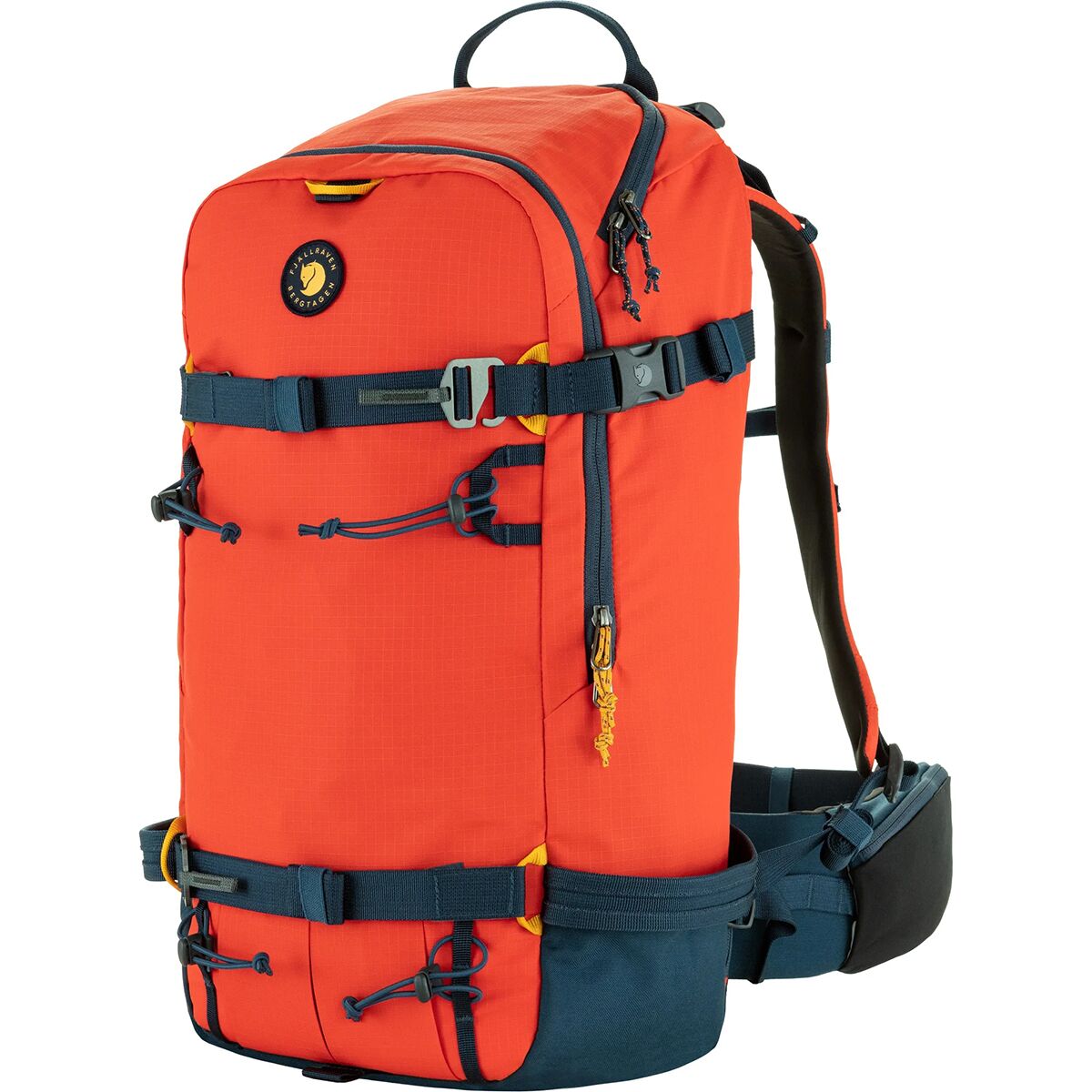 Fjallraven Winter Packs
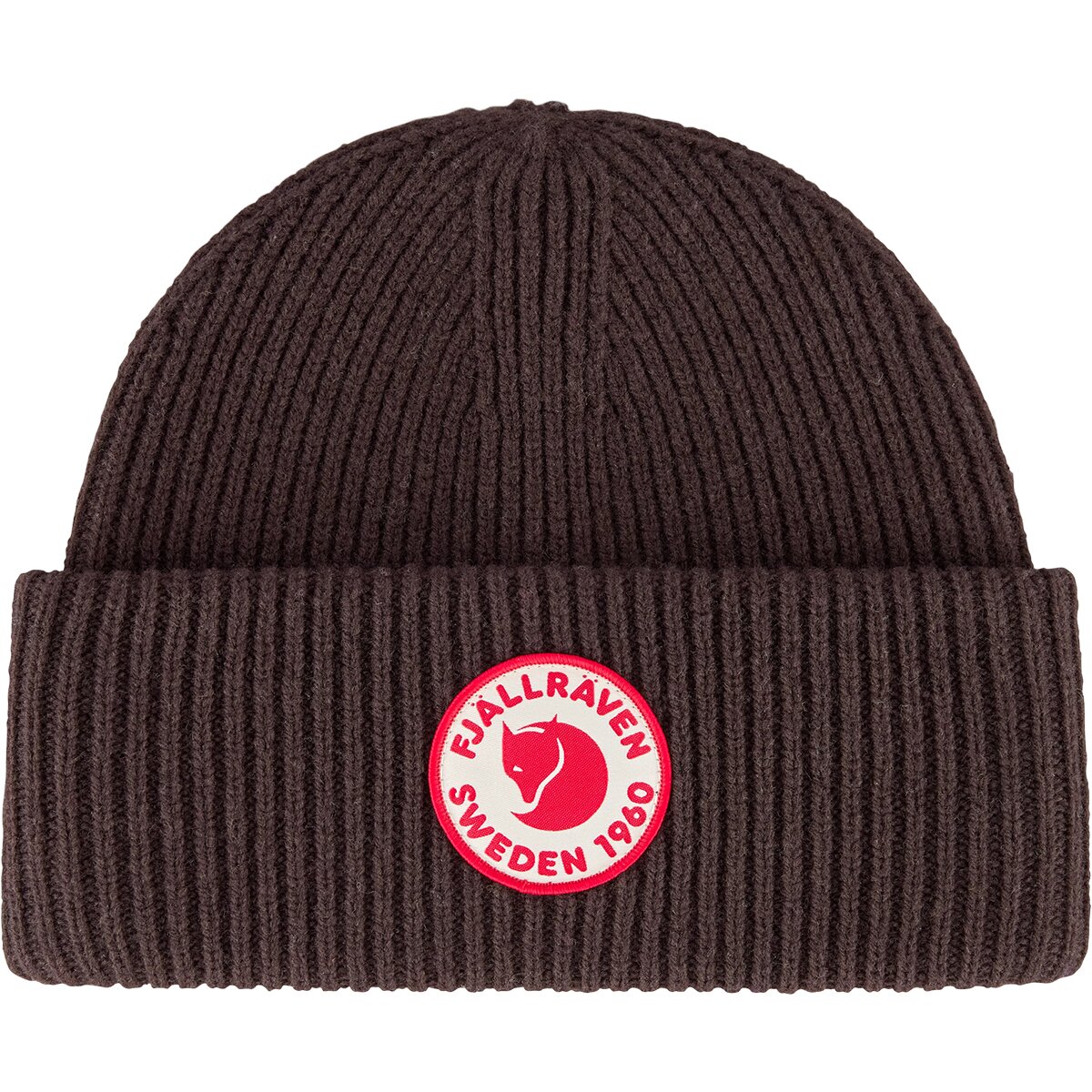 Fjallraven Mens Snowboard Clothing
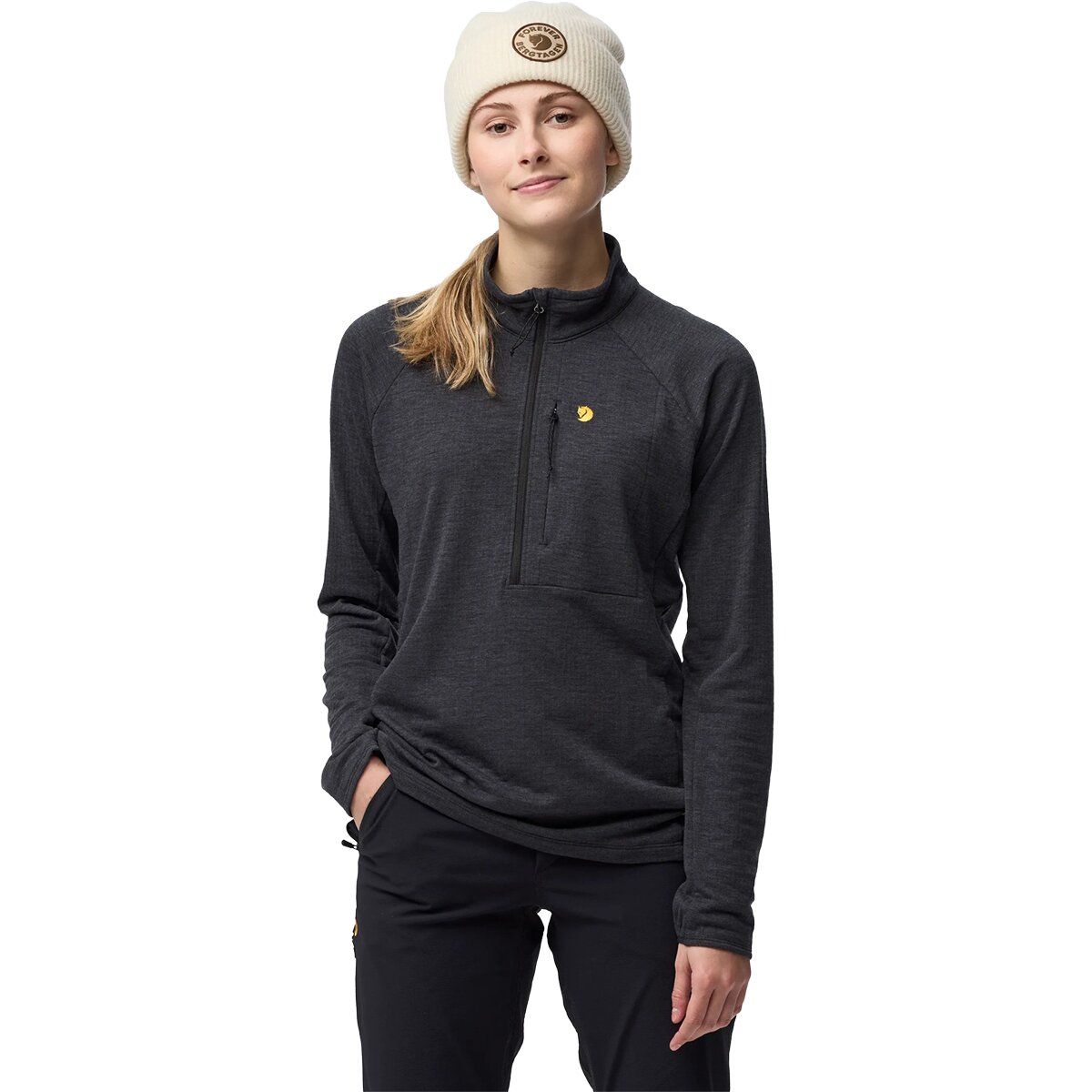 Fjallraven Womens Snowboard Clothing
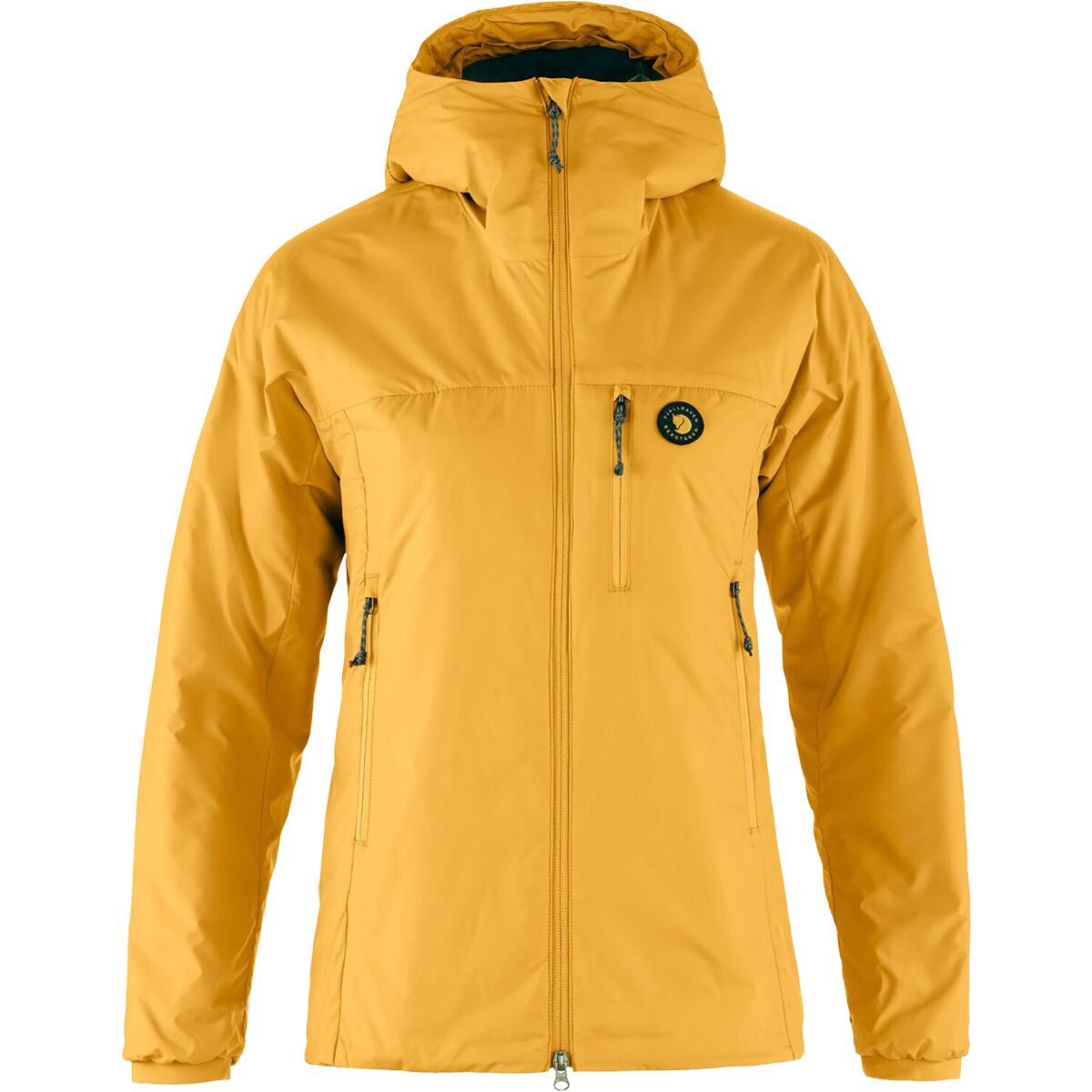 Fjallraven Womens Snowboard Jackets
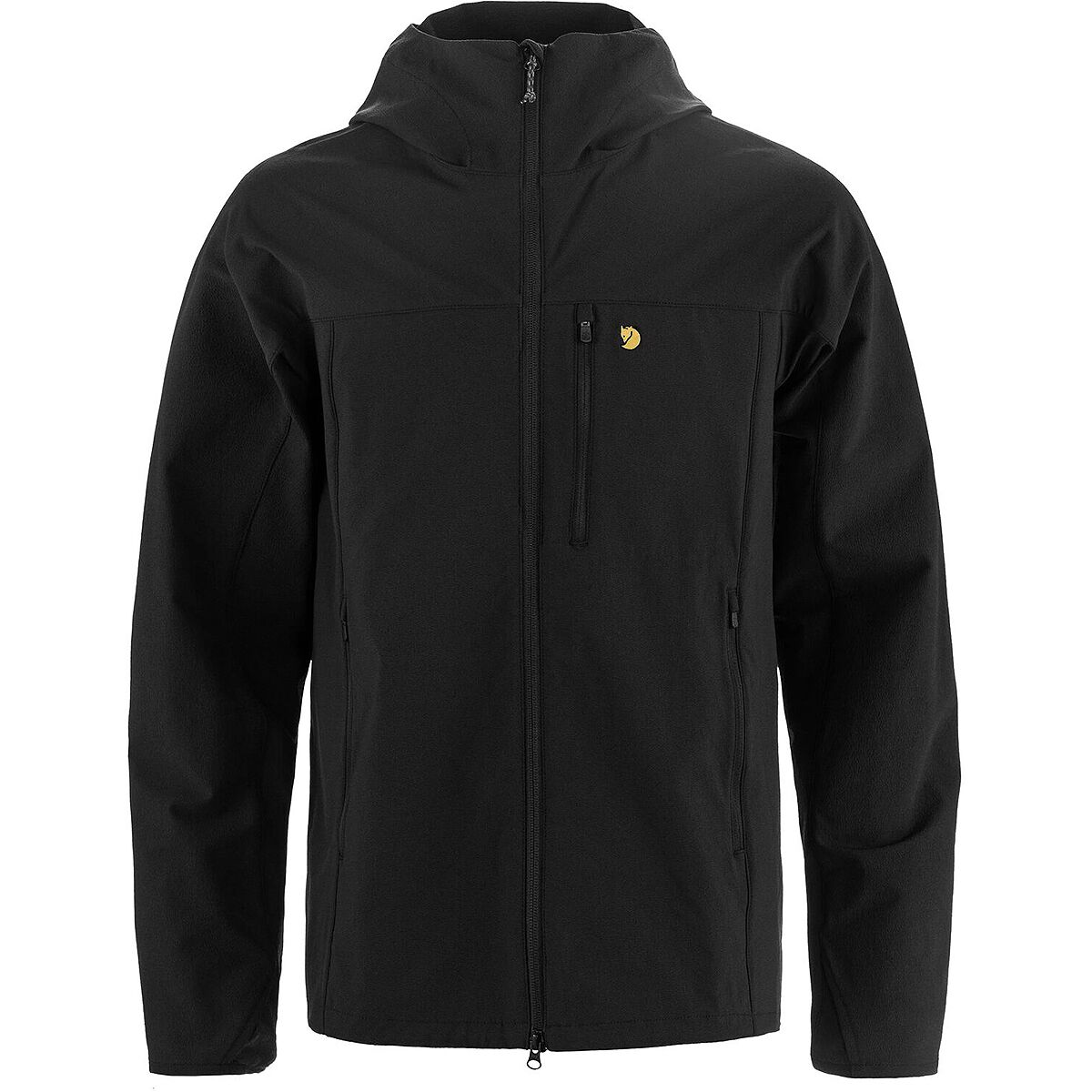 Fjallraven Mens Ski Snowboard Jackets
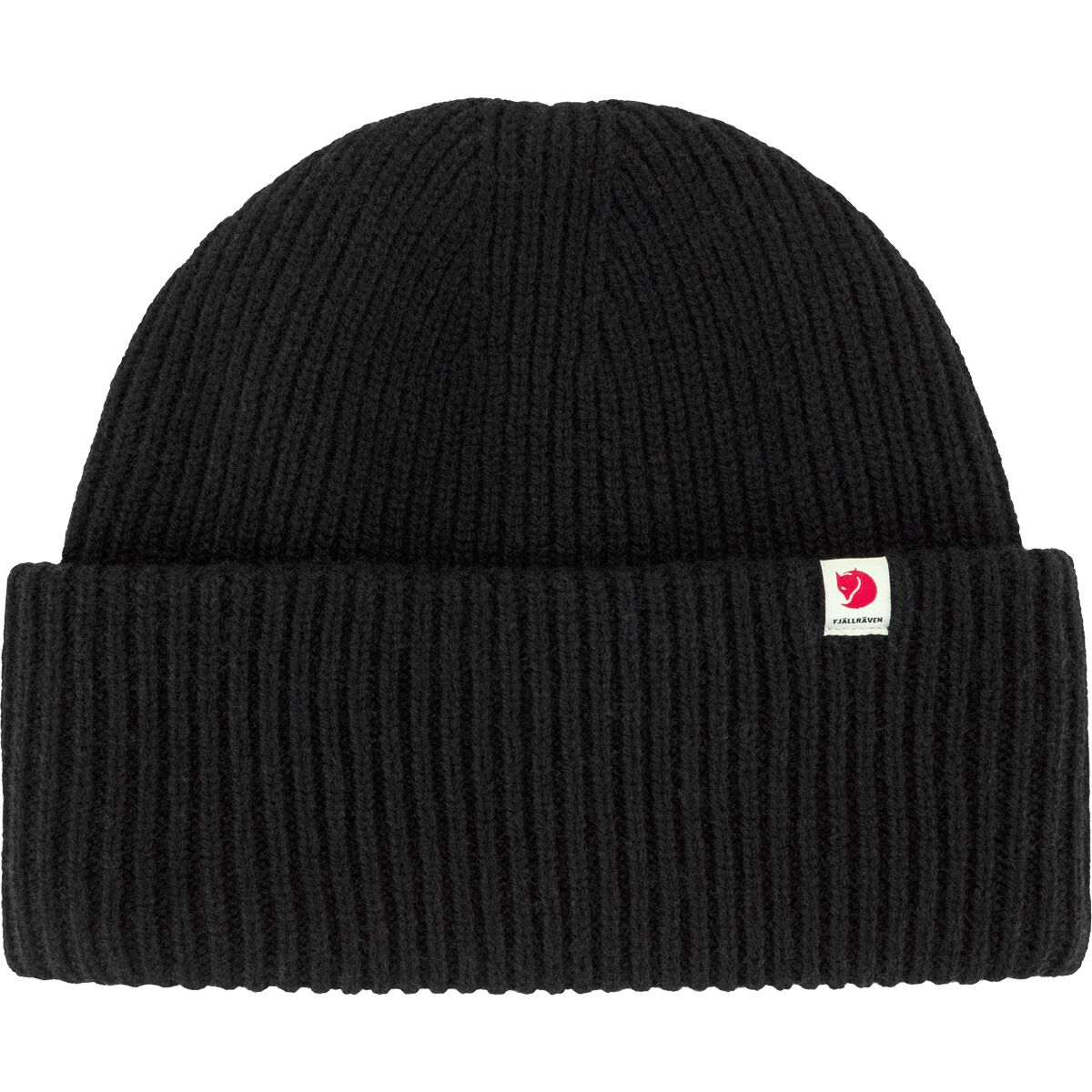 Fjallraven Mens Ski Clothing
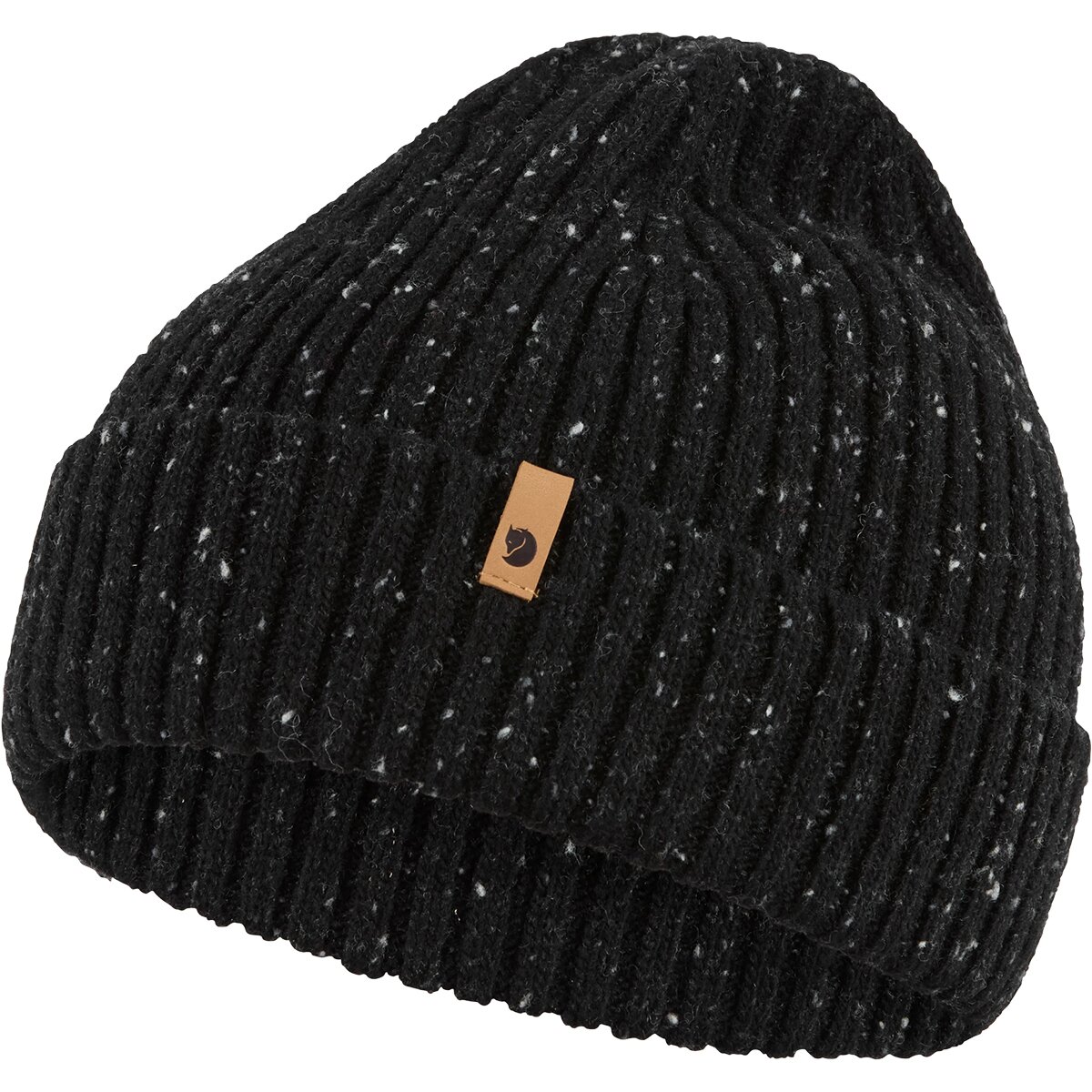 Fjallraven Womens Ski Clothing
 Fjallraven Mens Insulated Jackets
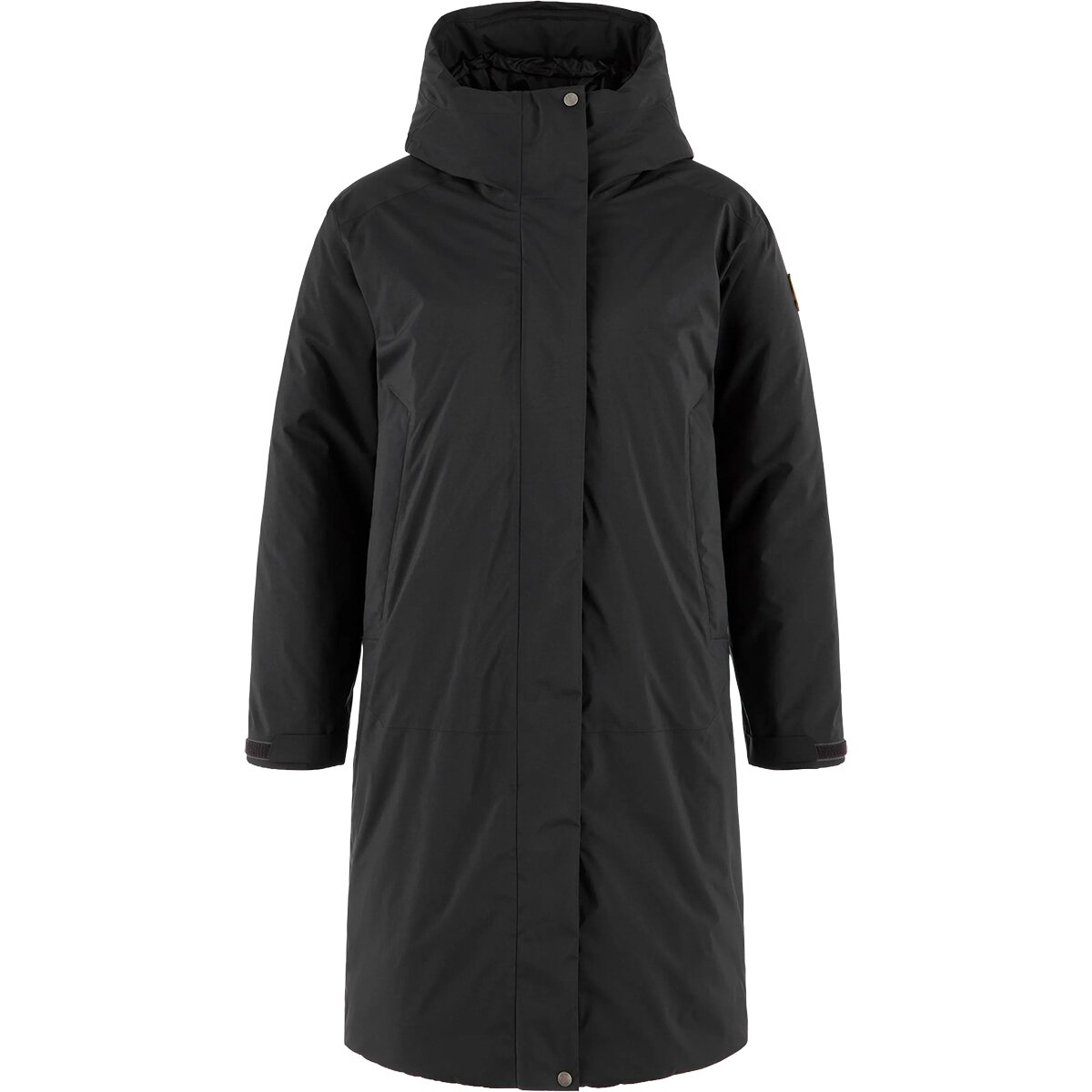 Fjallraven Womens Insulated Jackets
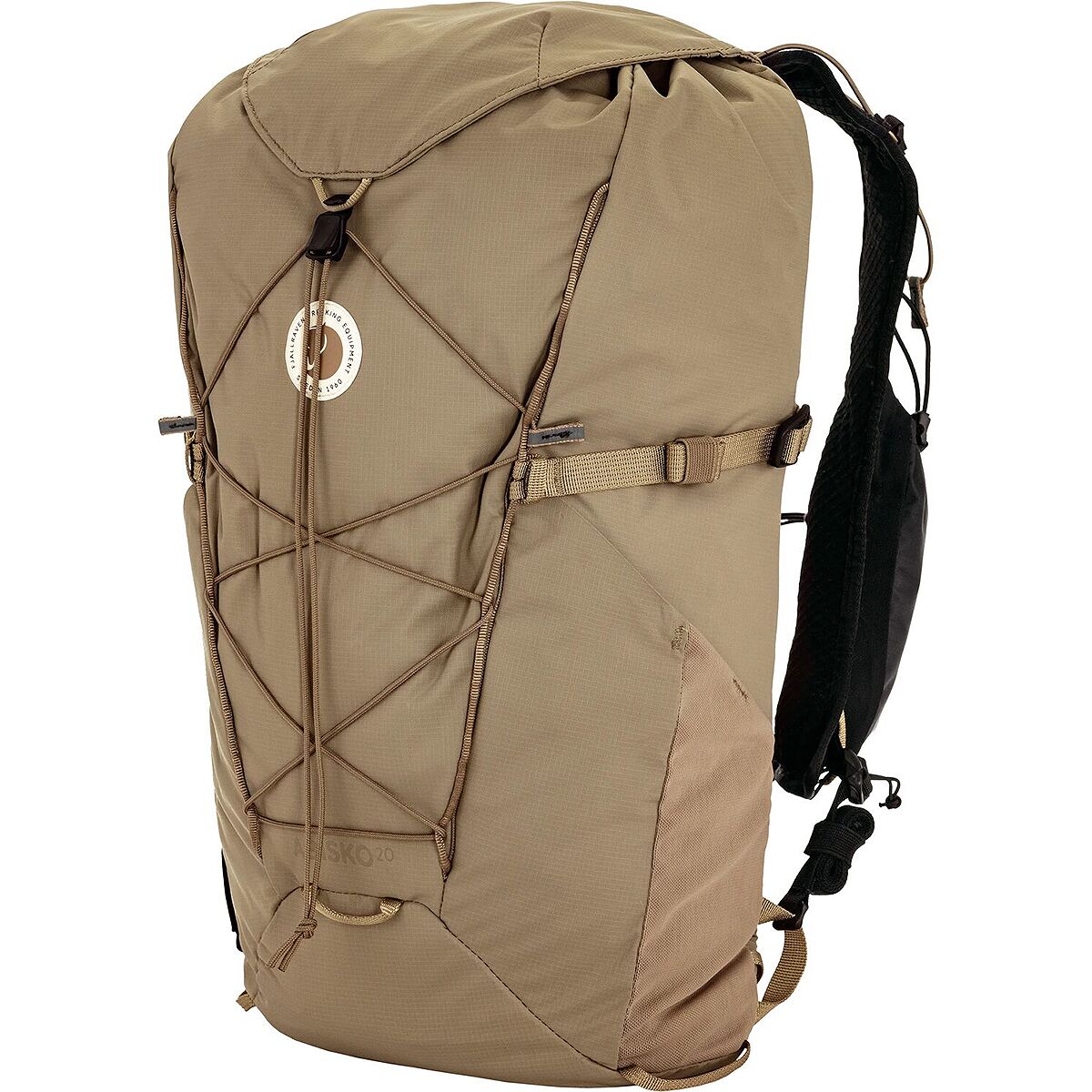 Fjallraven Technical Daypacks
Frequently Asked Questions
How does Fjällräven’s G-1000 fabric perform for backcountry snowboarding?
G-1000 is a densely woven cotton/polyester blend designed for abrasion resistance, wind protection, and long-term durability; it’s waxable with Greenland Wax to boost water and wind resistance as conditions demand. Variants like G-1000 Air and G-1000 HeavyDuty trade breathability and weight for extra durability, so you can tune protection and ventilation by adding or removing wax. G-1000 isn’t a fully taped waterproof membrane, so it’s best for cold, abrasive, and variable conditions rather than prolonged, driving rain.Which Fjällräven product families are best suited to deep powder, steep terrain, and high-altitude snowboarding?
For life above the treeline and severe winter conditions, the Bergtagen line is engineered for top performance and reliability in high-altitude backcountry use. Singi is very robust and well suited to rugged Scandinavian-style treks and cold, abrasive environments, while High Coast and Greenland-series pieces (built around G-1000) offer versatile options for mixed conditions and long-term durability. Choose Bergtagen for technical alpine objectives and Singi or Greenland/G-1000 pieces when you prioritize ruggedness and adaptability over full waterproofing.How should I size and fit Fjällräven jackets and pants for layering and mobility while snowboarding?
Look at model-specific size charts because fits vary across families; Fjällräven offers Regular and Comfort fits plus stretch panels and pre-shaped knees to support dynamic movement. For pants, prioritize seat width and inseam to allow base and insulating layers without excess bulk; for jackets, check torso length and sleeve drop for lift passes and overhead movement. If you plan heavy layering for very cold days, size to accommodate a midlayer rather than relying on a single tight shell.What do features like venting, anti-odor, and abrasion resistance actually do for backcountry performance?
Venting lets you dump heat during skinning or long bootpacks without removing layers, improving comfort and moisture management on intense climbs. Anti-odor treatments help on multi-day outings by reducing odor buildup from sweat, and abrasion-resistant fabrics and reinforced seams protect against scrapes from rocks, boards, and crampons. Together these features extend garment life and keep you more comfortable and functional in variable alpine terrain.How does a waxed G-1000 Greenland piece compare to a fully seam-taped waterproof-breathable hardshell for snowboarding?
A waxed G-1000 Greenland garment emphasizes durability, wind resistance, and tunable breathability (you can add or remove Greenland Wax), making it excellent for cold, dry, abrasive conditions and long multi-day use. A fully taped waterproof-breathable hardshell with a dedicated membrane provides more reliable protection in prolonged wet or heavy snowfall but typically sacrifices some durability and natural ventilation. Match a waxed G-1000 piece to dry, abrasive backcountry objectives and a fully taped hardshell to stormy, wet conditions where waterproofing is essential.