


Up To 20% Off Full-Price Items
Shop now
EXTRA 20% Off Clearance
Shop now | Ends 11/9
Get An EXTRA $50 Cash Back*
Summit+ exclusive
Fjallraven Ski Clothing
24 results

Fjallraven
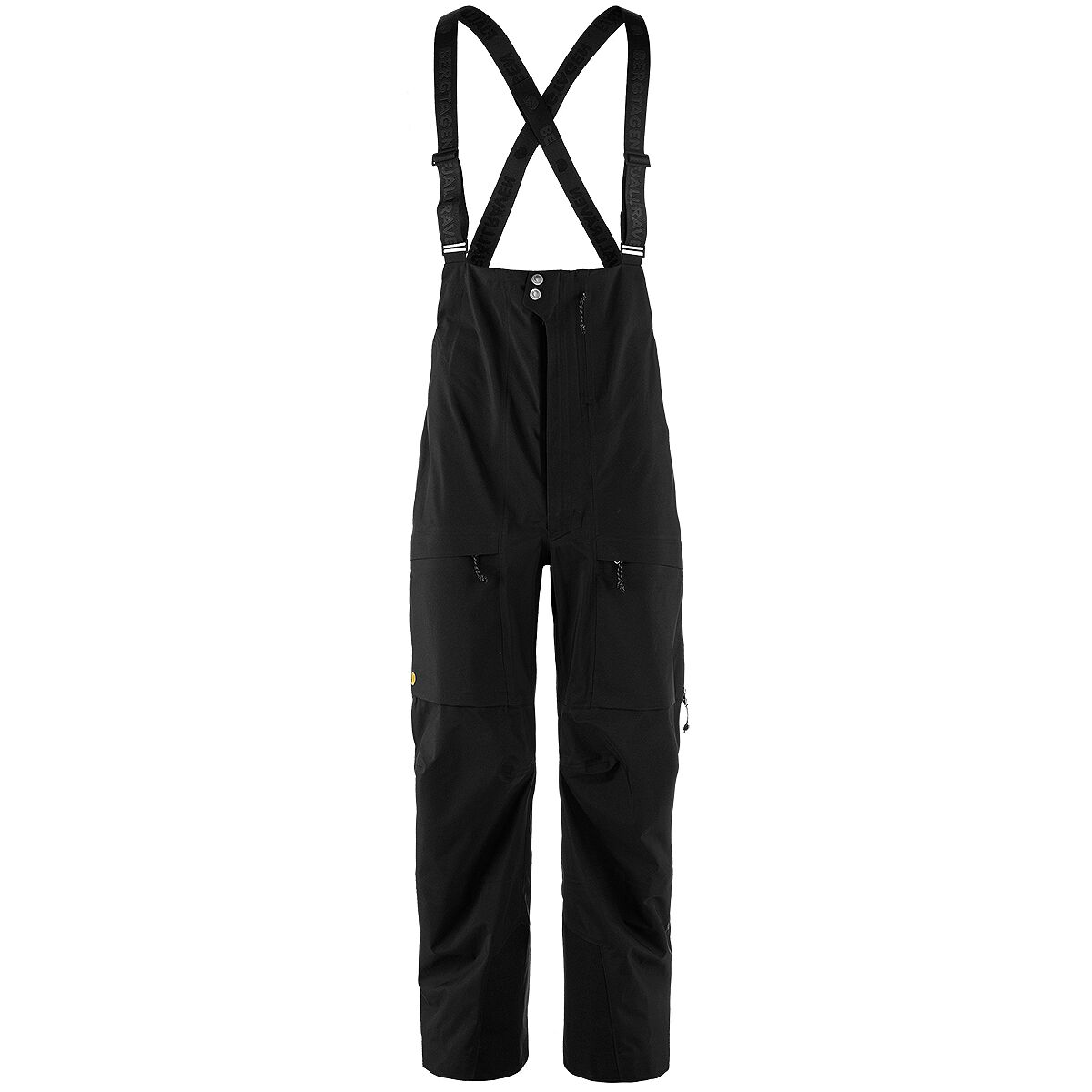
Bergtagen GTX Touring Bib Pant - Men's
2 colors
Discount Applies In Cart | Ends 11/16
(1)


+2
Fjallraven
Heavy Beanie
6 colors
Discount Applies In Cart | Ends 11/16
(18)

+5
Fjallraven
1960 Logo Hat
9 colors
Discount Applies In Cart | Ends 11/16
(24)

Fjallraven
Bergtagen Forever Wool Beanie
5 colors
Discount Applies In Cart | Ends 11/16
(6)

Fjallraven
Byron Thin Hat
2 colors
Discount Applies In Cart | Ends 11/16
(11)

+2
Fjallraven
Tab Hat
6 colors
Discount Applies In Cart | Ends 11/16
(7)

Fjallraven
Byron Hat
5 colors
Discount Applies In Cart | Ends 11/16
(23)

Fjallraven
Bergtagen Jacquard Beanie
2 colors
Discount Applies In Cart | Ends 11/16

Fjallraven
Ovik Neps Beanie
4 colors
Discount Applies In Cart | Ends 11/16

+2
Fjallraven
Rib Hat
6 colors
Discount Applies In Cart | Ends 11/16
(6)

Fjallraven
Bergtagen Merino Beanie
2 colors
Discount Applies In Cart | Ends 11/16
(1)

Fjallraven
Bergtagen Merino Balaclava
2 colors
Discount Applies In Cart | Ends 11/16
(1)

Fjallraven
Bergtagen Midlayer Hoodie - Women's
2 colors
Discount Applies In Cart | Ends 11/16

Fjallraven
Snow Beanie
4 colors
Discount Applies In Cart | Ends 11/16
(1)

Fjallraven
Classic Knit Hat
4 colors
Discount Applies In Cart | Ends 11/16
(18)

Fjallraven
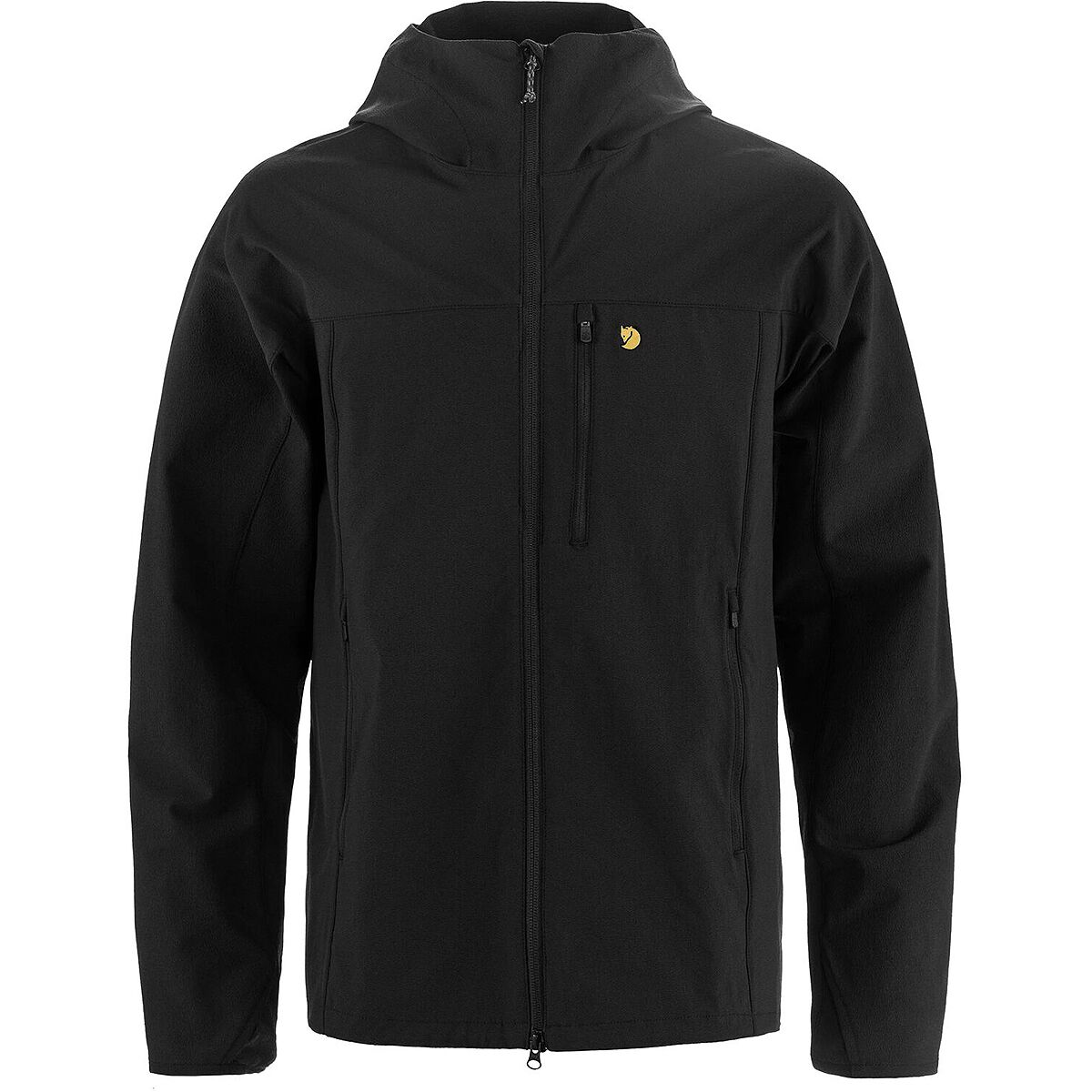
Bergtagen Stretch Jacket - Men's
2 colors
Discount Applies In Cart | Ends 11/16
(1)

Fjallraven
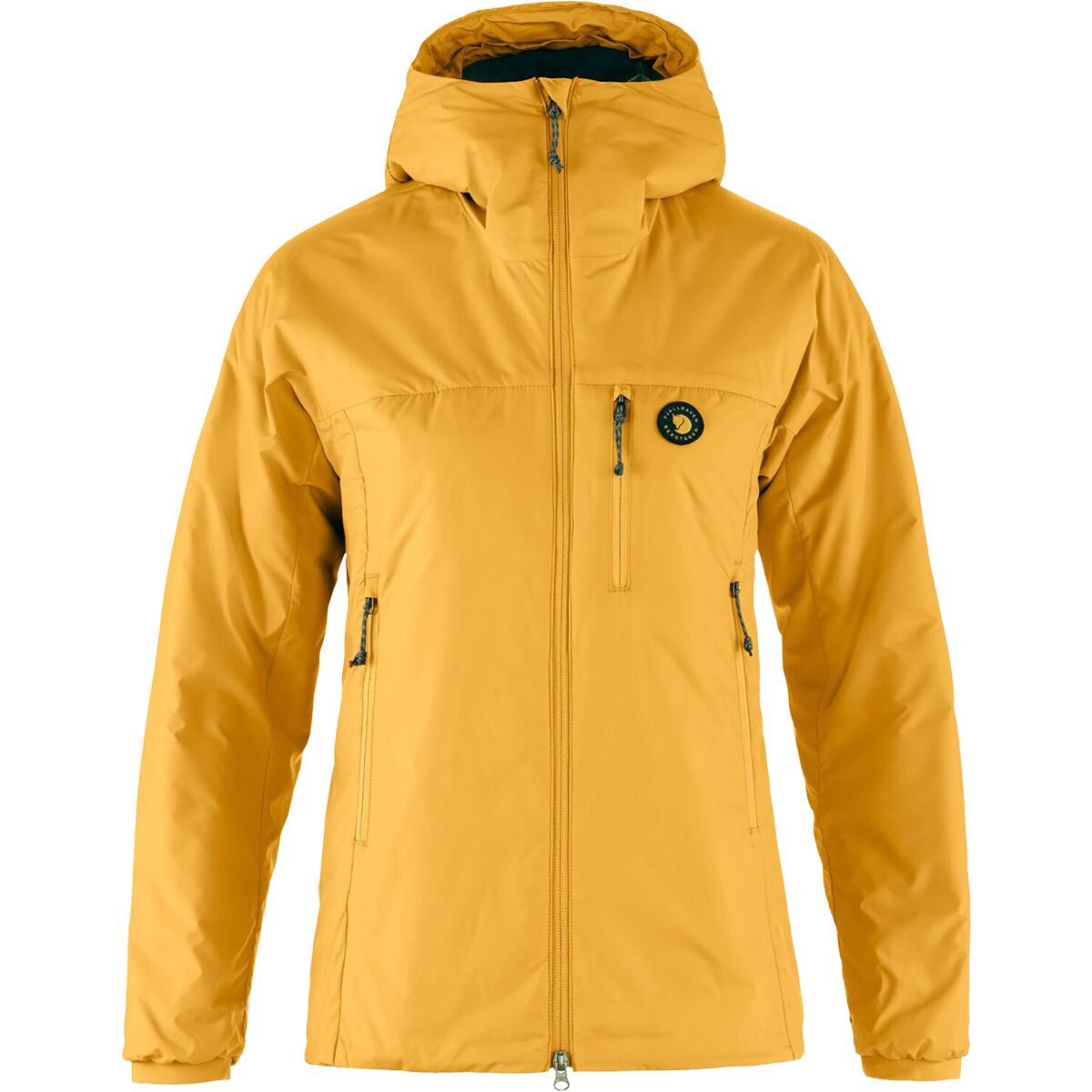
Bergtagen 60 Insulation Jacket - Women's
3 colors
Discount Applies In Cart | Ends 11/16
(1)

Fjallraven
1960 Lite Logo Hat
5 colors
Discount Applies In Cart | Ends 11/16
(8)

Fjallraven
Bergtagen G-1000 Jacket - Women's
2 colors
Discount Applies In Cart | Ends 11/16
(1)

Fjallraven
Kaitum Neck Gaiter
3 colors
Discount Applies In Cart | Ends 11/16

Fjallraven
Bergtagen Merino Neck Gaiter
2 colors
Discount Applies In Cart | Ends 11/16
(1)

Fjallraven
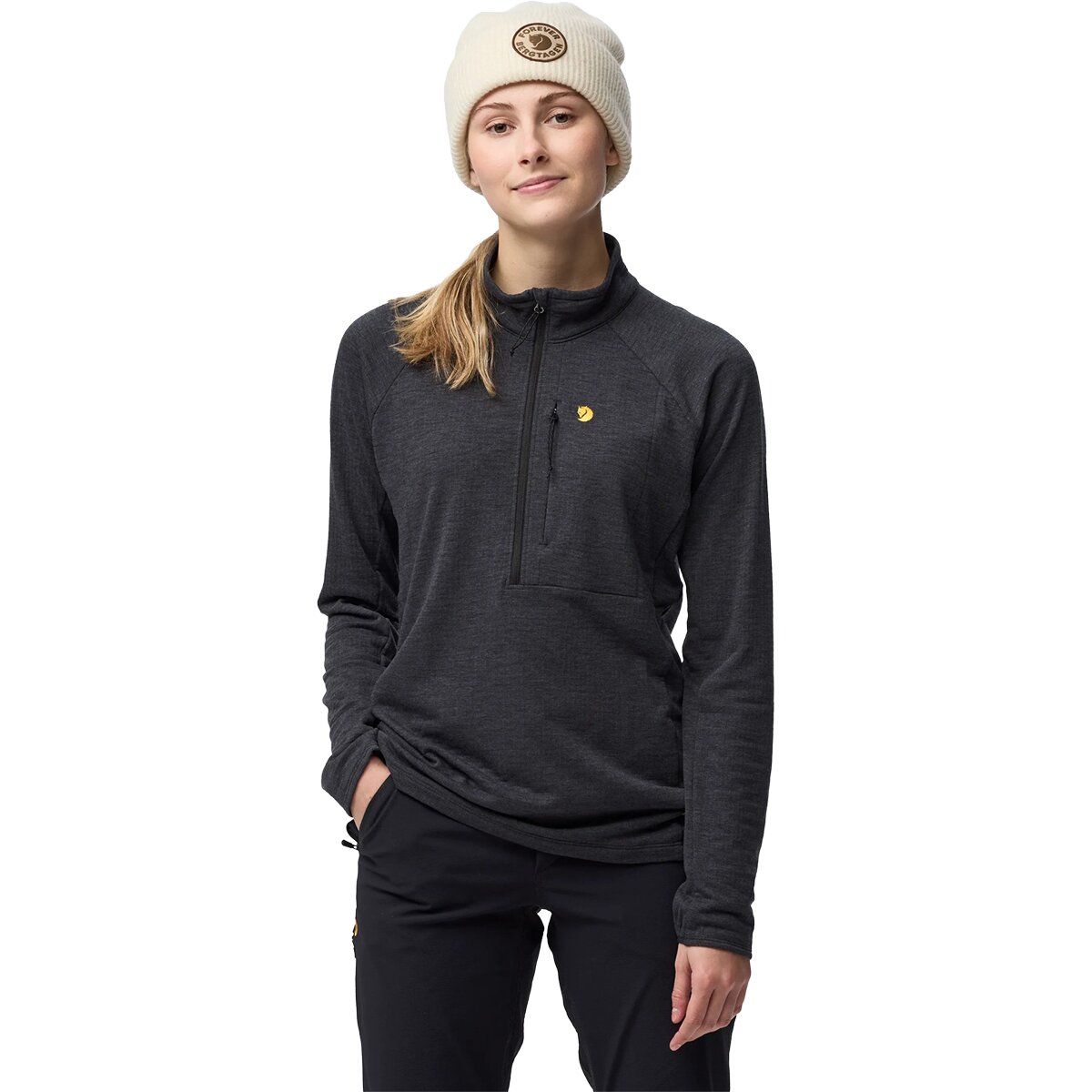
Bergtagen 1/2-Zip Midlayer Top - Women's
2 colors
Discount Applies In Cart | Ends 11/16

Fjallraven
Vardag Classic Beanie
2 colors
Discount Applies In Cart | Ends 11/16
(9)

Fjallraven
Vardag Beanie
4 colors
Discount Applies In Cart | Ends 11/16
Related Categories
Frequently Asked Questions
What materials and technologies make Fjällräven ski clothing suitable for backcountry skiing?
Fjällräven pairs hardwearing G‑1000/G‑1000 Eco (a densely woven, wax‑adaptable polyester/cotton or recycled polyester/organic cotton blend) with Eco‑Shell recycled polyester membranes and four‑way stretch panels to balance durability, weather protection, and mobility. Wool options like Bergtagen Thinwool provide natural temperature regulation and odor resistance, while reinforced knees and high‑wear areas and PFC‑free finishes increase longevity in abrasive, cold conditions.How should I size and layer Fjällräven Keb Touring trousers and jackets for ski touring?
Choose a size that allows a close next‑to‑skin base layer plus a thin insulating midlayer while preserving full range of motion; Keb pieces use articulated knees and stretch panels so a slightly roomier fit at the hip and thigh helps when striding or skinning. Look for longer leg lengths and adjustable zippered hems to fit over ski or touring boots and a higher back waist to prevent exposure when wearing a pack.How do Keb Touring Trousers compare to Bergtagen garments for backcountry skiing and mountaineering?
Keb Touring Trousers prioritize lightweight mobility, articulated fit, large ventilation zips, and stretch fabrics for long skin tracks and technical uphill movement. Bergtagen pieces lean more toward G‑1000 durability and insulated options (e.g., Bergtagen 60 Insulation Jacket) for protection in steep, mixed alpine terrain or deep powder where abrasion resistance and warmth are prioritized. Choose Keb for sustained touring performance and Bergtagen for rugged mountaineering and harsher weather demands.Are Fjällräven base layers like Bergtagen Thinwool suitable for high‑exertion ski touring?
Yes, Thinwool and other merino or recovered‑wool base layers offer excellent moisture management, natural temperature regulation, and odor control during long, high‑output tours. For extremely wet conditions or very fast aerobic sessions you may prefer a synthetic next‑to‑skin layer for faster drying, then add a wool midlayer for insulation as needed.How do I care for G‑1000 and Eco‑Shell garments to maintain weather resistance and breathability?
Follow the garment care label, wash with a technical detergent and avoid fabric softeners, then reapply Greenland Wax to G‑1000 panels and heat it in for adjustable water‑resistance—the wax can be washed out to improve breathability in dry conditions and reapplied for wet weather. Eco‑Shell membranes are PFC‑free; keep zips and vents clear and routinely clean off dirt to preserve membrane performance and breathability.