


Up To 20% Off Full-Price Items
Shop now
EXTRA 20% Off Clearance
Shop now | Ends 11/9
Get An EXTRA $50 Cash Back*
Summit+ exclusive
Fjallraven Run
7 results


Fjallraven
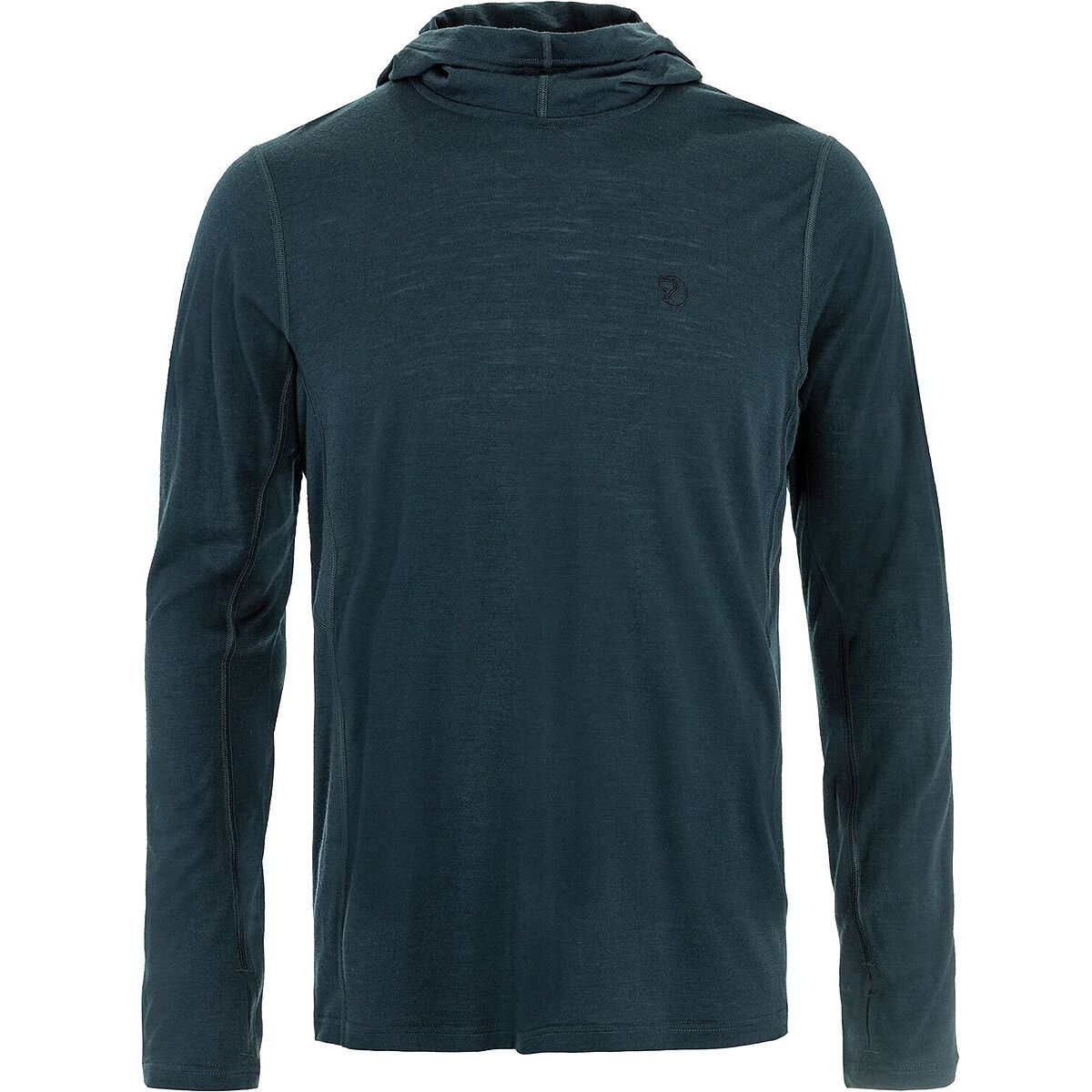
Abisko Wool Hoodie - Men's
2 colors
$139.95
Discount Applies In Cart | Ends 11/16
(11)

Fjallraven
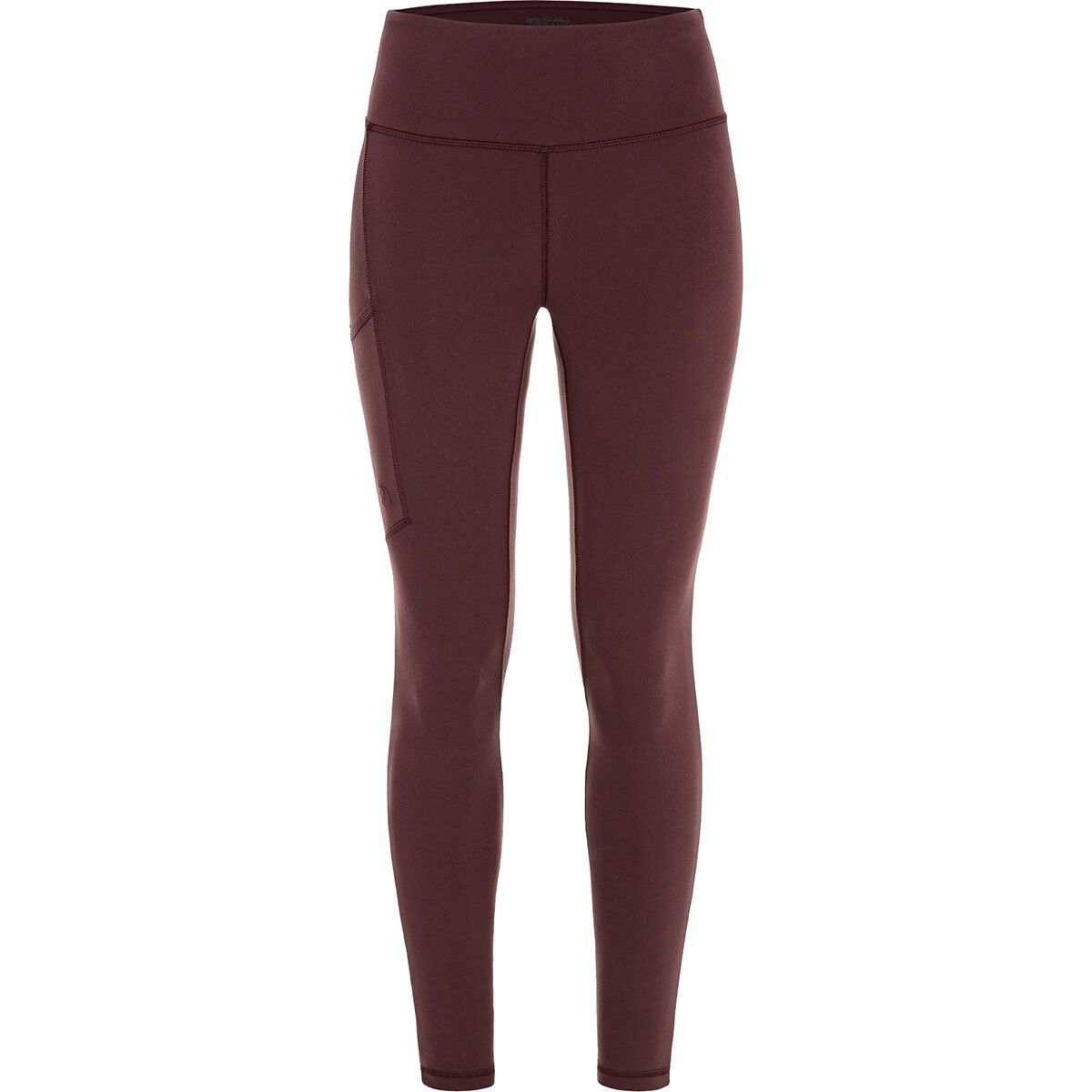
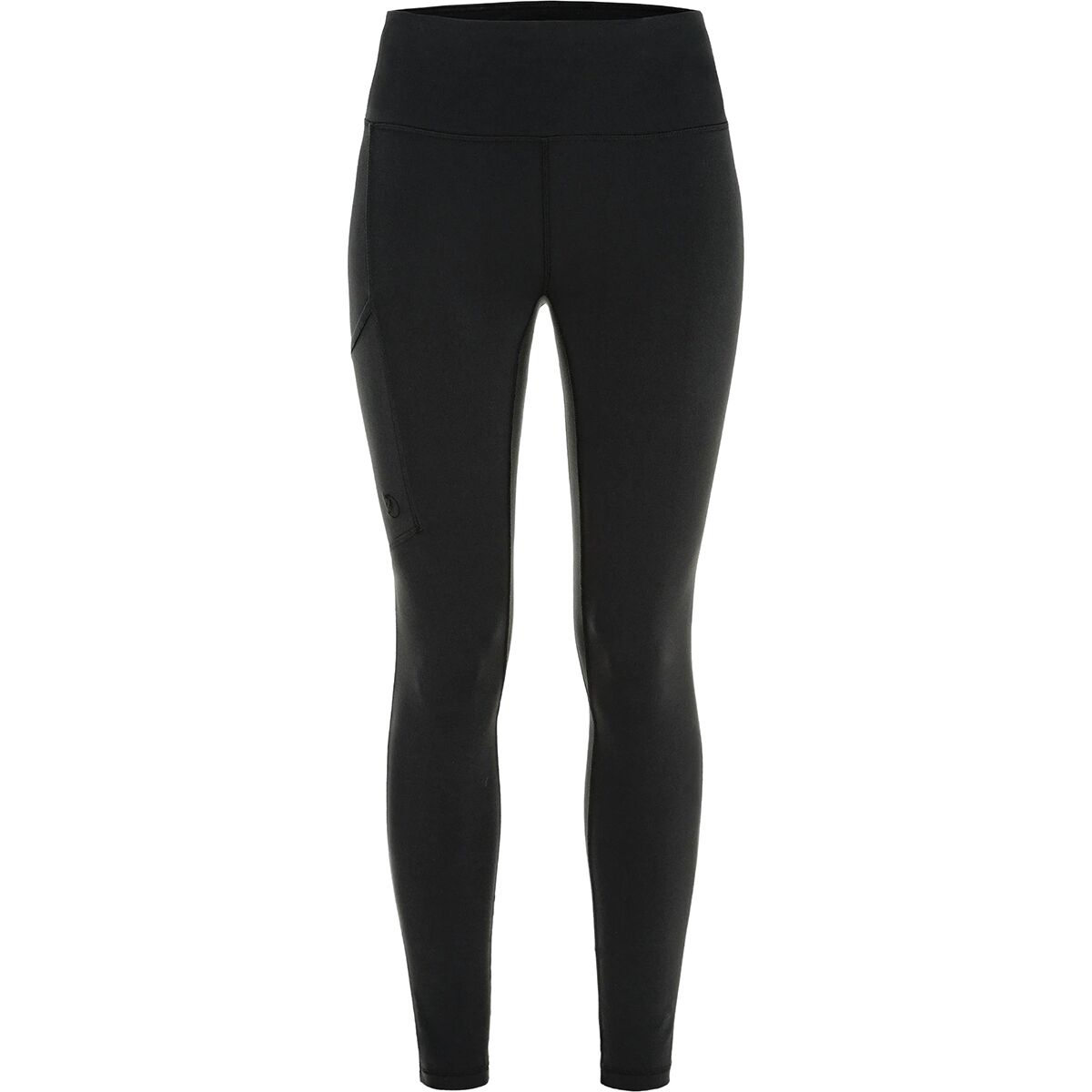
Abisko HD Trekking Tight - Women's
3 colors
$184.95
Discount Applies In Cart | Ends 11/16
(14)

Fjallraven
Abisko Varm Trekking Tight - Women's
2 colors
$184.95
Discount Applies In Cart | Ends 11/16
(9)

Fjallraven
High Coast Tight - Women's
3 colors
$124.95
Discount Applies In Cart | Ends 11/16
(2)

Fjallraven
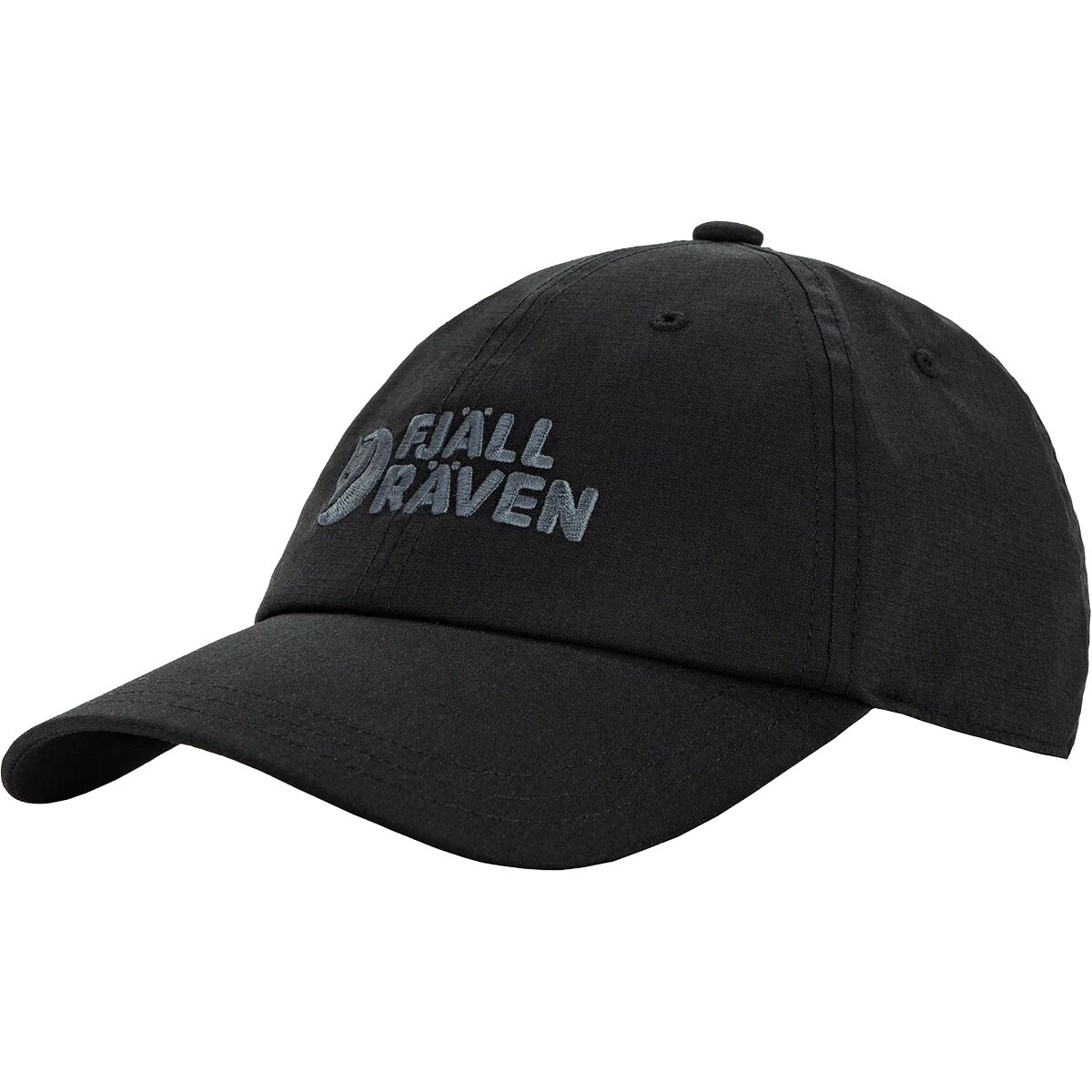
Vardag Lite Cap
3 colors
$55.00
Discount Applies In Cart | Ends 11/16
(1)

Fjallraven
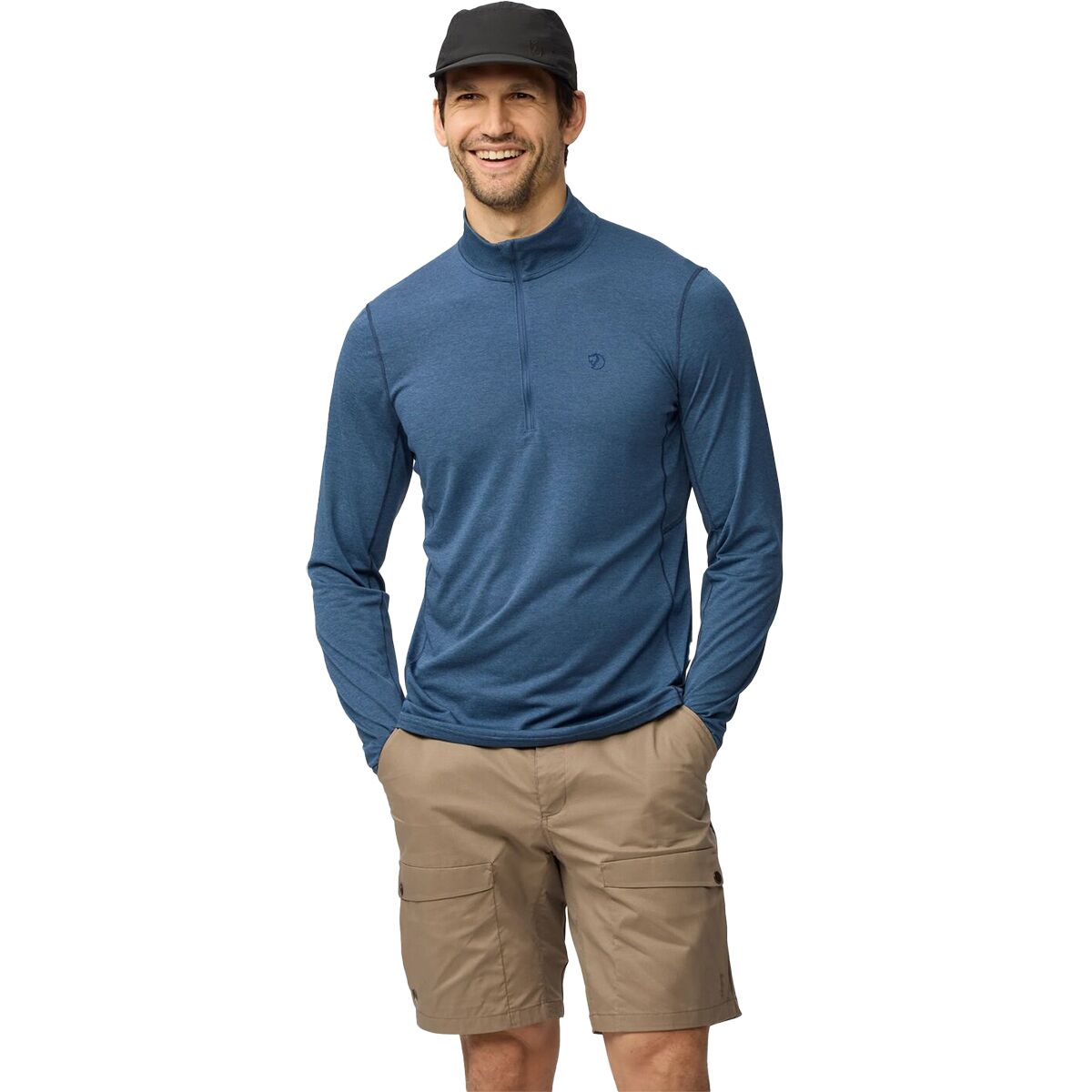
Abisko Day Hike 1/2-Zip Top - Men's
3 colors
$110.00
Discount Applies In Cart | Ends 11/16

Fjallraven
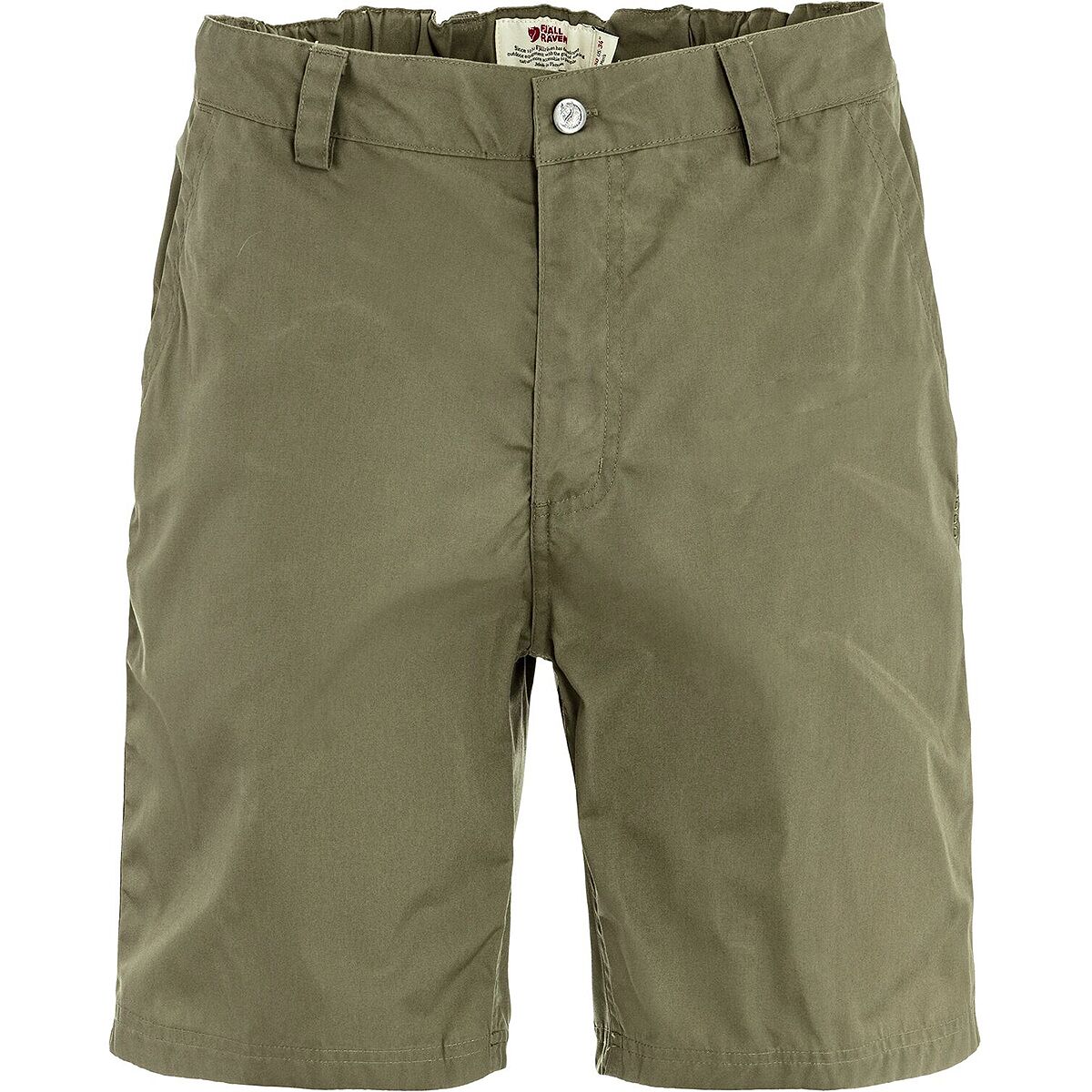
Vardag Relaxed Short - Men's
3 colors
$120.00
Discount Applies In Cart | Ends 11/16
(2)
Related Categories
Frequently Asked Questions
Which Fjällräven Run model is best for technical, rocky trails?
Choose a model with a stiffer midsole, a rock plate or midsole guard, and a lugged outsole—Fjällräven’s High Coast Trail and Greenland Trail variants are designed with those features in mind. Look for reinforced toe caps, climbing-style sticky rubber and deeper, multi-directional lugs to hold on roots and slabs; if you run steep descents frequently, prioritize stiffer soles and protective uppers.How should Fjällräven trail shoes fit for long-distance runs and big-vertical days?
Aim for about a thumb’s-width of room in the toe box to account for downhill foot splay and swelling, with minimal heel slip and snug midfoot hold from lacing. If you plan long days or heavier socks, try shoes on after a short run or with the socks you’ll wear; consider a half-size up if you’re between sizes to avoid toe banging on descents.What materials and construction features give Fjällräven Run shoes durability and protection?
Fjällräven Run designs use durable uppers with reinforcement panels—sometimes using high-strength fibers like Dyneema® or Kevlar®—plus rubber toe caps and abrasion-resistant overlays for debris and root protection. Combined with firm rubber outsoles, protective rock plates in the midsole, and tuned lug patterns, these features extend life and shield feet on rough terrain while aligning with Fjällräven’s sustainability emphasis.How does the High Coast Trail compare to the Greenland Trail for traction and cushioning?
The High Coast Trail is oriented toward lighter, faster forest and coastal runs with a more responsive, lower-to-moderate stack and tighter lug pattern for quicker transitions on packed trails. The Greenland Trail leans toward heavier-duty protection—think deeper lugs, more robust toe reinforcement and a thicker midsole—making it better for muddy, technical or rock-strewn routes and longer days where extra cushioning and protection matter.Which Fjällräven Run shoe should I choose based on my gait and foot type?
If you have a neutral gait, pick the model that matches your preferred cushion level (minimal for ground feel, moderate for balanced protection, max for long distances); Fjällräven shoes generally avoid heavy stability tech, so orthotics or stiffer midsoles can help severe overpronators. For wide feet or high-volume arches, prioritize roomy toe boxes and removable insoles to fine-tune fit, and consider a gait analysis if you’re unsure about control needs.