


Up To 20% Off Full-Price Items
Shop now
EXTRA 20% Off Clearance
Shop now | Ends 11/9
Get An EXTRA $50 Cash Back*
Summit+ exclusive
Fjallraven Men's Vests
5 results


+2
Fjallraven
Buck Fleece Vest - Men's
6 colors
$149.95
Discount Applies In Cart | Ends 11/16
(16)

Fjallraven
Abisko Padded Vest - Men's
3 colors
$126.00 - $180.00
Up to 30% off
Discount Applies In Cart | Ends 11/16
(6)

Fjallraven
Bergtagen 60 Insulation Vest - Men's
3 colors
$214.95
Discount Applies In Cart | Ends 11/16
(1)

Fjallraven
Greenland Down Liner Vest - Men's
3 colors
$229.95 - $244.95
Discount Applies In Cart | Ends 11/16
(8)

Fjallraven
Expedition X-Latt Vest - Men's
3 colors
$143.50 - $205.00
Up to 30% off
Discount Applies In Cart | Ends 11/16
(6)
Related Categories
 Fjallraven Men's Insulated Jackets
 Fjallraven Men's Down Jackets
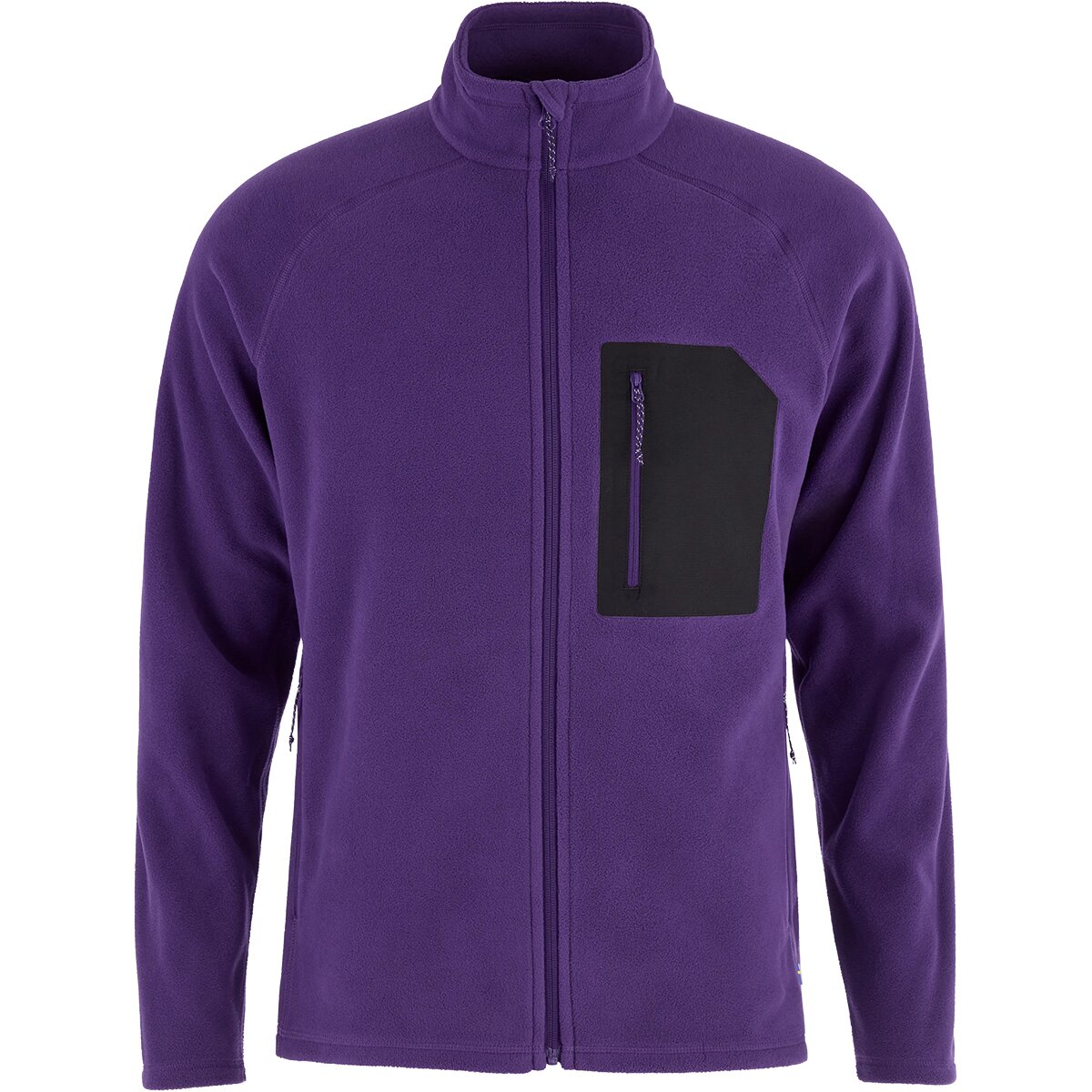 Fjallraven Men's Fleece Jackets
 Fjallraven Men's Rain Jackets
 Fjallraven Men's Technical Shell Jackets
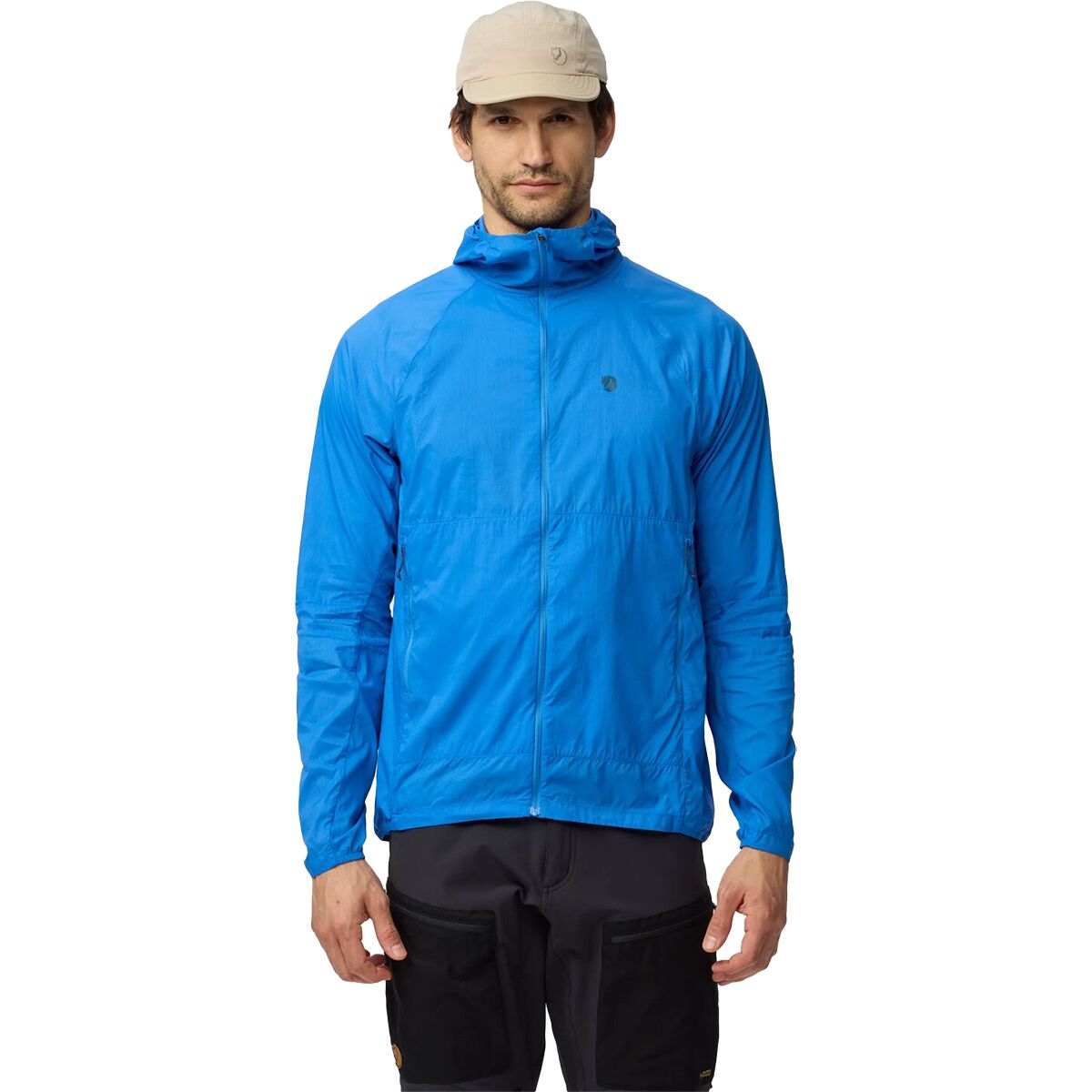 Fjallraven Men's Windbreakers
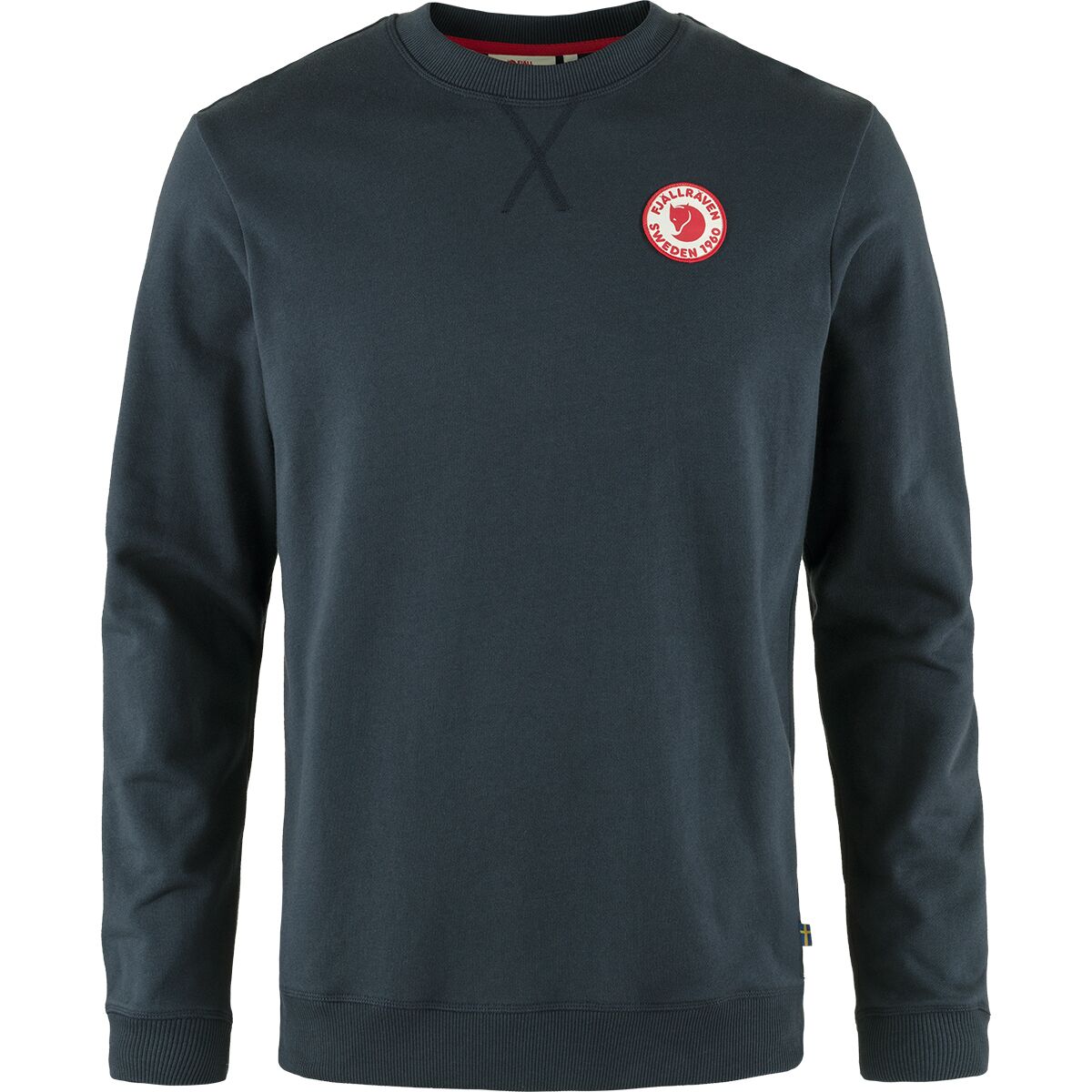 Fjallraven Men's Hoodies Sweatshirts
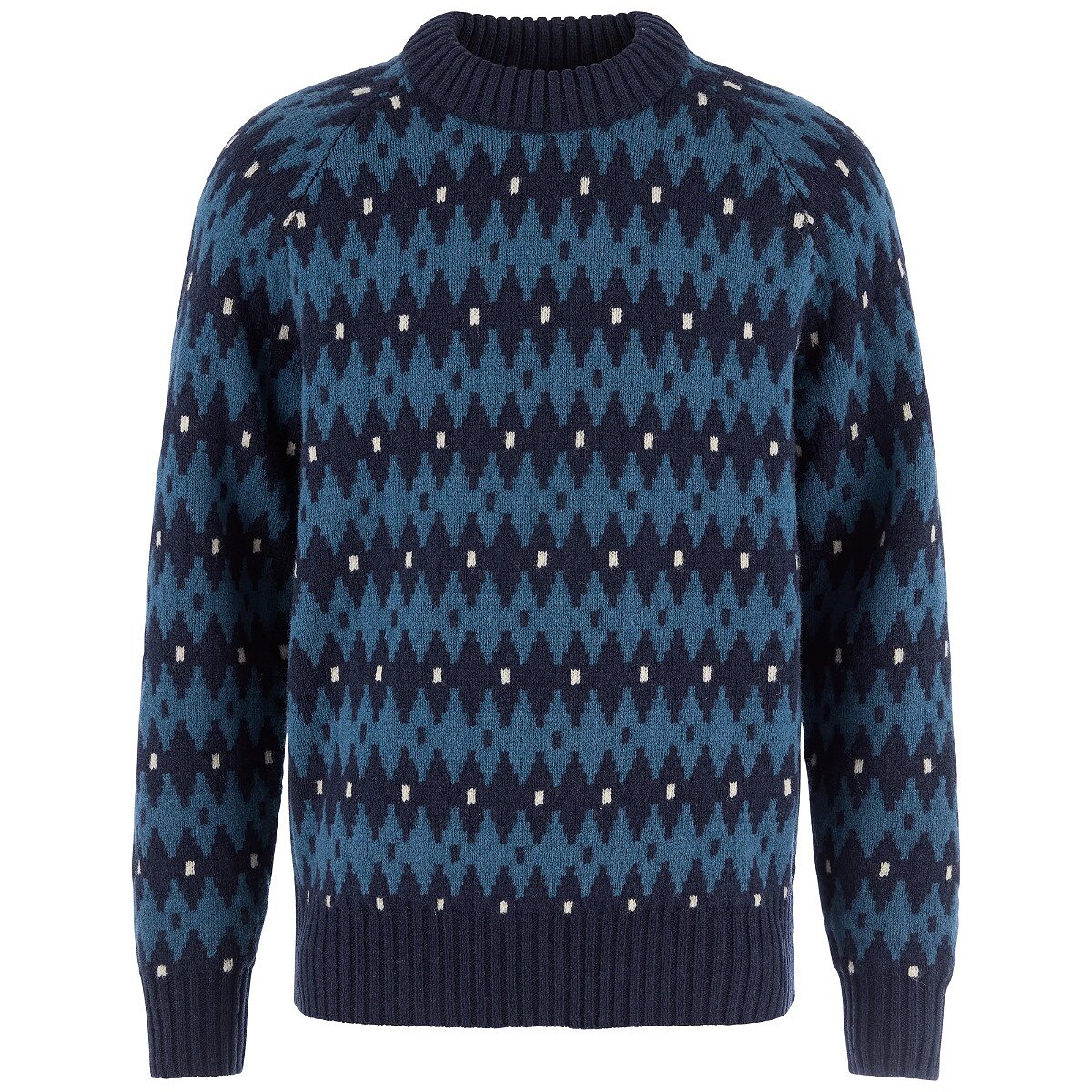 Fjallraven Men's Sweaters
 Fjallraven Men's Hiking Climbing Pants
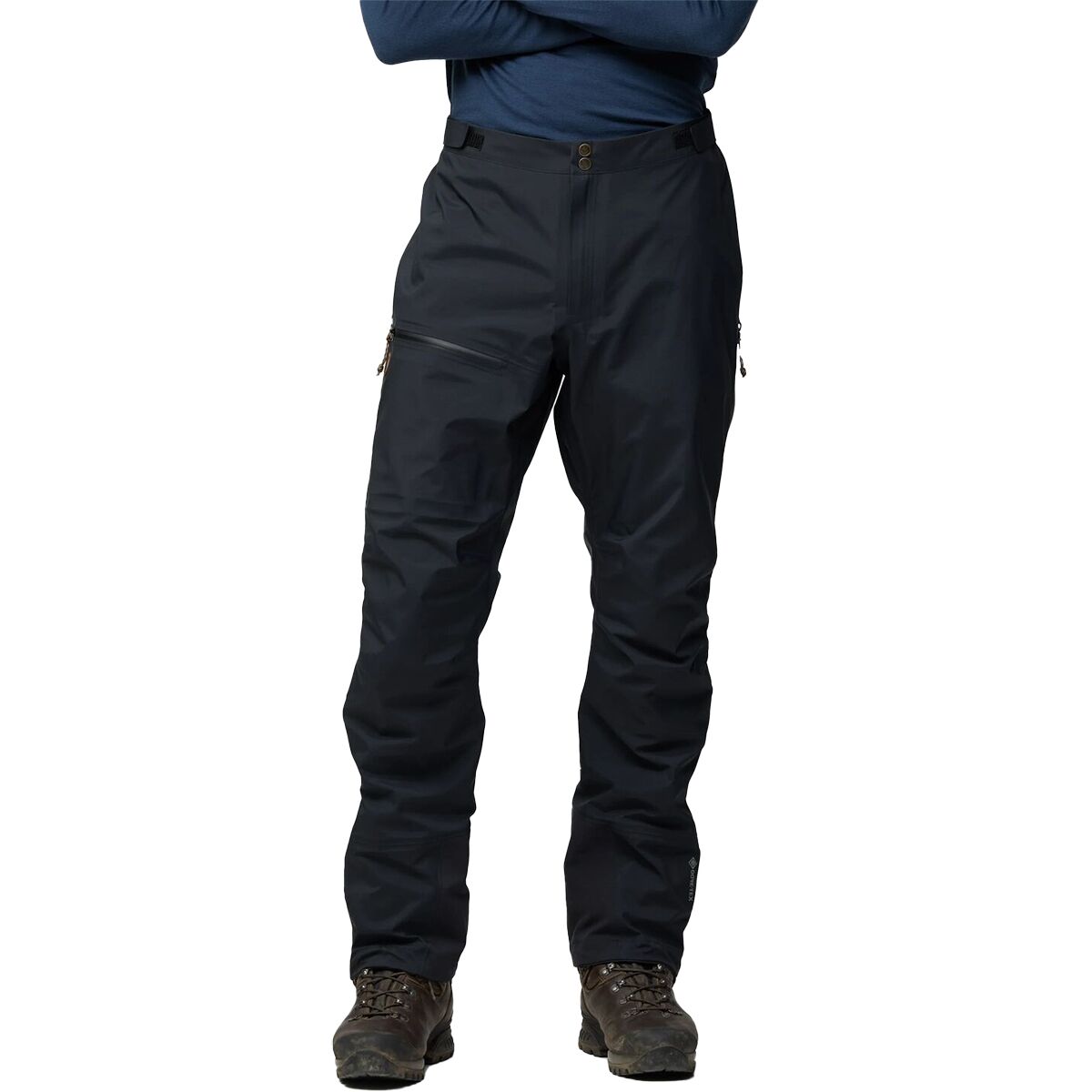 Fjallraven Men's Softshell Pants
Frequently Asked Questions
Which Fjallraven men's vest is best for cycling versus hiking or cold-weather trekking?
Choose a cycling-specific vest like the Hoja Adventure Vest when you need a lightweight, aerodynamic, and packable layer—Hoja weighs roughly 10 oz and has a cut optimized for bike position. For cold-weather trekking or stationary outdoor work, the Singi Padded Vest provides synthetic low-profile insulation and more pocket storage, while the Buck Fleece Vest is best as a warm, breathable midlayer for active hiking. Match the vest type (lightweight, fleece, padded) to your activity and expected wind/cold exposure.How should a Fjallraven men's vest fit, and how do I pick the right size?
Fjallraven vests typically use a regular fit, with some models tailored for cycling that have elastic armhole trim and a slightly longer back; measure chest, waist, and seat with a snug tape and allow room for the base or midlayer you plan to wear underneath. If you ride or move dynamically, look for a closer, articulated cut or cycling-specific models like the Hoja; if layering over thicker fleeces, size for additional room. Always consult the model-specific size chart and compare your measurements to the listed chest/waist dimensions.What materials and construction details should I prioritize for durability and weather resistance?
Look for G-1000 or HC-Lite reinforcements on shoulders and chest for abrasion and wind resistance, recycled polyester or synthetic insulation in padded models for warmth, and knitted/brushed fleece for comfortable midlayer warmth. Many Fjallraven vests use PFAS-free treatments and recycled fibers to balance weather resistance with sustainability. Key construction details include zippered hand pockets, durable zippers and hems, and packability into a pocket if you need a compressible layer.How does the Hoja Adventure Vest compare to the Singi Padded Vest for all-day outdoor use?
The Hoja Adventure Vest is built for active, fast-moving pursuits like cycling—it's lightweight, highly packable, and shaped for mobility (about 10 oz), whereas the Singi Padded Vest focuses on insulated warmth and has more storage pockets for multi-day or colder-weather use. Hoja favors breathability and low bulk, while Singi uses synthetic padding to trap heat with slightly more structure and coverage. Choose Hoja for aerobic activities and minimal carry weight, and Singi for colder conditions or when extra pocket capacity and insulation matter.Can I wax or treat Fjallraven G-1000 vests for better water resistance, and how does that affect care?
Yes, G-1000 panels can be treated with Greenland Wax to increase water and abrasion resistance; waxing tightens the weave for more protection but reduces initial breathability until re-treated appropriately. Re-waxing is recommended periodically rather than frequent machine washing, and you should follow garment care labels (gentle wash, avoid fabric softeners) to preserve insulation loft and fabrics like recycled polyester or fleece. Waxing and proper care extend fabric life and maintain the vest’s protective properties.