


Up To 20% Off Full-Price Items
Shop now
EXTRA 20% Off Clearance
Shop now | Ends 11/9
Get An EXTRA $50 Cash Back*
Summit+ exclusive
Farm To Feet
28 results

Farm To Feet
Boulder Medium Weight Crew Hiking Sock
4 colors
Winter Sale
(2)
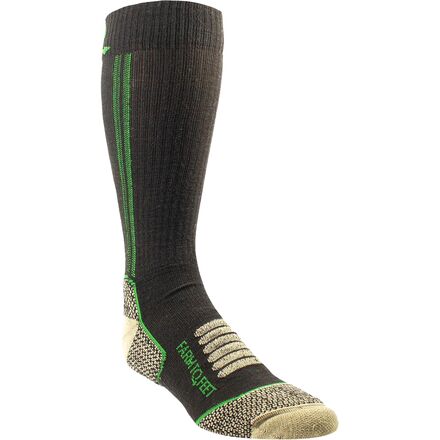
Farm To Feet
Ely Mid-Calf Lightweight Hiking Sock - Men's
1 color
Winter Sale

Farm To Feet
Harpers Ferry 3/4 Lightweight Hiking Sock
1 color
Winter Sale
(3)

Farm To Feet
Chester Trail Midweight Hiking Sock - Men's
1 color
Winter Sale
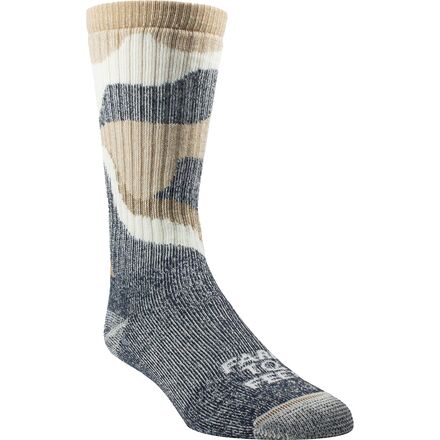
Farm To Feet
Rugged Trail - Tahoe Full Cush Crew Sock
1 color
Winter Sale

Farm To Feet
Boulder Traditional Lightweight Hiker Sock
1 color
Winter Sale
(1)

Farm To Feet
Greys Peak Trail Midweight Hiking Sock - Men's
1 color
Winter Sale
(1)

Farm To Feet
Damascus 3/4 Crew Sock
1 color
Winter Sale
(14)

Farm To Feet
Cascade Locks Lightweight 3/4 Crew Hiking Sock
2 colors
Winter Sale

Farm To Feet
Journey Lightweight Sock
2 colors
Winter Sale
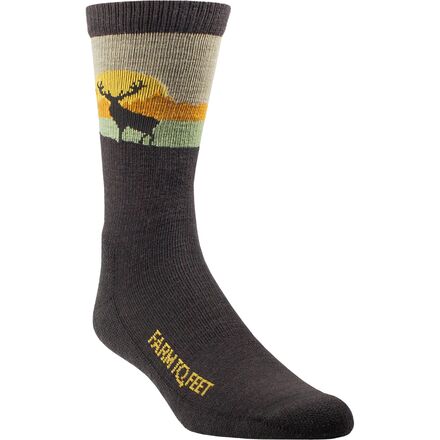
Farm To Feet
Pineville Crew Sock
2 colors
Winter Sale
(4)

Farm To Feet
Boulder Traditional Lightweight Hiker Sock
1 color
Winter Sale

Farm To Feet
RockHill Innova 3/4 Damascus Sock
1 color
Winter Sale
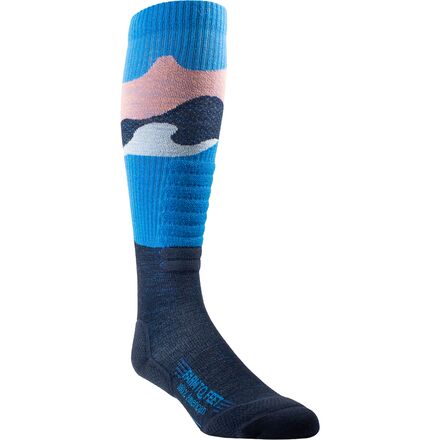
Farm To Feet
Sun Valley LTC OTC Sock
1 color
Winter Sale

Farm To Feet
Jackson 2.0 NC OTC Sock
1 color
Winter Sale

Farm To Feet
Boulder Traditional Lightweight Hiker Sock
1 color
Winter Sale

Farm To Feet
Wilson 2.0 Snow OTC Sock
2 colors
Winter Sale
(1)

Farm To Feet
Waitsfield 2.0 Snow OTC Sock
4 colors
Winter Sale
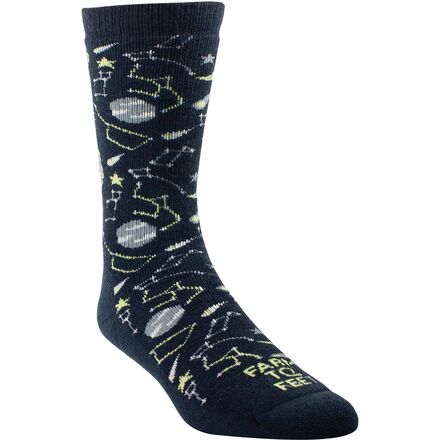
Farm To Feet
Arco Crew Sock
1 color
Winter Sale

Farm To Feet
Anchorage Crew Sock
1 color
Winter Sale

Farm To Feet
Max Patch 1/4 Lightweight Hiking Sock
2 colors
Winter Sale

Farm To Feet
Damascus 3/4 Midweight Hiking Sock
1 color
Winter Sale

Farm To Feet
Blue Ridge Hiker 3/4 Crew Sock - Women's
1 color
Winter Sale

Farm To Feet
Damascus Technical Low Sock - Men's
1 color
Winter Sale

Farm To Feet
Hamilton Crew Sock - Women's
2 colors
Winter Sale
(19)

Farm To Feet
Damascus Lightweight Technical 1/4 Crew Sock - Men's
3 colors
Winter Sale

Farm To Feet
Damascus Lightweight Hiking Sock - Men's
1 color
Winter Sale

Farm To Feet
Ithaca Multi Stripe Sock - Women's
1 color
Winter Sale
(16)
Related Categories
Frequently Asked Questions
How should Farm to Feet socks fit and what sizing tips help prevent blisters?
Farm to Feet socks use nylon-covered LYCRA spandex to contour from welt to toe, so you want a snug, size-appropriate fit that eliminates heel slip and reduces friction. Use the brand size chart and pick the height (quarter, crew, etc.) that matches your boot collar; a properly sized sock plus no‑slide construction helps prevent hotspots and blisters.How does the Technical Series compare to the Ely hunting sock?
The Technical Series focuses on activity-specific 3D Active Knit patterns and targeted cushioning for hiking, backpacking, and fastpacking, prioritizing breathability and foot support. The Ely is tuned for hunting with heavier cushion options, camouflage colorways, and models that incorporate copper fibers for added antimicrobial protection in high‑sweat zones. Choose Technical for dynamic trail use and Ely when you need added insulation, odor control, and camo-friendly styling.What does 3D Active Knit Technology™ do for trail performance?
3D Active Knit Technology™ uses multi‑dimensional knit patterns to create zonal support, strategic ventilation, and durable reinforcement where your foot needs it most. That structure stabilizes the foot, manages the micro‑climate to wick moisture and reduce hot spots, and helps the sock retain shape through repeated use.What materials and construction features make Farm to Feet socks durable for backpacking?
Farm to Feet combines U.S.-grown merino wool for temperature regulation and moisture management with plaited nylon-covered yarns and LYCRA for stretch, creating reinforced high‑impact zones at heel and toe. Hand-touched production in Mount Airy with optimized wool twist and multi‑ply nylon increases abrasion resistance and long‑term durability for heavy miles.Which cushion level and sock height should I choose for different terrains and activities?
For fastpacking or summer trail runs choose a lighter cushion and a lower height (quarter) to reduce bulk and heat; for day hikes and mixed terrain a midweight, crew height balances protection and breathability. For backpacking, cold-weather use, or hunting select heavier cushion and taller heights (crew or higher) to increase insulation, impact protection, and comfort under heavier loads.