


Up To 70% Off Black Friday Sale
More brands added | Shop now
20% Off Full-Price Items
Shop now
Earn 15% Cash Back On Snow Gear*
Summit+ exclusive
Dynafit Snowboard
6 results

Dynafit
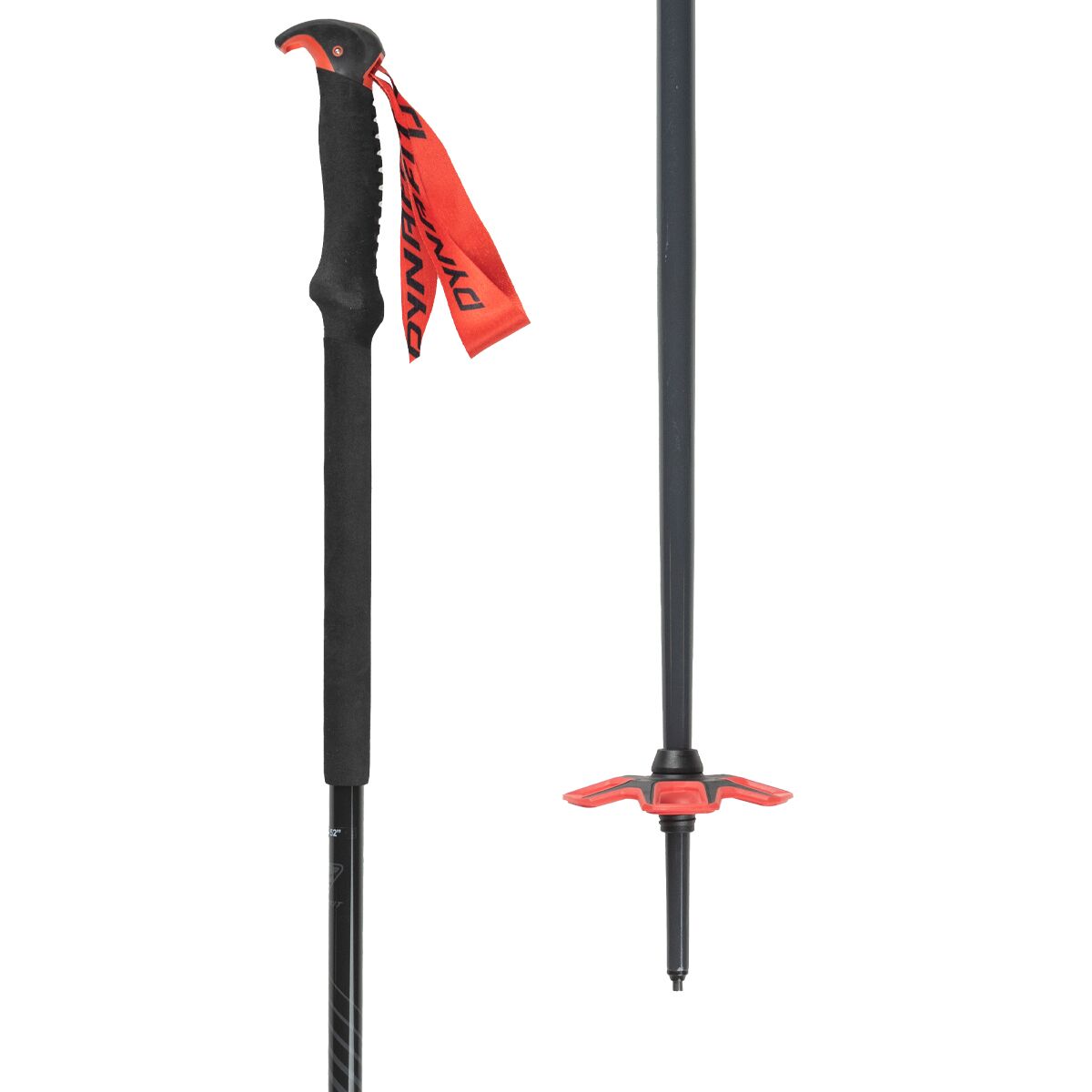
Tour Ski Poles
2 colors
$67.46 - $89.95
Up to 25% off
15% Cash Back For Summit+ | Ends 12/3
(7)
HSA/FSA Eligible

Dynafit
TLT Helmet
2 colors
$159.95
15% Cash Back For Summit+ | Ends 12/3
(1)

Dynafit
Speed Vario 2.0 Ski Poles
1 color
$179.95
15% Cash Back For Summit+ | Ends 12/3
(6)

Dynafit
Speed Goggles
1 color
Current price: $69.98 Original price: $139.95
50% off
Cyber Bundle | Extra 20% Off Helmets & Goggles

Dynafit
TLT Revo Goggle
1 color
Current price: $89.98 Original price: $179.95
50% off
Cyber Bundle | Extra 20% Off Helmets & Goggles

Dynafit
Tour Vario 2.0 Ski Poles
1 color
$159.95
15% Cash Back For Summit+ | Ends 12/3
(6)
Related Categories
Frequently Asked Questions
What makes Dynafit ski touring bindings special compared to frame-style or alpine bindings?
Dynafit uses lightweight pin-style toe and heel systems (often with a short Speed Nose toe) that minimize weight and friction for efficient ascents while still providing reliable release mechanics for descents. Their designs prioritize high cuff rotation and low mass—using materials like Grilamid and carbon—to save energy on long tours, and many models offer adjustable risers and optional brakes for downhill performance.How do Dynafit's Race, Speed, Touring, and Freetouring lines differ and which should I choose?
Race models (e.g., TLT-series race bindings/boots) emphasize ultra-low weight and simple operation for skimo competition, Speed models balance low weight with more durability and user-friendly features, Touring models focus on comfort and stable descents, and Freetouring items (like Vulcan boots) shift toward downhill power and crampon compatibility. Choose Race for fastest ascents and minimal weight, Speed for high-performance touring with some durability, Touring for long days with stable skiing, and Freetouring for more aggressive downhill terrain.Which Dynafit boots are best for fast ascents versus big downhill days?
For fast ascents and skimo racing, Dynafit’s Race/Speed boots such as the TLT8 Expedition prioritize minimal weight, high cuff rotation, and simplified closures for efficient strides. For more downhill-oriented touring or powder days, boots like the Vulcan offer beefier soles, stiffer flex and more robust buckling systems to deliver better power transfer and control on descents.How do cuff rotation, flex rating, and weight affect tour performance and what numbers should I look for?
Higher cuff rotation (around 60–75°) and fewer buckles improve stride length and uphill efficiency, while stiffer flex (roughly 100–130 flex for performance touring) and heavier construction favor downhill stability and power transfer. If your priority is long, fast uphill travel choose lighter boots and bindings with wide cuff rotation; if you spend more time charging descents, select stiffer boots and bindings with stronger lateral/vertical release and brakes.What binding and boot compatibility or features should I verify before buying Dynafit touring gear?
Confirm the boot’s touring (tech) toe/heel interface and sole length against the binding’s tech fittings, check whether you need a brake and its width to match your ski waist, and verify crampon compatibility if you plan glacier work or steep approaches. Also consider the binding’s release range (some Dynafit models offer high DIN-compatible designs), available riser heights for steep climbs, and user-friendly adjustments like micro-adjust buckles or Ultra Lock-style closures for quick transitions.