


20% Off Full-Price Items
Shop now
Up To 50% Off Winter Sale
Shop now
Get An EXTRA $50 Cash Back*
Summit+ exclusive
Dynafit Men's Footwear
1 result

Dynafit
Podium Sandal
2 colors
Current price: $42.06 Original price: $59.95
30% off
Winter Sale
(4)
Related Categories

Frequently Asked Questions
How should I size Dynafit men's trail running shoes for long technical runs?
Dynafit shoes generally fit true to US size; if you’re between sizes consider sizing down for a snug fit or choosing a Maximum Volume option if you expect foot swelling on long efforts. Look for features like the Heel Preloader, seamless tongue, and forefoot cage to fine-tune pressure and prevent hot spots on technical terrain. If you're using thicker socks or a waterproof GORE‑TEX model, allow a little extra room in the toe box.Which Dynafit model is best for ultra-distance runs versus fast technical outings?
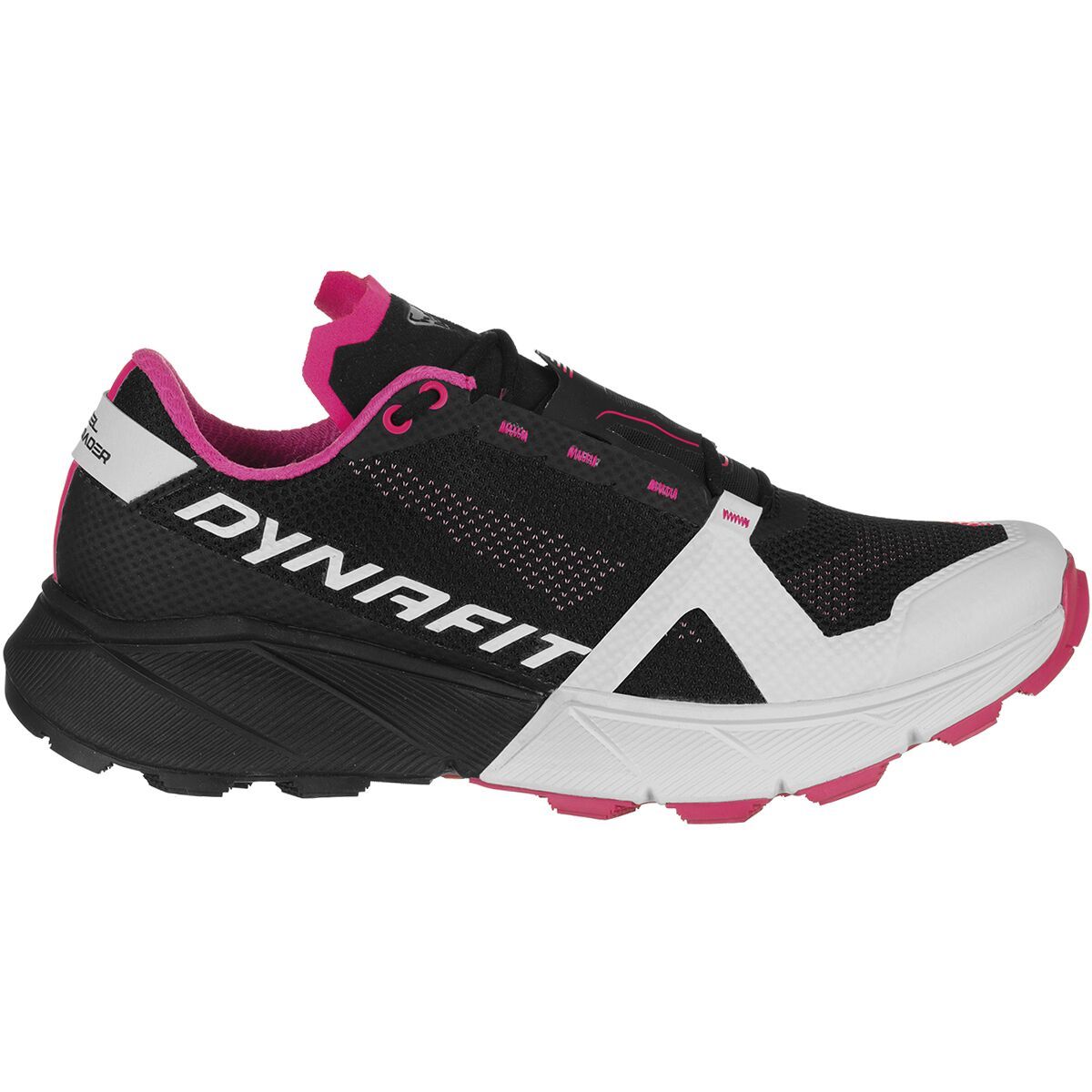
For ultra-distance racing or long days the Ultra 100 V3 is tailored to that use with SPEEDFOAM cushioning, a 34mm stack and a 6mm drop that balances cushioning and efficiency. The Ultra 50 offers very high cushion (noted 5/5) and an 8mm drop for riders who prefer a plusher platform, while the Trail Running Shoe (SPEEDLITE midsole, ~260g, 6mm drop) is lighter and better for fast, technical outings where responsiveness matters. Choose by prioritizing maximal cushion and stack for long ultras or lower weight/energy‑return for speed on mixed terrain.How do Dynafit outsoles (Vibram Megagrip, XS Trek, POMOCA) compare for grip on wet rock, mud, and loose gravel?
Vibram Megagrip excels on wet rock and mixed surfaces with sticky rubber and reliable bite, while XS Trek variants prioritize multi‑surface durability and traction balance. POMOCA outsoles (used on Transalper and some Alpine models) deliver aggressive lug patterns and 5mm lug depths for self‑cleaning traction on mud and loose alpine scree. Look at lug depth (4–5mm on many Dynafit models) and rubber compound when matching shoes to the dominant terrain you'll run.Are there waterproof Dynafit trail shoes and what tradeoffs do Gore‑Tex models introduce?
Yes, several Dynafit models are offered with a GORE‑TEX membrane for reliable waterproofing on wet routes and alpine approaches. The waterproof barrier reduces airflow compared with standard breathable knit uppers, so feet can feel warmer and slightly less ventilated during high‑output efforts. If you expect mixed seasons, choose a waterproof version for wet protection but consider a slightly roomier volume if you run long distances to accommodate reduced breathability.How do Dynafit stability and protection features (stability plates, TPU toe caps, Alpine Rocker) affect performance on technical descents?
Stability plates and forefoot cages add torsional support and rock protection so your foot rests more securely over uneven stone, while TPU toe caps shield against bashing on technical approaches. Alpine Rocker geometry smooths roll‑off on steep descents to reduce fatigue and improve confidence, particularly helpful on rocky, off‑trail terrain. If you prioritize protection and a secure platform for alpine or technical mountain runs, look toward Alpine or Transalper models that emphasize these features and higher lug profiles.