


Up To 20% Off Full-Price Items
Shop now
EXTRA 20% Off Clearance
Shop now | Ends 11/9
Get An EXTRA $50 Cash Back*
Summit+ exclusive
Db Snowboard
7 results


Db
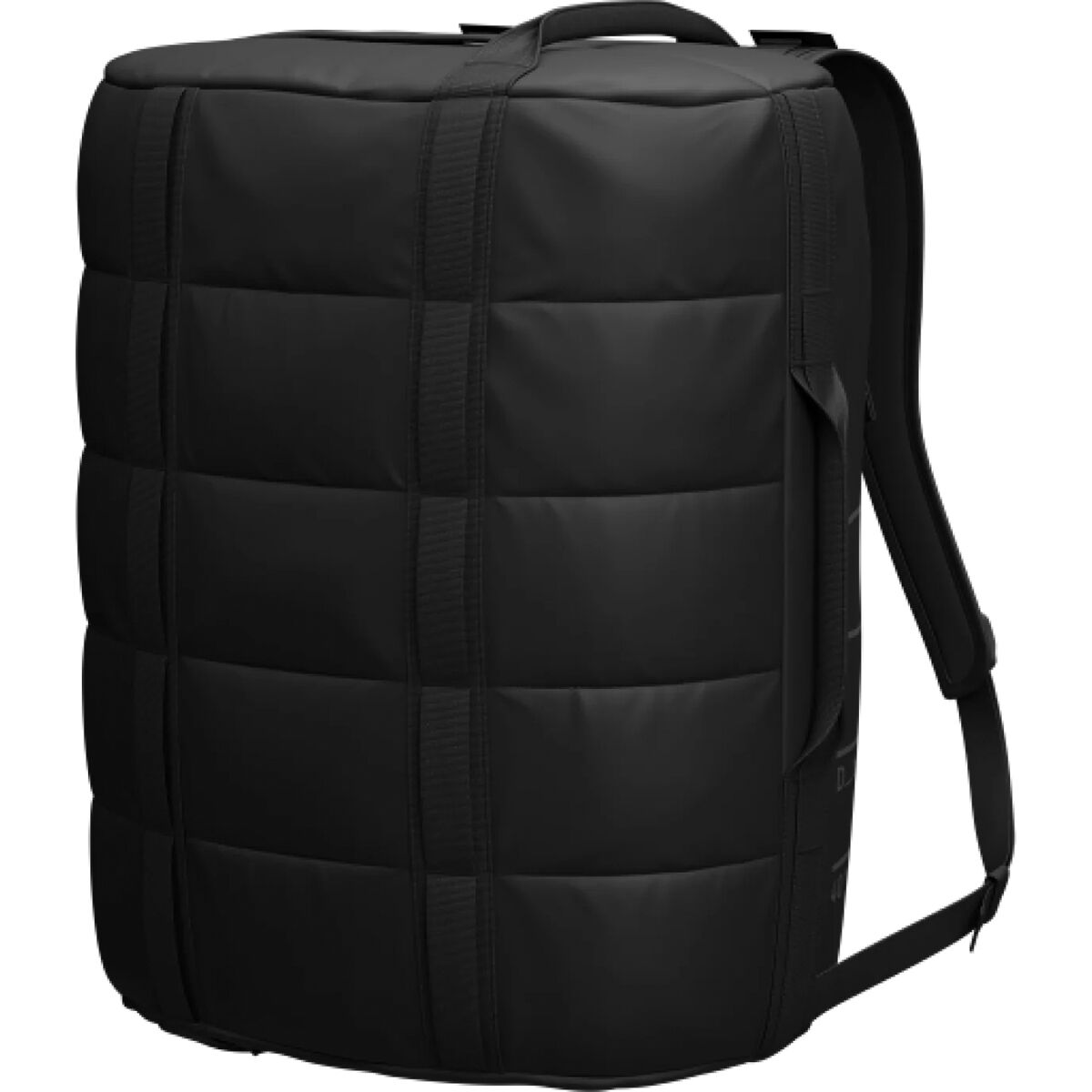
Snow Roller Pro
4 colors
$338.96 - $368.96
Discount Applies In Cart | Ends 11/16
(7)

Db
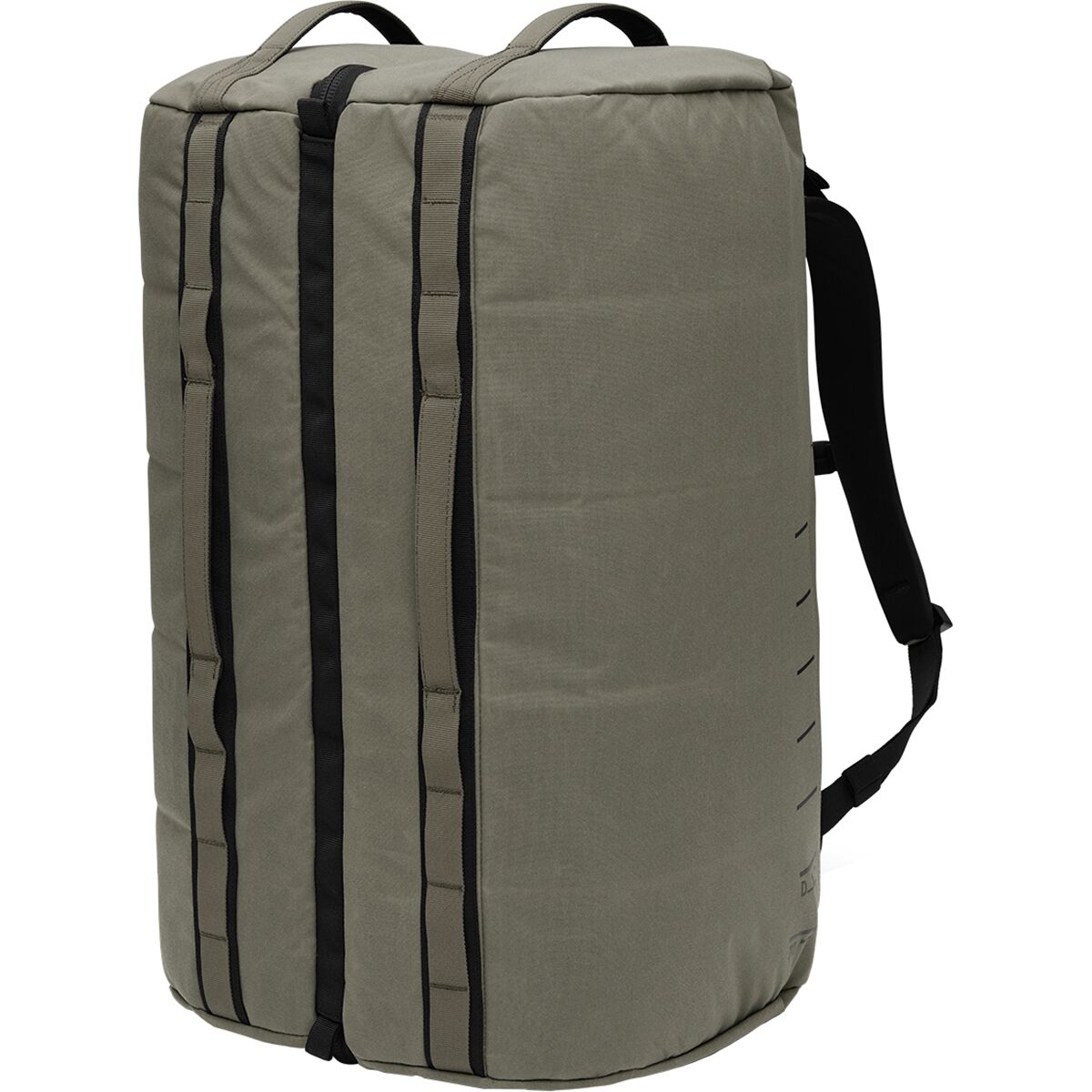
Snow Roller
2 colors
$298.96 - $328.96
Discount Applies In Cart | Ends 11/16

Db
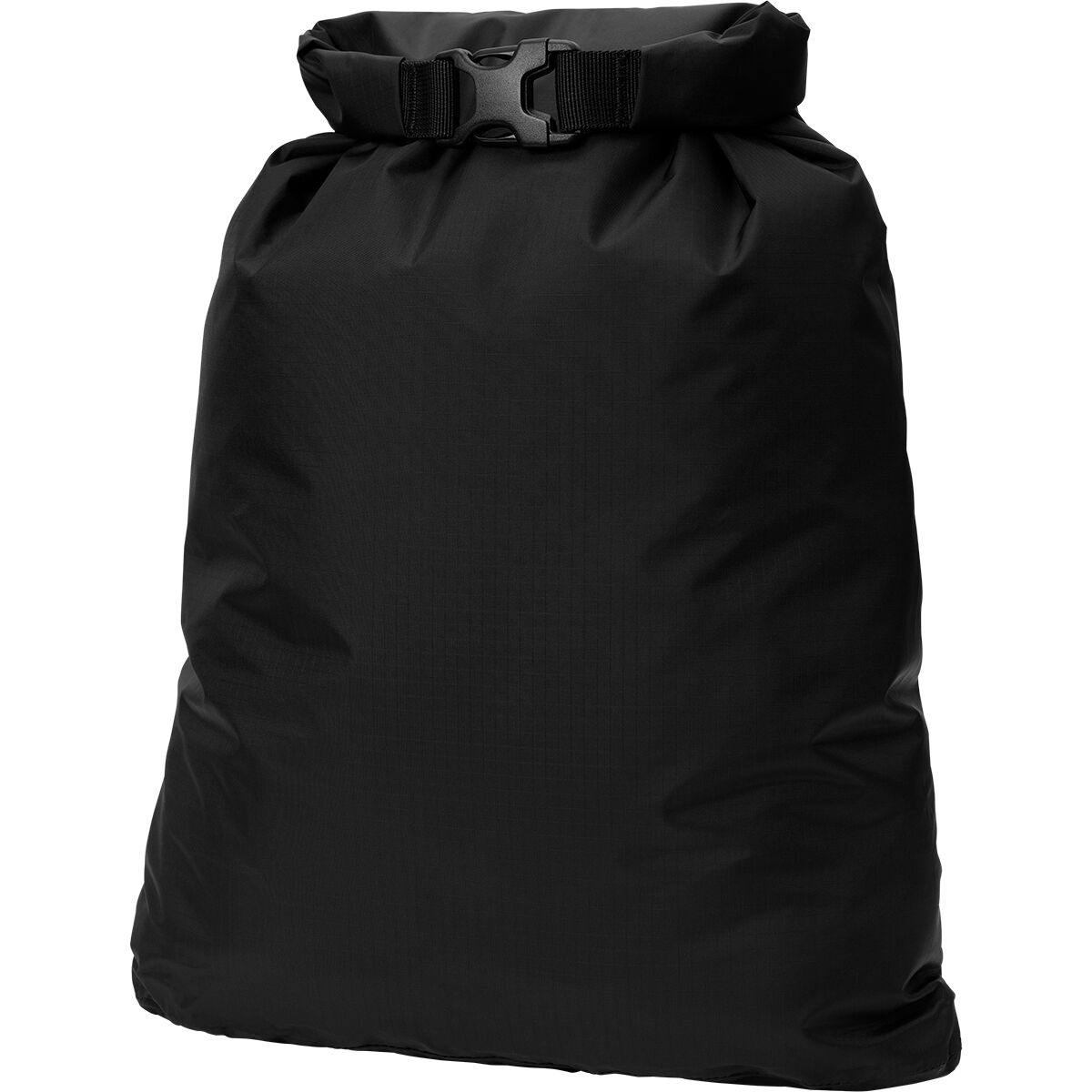
Snow Essential Snowboard Bag
1 color
$98.96
Discount Applies In Cart | Ends 11/16

Db
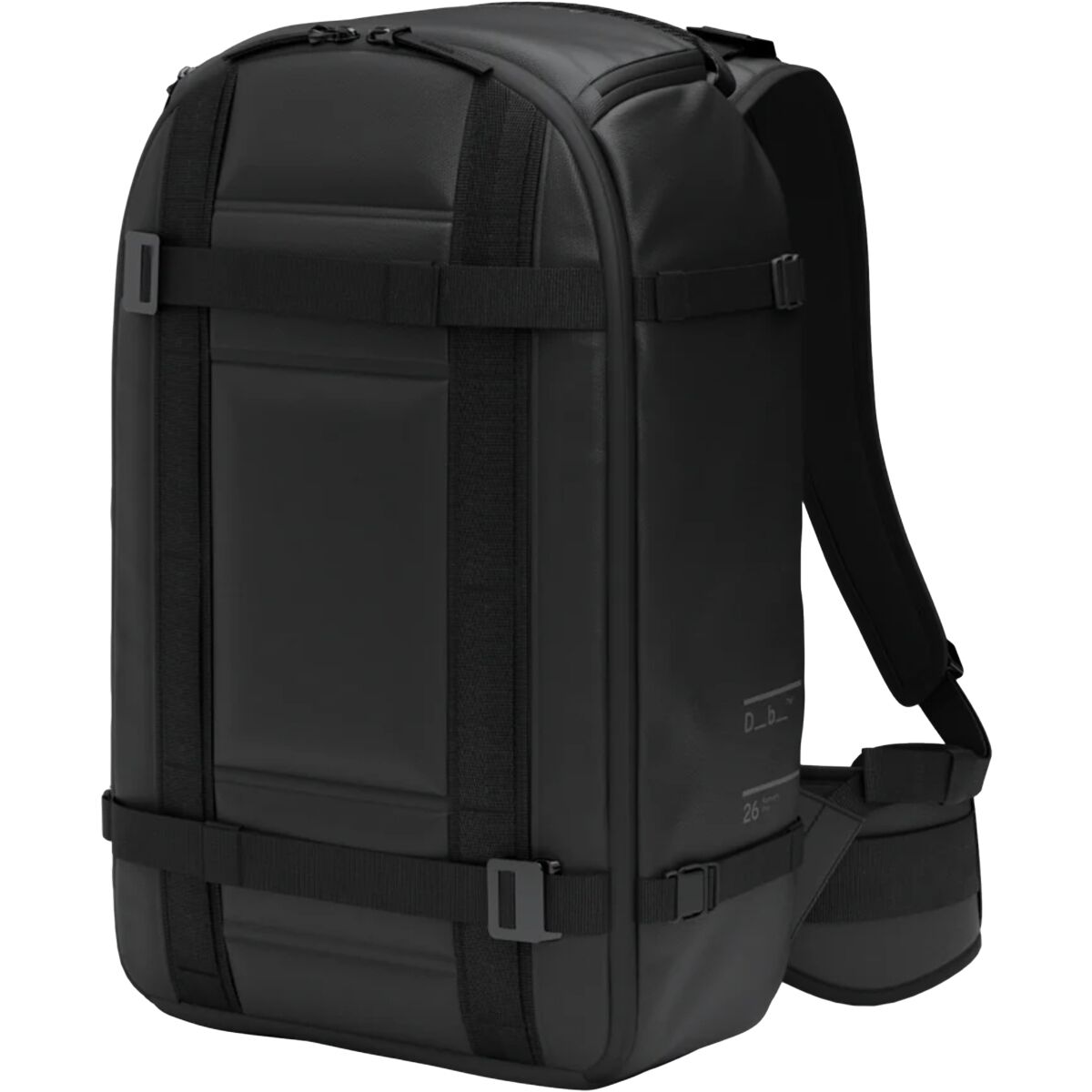
Backcountry 25L Backpack
2 colors
$198.96
Discount Applies In Cart | Ends 11/16

Db
Entour 32L Helmet Bag
1 color
$348.96
Discount Applies In Cart | Ends 11/16

Db
Backcountry 20L Backpack
2 colors
$178.96
Discount Applies In Cart | Ends 11/16

Db
Snow Pro 32L Backpack
1 color
$298.96
Discount Applies In Cart | Ends 11/16
(1)
Related Categories


Frequently Asked Questions
How do I choose between all-mountain, freeride, freestyle, and backcountry snowboards?
Match the board category to where and how you ride: freestyle boards (true twin, softer flex) prioritize park tricks and switch riding, all-mountain boards balance groomers, powder, and park with medium flex, freeride/directional boards favor steep terrain and powder with stiffer flex and directional shapes, and backcountry boards offer wider waists, flotation shapes, and touring-compatible setups for uphill travel and deep snow. Consider your local terrain, preferred turn size, and skill level when choosing a category, and consult manufacturer size charts and tech specs for model-specific guidance.How should I pick the right snowboard length, width, and shape for my weight, boots, and riding style?
Choose length primarily by weight and intended terrain — longer boards for high-speed stability and powder flotation, shorter boards for park, quick turns, and beginner control — and select a wider board if you wear large boots to avoid toe drag. Shape matters: directional or directional-twin for flotation and carving in one direction, true twin for balanced switch performance; always verify manufacturer sizing charts and consider demoing to confirm personal fit.What are the key ride differences between camber, rocker/camber hybrid, and flat profiles?
Camber gives strong edge hold, snap, and stability on hardpack and at speed, making it good for carving and pop; rocker/camber hybrids (e.g., PurePop–style or HALFcamber60–type mixes) combine rocker for float in powder with camber underfoot for edge hold and pop, ideal for all-mountain versatility; flat or flat-to-rocker profiles provide quick turn initiation and a playful, forgiving feel best for park and softer snow. Match profile choice to your preferred snow conditions and turn style rather than model hype.How do core materials and construction features like Super Fly II 700G, S1 Core, Thermopolymer Hover Core, and Carbonflax affect a board’s performance?
Core and layup determine weight, pop, dampening, and torsional response: lighter cores (Super Fly II 700G, Thermopolymer Hover Core) reduce swing weight for quick turns and uphill efficiency, S1-style cores balance power and durability, while Carbonflax or carbon stringers add snap and responsiveness. Construction elements such as biax vs. triax fiberglass, sintered vs. extruded bases, Slimewalls/chatter-absorbing edges, and single-impact plates under bindings influence durability, edge hold, and vibration damping—pick features that match your terrain and aggressiveness.How does the Burton Process compare to CAPiTA models with a Thermopolymer Hover Core and the RIDE Agenda?
The Burton Process is traditionally a park-oriented, all-mountain twin that emphasizes pop, butterability, and a playful medium flex suited to riders who split time between park and piste. CAPiTA boards equipped with a Thermopolymer Hover Core focus on reduced weight and added dampening for smoother rides and improved float in softer snow, making them attractive for freeride/all-mountain riders seeking lightness and stability. The RIDE Agenda tends toward an accessible all-mountain platform with approachable flex and balanced performance for riders who want one board for resort laps and occasional off-piste — choose based on whether you prioritize park playfulness (Process), lightweight damped flotation (CAPiTA Hover Core), or do-it-all versatility (Agenda).