


Up To 20% Off Full-Price Items
Shop now
EXTRA 20% Off Clearance
Shop now | Ends 11/9
Get An EXTRA $50 Cash Back*
Summit+ exclusive
Db Ski
6 results

+3
Db
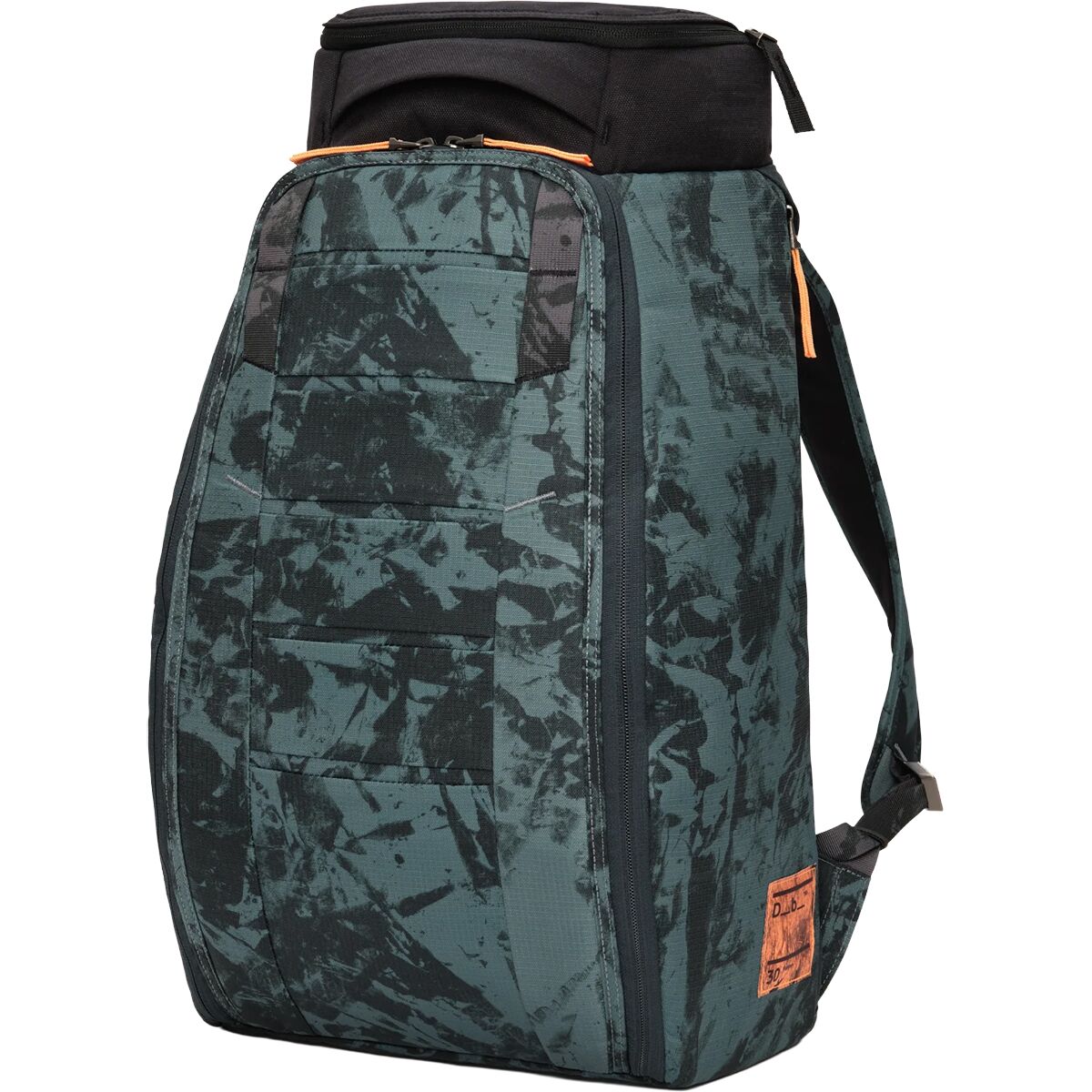
Hugger 30L Backpack
7 colors
$228.95 - $228.96
Discount Applies In Cart | Ends 11/16
(1)

Db
Snow Essential Ski Bag
1 color
$98.96
Discount Applies In Cart | Ends 11/16

Db
Backcountry 25L Backpack
2 colors
$198.96
Discount Applies In Cart | Ends 11/16

Db
Entour 32L Helmet Bag
1 color
$348.96
Discount Applies In Cart | Ends 11/16

Db
Backcountry 20L Backpack
2 colors
$178.96
Discount Applies In Cart | Ends 11/16

Db
Hugger 20L Backpack
3 colors
$198.96 - $208.96
Discount Applies In Cart | Ends 11/16
Related Categories



Frequently Asked Questions
How do I choose the right ski waist width for my skiing style and terrain?
Pick waist width by terrain and turn style: narrow skis (<90 mm) suit groomers and tight, quick turns; all-mountain skis (91–114 mm) are the most versatile for mixed snow and varied terrain; powder skis (115 mm+) prioritize flotation in deep snow. Match width to typical conditions and skill—beginners often prefer narrower, more forgiving skis, while advanced riders choose wider waists for stability and float.What do camber, rocker, and sidecut radius mean for on-snow performance?
Camber provides edge bite and pop for carving and firm snow, while rocker (tip and/or tail rise) improves flotation in soft snow and makes turn initiation easier. Sidecut radius (lower = tighter turns, higher = long arcing turns) dictates a ski’s preferred turn shape and responsiveness. Consider a cambered center with tip rocker for an all-mountain balance between grip and float.When should I choose skis with Titanal (Ti) or carbon laminates?
Choose Titanal (Ti) laminates when you want dampness, high-speed stability, and strong edge hold on hard or choppy snow—examples include models with “Ti” in the name like the K2 Mindbender Ti or Head Kore 100 Ti. Opt for carbon when you prioritize low weight and easy maneuverability for backcountry or uphill travel; carbon-equipped skis trade some damping for lighter swing weight.How does the Head Kore 100 Ti compare to the K2 Mindbender Ti for all-mountain skiing?
The Head Kore 100 Ti blends lightweight elements (carbon/graphene mixes in many Kore models) with metal for a nimble, versatile all-mountain feel and easier swing weight for variable terrain. The K2 Mindbender Ti typically emphasizes a beefier Titanal layup and a slightly more powerful, damp ride for aggressive carving and high-speed stability; choose Kore for playfulness and uphill-friendly mass, Mindbender Ti for outright power and dampness.How should I size downhill skis based on my height, weight, and ability?
Use ski sizing charts as a starting point: beginners generally go shorter than their height for easier turns, intermediates near chin-to-nose height for balance, and advanced skiers often choose skis at or above their full height for stability at speed. Also factor weight (heavier skiers need stiffer flex), intended terrain (longer for powder float), and preferred turn radius—when in doubt, consult brand-specific length charts or demo a model.