


20% Off Full-Price Items
Shop now
EXTRA 20% Off Clearance
Shop now | Ends 11/9
Get An EXTRA $50 Cash Back*
Summit+ exclusive
Dale of Norway
31 results


Dale of Norway
Vail Sweater - Men's
3 colors
(2)

Dale of Norway
Vail Weatherproof Sweater - Men's
3 colors
10% Cashback Eligible
(2)

Dale of Norway
Moritz Sweater - Men's
5 colors
(2)

Dale of Norway
1994 Sweater - Men's
2 colors
(3)

Dale of Norway
140th Anniversary Sweater - Men's
2 colors
(2)

Dale of Norway
Moritz Hat
4 colors
(1)

Dale of Norway
Setesdal Uni Sweater - Men's
3 colors

Dale of Norway
Kvitegga Scarf
1 color

Dale of Norway
Dale Christmas Sweater - Men's
1 color

Dale of Norway
Team Norway 2026 Cortina Sweater - Men's
2 colors

Dale of Norway
Cortina 1956 Sweater
2 colors

Dale of Norway
Garmisch Scarf
1 color

Dale of Norway
Garmisch Hat
2 colors

Dale of Norway
OL History Sweater - Men's
1 color
(1)

Dale of Norway
Vail Hat
3 colors

Dale of Norway
Christiania Hat
2 colors

Dale of Norway
Cortina 1956 Hat
3 colors

Dale of Norway
Cortina 1956 Headband
2 colors

Dale of Norway
Vardasen Scarf
1 color

Dale of Norway
Falkeberg Tote Bag
1 color

Dale of Norway
Egersund Tote Bag
1 color

Dale of Norway
Albertville Sweater - Men's
1 color
10% Cashback Eligible

Dale of Norway
Skipsleia Sweater
1 color

Dale of Norway
Moritz Jacket - Men's
2 colors
10% Cashback Eligible

Dale of Norway
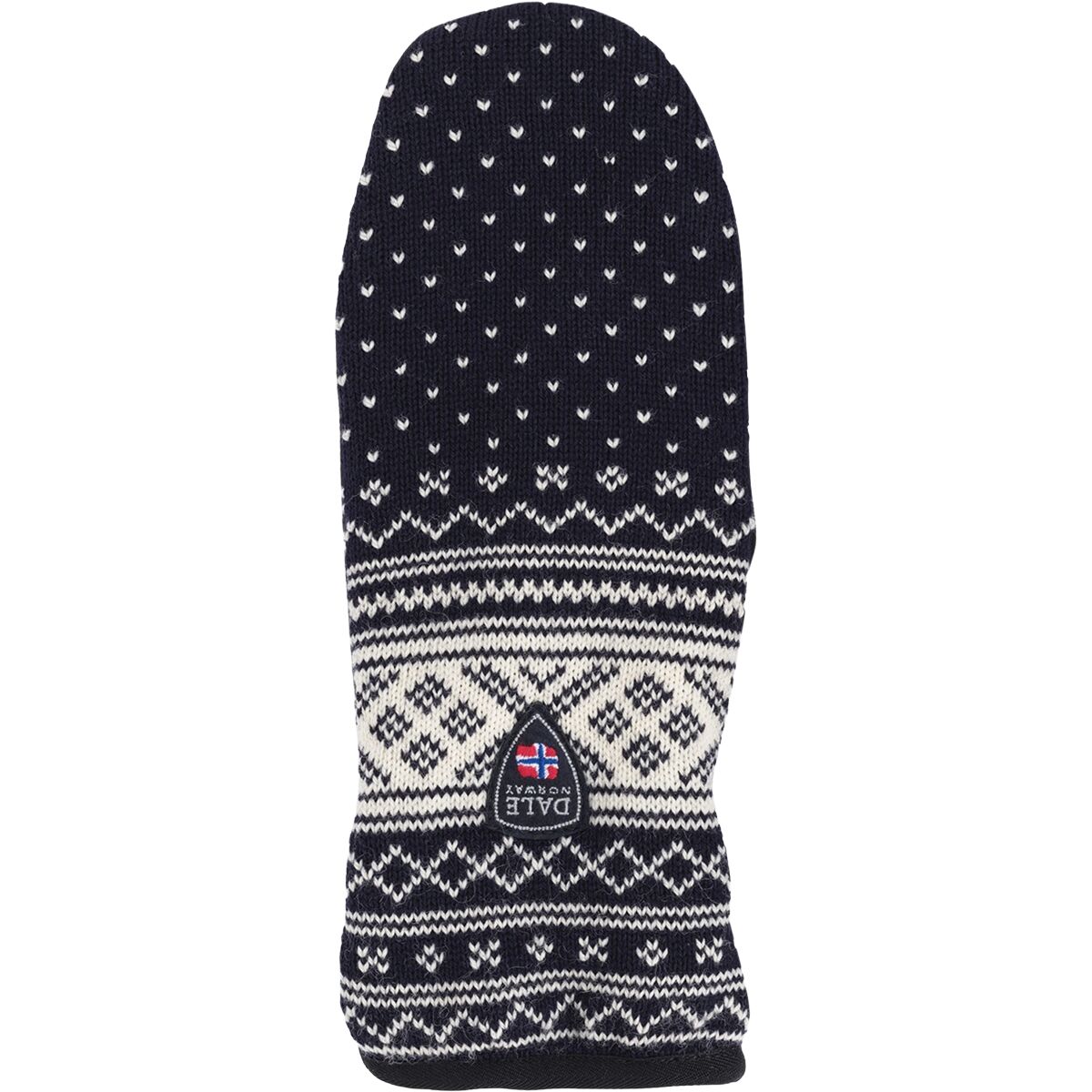
Valloy Polar Mittens
2 colors

Dale of Norway
Vail Polar Mittens
2 colors

Dale of Norway
Kvitegga Headband
1 color

Dale of Norway
Veafjord Jacket - Men's
1 color

Dale of Norway
Hardanger Jacket - Men's
2 colors
10% Cashback Eligible

Dale of Norway
Blyfjell Sweater - Men's
2 colors

Dale of Norway
Setesdal Uni Jacket - Men's
2 colors
10% Cashback Eligible
Related Categories

Frequently Asked Questions
What makes Dale of Norway wool unique?
Dale of Norway uses a curated "wool family" for each product, from 100% Norwegian wool (including the long-running Plover yarn since 1939) for strength, volume and insulation to superfine merino blends for next-to-skin softness. Yarns are chosen by micron and treatment—like 16.5‑micron Skin Soft and 20.5‑micron Zefir superwash—to balance durability, warmth and comfort across base layers, mid-layers and outerwear.How does Dale of Norway blend heritage craftsmanship with modern innovation?
Founded in 1879 and producing continuously in Norway, Dale of Norway pairs traditional handcrafting and classic Norwegian patterns with modern techniques like refined 2‑ply knits and targeted yarn treatments. The company maintains authenticity—official sweaters for the Norwegian cross‑country team since 1956—while adding machine‑washable options and technical finishes to meet contemporary outdoor needs.Which Dale of Norway yarns are best for different activities?
For high‑output activities and next‑to‑skin comfort choose superfine merino (Skin Soft, 16.5 micron) or Zefir (20.5 micron superwash); lightweight 27‑micron yarns work well as breathable mid‑layers; and traditional Norwegian wool or Knitshell® is ideal for outerwear when you need insulation, structure and durability. Also consider Garzato blends for fashion pieces where drape and visual effect matter, noting differing care instructions like machine versus hand wash.Are Dale of Norway garments produced sustainably and with animal welfare in mind?
Dale emphasizes locally sourced Norwegian wool from free‑roaming sheep, nature‑powered fiber choices and in‑country production, which supports traceability and long product life through durable construction. Responsibility is reflected in selecting appropriate yarns, offering machine‑washable finishes to reduce laundering impact, and designing pieces meant to be long‑wearing rather than disposable.