


Up To 20% Off Full-Price Items
Shop now
EXTRA 20% Off Clearance
Shop now | Ends 11/9
Get An EXTRA $50 Cash Back*
Summit+ exclusive
Cotopaxi Climb
10 results

Cotopaxi
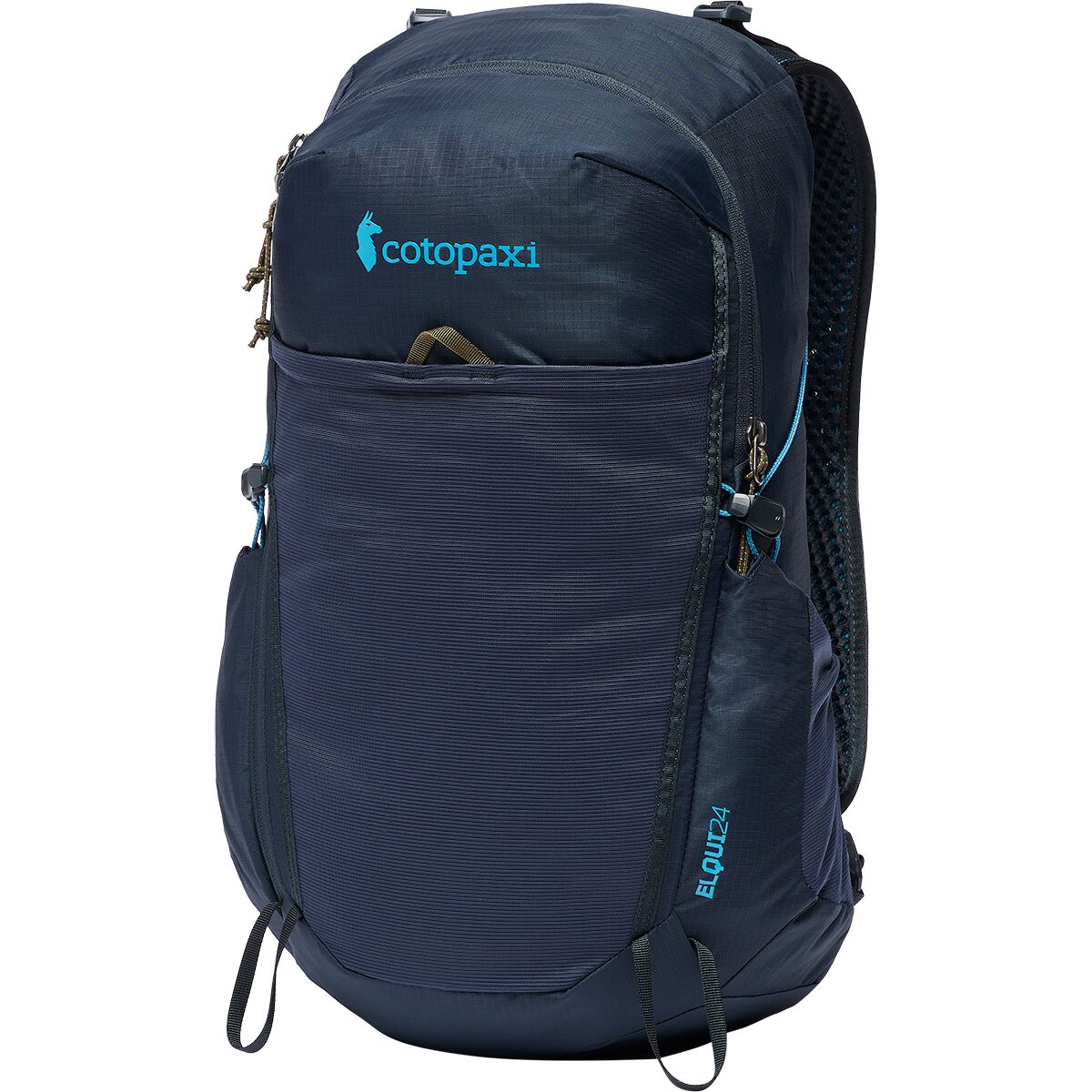
Elqui 24L Backpack
3 colors
$100.00
Discount Applies In Cart | Ends 11/16
(46)


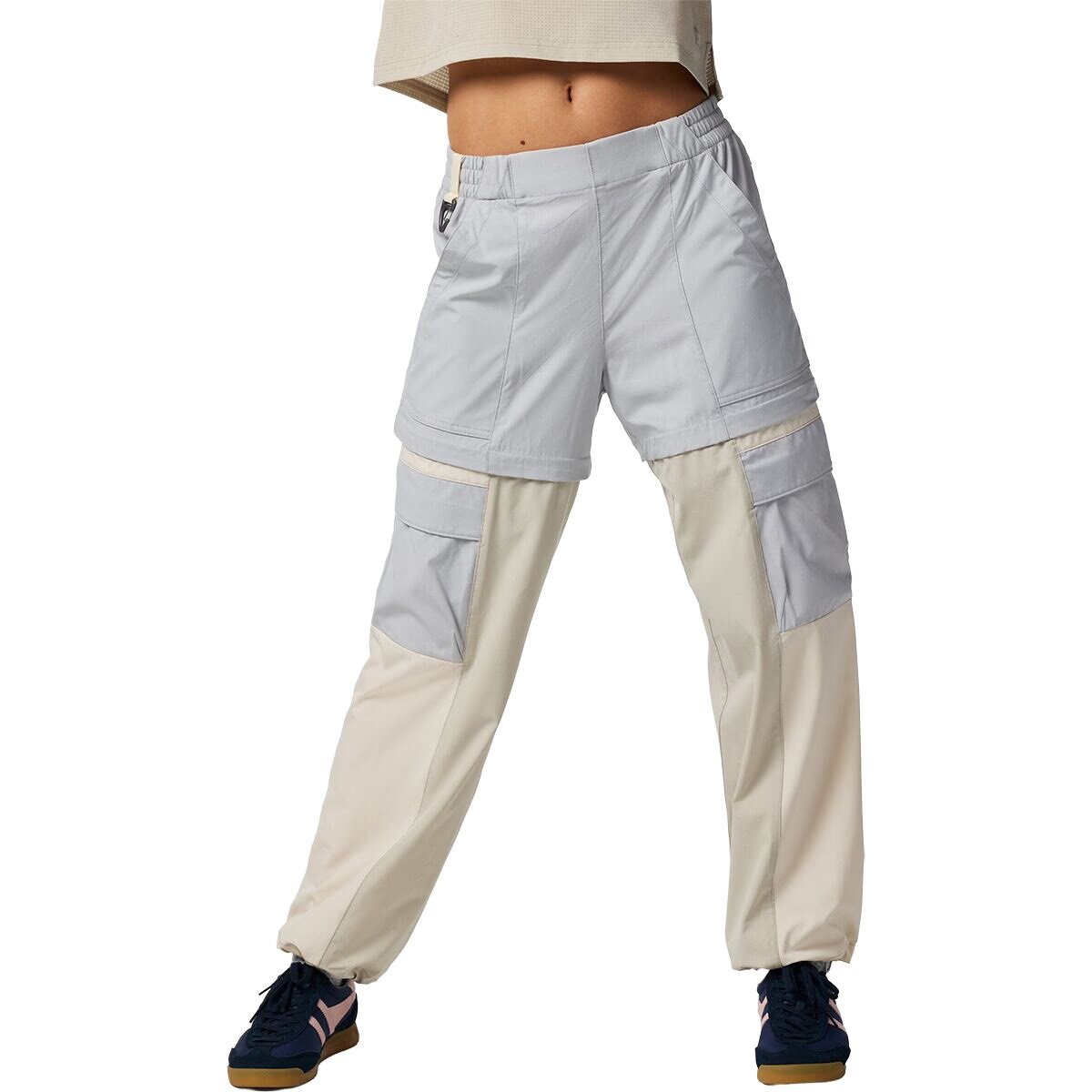
Cotopaxi
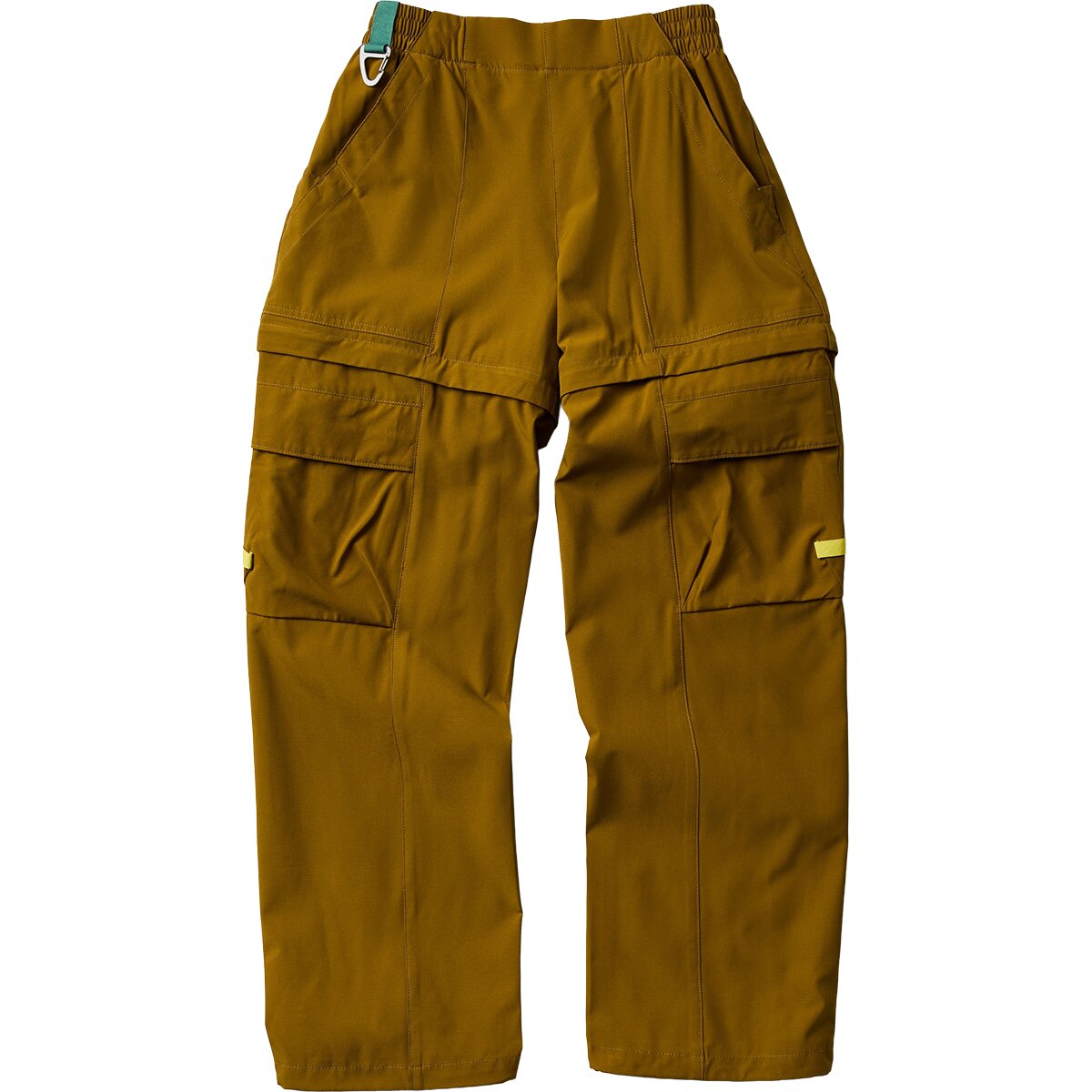
Losdos Zip-Off Pant - Women's
4 colors
$125.01
Discount Applies In Cart | Ends 11/16
(239)

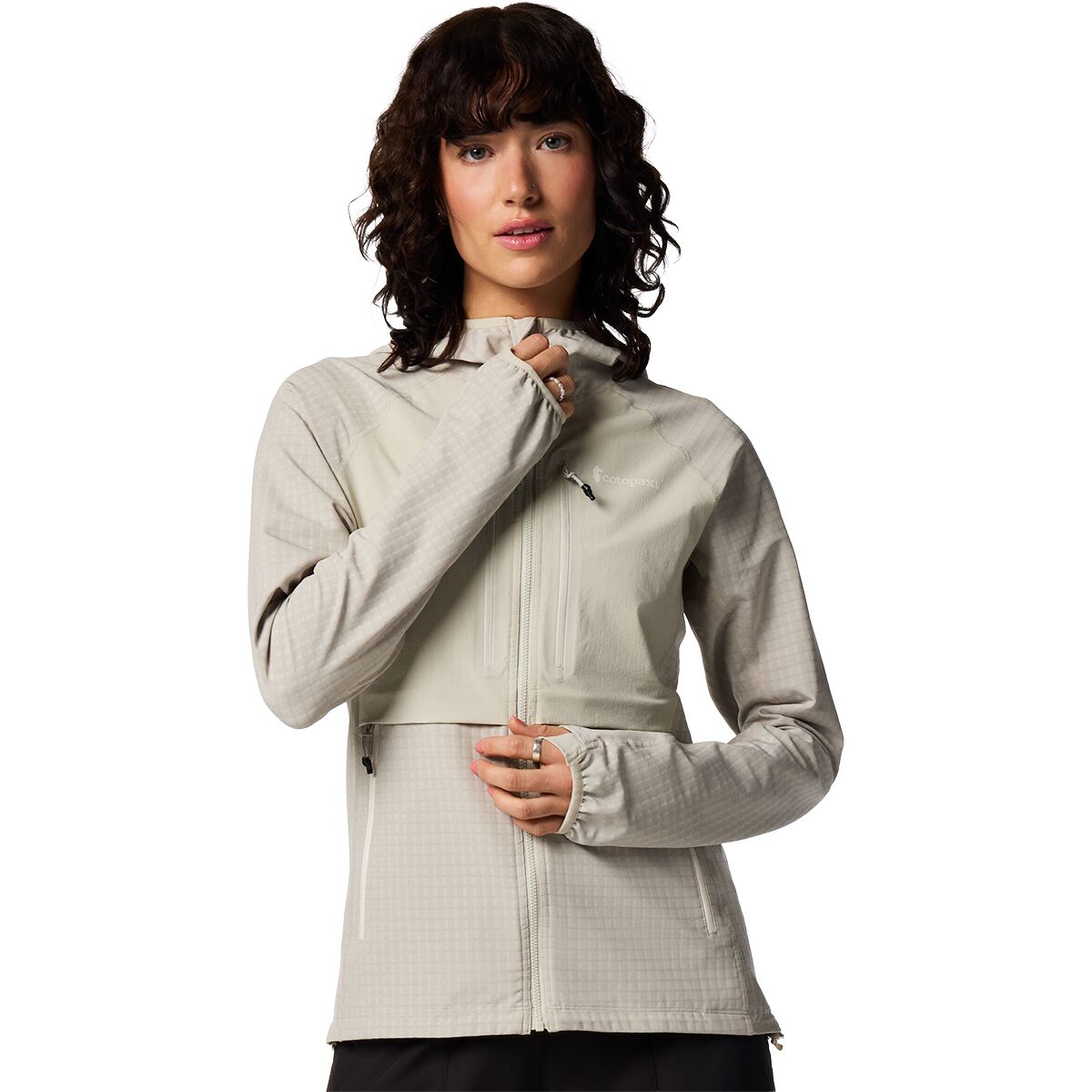
Cotopaxi
Acodo Hybrid Hooded Jacket - Women's
2 colors
$195.01
Discount Applies In Cart | Ends 11/16
(14)

Cotopaxi
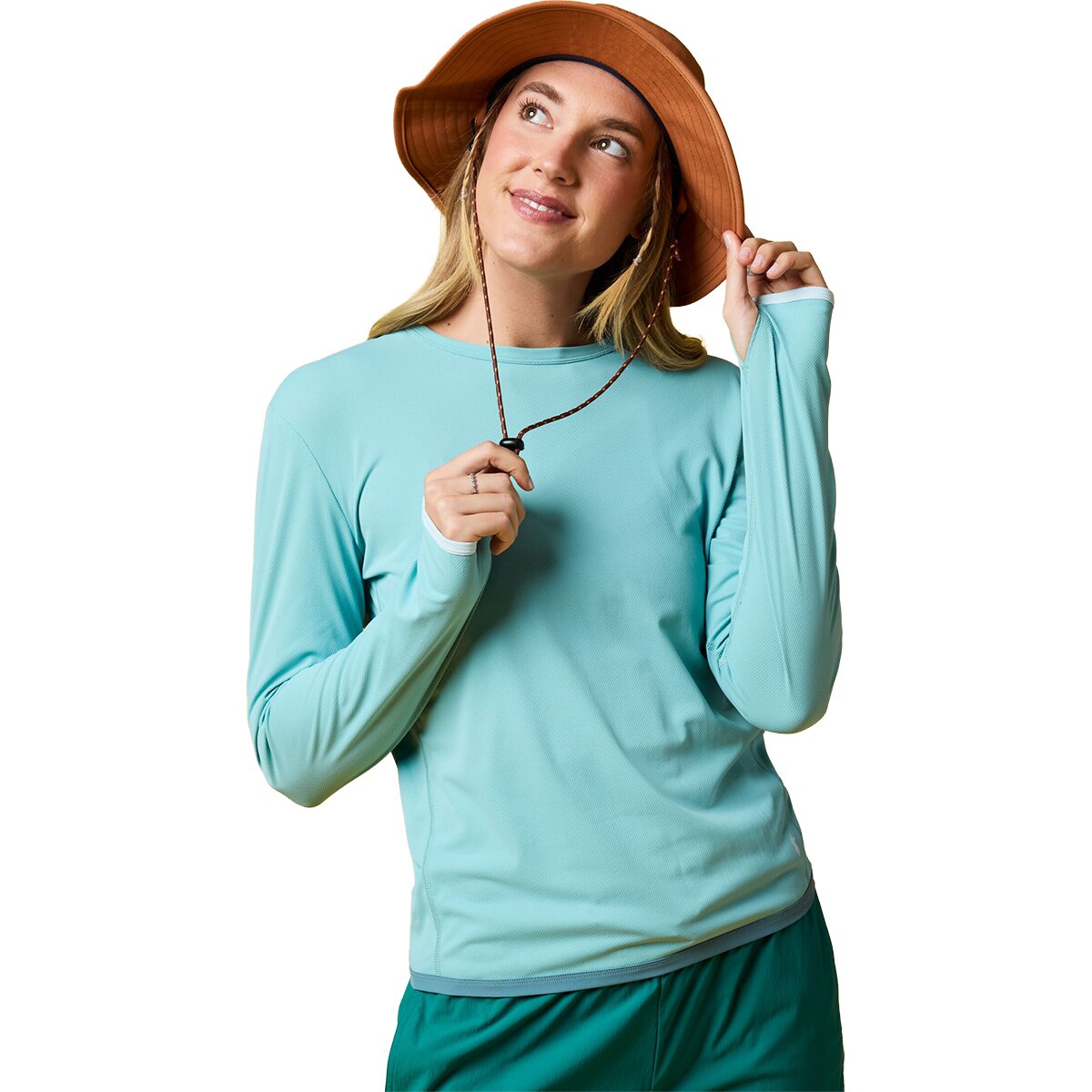
Sombra Long-Sleeve Sun Shirt - Women's
1 color
$65.01
Discount Applies In Cart | Ends 11/16
(61)

Cotopaxi
Sombra Sun Hoodie - Women's
1 color
$75.01
Discount Applies In Cart | Ends 11/16
(287)

Cotopaxi
Brinco Solid Short - Women's
2 colors
Current price: $35.00 Original price: $75.00
53% off
Winter Sale
(89)

Cotopaxi
Otero Fleece Full-Zip Hooded Jacket - Men's
2 colors
$90.00 - $160.01
Up to 40% off
Discount Applies In Cart | Ends 11/16
(126)

Cotopaxi
Yermo Hooded Jacket - Women's
2 colors
$180.01
Discount Applies In Cart | Ends 11/16
(79)

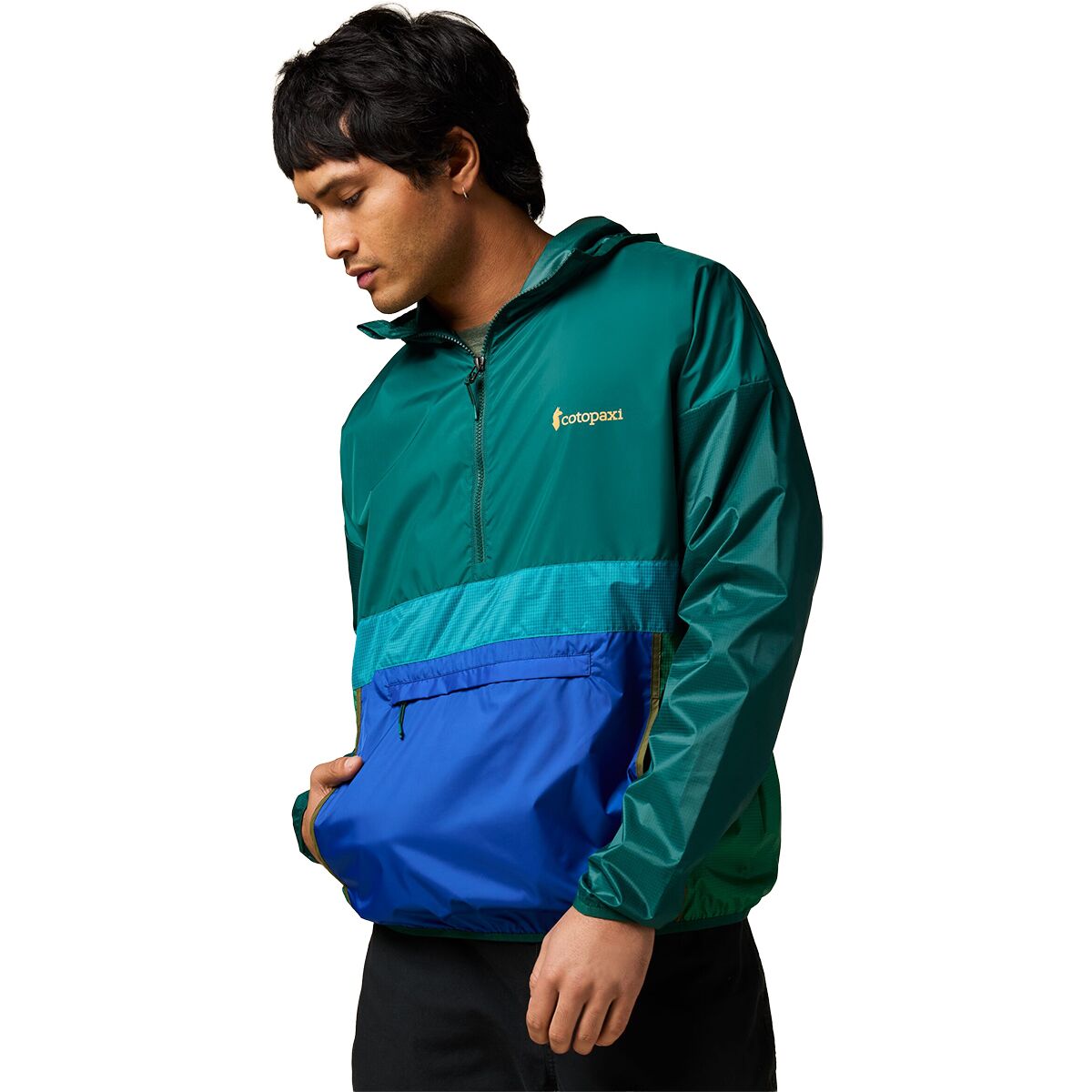
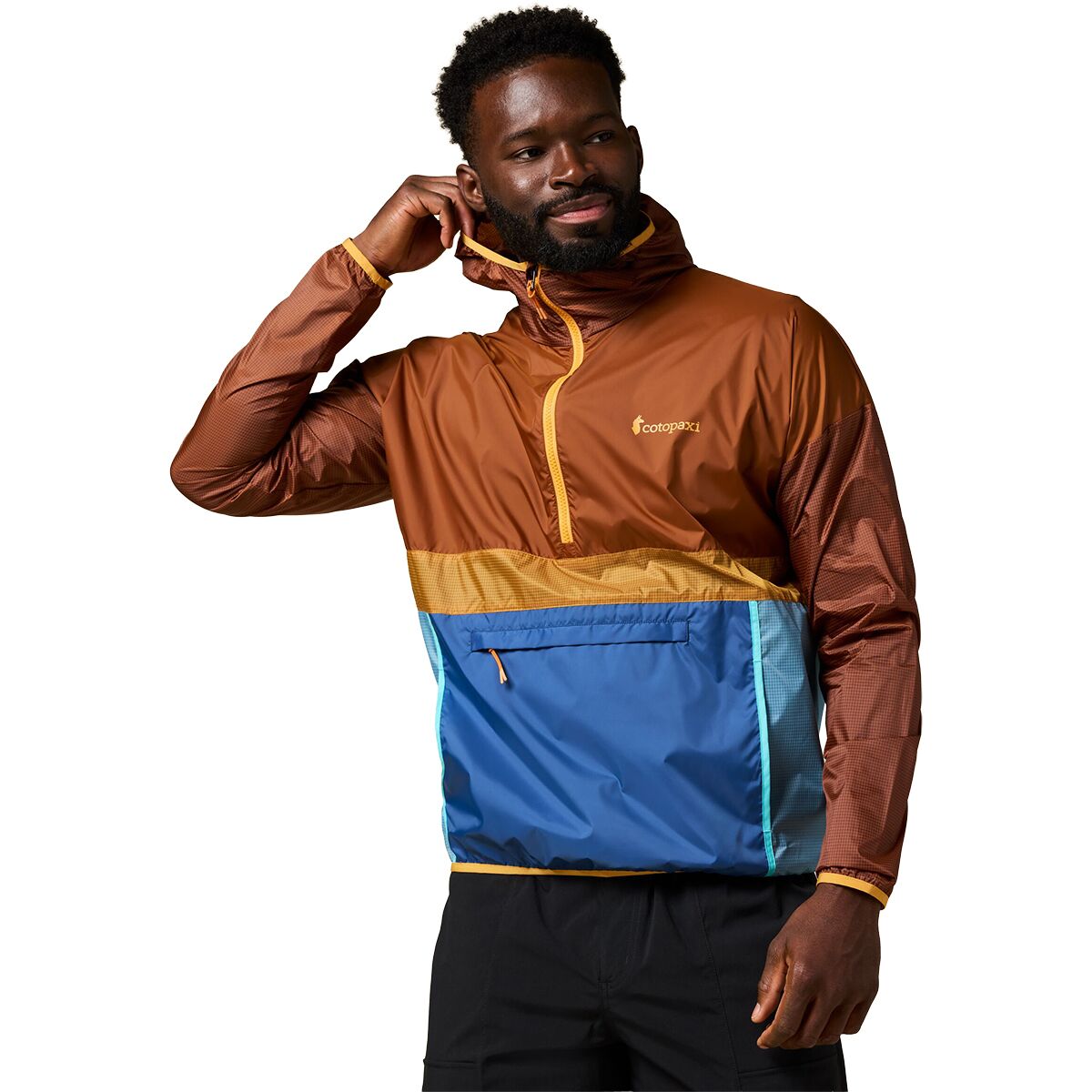
Cotopaxi
Teca Half-Zip Windbreaker
2 colors
$85.01
Discount Applies In Cart | Ends 11/16
(465)

Cotopaxi
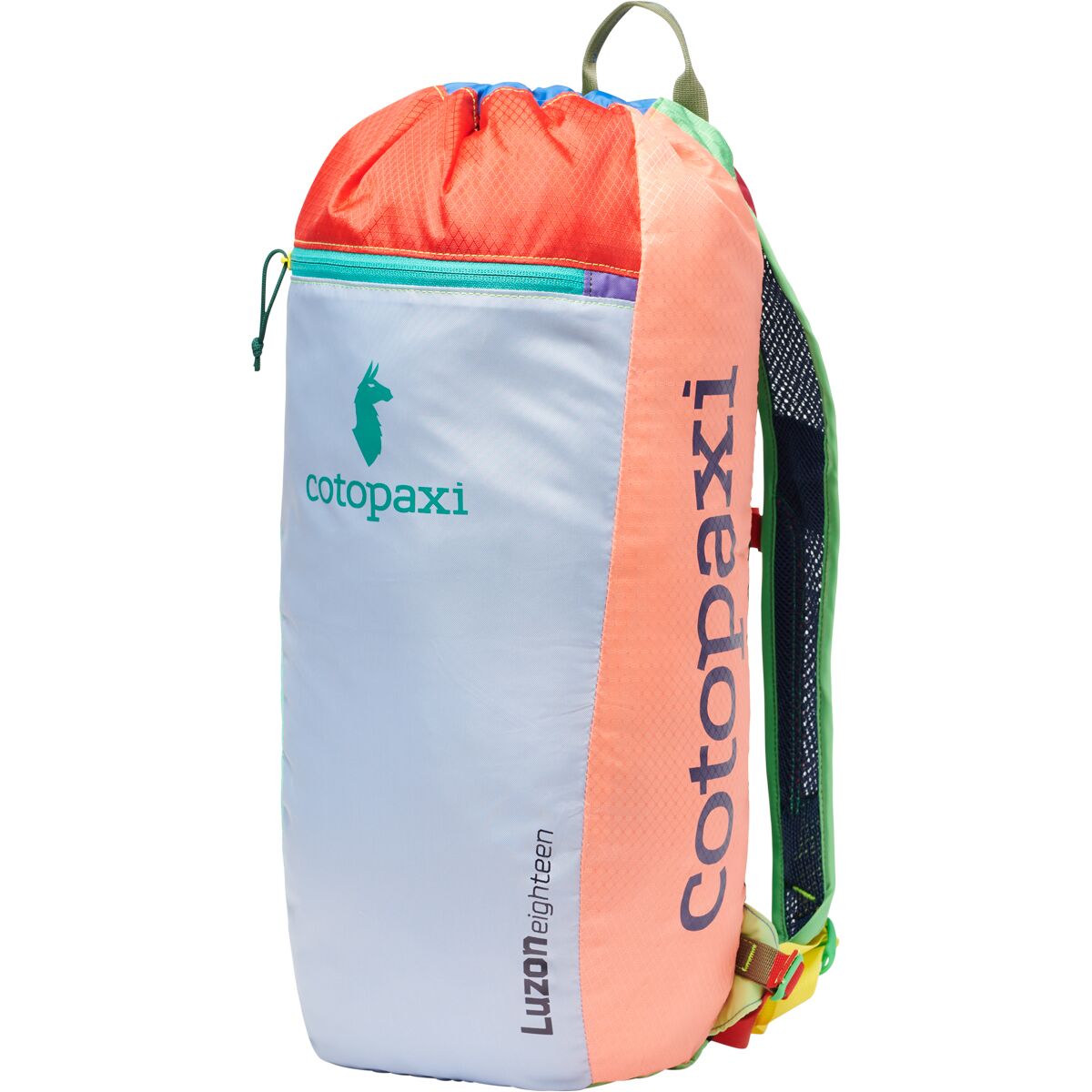
Luzon Del Dia 18L Backpack
1 color
$70.01
Discount Applies In Cart | Ends 11/16
(40)
Related Categories
Frequently Asked Questions
What are the pros and cons of down vs. synthetic insulated jackets for a Cotopaxi summit push?
Down offers the best warmth-to-weight and compressibility for cold, dry summit pushes, while synthetic insulation (e.g., PrimaLoft) retains insulating performance when wet and dries faster. If you expect wet weather or extended moisture exposure, favor synthetic or a down jacket with a hydrophobic treatment and always carry a waterproof shell.What type of mountaineering boot and crampon setup do I need for Cotopaxi?
Choose a stiff, crampon-compatible mountaineering boot with a full shank and a waterproof breathable membrane for glacier travel and steep snow; leather or modern synthetic uppers both work if they offer ankle support and insulation. Match the boot to your crampon style—automatic (step-in) crampons for rigid-sole boots, hybrid or strap-on crampons for semi-rigid models—and make sure the combination fits together securely before your trip.How should I select a sleeping bag for overnight climbs on Cotopaxi?
Pick a sleeping bag rated for temperatures colder than expected summit-night lows, favoring a snug mummy shape with a well-fitting hood and draft collar to conserve heat. Down bags give superior warmth-to-weight and packability, while synthetic fills handle damp conditions better; consider a water-resistant shell fabric or dedicated liner if condensation is a concern.How do I choose footwear size and fit for mountaineering on Cotopaxi?
Fit mountaineering boots with the socks and footbeds you’ll use on the climb—there should be a little room at the toes to prevent numbness on steep descents but no heel lift that causes blisters. If you plan to use heavy socks or liners, size accordingly; always test boots for crampon compatibility, ankle support, and warmth in cold conditions before committing.