


Up To 20% Off Full-Price Items
Shop now
EXTRA 20% Off Clearance
Shop now | Ends 11/9
Get An EXTRA $50 Cash Back*
Summit+ exclusive
Coleman Tents & Shelters
20 results


Coleman
Skydome Screen Room Tent: 6-Person 3-Season
1 color
Discount Applies In Cart | Ends 11/16
(96)

Coleman
Skydome Tent: 4-Person 3-Season
2 colors
Discount Applies In Cart | Ends 11/16
(139)

Coleman
Skydome Screen Room Tent: 4-Person 3-Season
1 color
Discount Applies In Cart | Ends 11/16
(62)

Coleman
Skydome XL Tent: 10-Person 3-Season
1 color
Discount Applies In Cart | Ends 11/16
(44)

Coleman
Skydome Fullfly Vest Tent: 4-Person 3-Season
1 color
Discount Applies In Cart | Ends 11/16
(26)

Coleman
Skydome Tent: 6-Person 3-Season
2 colors
Discount Applies In Cart | Ends 11/16
(217)

Coleman
Skylodge Instant Tent: 6-Person 3-Season
1 color
Discount Applies In Cart | Ends 11/16
(81)

Coleman
Go Shade Backpack Shelter
1 color
Discount Applies In Cart | Ends 11/16
(17)

Coleman
10X10 Oasis Canopy + Sun Wall And Onepeak
1 color
Discount Applies In Cart | Ends 11/16
(133)

Coleman
8X8 Skyshade Screendome
1 color
Discount Applies In Cart | Ends 11/16
(48)

Coleman
Skyshade 10 x 10 Screen Dome Canopy
1 color
Discount Applies In Cart | Ends 11/16
(54)

Coleman
Skylodge Instant Tent: 8-Person 3-Season
1 color
Discount Applies In Cart | Ends 11/16
(64)

Coleman
Skylodge Instant Tent: 4-Person 3-Season
1 color
Discount Applies In Cart | Ends 11/16
(75)

Coleman
Skylodge 10 x 10 Instant Screenhouse
1 color
Discount Applies In Cart | Ends 11/16
(14)

Coleman
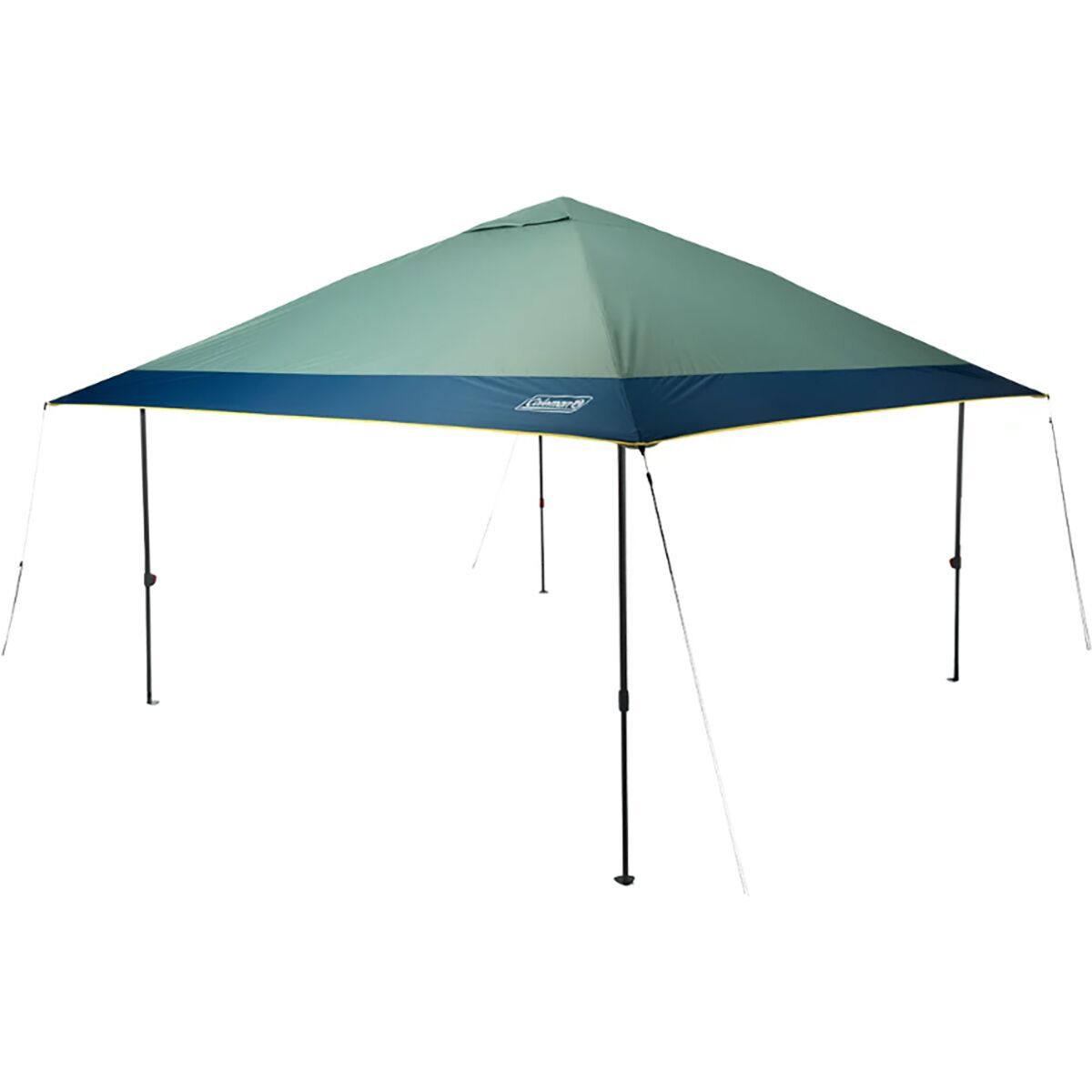
Oasis 10 x 10 Canopy
2 colors
Discount Applies In Cart | Ends 11/16
(84)

Coleman
Back Home Screenhouse
1 color
Discount Applies In Cart | Ends 11/16
(70)

Coleman
7X7 Oasis Lite Canopy + Onepeak & Sun Wall
1 color
Discount Applies In Cart | Ends 11/16
(27)

Coleman
Oasis Lite 10 x 10 Canopy With Sun Wall
1 color
Discount Applies In Cart | Ends 11/16
(80)

Coleman
10X10 Oasis Lite Canopy + Onepeak
1 color
Discount Applies In Cart | Ends 11/16
(31)

Coleman
Peak1 Dome Tent: 4-Person 3-Season
1 color
Discount Applies In Cart | Ends 11/16
(23)
Related Categories




Frequently Asked Questions
How do I pick the right Coleman tent size for my group and gear?
Choose by sleeping capacity and usable floor area rather than nominal person count—Coleman tents range from 2 to 10+ persons, and family cabins offer vertical walls for more livable space. Check the tent’s listed interior dimensions, headroom, and whether a footprint or room dividers are included; when in doubt, size up one person to allow room for gear and comfort.What does Coleman’s WeatherTec™ system do and how waterproof are these tents?
WeatherTec™ uses welded floors, inverted seams, and integrated rainflies to channel water away from seams and the tent floor, reducing interior leaks in steady rain. Many Coleman models use polyester fabrics with hydrostatic head ratings typically between 1500–3000mm, which provides reliable protection in three-season storms when set up properly.How does the Instant Cabin compare to the Skydome for family camping?
The Instant Cabin features pre-attached, color-coded poles and near-vertical walls for faster setup and maximum headroom—ideal for family base camping and room dividers. The Skydome is a classic dome design that’s generally lighter and offers more rounded walls and mesh for airflow, making it easier to pack and ventilate on weekend trips.Are Coleman canopies like the OASIS™ 13x13 or onepeak™ pop-ups good for sun and wind protection at events?
Yes, models such as the OASIS™ 13x13 and onepeak™ pop-up canopies use UVGuard™ fabric treatments for sun protection and sturdy frames (steel or reinforced materials) for event use; they excel at creating shade and shelter for gatherings. For windy conditions, look for models with strong frames, proper anchoring points, and use guy lines or weights—some event shelters are engineered for winds up to around 45 mph but always follow manufacturer setup guidance.What materials and features should I prioritize for three-season versus four-season camping?
For three-season use prioritize breathable mesh panels, lighter pole systems (fiberglass/aluminum), and hydrostatic head ratings around 1500–3000mm for rain protection and ventilation to reduce condensation. For four-season or cold-weather tents seek reinforced poles, stronger frames, reduced mesh, snow flaps, and more robust fabric and seam construction to resist wind and snow load while retaining necessary ventilation.