


Up To 20% Off Full-Price Items
Shop now
EXTRA 20% Off Clearance
Shop now | Ends 11/9
Get An EXTRA $50 Cash Back*
Summit+ exclusive
Coleman Fly Fishing
17 results

Coleman
Steel Cooler - 54QT
1 color
Discount Applies In Cart | Ends 11/16


Coleman
Vintage Steel Belted Cooler - 54qt
2 colors
Discount Applies In Cart | Ends 11/16
(208)

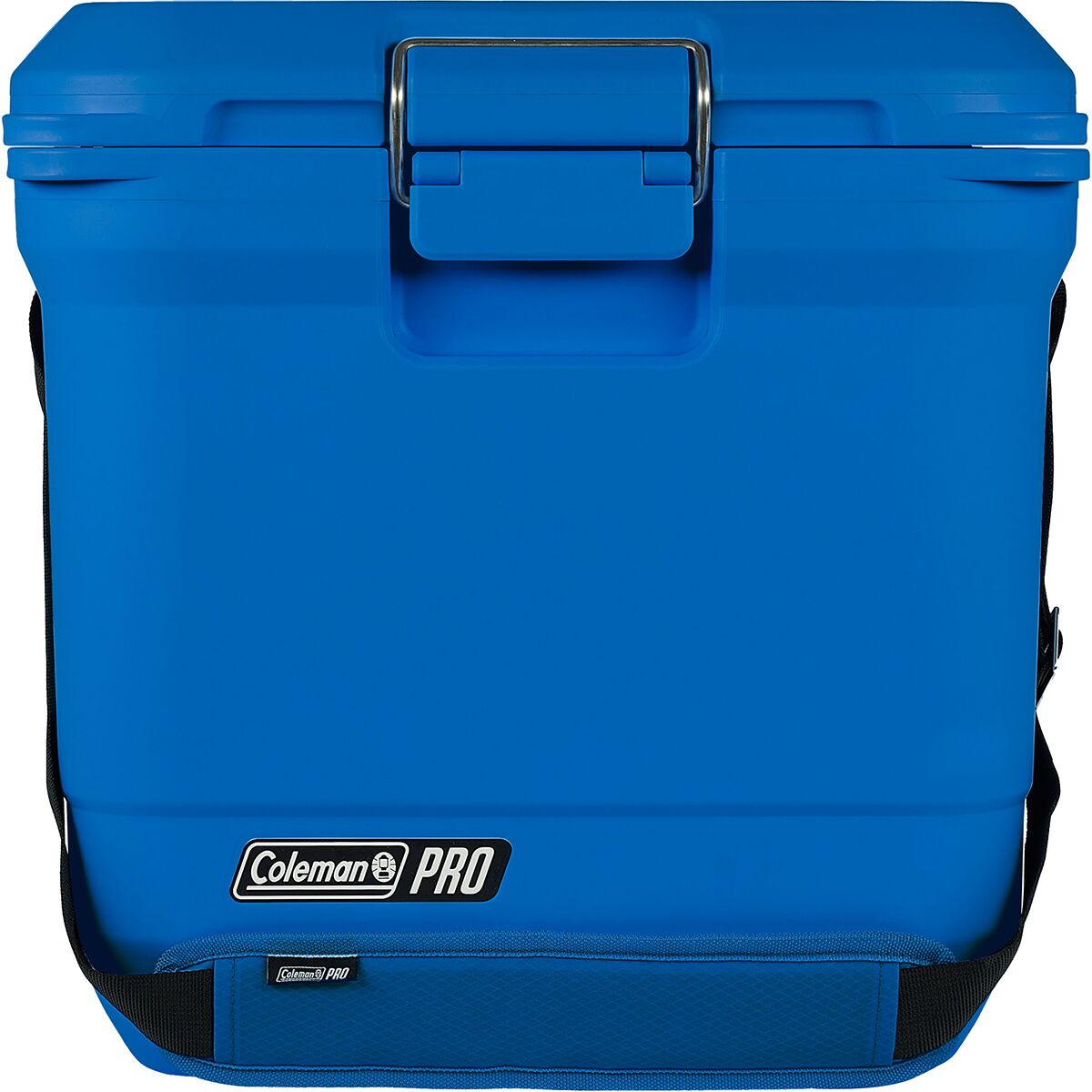
Coleman
Pro Cooler - 17qt
1 color
Discount Applies In Cart | Ends 11/16
(69)

Coleman
316 Series 150-Quart Marine Hard Cooler
1 color
Discount Applies In Cart | Ends 11/16
(37)

Coleman
316 Series 100QT Wheeled Cooler
2 colors
Discount Applies In Cart | Ends 11/16
(212)

Coleman
316 Series 150-Quart Chest Cooler
1 color
Discount Applies In Cart | Ends 11/16
(66)

Coleman
Reunion Steel Belted 54qt Cooler
2 colors
Discount Applies In Cart | Ends 11/16
(61)


Coleman
316 Series 150-Quart Hard Cooler
1 color
Discount Applies In Cart | Ends 11/16
(51)

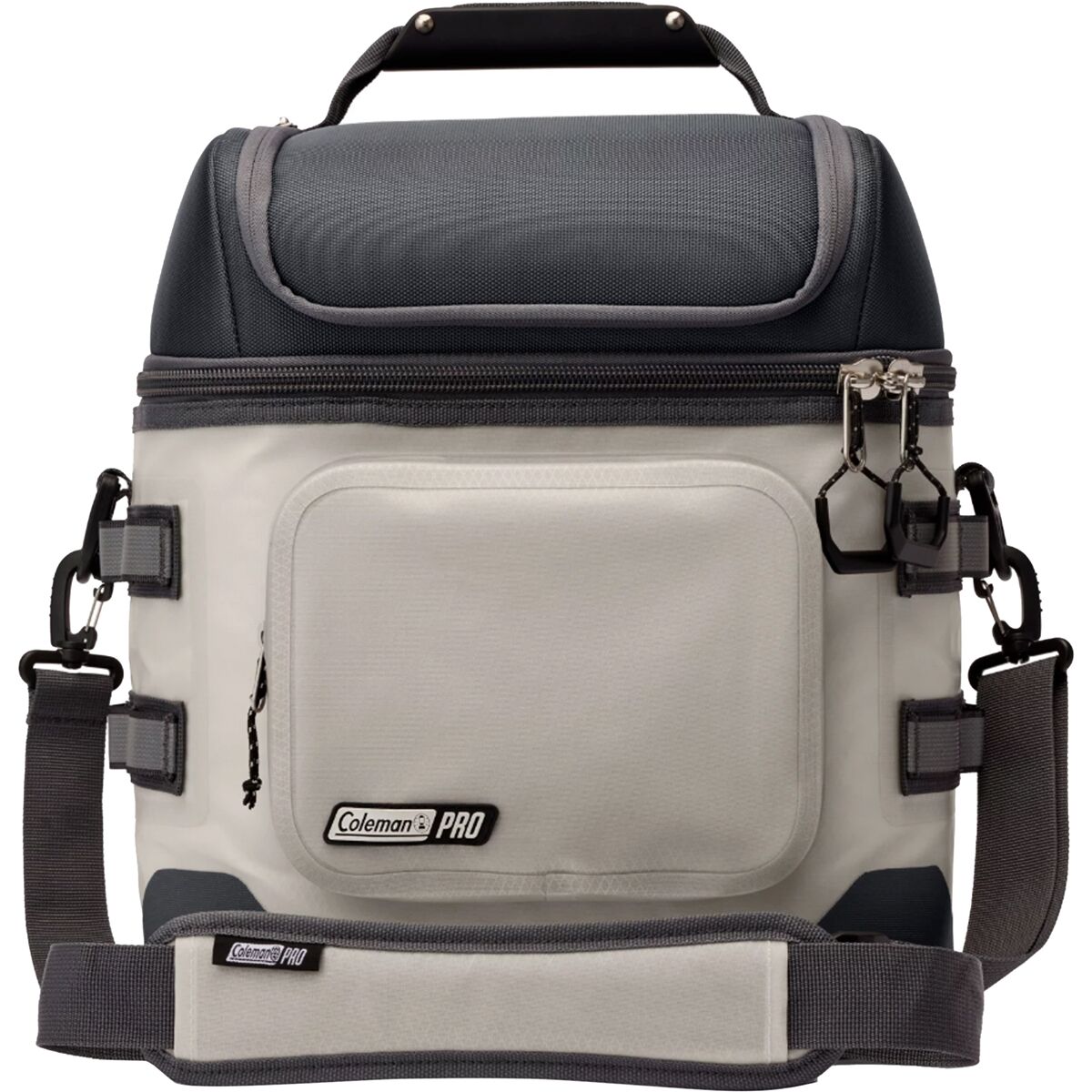
Coleman
Pro Soft Cooler 16-Can
3 colors
Discount Applies In Cart | Ends 11/16
(108)

Coleman
Snap-N-Go Cooler 55QT
1 color
Discount Applies In Cart | Ends 11/16
(60)

Coleman
Pro Stainless Steal Jug 1-Gallon
1 color
Discount Applies In Cart | Ends 11/16
(64)

Coleman
Pro 55-Quart Wheeled Hard Cooler
2 colors
Discount Applies In Cart | Ends 11/16
(79)

Coleman
Pro 45-Quart Hard Cooler
2 colors
Discount Applies In Cart | Ends 11/16
(65)

Coleman
Pro 25-Quart Hard Cooler
1 color
Discount Applies In Cart | Ends 11/16
(61)

Coleman
Classic Series 120qt Hard Cooler
1 color
Discount Applies In Cart | Ends 11/16
(77)

Coleman
Pro Soft Cooler 24-Can
3 colors
Discount Applies In Cart | Ends 11/16
(127)

Coleman
316 Series 120QT Cooler
2 colors
Discount Applies In Cart | Ends 11/16
(138)
Related Categories

Frequently Asked Questions
What’s the difference between Coleman monofilament and fluorocarbon tippets and lines?
Mono (extruded nylon blends) has more stretch and near‑neutral buoyancy, which cushions hard runs and helps keep dry‑fly presentations floating. Fluorocarbon is denser with lower stretch and higher abrasion resistance, so it sinks faster for nymphing, gives crisper bite detection, and resists abrasion around rocks and teeth. Choose based on sink rate, stretch, and the abrasion risk of your fishing environment.Which Coleman line or tippet should I choose for dry‑fly fishing versus nymphing?
For dry‑fly work use a floating mono tippet or leader section—mono’s buoyancy and stretch keep delicate presentations on the surface and absorb shocks from surprise runs. For nymphing or deep presentations pick fluorocarbon tippets or heavier density leaders to get flies into the strike zone quickly and maintain sensitivity. As a rule of thumb, use finer diameters (<5X where appropriate) for long, stealthy dry‑fly leaders and denser fluoro for subsurface rigs.How does a Coleman reel like the W&M Dragonfly compare to other reel constructions?
The W&M Dragonfly’s machined aluminum frame and graphite disc drag prioritize durability, heat dissipation, and a consistent drag feel compared with stamped or low‑end reels. Machined 6061‑type aluminum usually yields lighter, stiffer spools and tighter tolerances, while a quality disc drag offers smoother stopping power on long runs. For big‑fish applications look for sealed drag designs and robust construction; for wading light trout setups, weight and balance with your rod matter more.How do I size Coleman reels and lines to match rod weight and target species?
Match fly line and reel capacity to your rod’s designated weight—light rods with small arbor reels for 2–5 wt trout setups, and larger-arbor reels with more backing for heavier saltwater or big‑game rods. Consider the drag type and reel weight: machined aluminum reels pair well with fast, powerful rods where heat dissipation and consistent drag matter, while compact reels suit technical stream rods. Also size tippet diameter to target species and cover—thinner tippets for spooky trout, stronger/abrasion‑resistant fluoro for pike, bass, or stream heavy cover.