


20% Off Full-Price Items
Shop now
Up To 50% Off Winter Sale
Shop now
Get An EXTRA $50 Cash Back*
Summit+ exclusive
Burton Hike & Camp
14 results

Burton
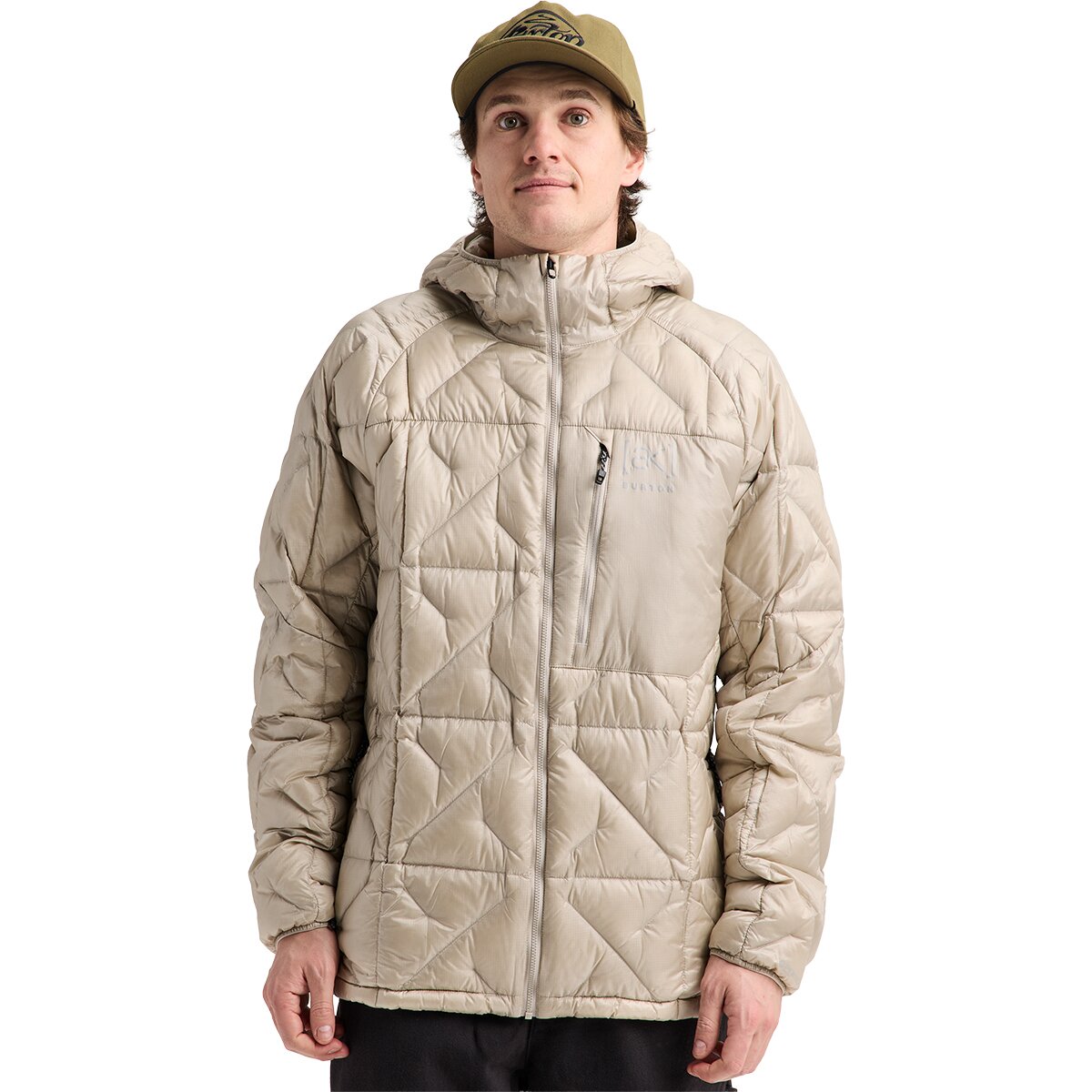
AK Baker Hooded Down Jacket - Men's
2 colors
$294.95
(1)

Burton
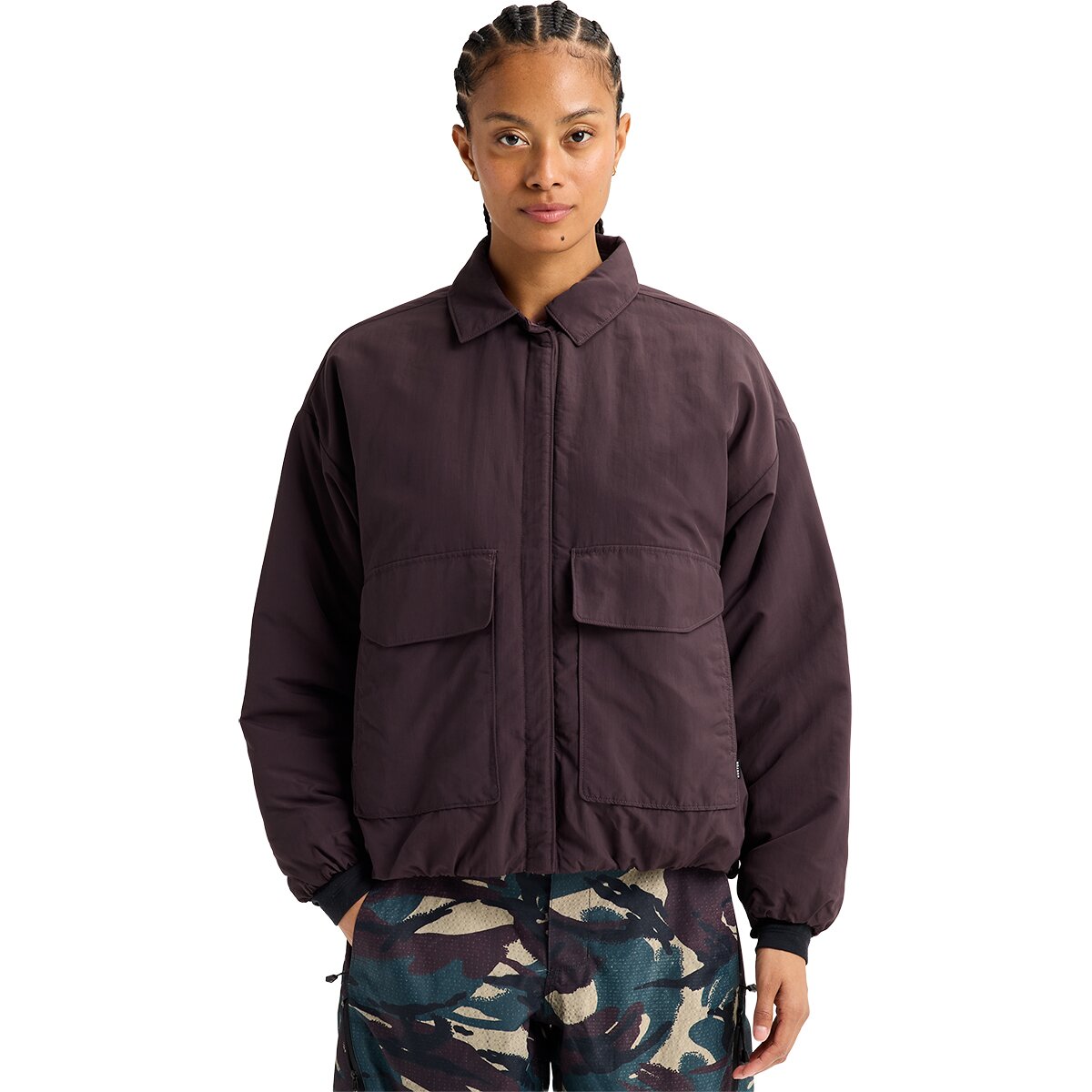
Winslow Insulated Jacket - Women's
2 colors
$169.95


Burton
Lightweight Baselayer Set - Kids'
3 colors
$64.95

Burton
Kilo 2.0 27L Backpack
3 colors
$79.95

Burton
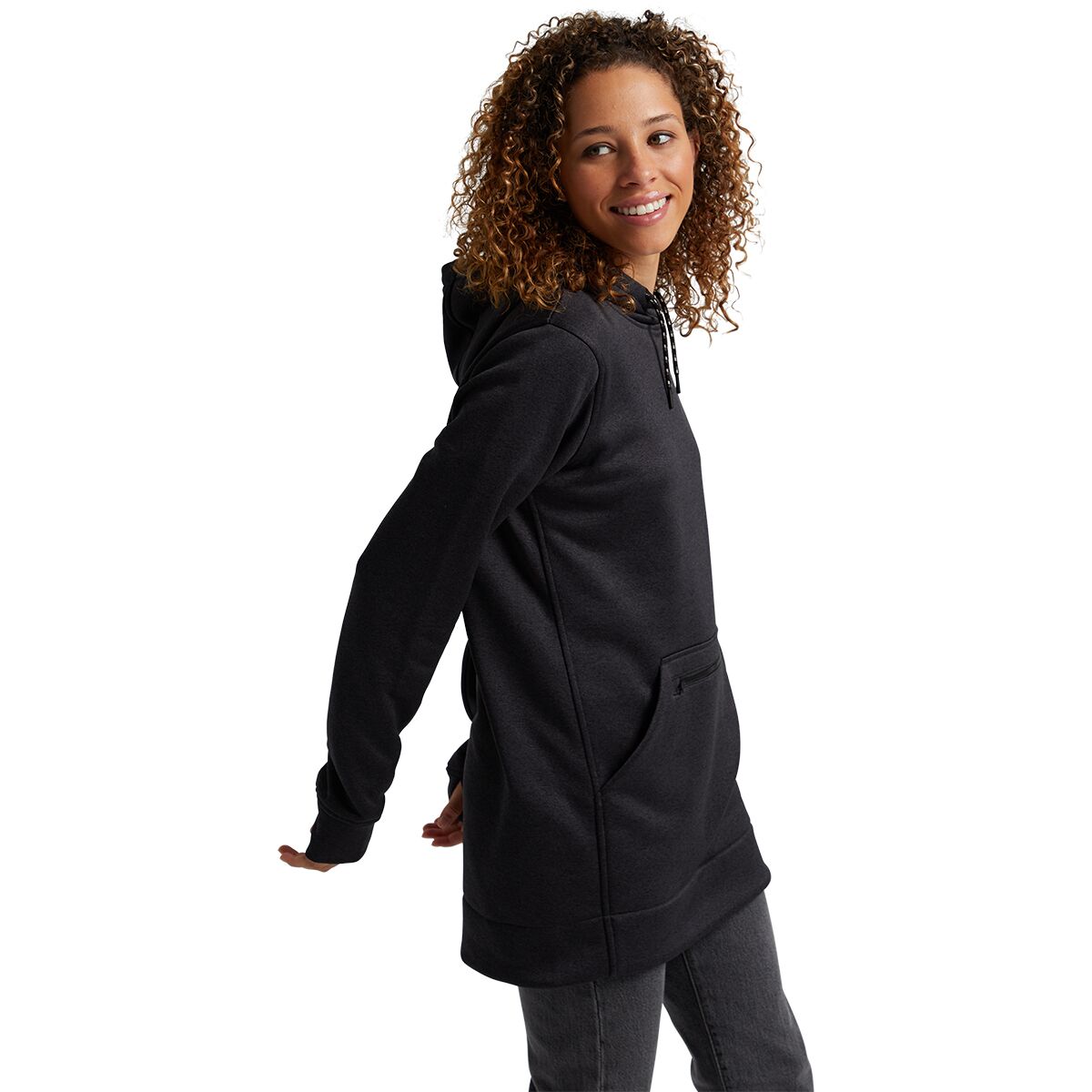
Oak Long Pullover Hoodie - Women's
1 color
Current price: $44.98 Original price: $89.95
50% off
Winter Sale

Burton
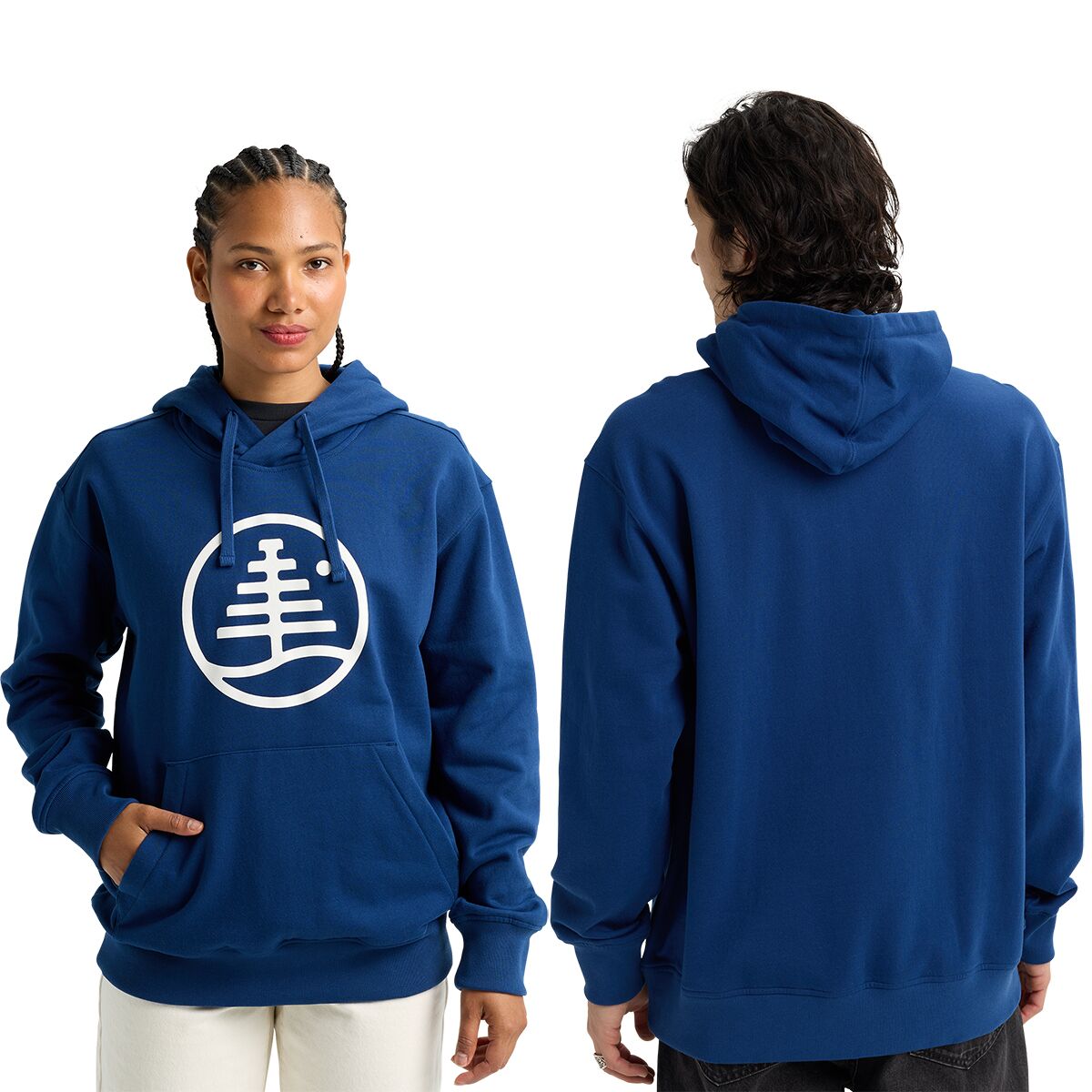
Family Tree Pullover Hoodie
1 color
Current price: $44.98 Original price: $89.95
50% off
Winter Sale

Burton
Synthetic Midweight Base Layer Crew Top - Women's
3 colors
$84.95
Buy 3+, Save 20%

Burton
Prospect 2.0 20L Backpack
3 colors
$69.95 - $69.96

Burton
Treble Yell 21L Backpack
2 colors
$59.95 - $59.96
(1)

Burton
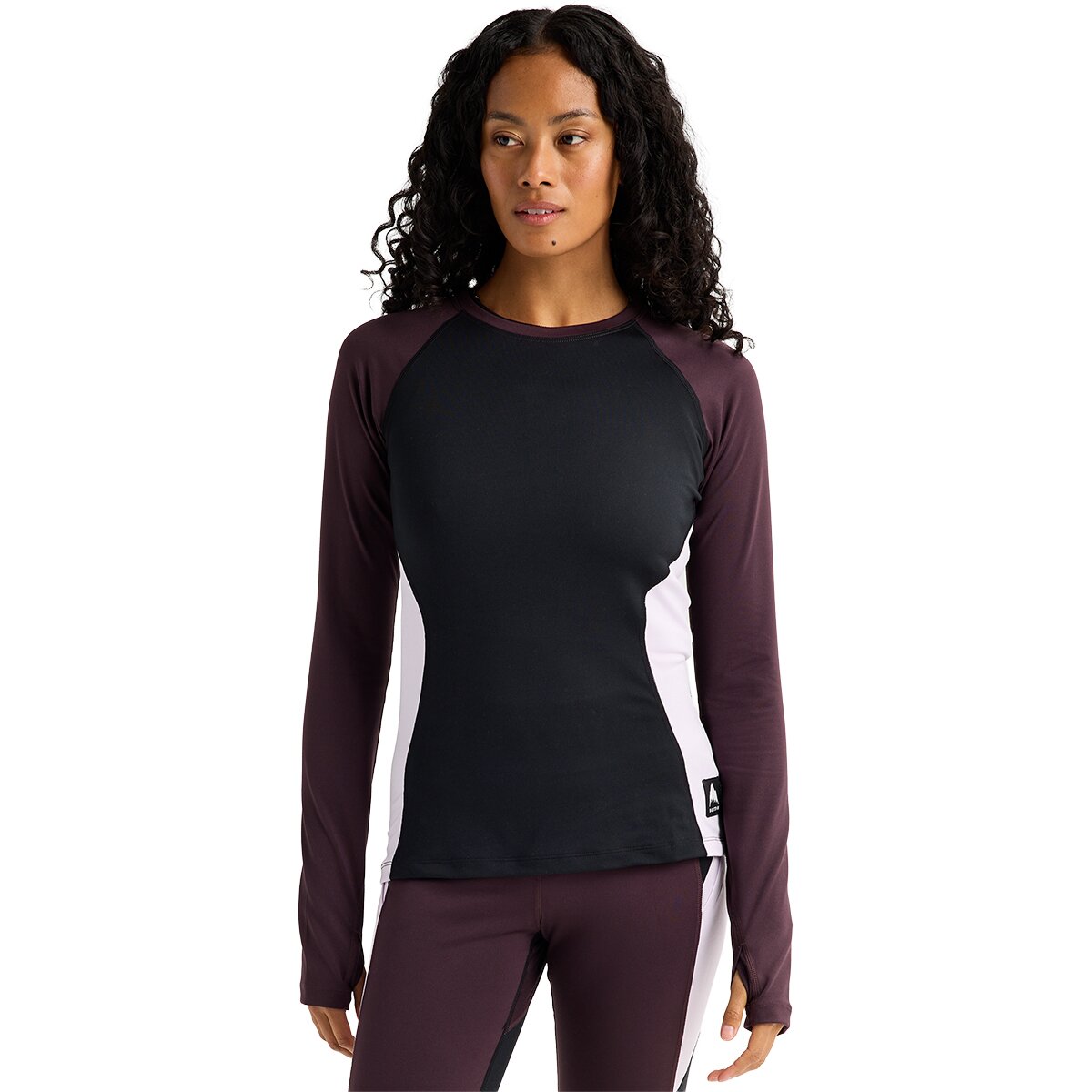
Lightweight Baselayer Crewneck Top - Women's
2 colors
$74.95
Buy 3+, Save 20%

Burton
Multipath 27L Travel Pack
1 color
$189.95
(1)

Burton
Annex 2.0 28L Backpack
3 colors
$119.95
(1)

Burton
Lightweight X Base Layer Pant - Women's
1 color
Current price: $27.98 Original price: $69.95
60% off
Winter Sale
(3)

Burton
Tinder 2.0 30L Backpack
3 colors
$89.95 - $89.96
Related Categories


Frequently Asked Questions
How do I choose the right warmth category and layering for Burton hike & camp jackets and pants?
Pick a warmth category based on activity intensity and temperature: Shell for high-output hikes and variable conditions, Light for cool-weather day tours, Mid for typical winter days, and Heavy for cold, low-activity bivy or camp use. Pair the shell/light/mid/heavy outer with a moisture-wicking base layer and an insulating midlayer as needed to balance breathability and warmth during climbs and transitions.What should I look for when sizing Burton backcountry boots and choosing a lacing system?
Fit for backcountry boots prioritizes secure heel hold, comfort with your preferred hiking socks, and ankle support for uneven terrain; try them with the socks you’ll wear and walk for several minutes to check hotspots. Choose Speed Zone™ lacing for independent upper/lower tension and quick on/off convenience, or traditional laces for micro-adjustability depending on your preferred fit and responsiveness.How do Burton splitboards with Nug Raduction tech perform across mixed backcountry terrain, and can I size down?
Nug Raduction boards use a wider waist, Side Effects (extended tip/tail contact), Jumper Cables carbon stringers, and Squeeze Box core to preserve pop and stability despite a shorter overall length, making them nimble in tight trees and playful in pow while retaining pop for jumps. Many riders opt to size down 8–10 cm for added maneuverability, but choose length based on rider weight, stance, and desired float—test if possible.How do I pick the right Burton pack capacity for day hikes versus multi-day backcountry missions?
For single-day tours and splitboard missions, 20–30 L covers tools, hydration, and a shell; 30–50 L suits overnight trips with sleep system flexibility, and 50–70+ L is best for extended, gear-heavy expeditions. Look for a padded carrying system, secure waist belt, hydration compatibility (1–3 L), tool pockets for beacon/shovel/probe, and a rain cover or removable lid for changing weather.How do EST bindings compare to Re:Flex™ for backcountry and splitboard setups?
EST bindings (designed around the Channel™ system) maximize board feel and flex continuity with Channel-compatible boards, which many riders prefer for responsiveness on mixed terrain, while Re:Flex™ bases offer universal compatibility with standard inserts and more mounting options across boards. Choose EST when you want the lightest, most connected feel on a Channel-equipped splitboard; choose Re:Flex™ for cross-platform flexibility or if your board doesn’t use Channel.