


Up To 20% Off Full-Price Items
Shop now
EXTRA 20% Off Clearance
Shop now | Ends 11/9
Get An EXTRA $50 Cash Back*
Summit+ exclusive
Buff Ski
31 results


+4
Buff
Lightweight Merino Wool Multifunctional Headwear
8 colors
Discount Applies In Cart | Ends 11/16
(4)

Buff
Midweight Merino Wool Buff
5 colors
Discount Applies In Cart | Ends 11/16
(1)

+4
Buff
Thermonet Buff
8 colors
Discount Applies In Cart | Ends 11/16
(2)

+4
Buff
x National Parks Coolnet UV Neck Gaiter
8 colors
Discount Applies In Cart | Ends 11/16

Buff
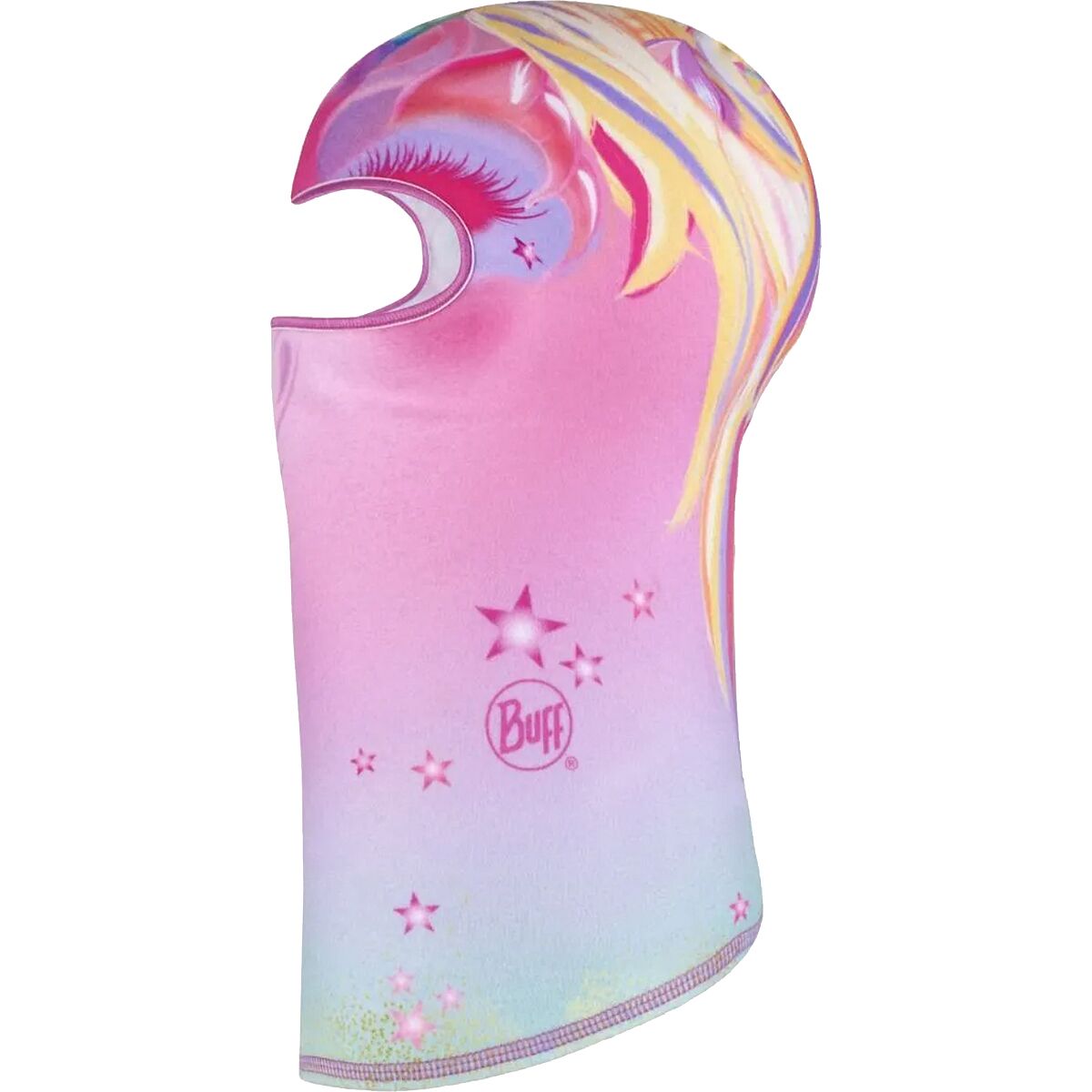
Windproof Balaclava
1 color
Discount Applies In Cart | Ends 11/16

Buff
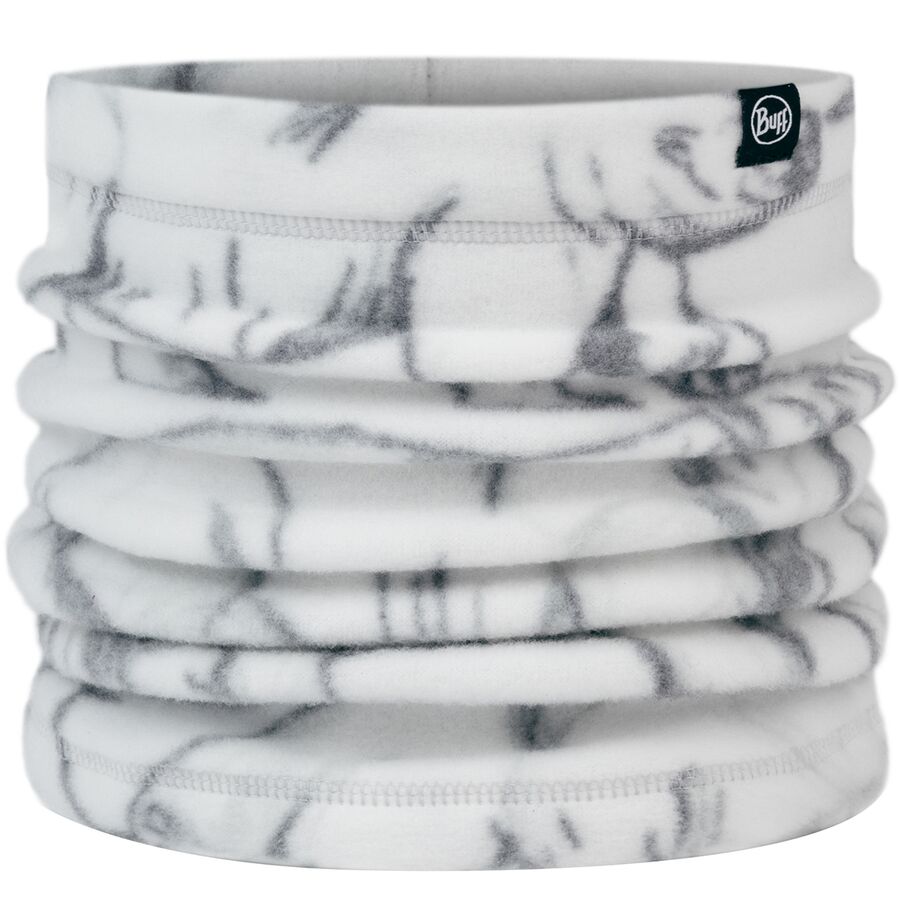
Polar Neckwarmer
4 colors
Discount Applies In Cart | Ends 11/16


Buff
Midweight Merino Hinged Balaclava
4 colors
Discount Applies In Cart | Ends 11/16

Buff
Original EcoStretch Buff
3 colors
Discount Applies In Cart | Ends 11/16
(1)

+2
Buff
Polar Buff
6 colors
Discount Applies In Cart | Ends 11/16
(2)

Buff
Merino Lightweight Prints Buff
4 colors
Discount Applies In Cart | Ends 11/16

Buff
Lightweight Merino Wool Beanie
5 colors
Discount Applies In Cart | Ends 11/16
(3)

Buff
Merino Heavyweight Neck Warmer
2 colors
Discount Applies In Cart | Ends 11/16

Buff
ThermoNet Hinged Balaclava
4 colors
Discount Applies In Cart | Ends 11/16

Buff
Merino Fleece Buff
2 colors
Discount Applies In Cart | Ends 11/16

Buff
Original Buff - Solid
2 colors
Discount Applies In Cart | Ends 11/16
(2)

Buff
Merino Lightweight Natural Dye Buff
1 color
Discount Applies In Cart | Ends 11/16

Buff
Polar Reversible Buff
5 colors
Discount Applies In Cart | Ends 11/16
(32)

Buff
CoolNet UV+ Realtree Buff
1 color
Discount Applies In Cart | Ends 11/16

Buff
Merino Move Buff
4 colors
Discount Applies In Cart | Ends 11/16

Buff
Original Buff - Hidden Gems Collection
3 colors
Discount Applies In Cart | Ends 11/16

Buff
Dryflx Beanie
1 color
Discount Applies In Cart | Ends 11/16
(1)

Buff
CoolNet UV+ Print Buff
1 color
Discount Applies In Cart | Ends 11/16
(102)

Buff
Thermonet Neck Warmer - Kids'
1 color
Discount Applies In Cart | Ends 11/16

Buff
Junior Polar Neckwarmer
3 colors
Discount Applies In Cart | Ends 11/16

Buff
Polar Prints Neckwarmer - Kids'
3 colors
Discount Applies In Cart | Ends 11/16

Buff
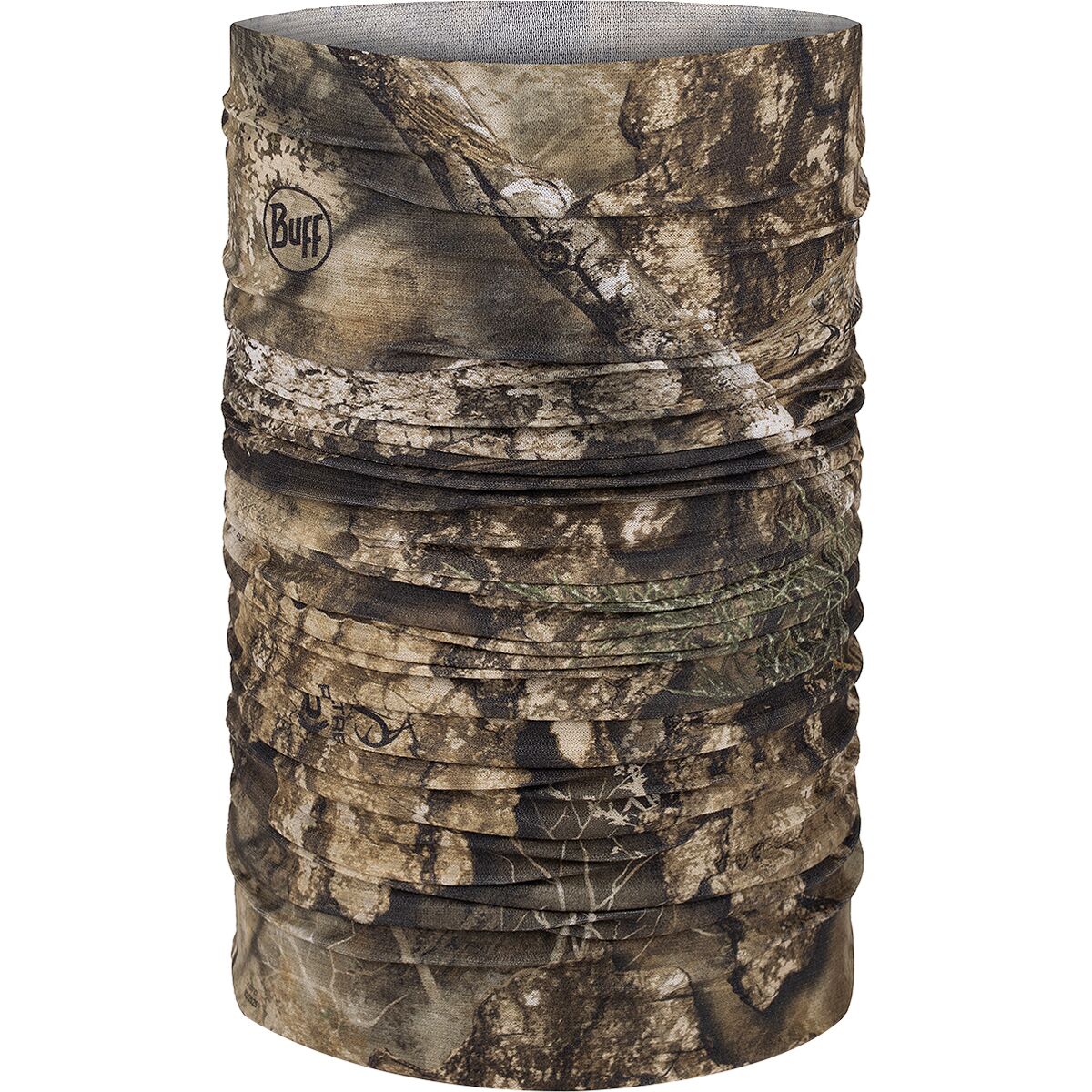
Coolnet UV+ Mossy Oak Buff
1 color
Discount Applies In Cart | Ends 11/16

Buff
CoolNet UV+ Solid Buff
5 colors
Discount Applies In Cart | Ends 11/16
(100)

Buff
Merino Knitted Beanie
1 color
Discount Applies In Cart | Ends 11/16
(1)

Buff
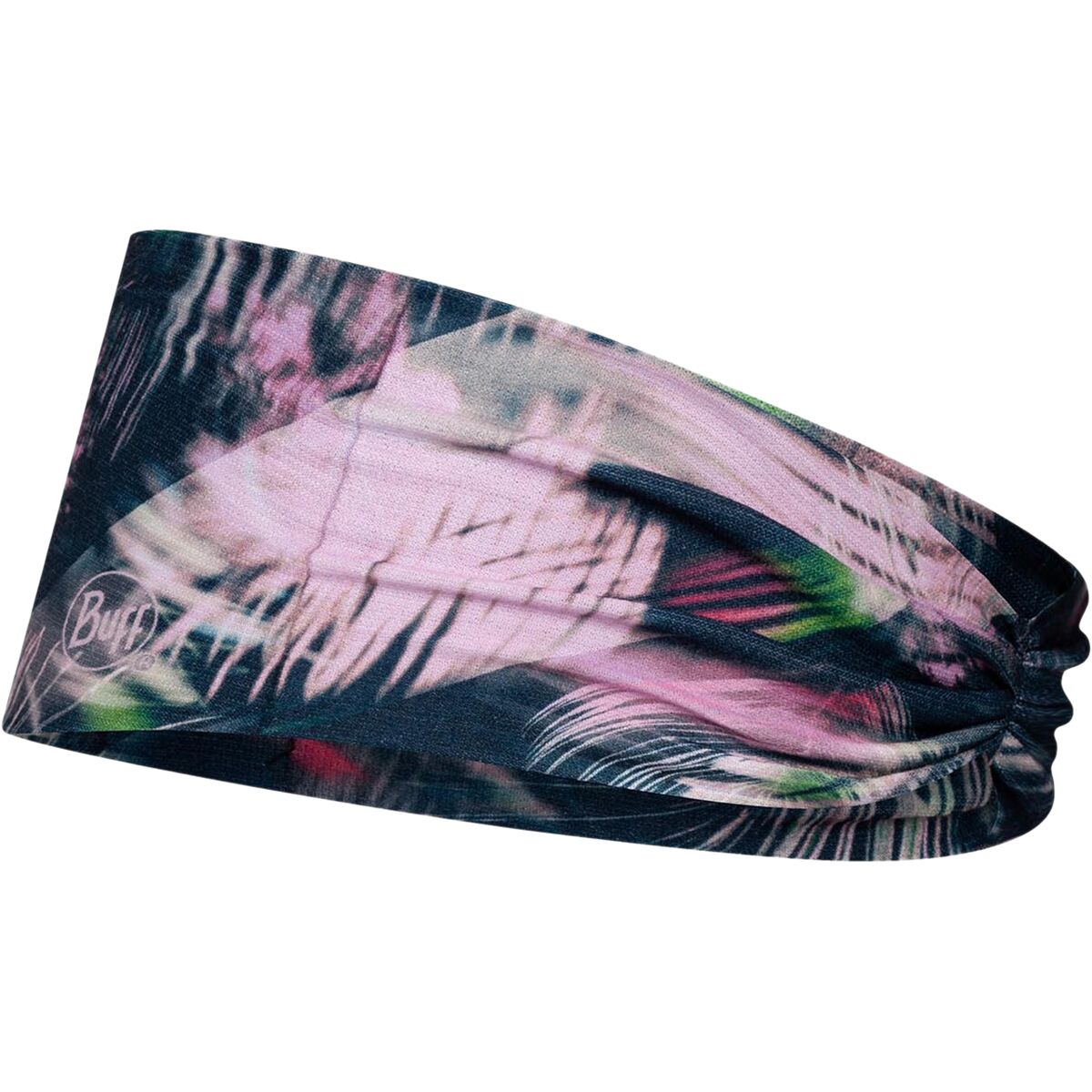
CoolNet UV+ Tapered Headband
2 colors
Discount Applies In Cart | Ends 11/16
(1)

Buff
Junior Polar Buff - Kids'
5 colors
Discount Applies In Cart | Ends 11/16

Buff
Dryflx Buff
1 color
Discount Applies In Cart | Ends 11/16
Related Categories

Frequently Asked Questions
How do I choose the right downhill ski length for my height and ability?
Ski length is guided by height, weight, and skill: beginners typically choose skis around chin height for easier turn initiation, intermediate skiers often use skis between chin and forehead, and experts may prefer skis at or above head height for stability at speed. Also factor intended terrain—shorter skis for park and tight trees, longer skis for high-speed carving or deep powder. Always consider your turning style and consult a size chart for each model since sidecut and rocker change effective length.What's the difference between camber, rocker, and hybrid ski profiles, and which should I pick?
Camber provides strong edge contact underfoot for precise carving and pop on groomers, while rocker (early rise in tip/tail) boosts flotation in soft snow and makes turn initiation easier. Hybrid profiles combine camber underfoot with tip/tail rocker to balance edge hold and float, making them the most versatile for mixed conditions. Choose camber for firm snow and carving, rocker for powder and playfulness, and hybrid for all-mountain versatility.How do ski constructions like wood core, metal laminates, and sidewall vs. cap affect performance?
A wood core delivers lively rebound, natural dampening, and a responsive feel; metal laminates (e.g., titanal) add dampness and high-speed stability for aggressive skiers. Sandwich sidewall construction gives sharper edge hold and precise turn-to-turn feel, whereas cap construction is lighter and more forgiving for playful or park-focused skis. Match construction to your priority: stability and power for fast, charged skiing; light and nimble for freestyle or touring.How do all-mountain skis compare to powder skis and carving skis?
All-mountain skis are designed to handle varied terrain and snow—typically 85–100 mm underfoot—with moderate rocker and camber for a balance of float and edge hold. Powder skis are wider (often 100 mm+) with pronounced rocker for maximum flotation in deep snow, while carving skis are narrower (around 65–85 mm) with tighter sidecuts and camber for quick, precise turns on groomers. Choose based on the snow you ski most: carve for hardpack, all-mountain for mixed days, and powder-specific for deep-snow conditions.What waist width and sidecut radius should I pick for my terrain and turn style?
Waist width dictates flotation and edge-to-edge speed: under ~85 mm favors frontside groomers and quick edge changes, 85–100 mm is the sweet spot for mixed all-mountain days, and 100+ mm excels in soft, deep snow. Sidecut radius controls turn shape—short radii (~12–17 m) produce quick, nimble turns, while long radii (18 m+) suit high-speed, long-arc carving. Combine a waist and radius that match your preferred turn size and the typical snow conditions you encounter.