


Up To 20% Off Full-Price Items
Shop now
EXTRA 20% Off Clearance
Shop now | Ends 11/9
Get An EXTRA $50 Cash Back*
Summit+ exclusive
Blizzard
21 results

Blizzard
Rustler 10 Ski - 2027
1 color
$850.00


Blizzard
Black Pearl 88 Ski - 2027
1 color
$750.00

Blizzard
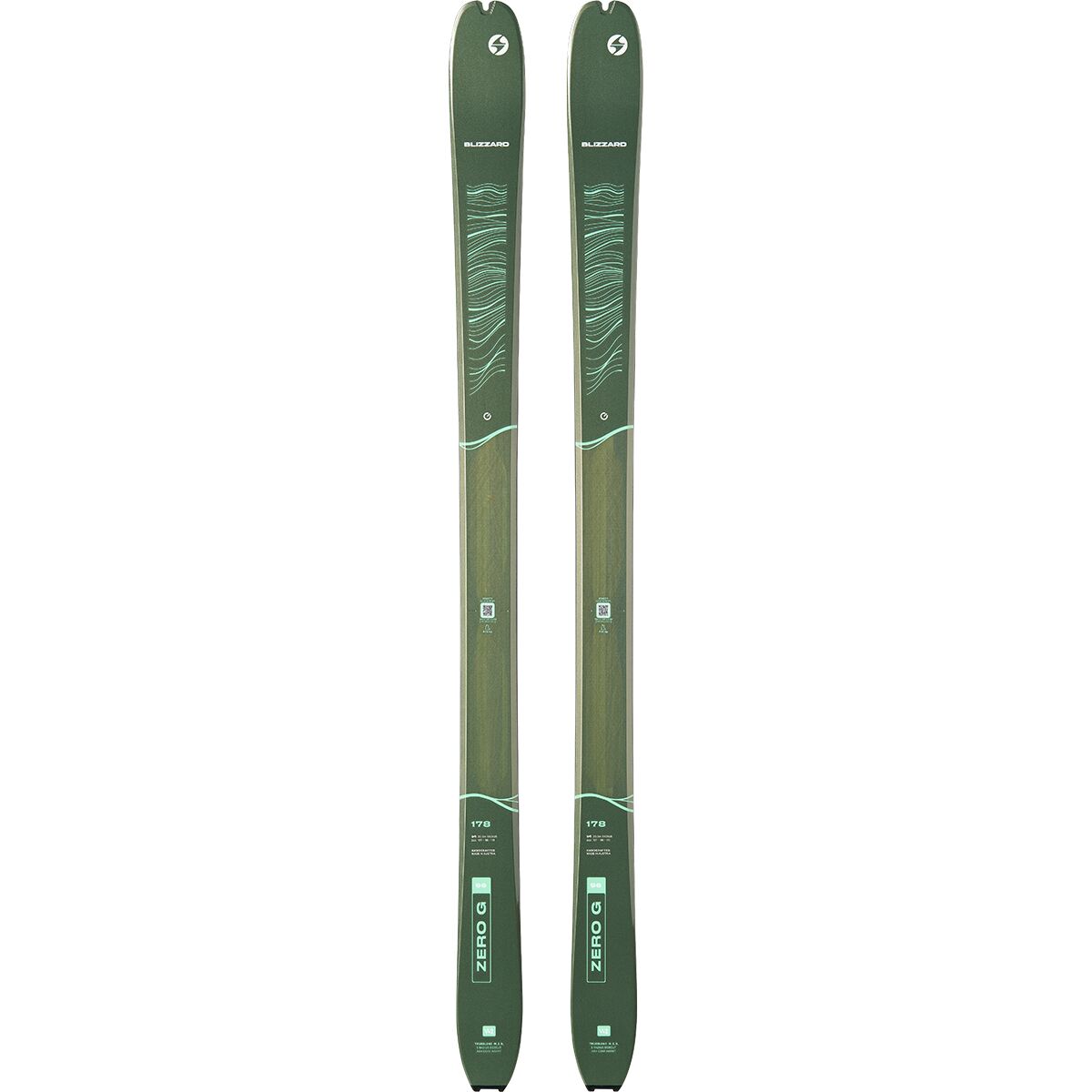
Zero G 96 Ski - 2027
1 color
$850.00

Blizzard
Sheeva 10 Ski - 2027 - Women's
1 color
$850.00


Blizzard
Rustler Team Ski - 2027 - Kids'
1 color
$400.00
Discount Applies In Cart | Ends 11/16

Blizzard
Pearl Jr Ski W/ 7.0 GW Binding - 2027 - Kids'
1 color
$329.01
Discount Applies In Cart | Ends 11/16

Blizzard
Canvas 118 Ski - 2027
1 color
$900.00

Blizzard
Sheeva 11 Ski - 2027 - Women's
1 color
$900.00

Blizzard
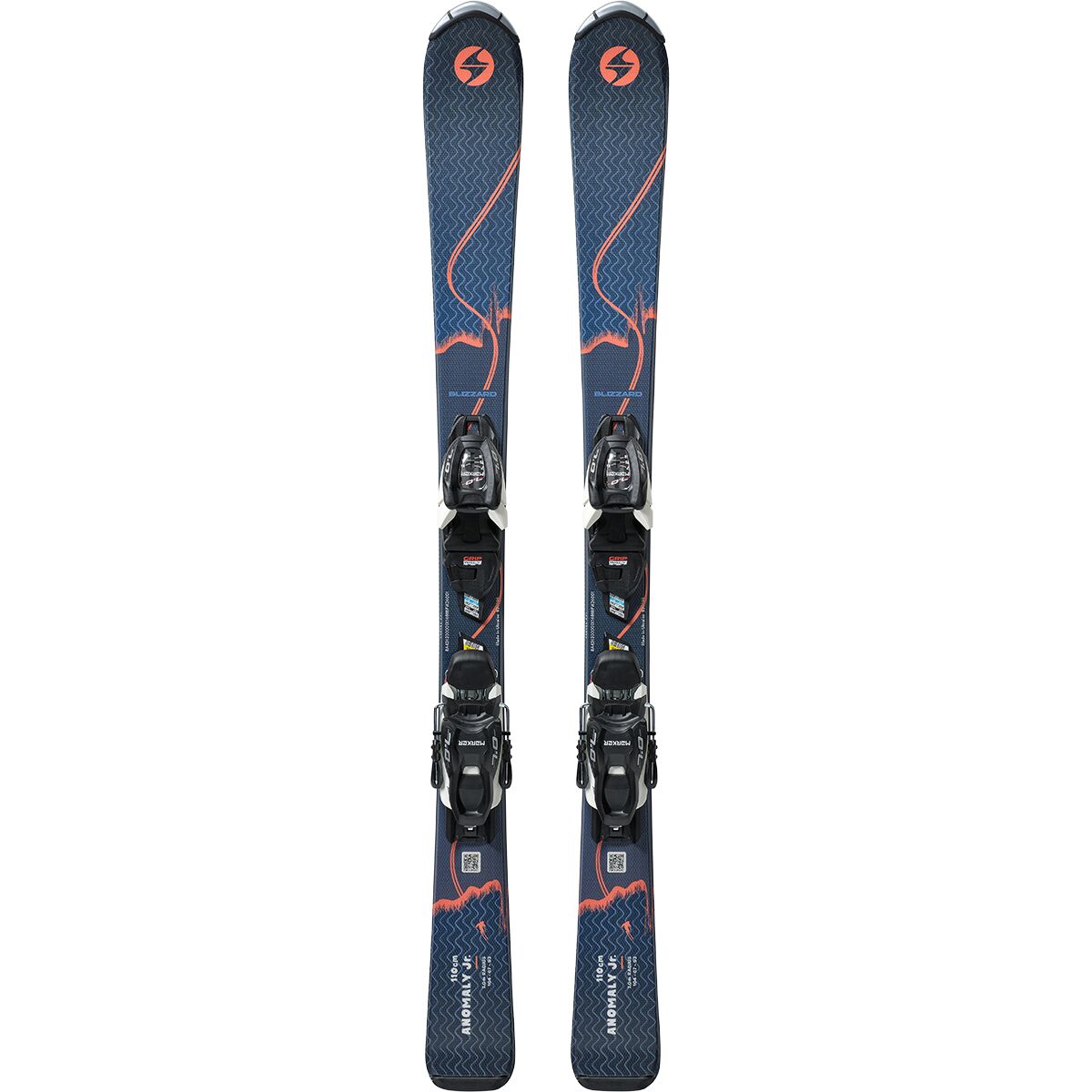
Anomaly Jr Ski W/ 4.5 GW Binding - 2027 - Kids'
1 color
$291.01
Discount Applies In Cart | Ends 11/16

Blizzard
Canvas 108 Ski - 2027
1 color
$799.99 - $800.00

Blizzard
Anomaly 88 Ski - 2027
1 color
$750.00

Blizzard
Canvas 100 Ski - 2027
1 color
$700.00

Blizzard
Canvas Jr Ski w/ 7.0 Binding - 2027 - Kids'
1 color
$370.00
Discount Applies In Cart | Ends 11/16

Blizzard
Pearl Jr Ski W/ 4.5 GW Binding - 2027 - Kids'
1 color
$291.01
Discount Applies In Cart | Ends 11/16

Blizzard
Canvas Jr Ski w/ 4.5 Binding - 2027 - Kids'
1 color
$330.00
Discount Applies In Cart | Ends 11/16

Blizzard
Black Pearl 94 Ski - 2027
1 color
$800.00

Blizzard
Black Pearl 84 Ski - 2027
1 color
$700.00

Blizzard
Zero G 96 Ski - 2027 - Women's
1 color
$850.00

Blizzard
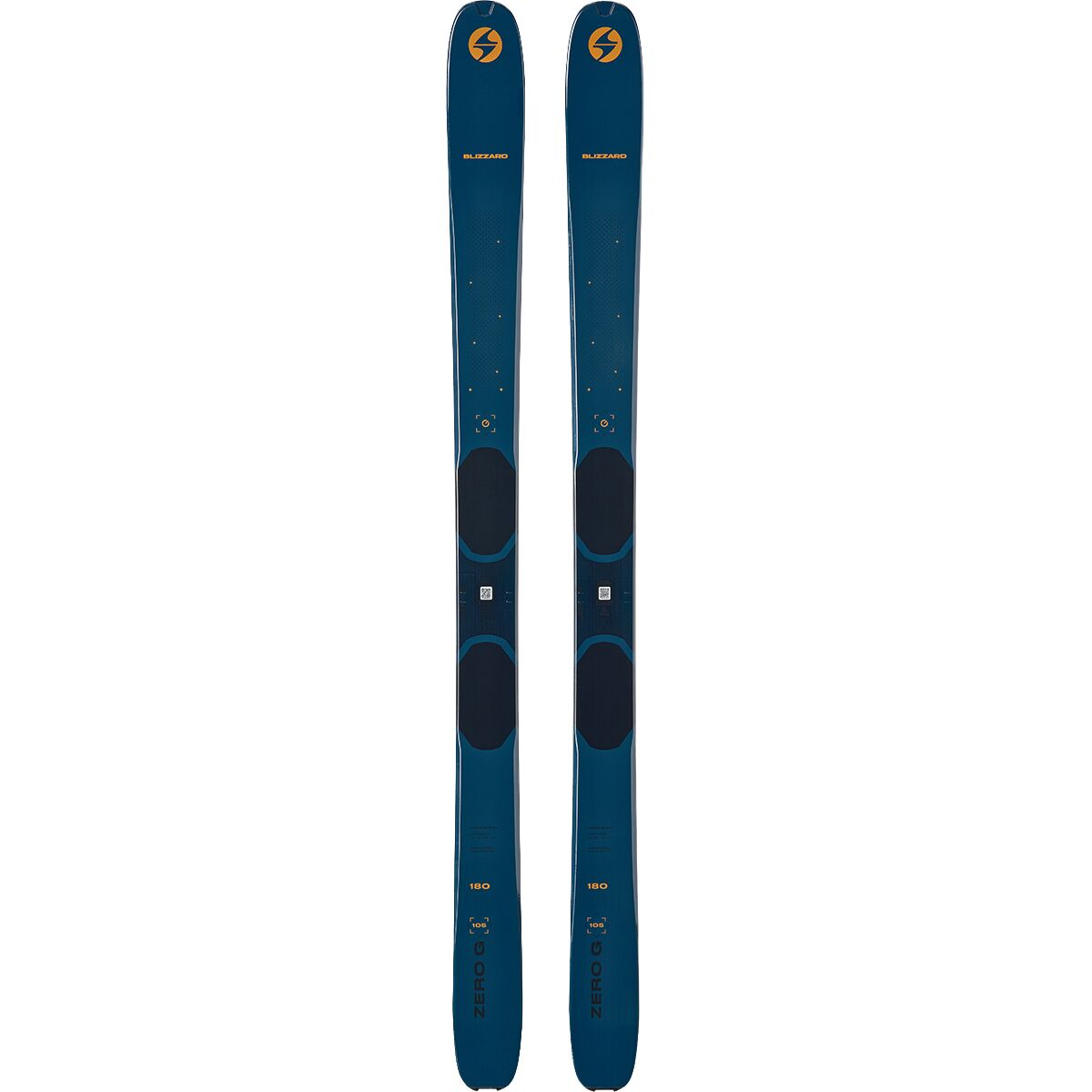
Zero G 105 Ski - 2027
1 color
$950.00

Blizzard
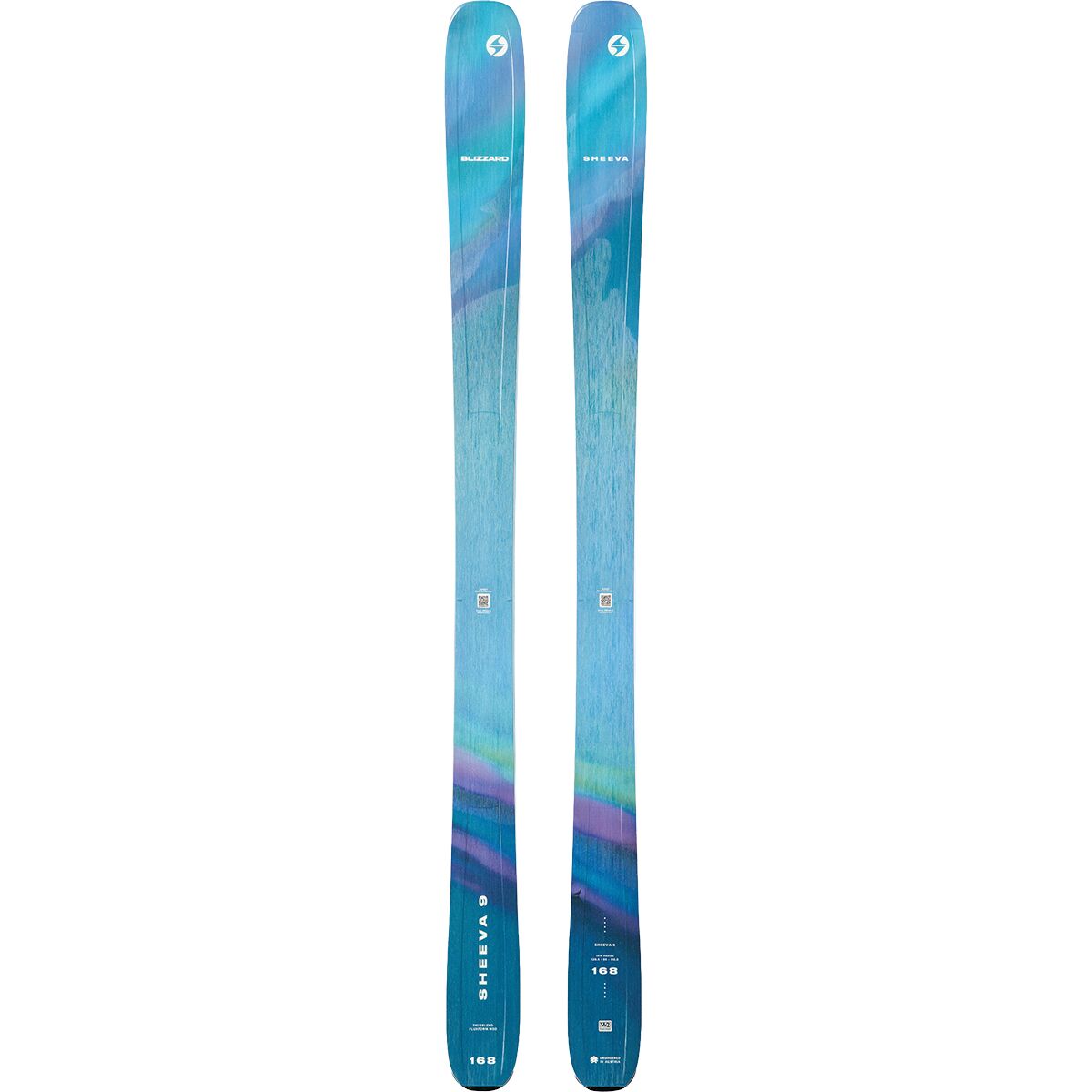
Sheeva 9 Ski - 2027 - Women's
1 color
$800.00

Blizzard
Rustler 11 Ski - 2027
1 color
$900.00
Related Categories


Frequently Asked Questions
How do I choose the right Blizzard ski for my terrain, skiing style, and ability?
Match ski waist and model to conditions and ability: narrower waists (roughly 82–88 mm) suit frontside carving and mixed conditions—examples include Brahma and Firebird—while wider waists (94 mm and up) like Rustler, Sheeva, and Cochise are better for freeride and powder. All-mountain options such as the Anomaly line (84–102 mm options) bridge both worlds for variable days, and model-specific layups target different skill levels (Bonafide for aggressive skiers, Black Pearl for playful women’s freeride). Always factor in your height, weight, and ability and demo if possible to verify length and feel.What’s the difference between Blizzard’s Flipcore and Fluxform technologies and how do they change ski performance?
Flipcore uses a flipped core construction to expand the behavioral envelope—offering a blend of power and finesse with consistent tip-to-tail edge engagement even with rocker profiles. Fluxform breaks and sculpts Titanal into targeted zones to reduce torsional stiffness where you want easier turn initiation while keeping dampness and stability where you need it, which is common in Anomaly and Rustler models. In short, Flipcore emphasizes balanced power and playfulness across snow types, while Fluxform prioritizes smooth, controlled turns with damp, stable feel in freeride contexts.How do TrueBlend wood cores and Titanal layers affect a Blizzard ski’s flex and durability?
TrueBlend cores use beech stringers in poplar laminates arranged in three density zones so each length maintains intended flex characteristics—so tips and tails are softer for turn initiation while underfoot stays stiffer for drive. Titanal layers (full or in Fluxform arrangements) add dampness, edge hold, and impact resistance, and Blizzard often extends Titanal toward sidewalls for added durability and scratch protection. Together these materials balance liveliness, stability, and long-term toughness across the line.How does the Bonafide compare to the Rustler for an all-mountain skier who also wants to ride powder sometimes?
The Bonafide is an all-mountain powerhouse with narrower waists (around the 82–88 mm range on many lengths) and Flipcore/TrueBlend construction tuned for edge hold, stability, and hard-snow performance—ideal for aggressive carves and mixed conditions. The Rustler sits wider (typically 94 mm and up) and uses Fluxform and freeride-focused layups to deliver better float and more forgiving turn initiation in soft snow and variable powder. If you split time evenly between groomers and deep days, an Anomaly waist in the mid-range or demoing both styles will help you find the best compromise.Are Blizzard’s women’s models like Black Pearl and Sheeva built differently, and how should women choose length and stiffness?
Yes, women’s-specific layups (seen in Black Pearl and Sheeva) use tuned flex and binding placement informed by female-focused testing to offer softer, more accessible flex profiles and balanced turn initiation. Black Pearl targets playful freeride performance with mid-range waists (e.g., 82–88 mm options) while Sheeva leans fuller freeride/powder performance at wider waists; TrueBlend per-length tuning helps ensure consistent flex across sizes. Choose length based on height, weight, and desired stability—shorter for more maneuverability, longer for more float and high-speed stability—and try to demo when possible.