


20% Off Full-Price Items
Shop now
Up To 50% Off Winter Sale
Shop now
Get An EXTRA $50 Cash Back*
Summit+ exclusive
Big Agnes Overlanding
54 results


Big Agnes
Rapide SL Insulated Sleeping Pad
2 colors
Discount Applies In Cart | Ends 11/16
(231)

Big Agnes
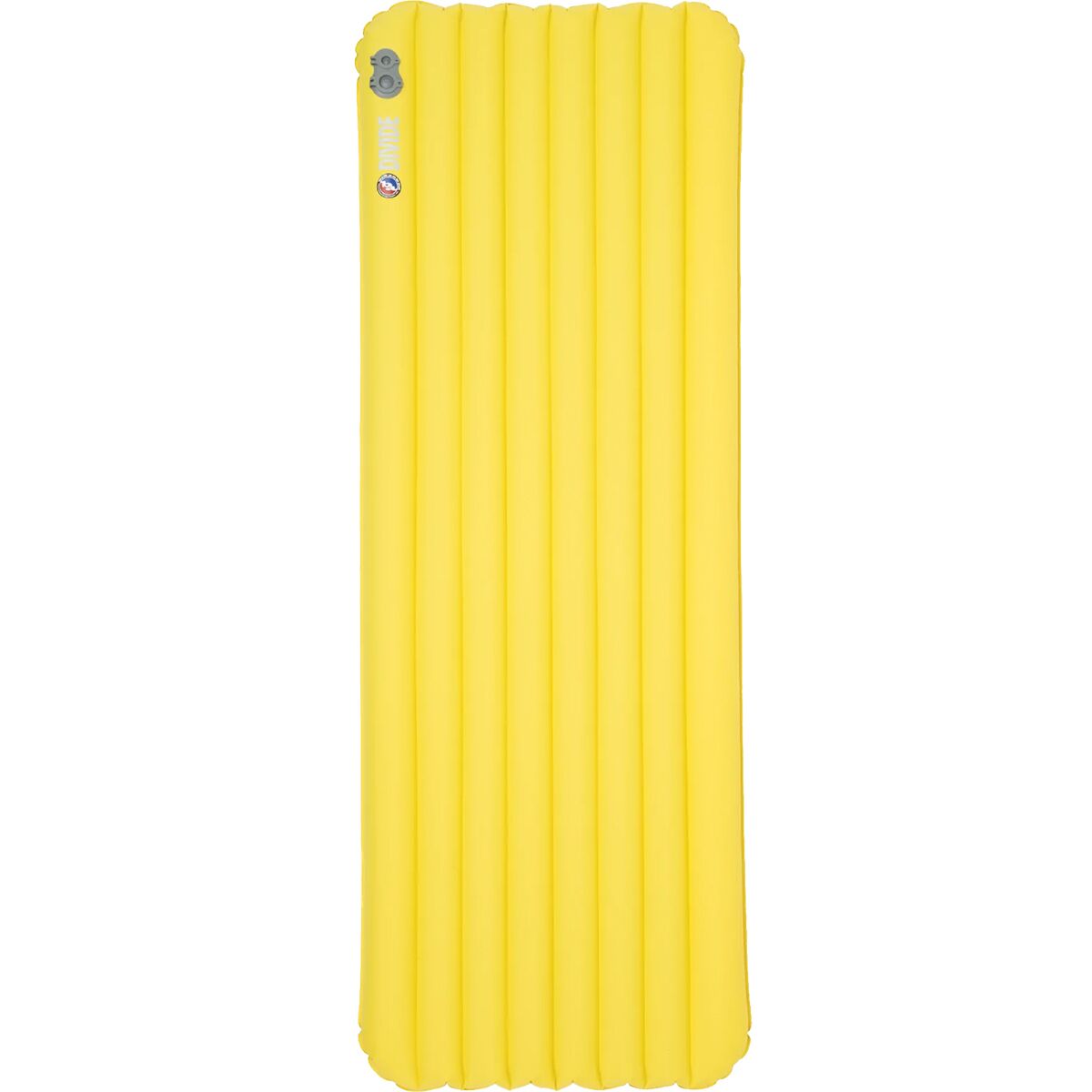
Divide Insulated Sleeping Pad
1 color
Discount Applies In Cart | Ends 11/16
(148)

Big Agnes
Divide Sleeping Pad
1 color
Discount Applies In Cart | Ends 11/16
(45)

Big Agnes
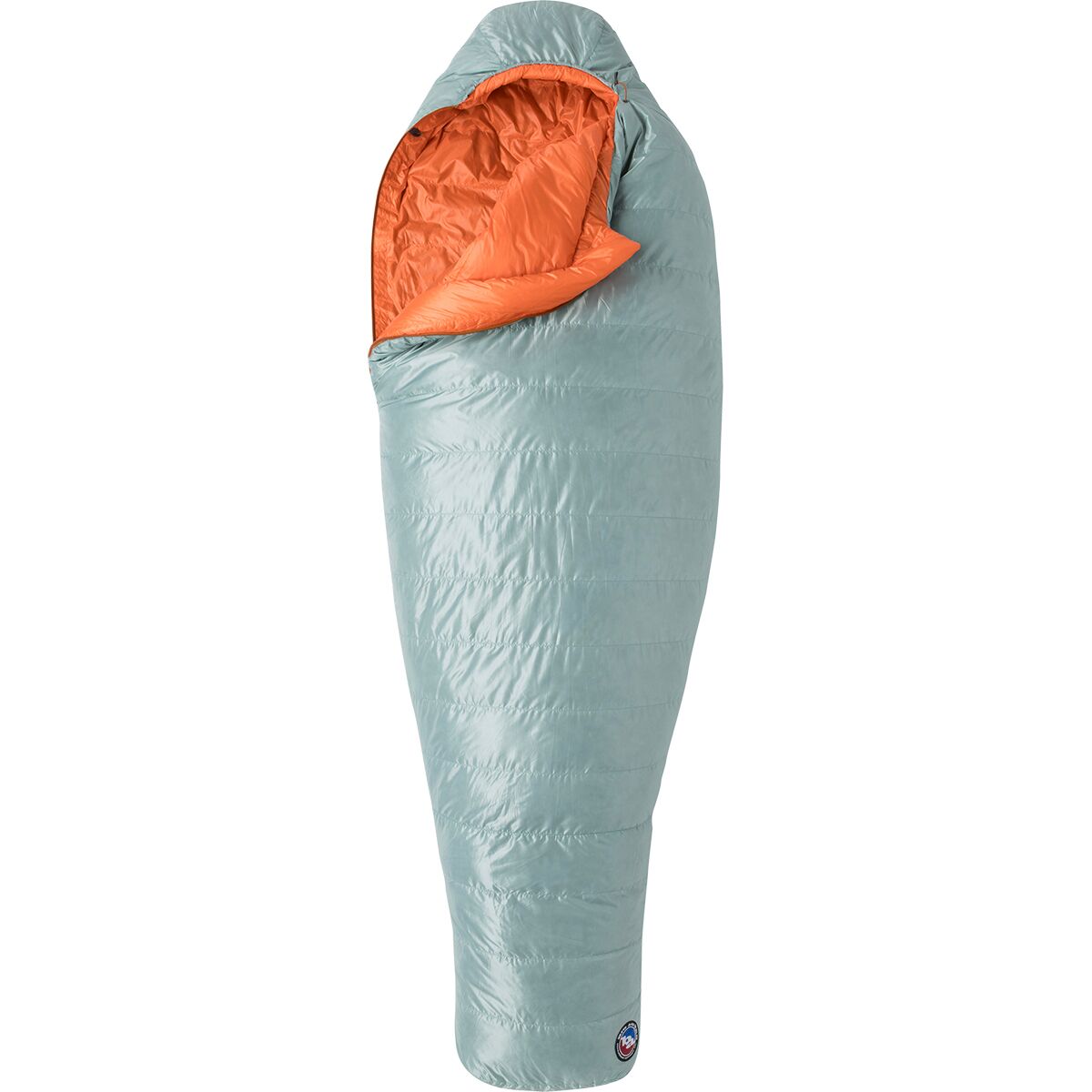
Anthracite Recycled Sleeping Bag: 20F Synthetic - Women's
1 color
Winter Sale
(20)

Big Agnes
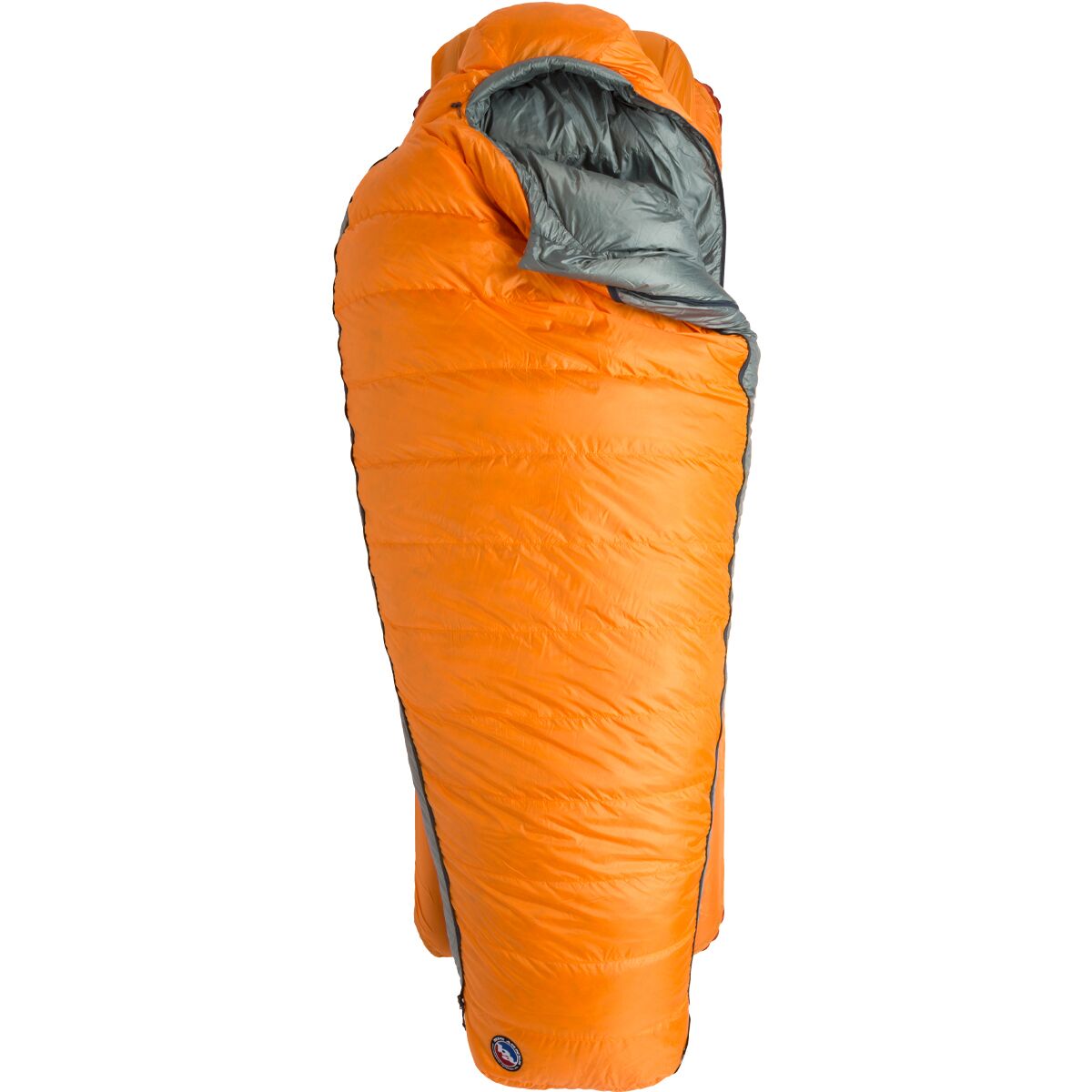
King Solomon Double Sleeping Bag: 20F Down
1 color
10% Cashback Eligible
(21)

Big Agnes
Lost Ranger 3N1 Sleeping Bag: 0F Down
1 color
Discount Applies In Cart | Ends 11/16
(20)

Big Agnes
Zoom UL Insulated Sleeping Pad
1 color
Discount Applies In Cart | Ends 11/16
(162)

Big Agnes
Torchlight EXP Sleeping Bag: 0F Down
1 color
Discount Applies In Cart | Ends 11/16
(7)

Big Agnes
Echo Park Sleeping Bag: 20F Synthetic
1 color
Discount Applies In Cart | Ends 11/16
(18)

Big Agnes
Sidewinder SL Sleeping Bag: 20F Down - Women's
1 color
Winter Sale
(24)


Big Agnes
Wolverine 20 Fireline Core Eco Sleeping Bag - Kids'
1 color
Discount Applies In Cart | Ends 11/16
(6)

Big Agnes
Torchlight EXP Sleeping Bag: 20F Down - Kids'
1 color
Discount Applies In Cart | Ends 11/16
(8)

Big Agnes
Lost Ranger 3N1 Sleeping Bag: 15F Down
1 color
Discount Applies In Cart | Ends 11/16
(12)

Big Agnes
Anthracite 20 FireLine Pro Recycled Sleeping Bag
2 colors
Discount Applies In Cart | Ends 11/16
(4)

Big Agnes
Campmeister Deluxe Insulated Sleeping Pad
1 color
(62)

Big Agnes
Skyline UL Chair
2 colors
Discount Applies In Cart | Ends 11/16
(319)

Big Agnes
Echo Park Sleeping Bag: 0F Synthetic
1 color
Discount Applies In Cart | Ends 11/16
(20)

Big Agnes
Compression Stuff Sack
1 color
Winter Sale
(6)

Big Agnes
Skyline UL Chair
1 color
Discount Applies In Cart | Ends 11/16
(309)

Big Agnes
Torchlight Exp 650 Rds Downtek 20 Sleeping Bag
1 color
Discount Applies In Cart | Ends 11/16
(15)

Big Agnes
Alpha Direct Fleece Sleeping Bag Liner
1 color
Discount Applies In Cart | Ends 11/16
(5)

Big Agnes
Little Red Sleeping Bag: 20F Synthetic - Kids'
1 color
Discount Applies In Cart | Ends 11/16
(17)

Big Agnes
Captain Comfort Deluxe Camp Mattress
1 color
(178)

Big Agnes
Fly Creek UL Sleeping Bag: 25F Down
1 color
Discount Applies In Cart | Ends 11/16
(10)

Big Agnes
Woodchuck Camp Table
1 color
Discount Applies In Cart | Ends 11/16
(42)

Big Agnes
Sage Canyon Shelter Plus
1 color
Discount Applies In Cart | Ends 11/16
(6)

Big Agnes
Skyline UL Stool
2 colors
Discount Applies In Cart | Ends 11/16
(59)

Big Agnes
Sidewinder SL Sleeping Bag: 20F Down
1 color
Discount Applies In Cart | Ends 11/16

Big Agnes
Insulated Sleeping Pad Cover
1 color
Discount Applies In Cart | Ends 11/16
(1)

Big Agnes
mtnGLO Tent & Camp Lights
3 colors
Discount Applies In Cart | Ends 11/16
(130)

Big Agnes
Anthracite 20 FireLine Pro Recycled Sleeping Bag - Women's
2 colors
Discount Applies In Cart | Ends 11/16
(1)

Big Agnes
UL Recovery Sleeping Bag Liner
1 color
Discount Applies In Cart | Ends 11/16
(7)

Big Agnes
Pumphouse Ultra Pad Pump
1 color
Winter Sale
(160)

Big Agnes
Fly Creek UL Zip Quilt: 50F Down
1 color
Discount Applies In Cart | Ends 11/16
(25)

Big Agnes
Rapide SL Pillow
1 color
Discount Applies In Cart | Ends 11/16
(71)

Big Agnes
TwisterCane Bio Foam Hiking Seat
1 color
Winter Sale
(25)

Big Agnes
Soul Kitchen Camp Table
1 color
Discount Applies In Cart | Ends 11/16
(47)

Big Agnes
Campmeister Deluxe Pillow
1 color
Discount Applies In Cart | Ends 11/16
(18)

Big Agnes
Cotton Sleeping Bag Liner
1 color
Discount Applies In Cart | Ends 11/16
(2)

Big Agnes
Echo Park Sleeping Bag: 40F Synthetic
1 color
Discount Applies In Cart | Ends 11/16
(4)

Big Agnes
Circle Back Sleep Pad
1 color
Discount Applies In Cart | Ends 11/16
(7)

Big Agnes
Hinman Sleeping Pad
1 color
Discount Applies In Cart | Ends 11/16
(135)
Related Categories

Frequently Asked Questions
What makes Big Agnes Copper Spur HV UL tents a good choice for overlanding and ultralight vehicle camping?
Big Agnes Copper Spur HV UL tents pair ultralight construction (around 3 lbs for many UL2 models) with livable, freestanding double‑wall designs—high‑volume hubs and near‑vertical walls increase headroom and usable floor space. Features like color‑coded clips for fast setup, dual vestibules for gear, Hyperbead fabric waterproofing, and ripstop nylon shells balance packability with three‑season weather resistance.How does the Copper Spur HV UL2 compare to the Copper Spur HV UL2 XL?
The UL2 XL adds extra length and width for lengthwise sleeping and more gear room, and long versions increase head height by about 7 cm for improved comfort; the tradeoff is a modest increase in packed size and weight. Choose the UL2 XL if you’re taller or prefer storing more kit inside, otherwise the standard UL2 offers a slightly lighter, more compact option.Which Big Agnes sleeping bag and pad combo is best for shoulder‑season overlanding?
For shoulder‑season warmth and low pack weight, pairing the Mystic UL 15 sleeping bag with the Q‑Core SLX pad gives a strong balance of insulation and lightness—the SLX targets reduced weight (about 16 oz) while the standard Q‑Core offers a beefier option (around 24 oz) for more insulation and comfort. Both pads use TPU‑laminated ripstop for puncture resistance, and Mystic’s ultralight construction integrates well with Big Agnes’ pad‑sleeve systems to reduce sliding.Are Big Agnes ultralight tents ready for exposed wind and rain on alpine or coastal overlanding routes?
Yes, Copper Spur and related models are built as three‑season shelters with a freestanding pole architecture, Hyperbead water‑shedding fabrics, and optional guylines to improve wind performance; dual vestibules and taped seams help keep gear dry. Because ultralight fabrics trade some abrasion resistance for weight savings, pitching with proper tension, using guylines, and choosing sheltered sites or footprint protection improve durability in exposed conditions.What’s the difference between Platinum and Bikepacking variants, and which is best for overlanding?
Platinum models use lighter, higher‑end fabrics to shave weight, while Bikepacking variants shorten pole lengths and add cut‑down profiles for bike mounts and tighter pack geometry; both prioritize lower weight over maximum fabric durability. For vehicle‑based overlanding where durability and livability matter more than absolute weight, standard Copper Spur fabrics are a great fit; pick Platinum or Bikepacking if minimizing carry weight or fitting into bike/fastpack rigs is the priority.