


Up To 20% Off Full-Price Items
Shop now
EXTRA 20% Off Clearance
Shop now | Ends 11/9
Get An EXTRA $50 Cash Back*
Summit+ exclusive
Backpacker's Pantry
27 results

Backpacker's Pantry
Peanut Butter & Banana Oatmeal
1 color
Discount Applies In Cart | Ends 11/16

Backpacker's Pantry
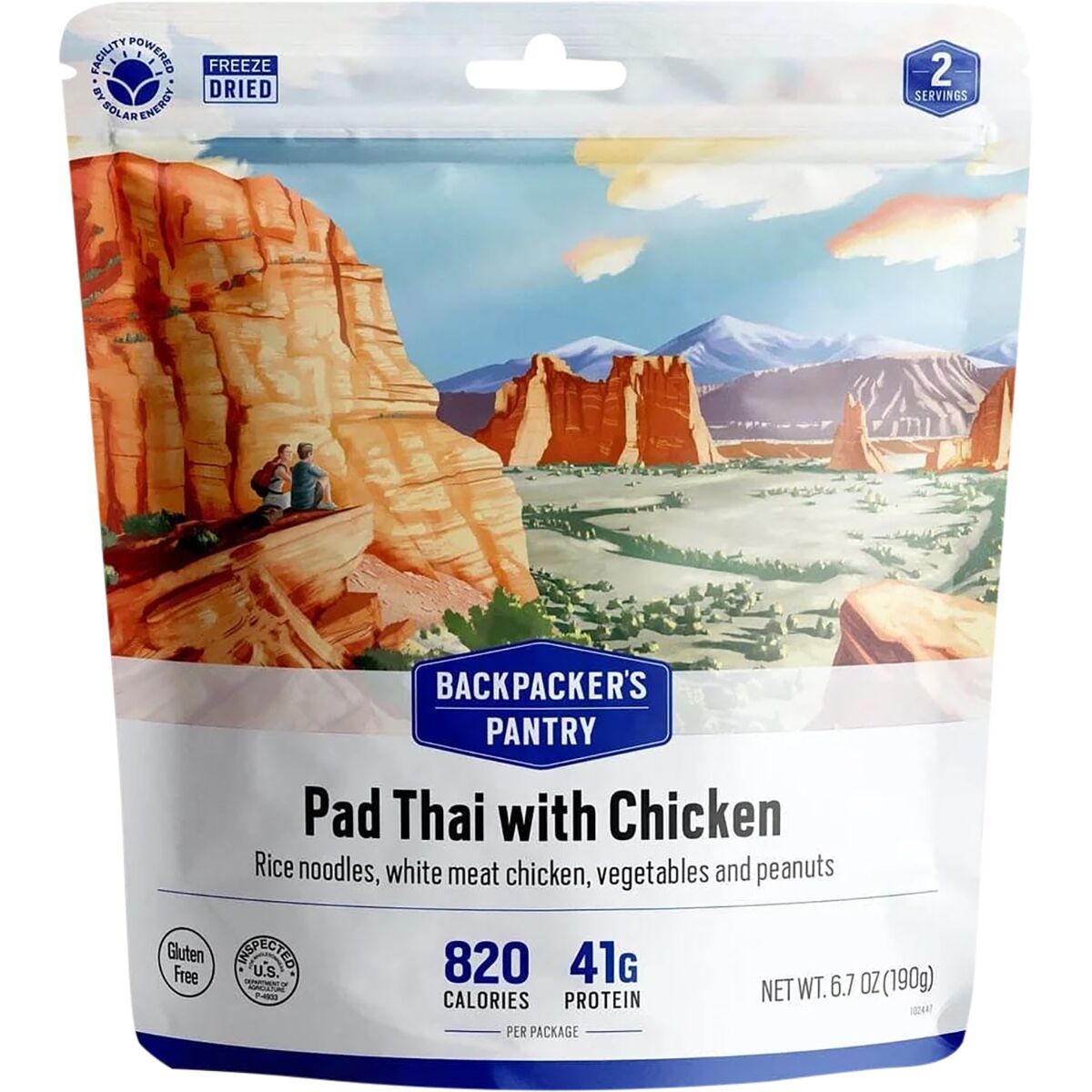
Pad Thai with Chicken
1 color
Discount Applies In Cart | Ends 11/16

Backpacker's Pantry
Santa Fe Rice & Beans with Chicken
1 color
Discount Applies In Cart | Ends 11/16

Backpacker's Pantry
Drunken Noodles + Chicken
1 color
Discount Applies In Cart | Ends 11/16

Backpacker's Pantry
Stroganoff Sauce + Beef
1 color
Discount Applies In Cart | Ends 11/16

Backpacker's Pantry
Rocky Mountain Scrambler
1 color
Discount Applies In Cart | Ends 11/16

Backpacker's Pantry
Vegan Kathmandu Curry
1 color
Discount Applies In Cart | Ends 11/16

Backpacker's Pantry
Hatch Chile Mac & Cheese
1 color
Discount Applies In Cart | Ends 11/16

Backpacker's Pantry
Blueberry Peach Crisp
1 color
Discount Applies In Cart | Ends 11/16

Backpacker's Pantry
Beef Bolognese
1 color
Discount Applies In Cart | Ends 11/16

Backpacker's Pantry
Fettuccini Alfredo + Chicken
1 color
Discount Applies In Cart | Ends 11/16

Backpacker's Pantry
Louisiana Beans & Rice
1 color
Discount Applies In Cart | Ends 11/16

Backpacker's Pantry
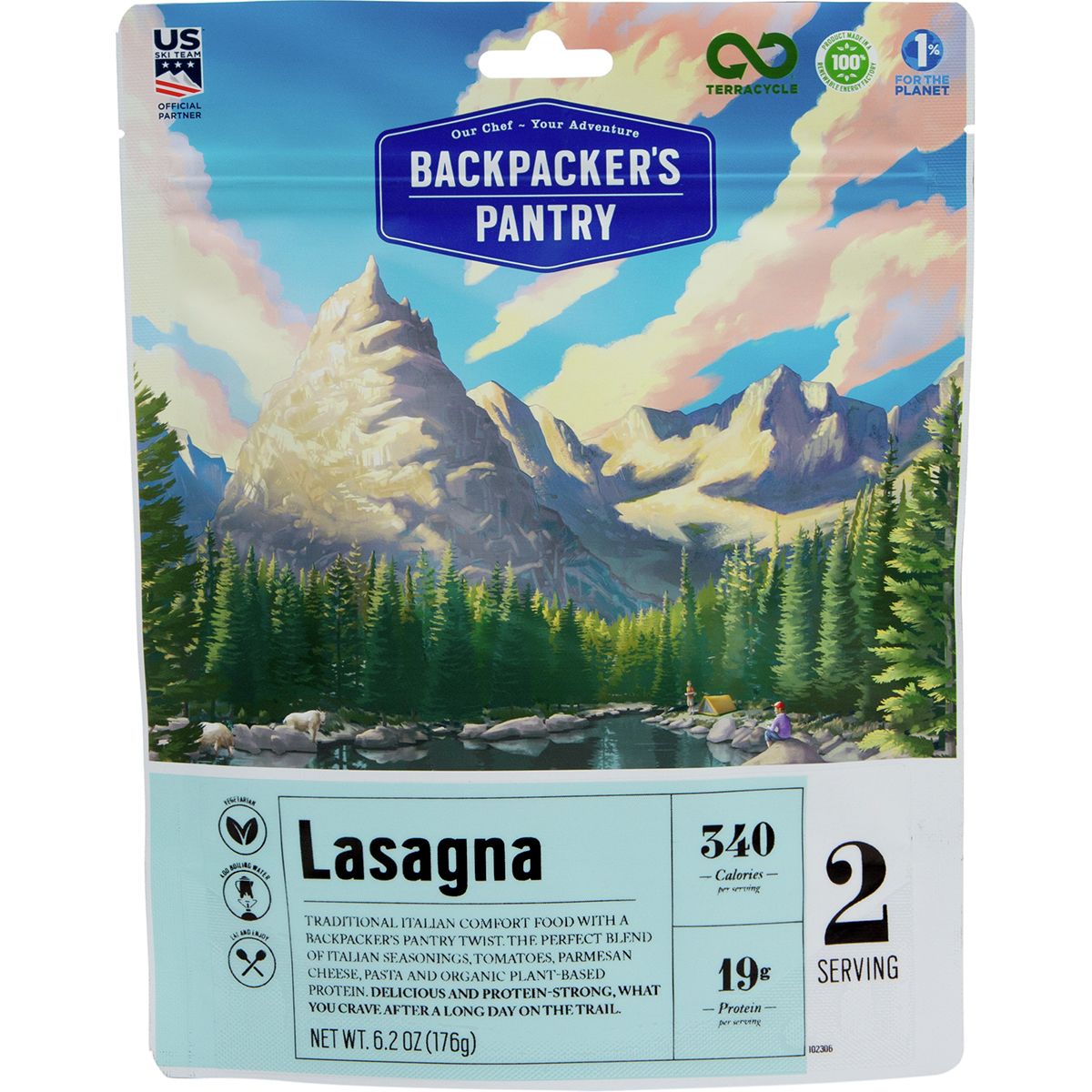
Lasagna
1 color
Discount Applies In Cart | Ends 11/16

Backpacker's Pantry
Three Cheese Mac & Cheese
1 color
Discount Applies In Cart | Ends 11/16
(1)

Backpacker's Pantry
Risotto with Chicken
1 color
Discount Applies In Cart | Ends 11/16

Backpacker's Pantry
Summit Breakfast Scramble
1 color
Discount Applies In Cart | Ends 11/16

Backpacker's Pantry
Cuban Coconut Black Beans & Rice
1 color
Discount Applies In Cart | Ends 11/16

Backpacker's Pantry
Pad Thai - Vegan
1 color
Discount Applies In Cart | Ends 11/16

Backpacker's Pantry
Dark Chocolate Cheesecake
1 color
Discount Applies In Cart | Ends 11/16
(2)

Backpacker's Pantry
Granola + Bananas, Almonds & Milk
1 color
Discount Applies In Cart | Ends 11/16

Backpacker's Pantry
Pasta Primavera
1 color
Discount Applies In Cart | Ends 11/16

Backpacker's Pantry
Vegan Chana Masala
1 color
Discount Applies In Cart | Ends 11/16

Backpacker's Pantry
Granola with Blueberries & Milk
1 color
Discount Applies In Cart | Ends 11/16

Backpacker's Pantry
Fiesta Beef and Vegetable Bowl
1 color
Discount Applies In Cart | Ends 11/16

Backpacker's Pantry
Astro Neapolitan Ice Cream Sandwich
1 color
Discount Applies In Cart | Ends 11/16

Backpacker's Pantry
Mushroom Stroganoff
1 color
Discount Applies In Cart | Ends 11/16

Backpacker's Pantry
Astro Vanilla Ice Cream Sandwich
1 color
Discount Applies In Cart | Ends 11/16
Related Categories
Frequently Asked Questions
What makes Backpacker’s Pantry freeze-dried meals different from other backcountry food?
Backpacker’s Pantry uses freeze-drying (about 97% nutrient retention) combined with dehydrated ingredients to keep meals lightweight, nutrient-dense, and quick to rehydrate. They emphasize whole-food ingredients—organic and non‑GMO where available—and pack recipes in flat, space-saving pouches that reconstitute with just boiling water for better flavor and texture than many simple dehydrated mixes.How many calories and how much protein are in a typical pouch, and how should I plan meals for multi‑day trips?
Most pouches range roughly 500–820 calories with protein levels typically between about 10–40 g depending on the recipe, so plan 2,500–4,000+ calories per day depending on exertion and body size. Choose single- or two‑serving pouches to match appetite and split meals between hikers; prioritize higher‑calorie, higher‑protein options on heavy‑load or alpine days and lighter breakfasts/snacks on low‑intensity days.How does Chicken Pad Thai compare to Three Sisters Stew for backcountry use?
Chicken Pad Thai delivers a savory, protein‑forward option (real chicken) that’s well suited to high‑exertion days when you want quick, calorie-dense recovery, while Three Sisters Stew is a plant‑based, hearty stew that provides sustained carbs and fiber and is a good choice for vegetarian campers or cold, restorative evenings. Both rehydrate quickly and pack flat, so pick Chicken Pad Thai for higher protein needs and Three Sisters Stew when you want a warming, meat‑free meal.How long do the pouches last and how should I store them on long trips?
Shelf life varies by recipe but typically ranges from about 3 to 10 years from manufacture, with high‑fat or dairy-containing items on the shorter end of that range. Store sealed pouches in a cool, dry place and avoid crushing them in your pack; once opened, rehydrate and consume as directed, and rotate long‑term caches so older pouches are used first.