


20% Off Full-Price Items
Shop now
Up To 50% Off Winter Sale
Shop now
Get An EXTRA $50 Cash Back*
Summit+ exclusive
Backcountry Yoga
7 results


Backcountry
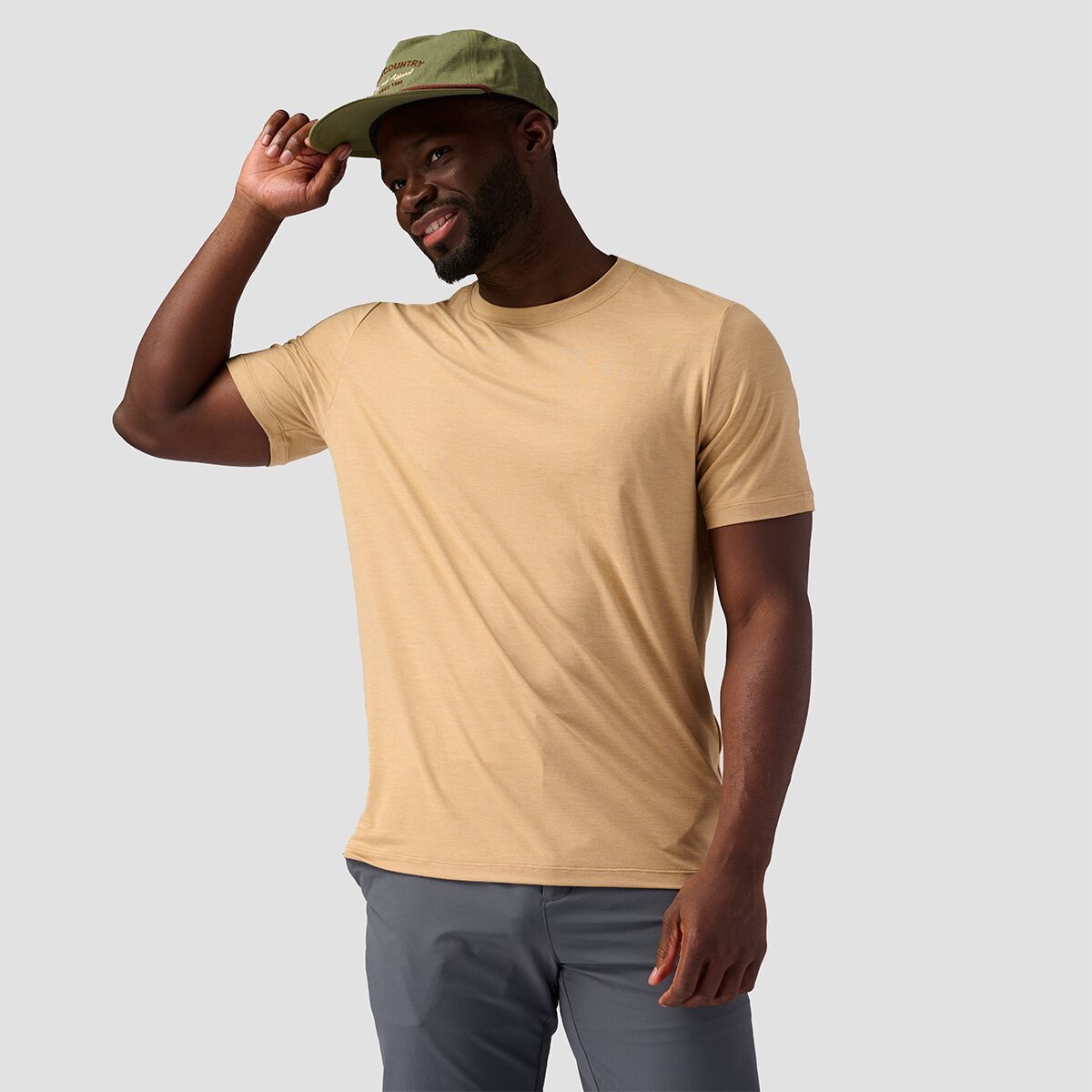
BGA Destination Crew T-Shirt - Men's
5 colors
$34.30 - $49.00
Up to 30% off
Discount Applies In Cart | Ends 11/16
(15)

Backcountry
BGA Wasatch Adventure Legging - Women's
3 colors
$59.50 - $119.00
Up to 50% off
Discount Applies In Cart | Ends 11/16
(12)

Backcountry
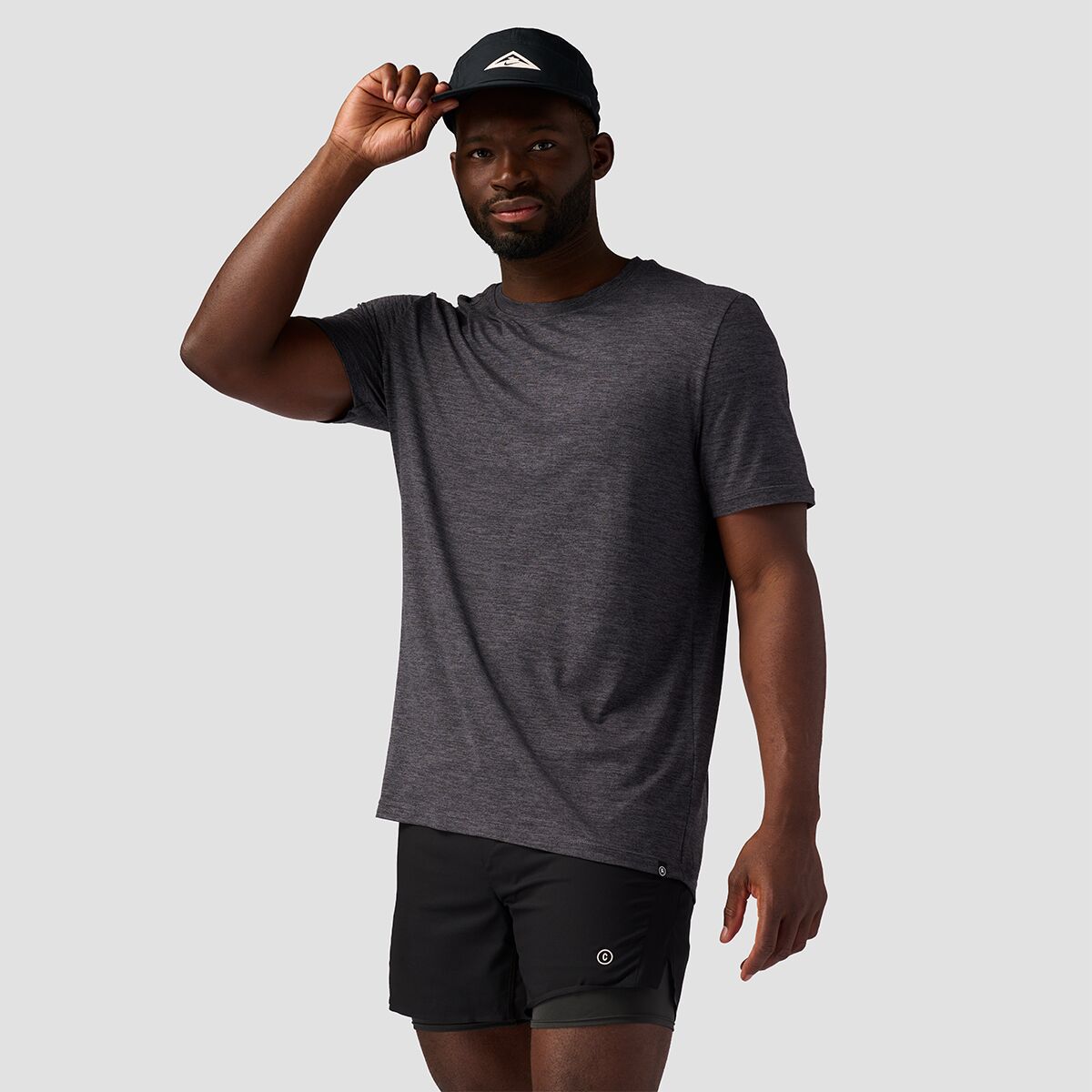
BGA Tahoe Sun Short-Sleeve Crew - Men's
5 colors
$34.30 - $49.00
Up to 30% off
Discount Applies In Cart | Ends 11/16
(12)

Backcountry
BGA Destination Mesh-Back Tank Top - Women's
2 colors
Current price: $34.30 Original price: $49.00
30% off
Winter Sale

Backcountry
BGA Destination 1/4-Zip Top - Men's
4 colors
$79.00
Discount Applies In Cart | Ends 11/16
(4)

Backcountry
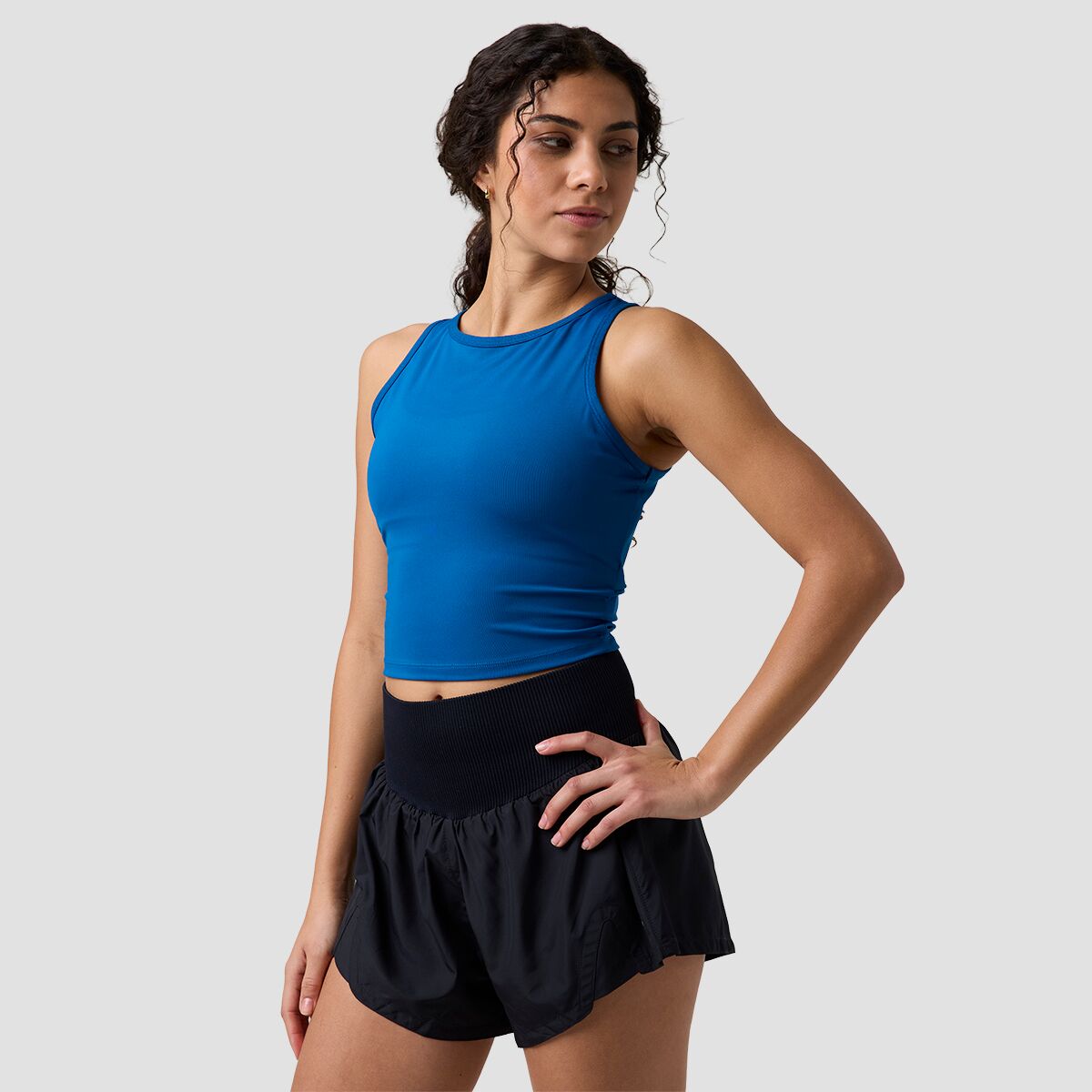
BGA Destination Racerback Tank Top - Women's
2 colors
Current price: $29.40 - $34.30 Original price: $49.00
Up to 40% off
Winter Sale

Backcountry
BGA Destination Run Bike Short - Women's
5 colors
Current price: $17.15 - $19.80 Original price: $49.00
Up to 65% off
Winter Sale
(7)
Related Categories


Frequently Asked Questions
How do I choose a yoga mat for hot yoga versus restorative practice?
For hot yoga choose open‑cell natural rubber or cork mats with sticky, moisture‑absorbing surfaces that maintain traction when sweaty; reversible constructions with a polyurethane top and rubber base add performance and durability. For restorative or yin pick thicker, denser cushioning (often 6–8 mm) to protect knees and joints while accepting a bit less standing stability, and consider longer/wider sizes for taller practitioners. If portability matters, look for lightweight mats under ~2 lb that still offer sufficient density.What is a Yoga Design Lab Cork Yoga Wheel best used for?
The Yoga Design Lab Cork Yoga Wheel (about 12.6 in diameter x 5 in wide) is designed for thoracic mobility, assisted backbends, and myofascial release, providing a stable curvature compared with softer foam rollers. Cork offers natural grip and antimicrobial properties, making the wheel suitable for studio and at‑home use without added slipping. Use it for chest openers, controlled spinal extension progressions, and gentle core work.How do the Under Armour Rush CG Core Legging and Icebreaker Cool‑Lite Merino Motion Seamless Tight compare for yoga?
Under Armour Rush CG Core leggings use performance synthetics and a compressive, supportive fit that excels in high‑sweat, dynamic classes where muscle support and durability matter. The Icebreaker Cool‑Lite Merino Motion Seamless Tight relies on a merino blend and seamless construction for breathable, odor‑resistant comfort ideal for low‑to‑moderate intensity practice and travel. Choose UA for compression and intense movement, and Icebreaker for natural‑fiber comfort and temperature regulation.What mat thickness and density should I look for if I need joint protection but still want balance?
A medium‑density 4–6 mm mat—5 mm is a common sweet spot—balances ground feel and knee cushioning for most practitioners without overly compromising stability. If you have persistent knee or joint issues, opt for thicker, denser mats (7–8 mm or more) that resist bottoming out; avoid very soft, low‑density foam that compresses under weight. Also check material construction (natural rubber holds shape better than some TPE foams) for lasting support.How do yoga towel materials and construction affect grip in hot yoga?
Microfiber towels with an open‑weave surface and silicone dot or rubberized backing wick sweat and create a sticky interface that significantly improves traction on top of a mat during hot practices. Look for quick‑dry, machine‑washable fabrics with antimicrobial treatments to reduce odor and maintain performance over time, and choose a towel size that fully covers your mat for consistent grip. A non‑slip backing prevents shifting so you can move confidently in sweaty poses.