


Up To 20% Off Full-Price Items
Shop now
EXTRA 20% Off Clearance
Shop now | Ends 11/9
Get An EXTRA $50 Cash Back*
Summit+ exclusive
Backcountry Travel
12 results


Backcountry
BGA All Around 16L Mini Tote
1 color
Discount Applies In Cart | Ends 11/16

Backcountry
BGA All Around 55L Duffel
2 colors
Discount Applies In Cart | Ends 11/16

Backcountry
BGA Cottonwoods Double Ski & Snowboard Rolling Bag G2
4 colors
Discount Applies In Cart | Ends 11/16
(17)

Backcountry
BGA Cottonwoods Ski & Snowboard Boot Bag G2
3 colors
Discount Applies In Cart | Ends 11/16
(15)

+7
Backcountry
BGA x Nalgene Goat Logo 32oz Wide Mouth Sustain Bottle
11 colors
Discount Applies In Cart | Ends 11/16
(3)

Backcountry
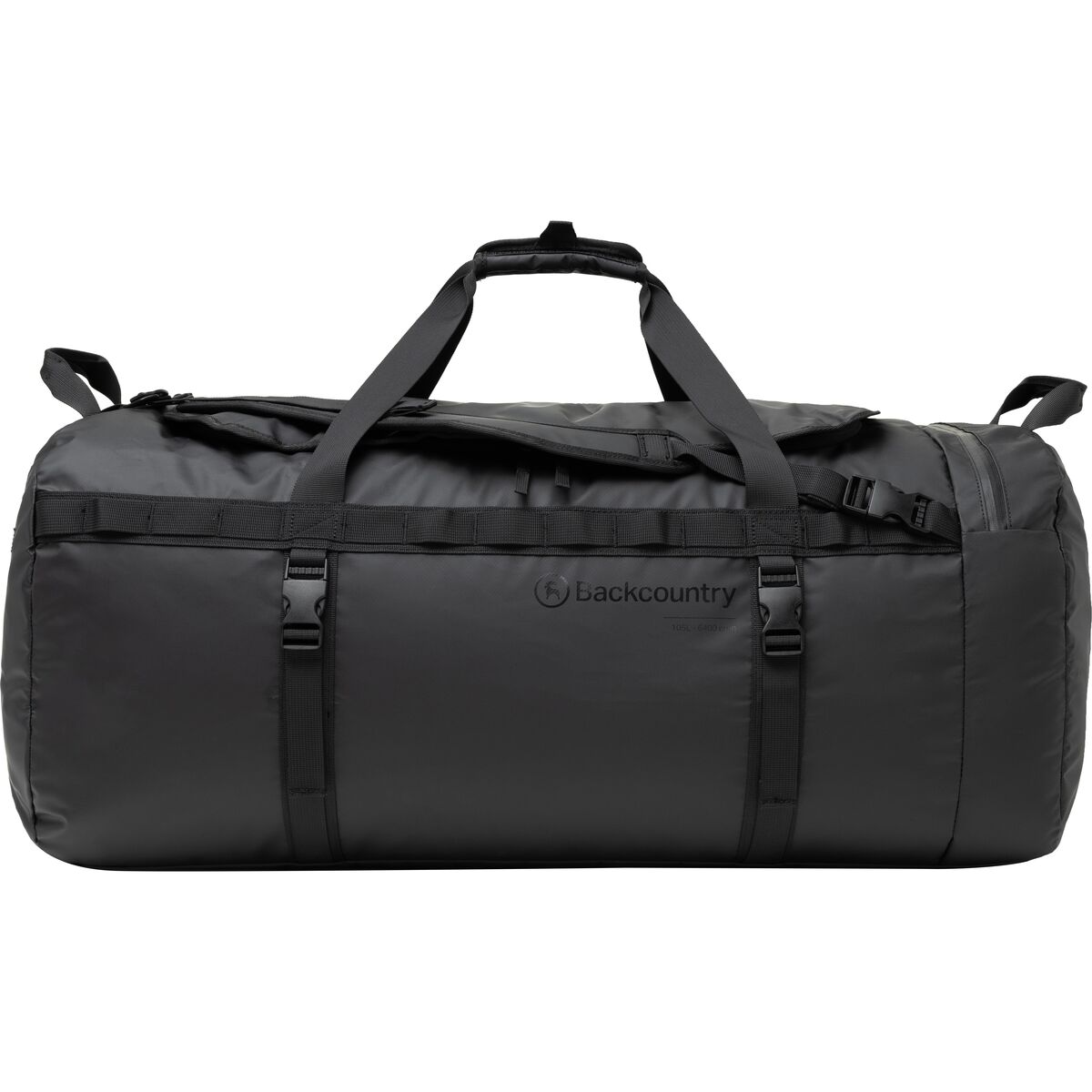
BGA All Around 105L Duffel
1 color
Discount Applies In Cart | Ends 11/16
(22)


Backcountry
BGA All Around 40L Duffel
2 colors
Discount Applies In Cart | Ends 11/16
(28)

Backcountry
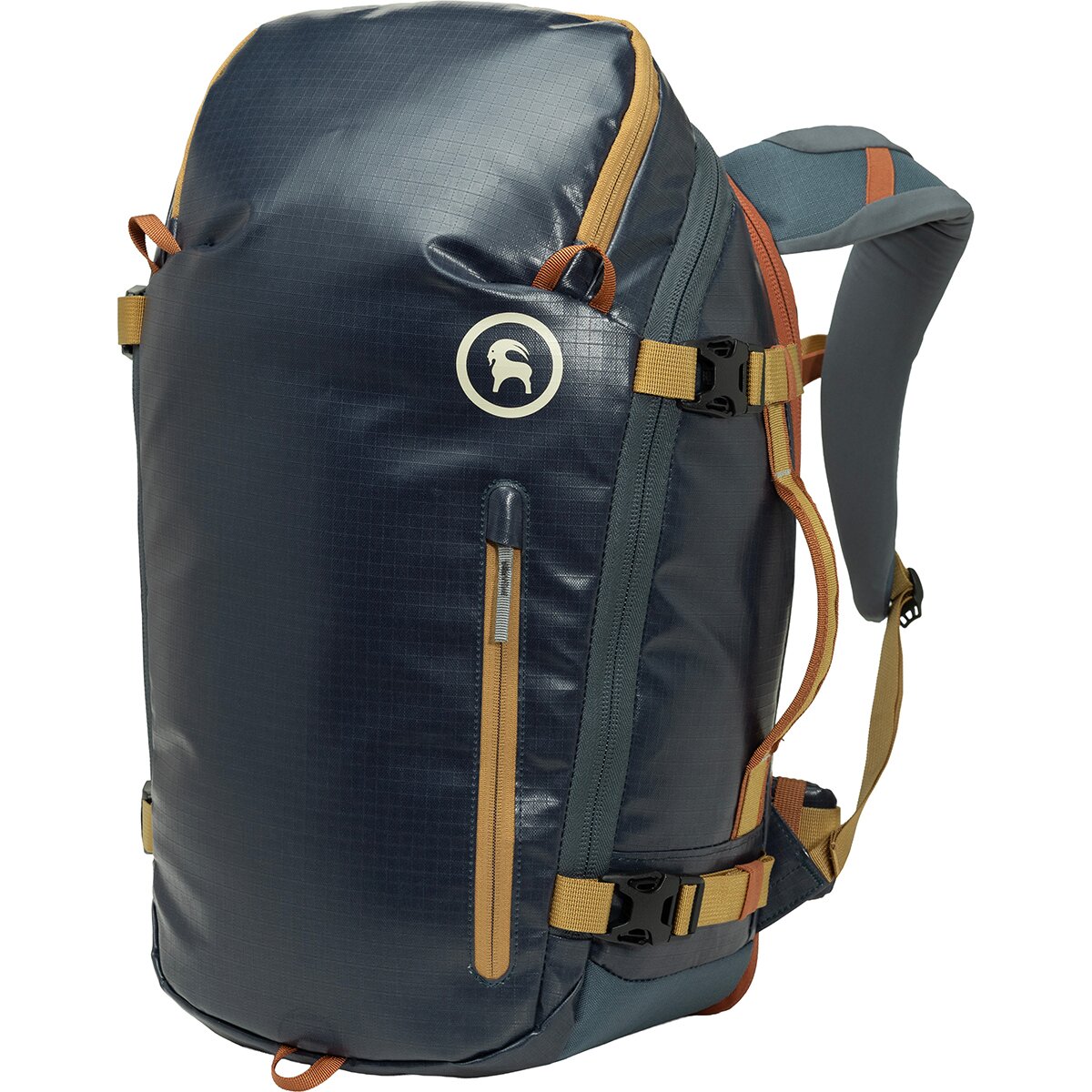
BGA Destination 30L Backpack
2 colors
Discount Applies In Cart | Ends 11/16
(20)

Backcountry
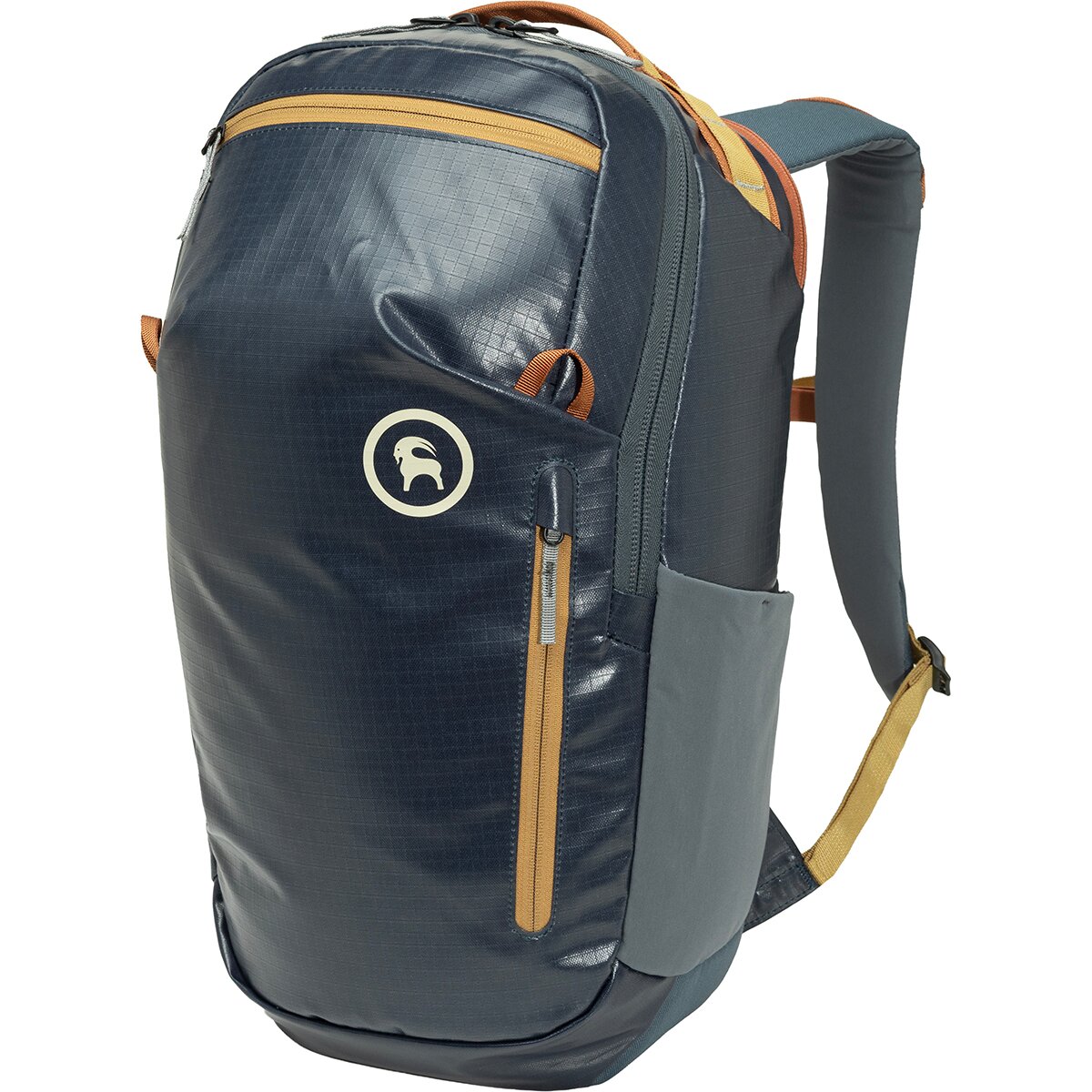
BGA Destination 20L Backpack
2 colors
Discount Applies In Cart | Ends 11/16
(24)

Backcountry
BGA All Around 60L Duffel
2 colors
Discount Applies In Cart | Ends 11/16
(39)

Backcountry
BGA All Around 70L Gear Tote
2 colors
Discount Applies In Cart | Ends 11/16
(15)

Backcountry
BGA All Around 36L Gear Tote
2 colors
Discount Applies In Cart | Ends 11/16
(16)
Related Categories




Frequently Asked Questions
How do I choose a backcountry backpack for overnight ski touring and hunting?
Pick a 40–60L pack with a reinforced frame and a padded hip belt to carry overnight loads or game comfortably; aim for a pack weight in the 2–4 lb range for balance between durability and low fatigue. Look for quick-access avalanche pockets, dedicated shovel/probe sleeves, A-frame or diagonal ski-carry options, hydration compatibility, and removable lid or daisy chains for versatility.What features matter most in alpine-touring (AT) boots for efficient uphill travel and confident descents?
Prioritize a robust walk mode with a wide cuff pivot and progressive cuff angles for long skintracks, plus compatibility with tech (pin) bindings or hybrid AT bindings depending on your setup. Choose shell stiffness and sole type based on your descent goals—lighter, lower-stiffness shells reduce uphill weight while stiffer shells improve stability on technical descents—and look for Gore‑Tex or similar waterproof membranes and heat‑moldable liners for comfort and weather protection.How does a Gore‑Tex membrane compare to wash‑in treatments like Nikwax for backcountry apparel?
Gore‑Tex is a laminated membrane that provides durable waterproofing and breathability as part of the fabric construction, while Nikwax is a reproofing treatment that restores DWR (durable water repellent) to the outer face of garments. Use Gore‑Tex or comparable membrane shells for sustained wet-weather protection and reapply Nikwax to maintain surface water beading and prolong breathability; both approaches complement one another rather than replace each other.What specs should I prioritize when choosing touring skis, skins, and bindings for mixed uphill and downhill objectives?
For mixed terrain pick skis with an underfoot width around 80mm+ for a balance of uphill efficiency and decent float in softer snow, and consider total pair weight (lighter skis often <10 lbs/pair) if you value skintrack speed. Choose skins (mohair blends or hybrid fibers) that match the ski profile and are easily trimable/replaceable, and select bindings—tech/pin for lightweight uphill performance or hybrid/frame AT bindings for easier heel retention on big descents—based on your weight, boot sole type, and intended terrain.How should I integrate avalanche safety gear into my pack and what specs should I check on transceivers, probes, and shovels?
Use a dedicated, easily accessible avalanche compartment or external sleeve for your transceiver, probe, and shovel so partners can reach them quickly; test pack layout in the field to avoid digging under layers. Check that probes reach 240–300 cm for most rescue scenarios, choose a collapsible aluminum or composite shovel with a strong shaft and comfortable handle, and prefer modern three‑antenna digital beacons for better search performance—then practice search and companion rescue drills regularly.