


20% Off Full-Price Items
Shop now
Up To 50% Off Winter Sale
Shop now
Get An EXTRA $50 Cash Back*
Summit+ exclusive
Backcountry Snowboard
48 results


Backcountry
BGA Cedars RWS Merino Mid-Wt Baselayer Crew Top - Women's
4 colors
Discount Applies In Cart | Ends 11/16
(11)

Backcountry
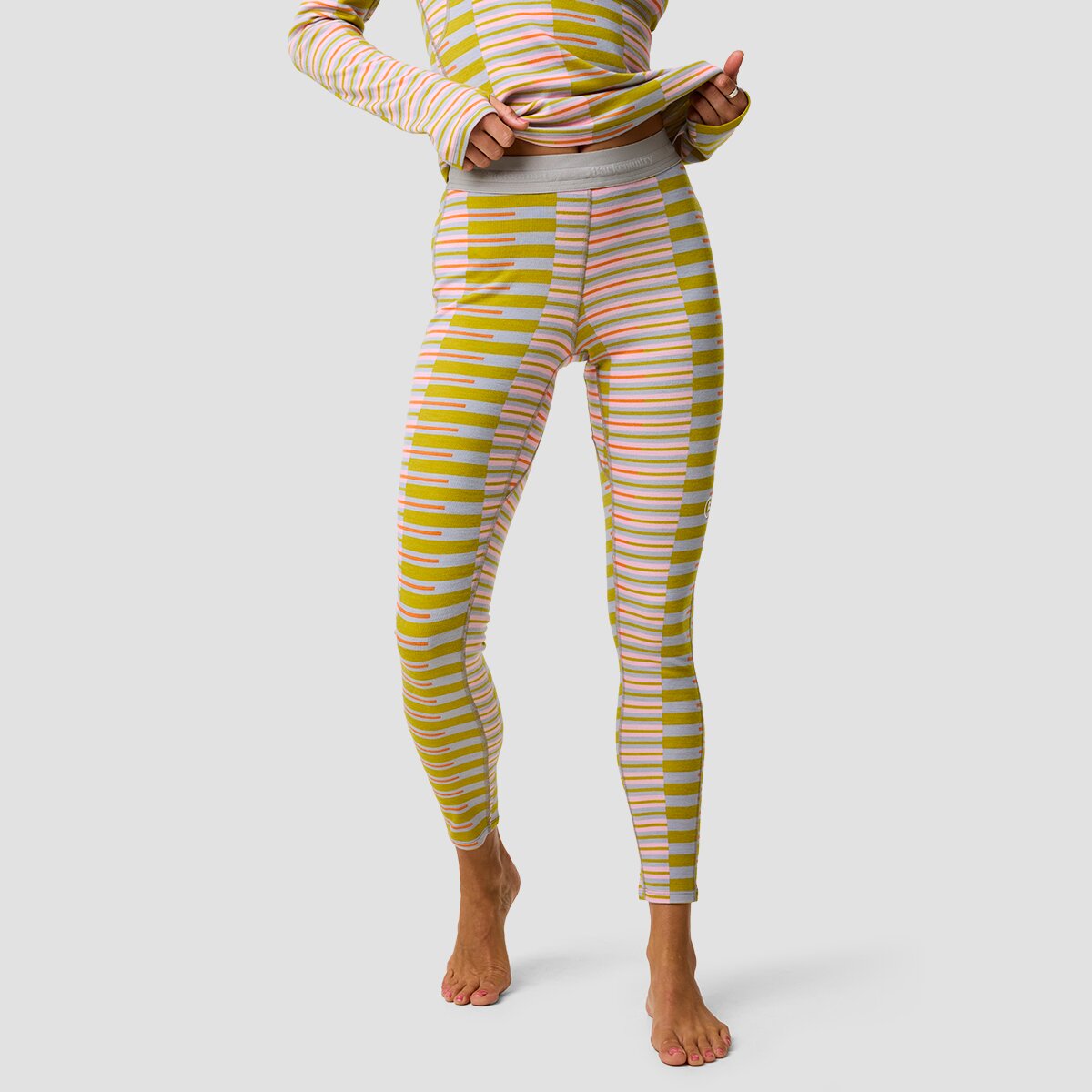
BGA Cedars RWS Merino Mid-Wt Baselayer Bottom - Women's
5 colors
Discount Applies In Cart | Ends 11/16
(9)

Backcountry
BGA Cedars RWS Merino Lt-Wt Baselayer Crew Top - Women's
5 colors
Discount Applies In Cart | Ends 11/16
(16)

Backcountry
BGA Cedars RWS Merino Lt-Wt Baselayer V-Waist Bottom-Women's
4 colors
Discount Applies In Cart | Ends 11/16
(16)

Backcountry
BGA Stansbury ALLIED Down Tight - Women's
4 colors
Discount Applies In Cart | Ends 11/16
(43)

Backcountry
BGA Cedars RWS Merino Lt-Wt Baselayer Balaclava Top-Women's
3 colors
Discount Applies In Cart | Ends 11/16
(9)

Backcountry
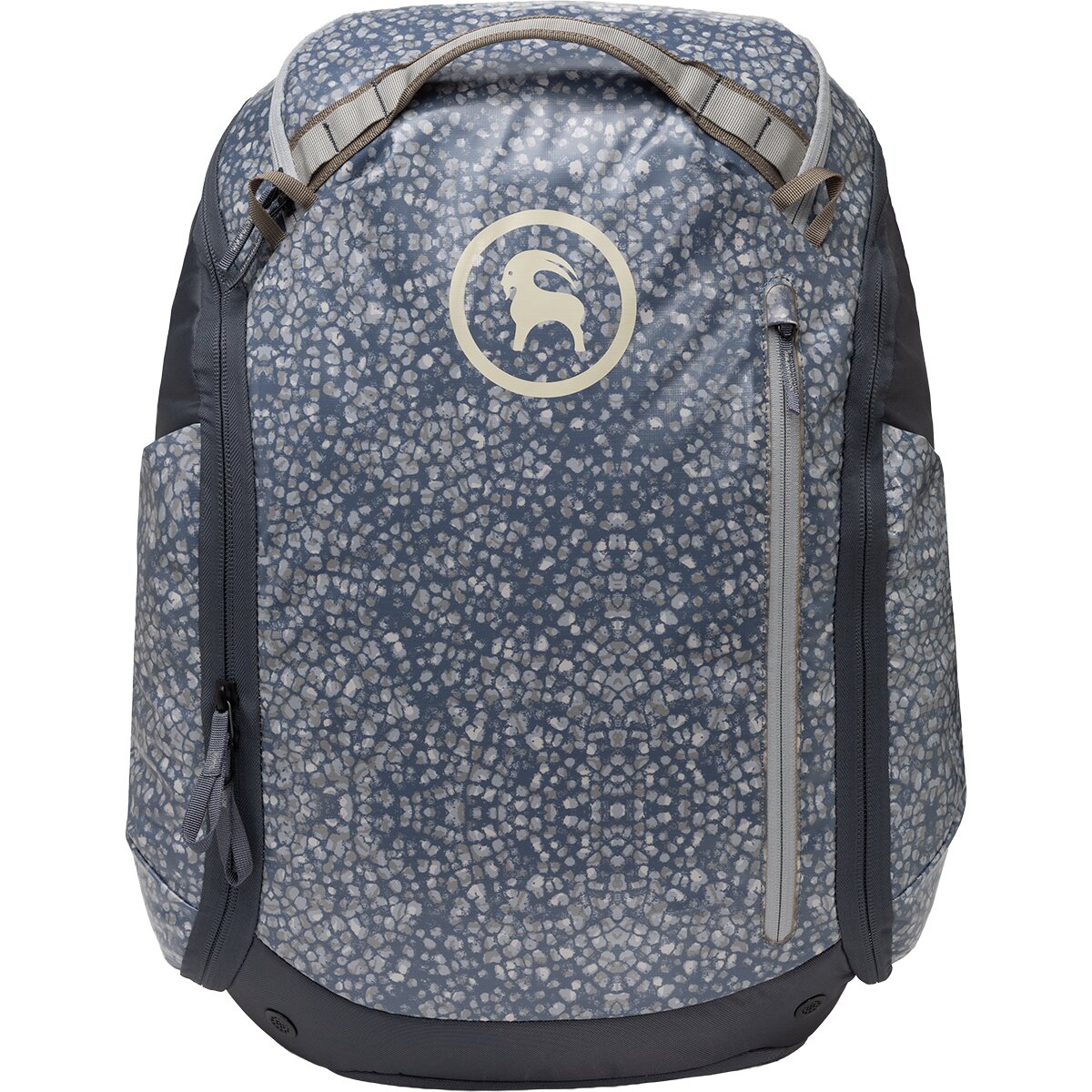
BGA Cottonwoods Ski & Snowboard Boot Bag G2
3 colors
Discount Applies In Cart | Ends 11/16
(15)

Backcountry
BGA Cottonwoods Xpore 3L Bibs - Men's
2 colors
Discount Applies In Cart | Ends 11/16

Backcountry
BGA Cedars RWS Merino Mid-Wt Baselayer Bottom - Men's
2 colors
Discount Applies In Cart | Ends 11/16
(4)

Backcountry
BGA Cedars RWS Merino Lt-Wt Mid-Rise Bottom - Women's
2 colors
Discount Applies In Cart | Ends 11/16

Backcountry
BGA Cedars RWS Merino Lt-Wt Baselayer Bottom - Men's
3 colors
Discount Applies In Cart | Ends 11/16
(8)

Backcountry
BGA Cedars RWS Merino Mid-Wt Baselayer Jogger Bottom-Women's
2 colors
Discount Applies In Cart | Ends 11/16
(8)

Backcountry
BGA Cedars RWS Merino Mid-Wt Baselayer 1/4-Zip Top - Women's
3 colors
Discount Applies In Cart | Ends 11/16
(5)

Backcountry
BGA Cedars RWS Merino Mid-Wt Baselayer 3/4 Bottom - Women's
2 colors
Discount Applies In Cart | Ends 11/16
(7)

Backcountry
BGA Cedars RWS Merino Mid-Wt Baselayer Crew Top - Men's
3 colors
Discount Applies In Cart | Ends 11/16
(5)

Backcountry
BGA Cottonwoods Xpore LT Jacket G2 - Women's
2 colors
Discount Applies In Cart | Ends 11/16

Backcountry
BGA Cottonwoods Xpore Shell Jacket - Women's
2 colors
Discount Applies In Cart | Ends 11/16

Backcountry
BGA Cottonwoods Xpore LT Bibs G2 - Women's
2 colors
Discount Applies In Cart | Ends 11/16

Backcountry
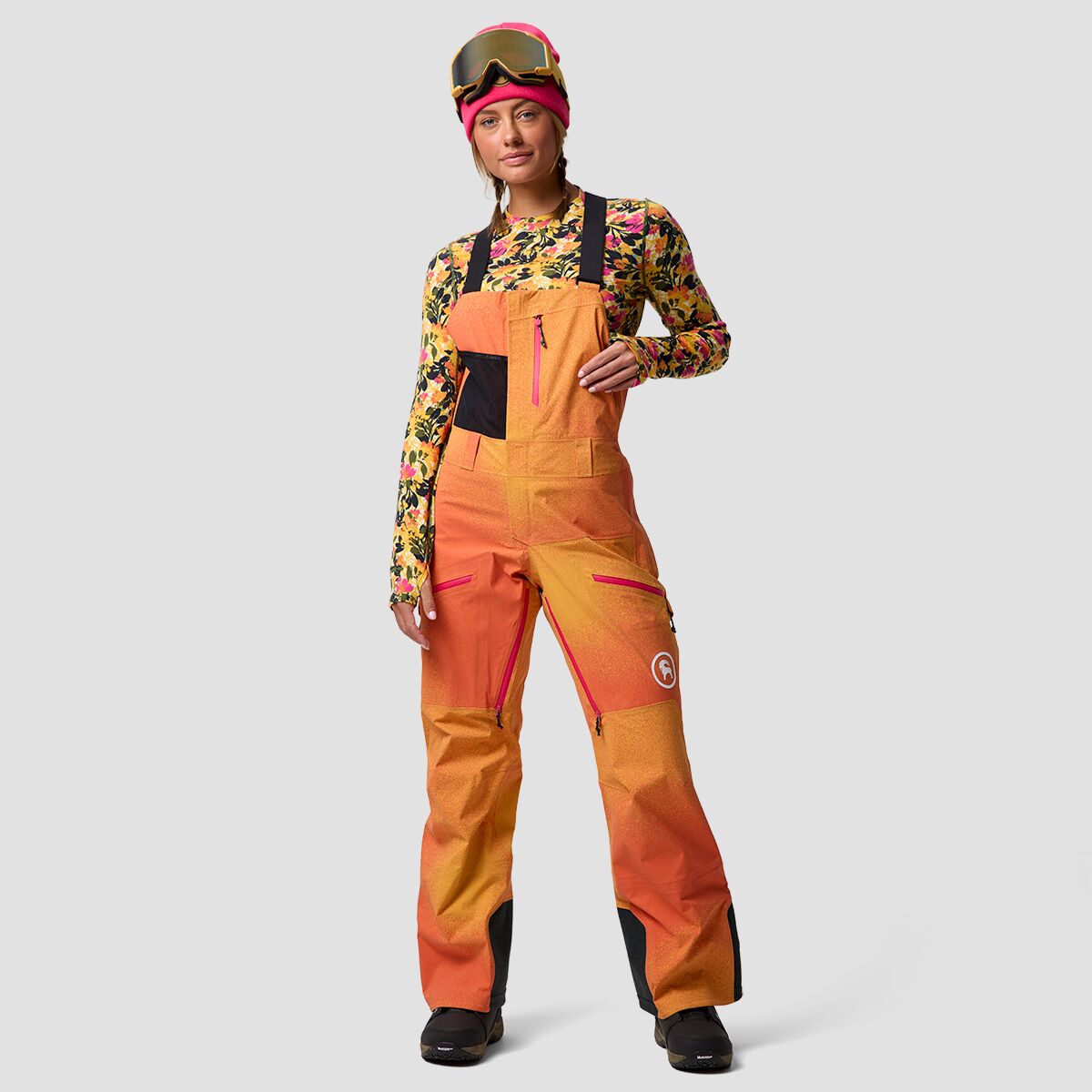
BGA Cottonwoods LT Xpore 3L Bibs - Women's
2 colors
Discount Applies In Cart | Ends 11/16
(2)

Backcountry
BGA Pines Microgrid Ultra-LT Baselayer Balaclava Top - Men's
3 colors
Discount Applies In Cart | Ends 11/16
(3)

Backcountry
BGA Cedars RWS Merino Lt-Wt Baselayer Crew Top - Men's
3 colors
Discount Applies In Cart | Ends 11/16
(9)

Backcountry
BGA Cedars RWS Merino Mid-Wt Baselayer 1/4-Zip Top - Men's
2 colors
Discount Applies In Cart | Ends 11/16
(6)

Backcountry
BGA CrestCruiser Insulated Jacket - Women's
5 colors
Discount Applies In Cart | Ends 11/16
(12)

Backcountry
BGA Cedars RWS Merino Mid-Wt Baselayer 3/4 Bottom - Men's
2 colors
Discount Applies In Cart | Ends 11/16
(4)

Backcountry
BGA Wolverine Cirque 3/4 Insulated Pant - Women's
2 colors
Winter Sale
(10)

Backcountry
BGA Pines Microgrid Ultra-Lt Baselayer 1/4-Zip Top - Men's
4 colors
Discount Applies In Cart | Ends 11/16
(4)

Backcountry
BGA Pines Microgrid Ultra-Lt Baselayer Bottom - Women's
3 colors
Discount Applies In Cart | Ends 11/16
(8)

Backcountry
BGA Peale PrimaLoft 3/4 Insulated Bottom - Women's
1 color
Discount Applies In Cart | Ends 11/16

Backcountry
BGA Pines Microgrid Ultra-Lt Baselayer 1/2-Zip Top - Women's
2 colors
Discount Applies In Cart | Ends 11/16

Backcountry
BGA Pines Microgrid UL Baselayer Balaclava Top G2 - Women's
2 colors
Discount Applies In Cart | Ends 11/16

Backcountry
BGA Pines Microgrid Ultra-Lt Baselayer Crew Top - Women's
2 colors
Discount Applies In Cart | Ends 11/16

Backcountry
BGA Cottonwoods Xpore Shell Bibs - Women's
2 colors
Discount Applies In Cart | Ends 11/16

Backcountry
BGA Pines Microgrid UL Baselayer 1/2-Zip Scuba Top - Men's
1 color
Winter Sale
(5)

Backcountry
BGA Cottonwoods LT Xpore 3L Jacket - Women's
2 colors
Discount Applies In Cart | Ends 11/16
(1)

+2
Backcountry
BGA Patch Goat Beanie
6 colors
Discount Applies In Cart | Ends 11/16
(18)

Backcountry
BGA Wander Pile-Fleece Hood
3 colors
Discount Applies In Cart | Ends 11/16
(3)

Backcountry
BGA Cedars Merino Lt-Wt Baselayer Cropped Crew Top-Women's
2 colors
Discount Applies In Cart | Ends 11/16
(4)

Backcountry
BGA Pines Microgrid Ultra-LT Baselayer Crew Top - Men's
3 colors
Discount Applies In Cart | Ends 11/16
(4)

Backcountry
BGA Pines Microgrid Ultra-Lt Baselayer Bottom - Men's
2 colors
Discount Applies In Cart | Ends 11/16
(9)

Backcountry
BGA Cedars RWS Merino Lt-Wt Baselayer Hoodie - Men's
2 colors
Discount Applies In Cart | Ends 11/16

Backcountry
BGA Cottonwoods Xpore Shell Pant - Women's
1 color
Discount Applies In Cart | Ends 11/16

Backcountry
BGA Pines Microgrid Ultra-Lt Baselayer 1/4-Zip Top - Women's
1 color
Winter Sale
(13)
Related Categories



Frequently Asked Questions
What features make a splitboard perform well on long backcountry tours and in deep powder?
A strong backcountry splitboard balances uphill efficiency and downhill float: camber underfoot with early-rise tip and tail for skin traction and edge hold, a wider waist (many powder-focused boards sit around ~105mm) for flotation, and ultralight materials like carbon-reinforced layups to reduce ascent fatigue. Look for reliable split hardware (pinless/lever systems) and a sintered/waxed base paired with quality skins such as Black Diamond Ascension or Pomoca for grip and glide.How do I pick the right splitboard length and width for my weight, boot size, and riding style?
Choose length and width based on rider weight, boot size, and preferred terrain—longer boards add stability at speed and in deep snow, while wider waists (e.g., ~105mm) improve flotation for heavier riders or larger boot sizes. Verify manufacturer size charts and tech compatibility (softboot vs hardboot setups, binding toe/heel spacing) and favor slightly longer/wider when powder is your priority; if you split time between tight trees and steep lines, prioritize maneuverability.How does the Weston Backwoods compare to the Arbor Landmark Camber for mixed backcountry terrain?
Both the Weston Backwoods and Arbor Landmark Camber are built for backcountry use, but they emphasize different performance traits: the Backwoods leans toward surfy, directional float and playful turn initiation, while the Landmark Camber centers camber underfoot for stronger edge hold, pop, and stability on firmer, variable snow. Touring features, weight, and split hardware options vary by model year, so pick the Backwoods if you prioritize maximum flotation and surfy feel, or the Landmark Camber if you want camber-driven precision in mixed conditions.What binding and hardware features speed up transitions and improve uphill efficiency?
Fast, reliable transition systems include pinless or lever-based interface plates (examples: Spark R&D’s proven systems and Karakoram-style clip hardware) that minimize fiddly pins, plus touring-specific bindings with adjustable heel risers and low-profile tour modes. Also prioritize lightweight, stiff heel cups for efficient kick turns, quality skins sized to your board, and compact crampons or snowshoes for steep boot-packs to keep transition times low and ascents efficient.Which construction materials give the best weight-to-performance ratio for a splitboard?
Look for boards that use targeted carbon or basalt stringers, lightweight engineered cores (often blends of paulownia/poplar or similar stable woods), and reinforced sidewalls to keep torsional rigidity without excessive mass; carbon patches reduce weight while preserving pop. Eco-focused touches—EcoPlastic topsheets, recycled steel edges, and eco-resin—can lower environmental impact with minimal performance compromise, but be mindful that extremely ultralight builds may trade some high-speed damping for easier climbs.