


Up To 20% Off Full-Price Items
Shop now
EXTRA 20% Off Clearance
Shop now | Ends 11/9
Get An EXTRA $50 Cash Back*
Summit+ exclusive
Backcountry Packs
4 results


Backcountry
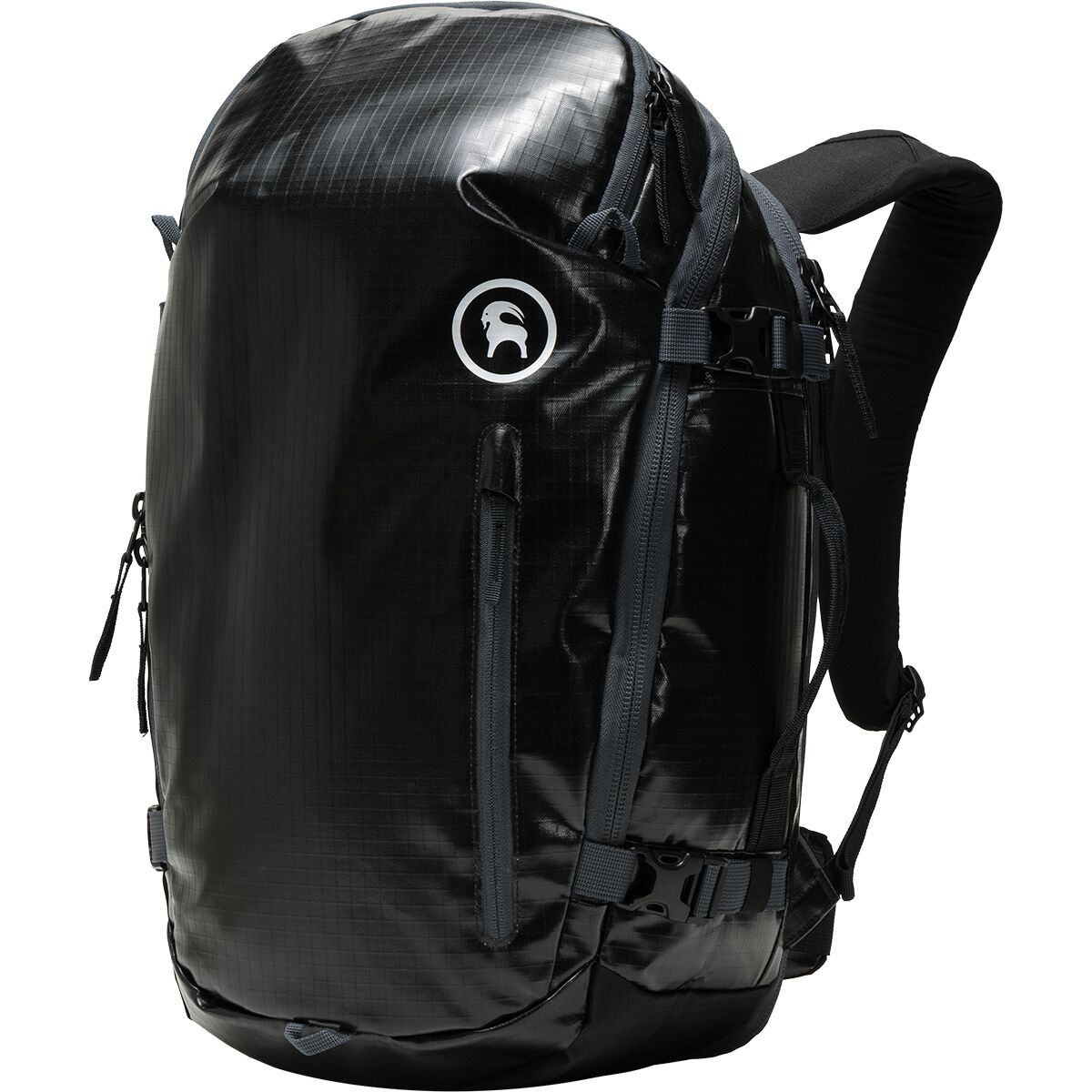
BGA Destination 30L Backpack
2 colors
$149.01
Discount Applies In Cart | Ends 11/16
(20)

Backcountry
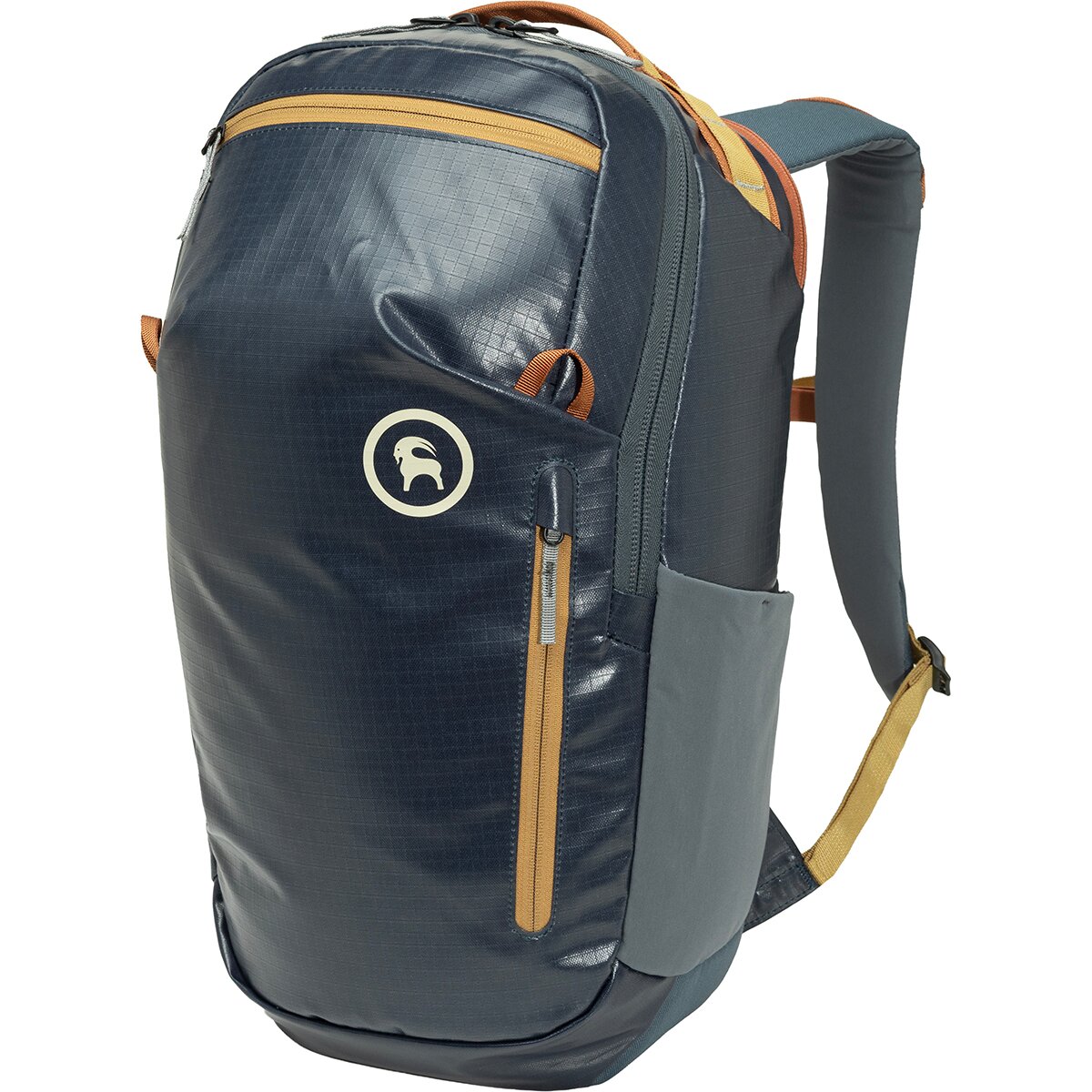
BGA Destination 20L Backpack
2 colors
$119.01
Discount Applies In Cart | Ends 11/16
(24)

Backcountry
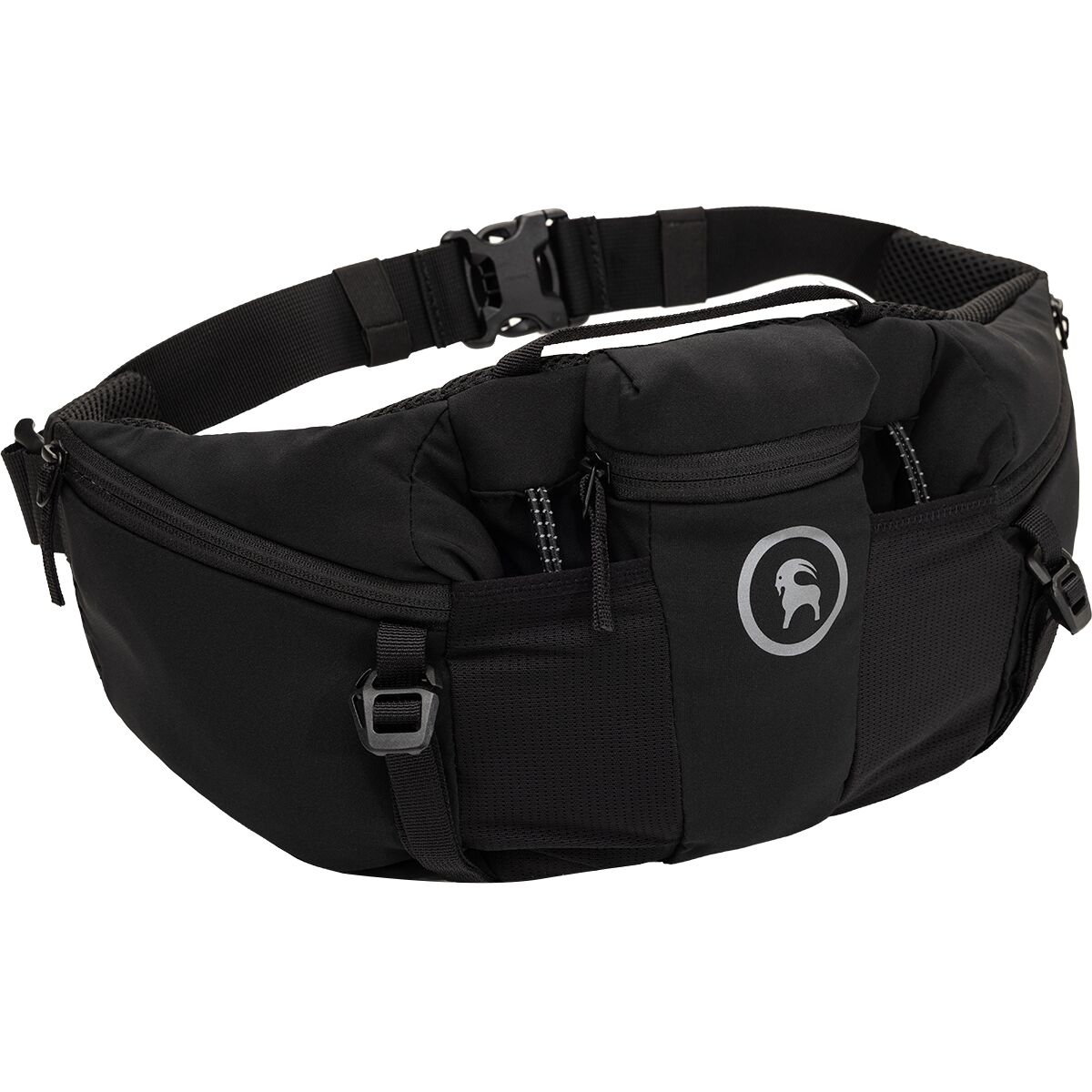
BGA Slickrock 3L Hip Pack
1 color
Current price: $41.40 Original price: $69.01
40% off
Extra 20% Off Clearance | Ends 11/9
(2)

Backcountry
BGA Destination 1L Hip Pack
2 colors
$34.01
Discount Applies In Cart | Ends 11/16
(3)
Related Categories
 Backcountry Hydration Packs
 Backcountry Lumbar Packs
 Backcountry Mens Everyday Packs
 Backcountry Womens Everyday Packs
 Backcountry Mens Duffels
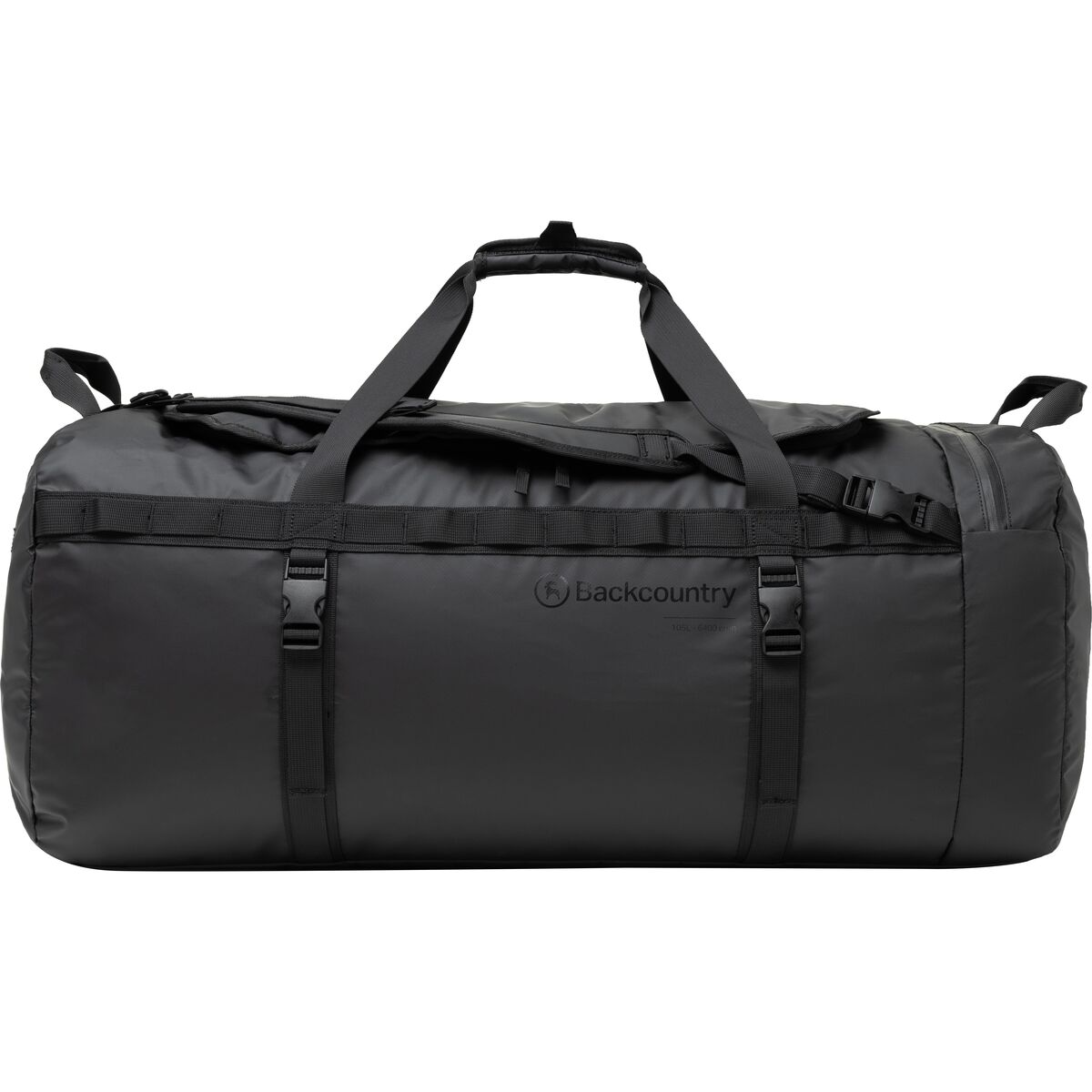 Backcountry Womens Duffels
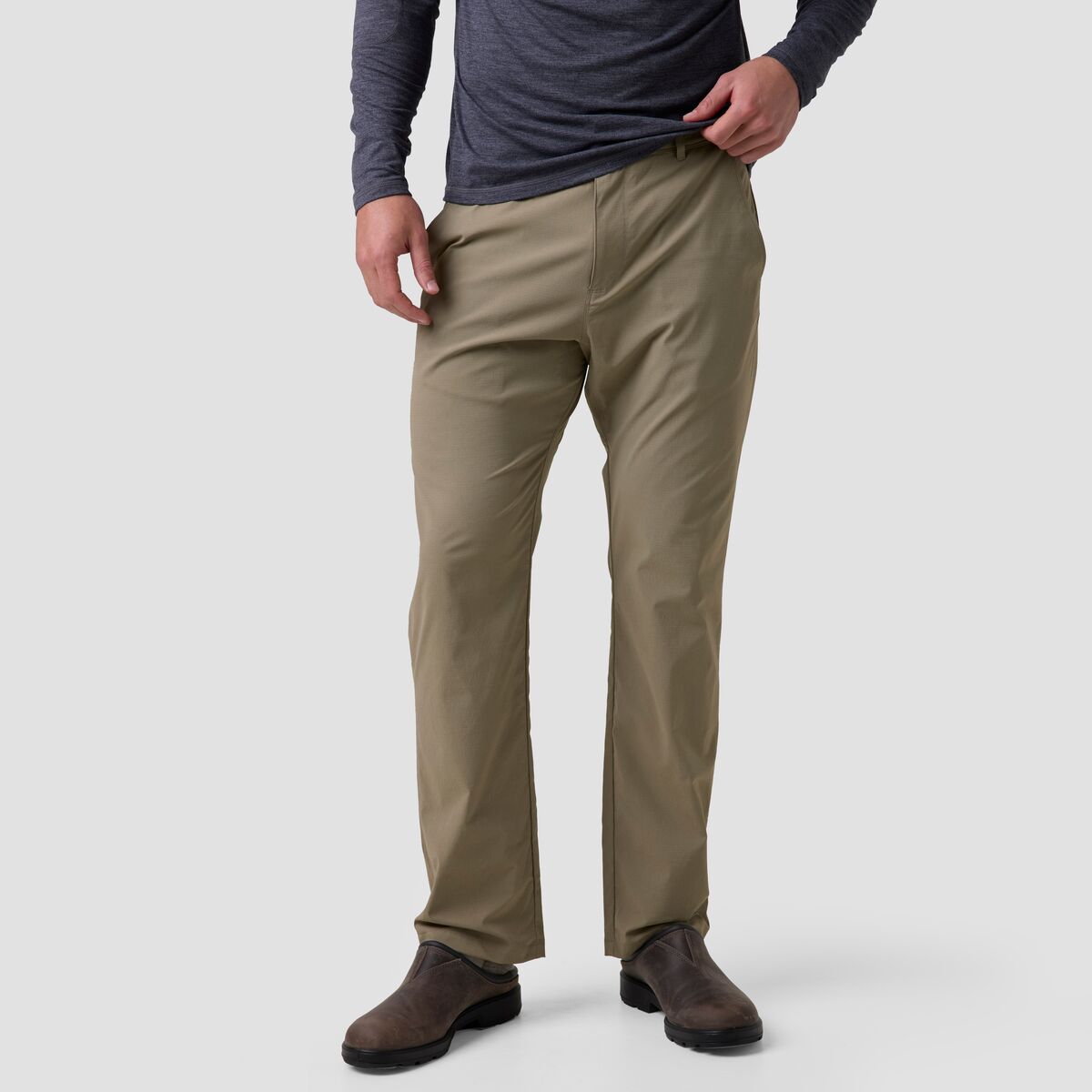 Backcountry Mens Hiking Clothing
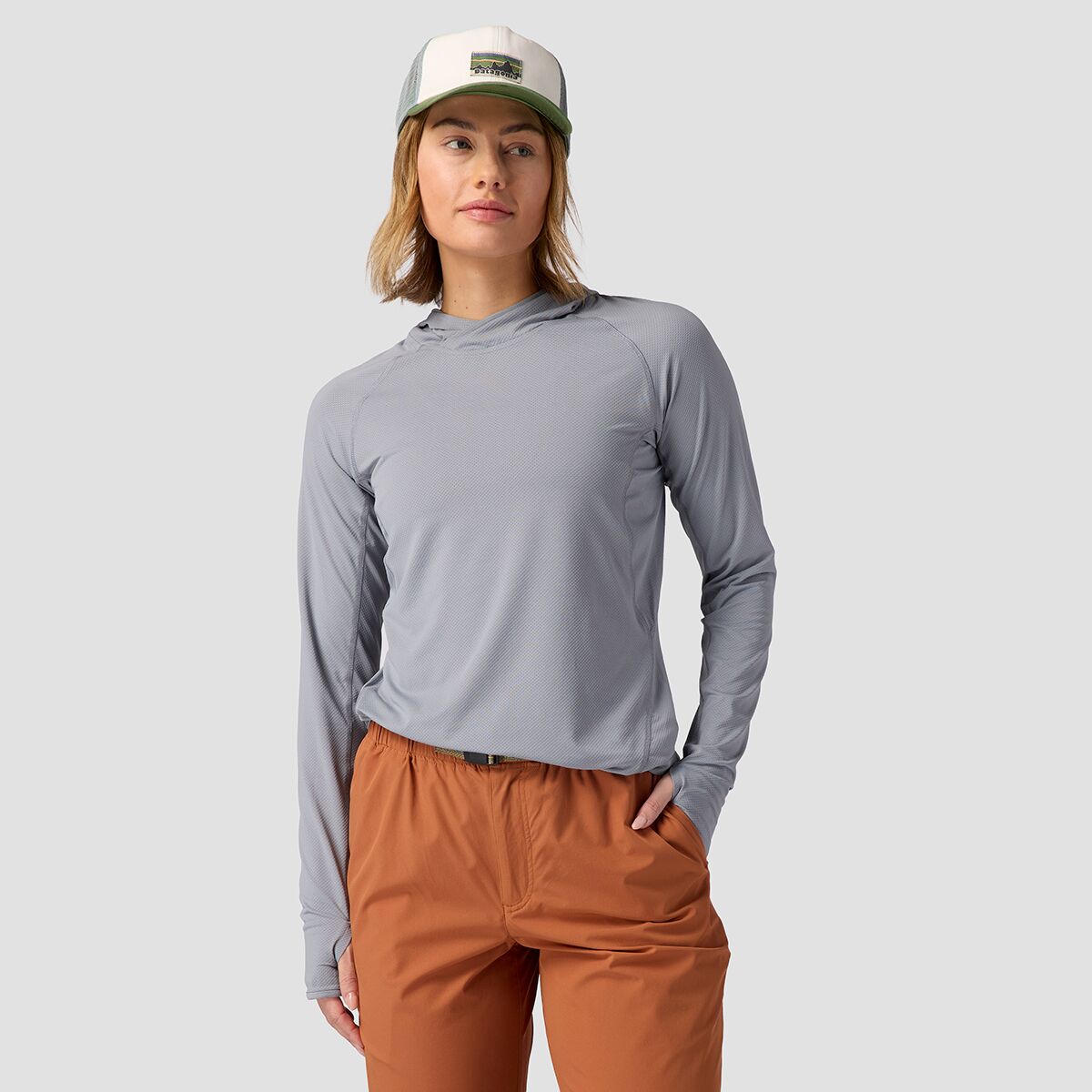 Backcountry Womens Hiking Clothing
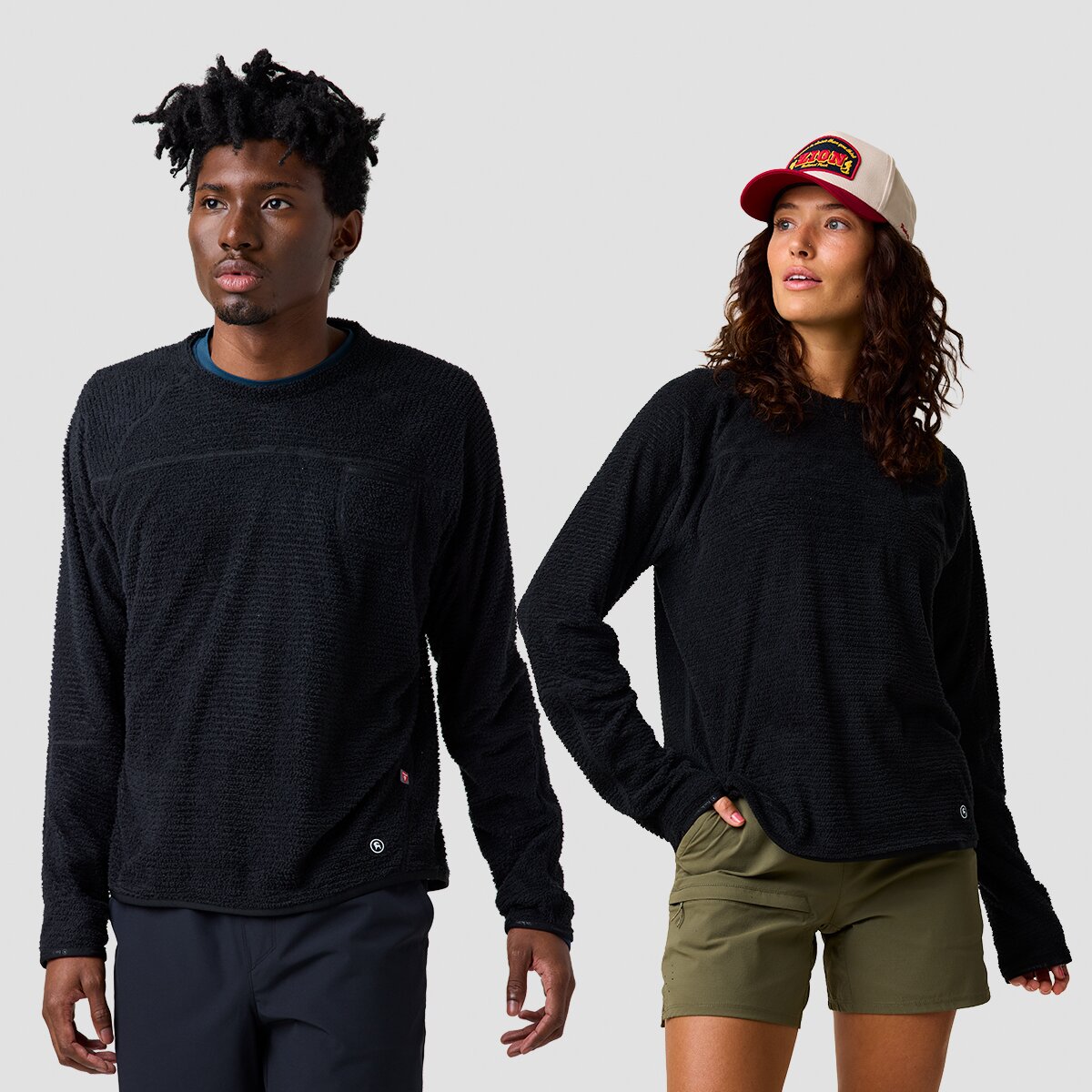 Backcountry Mens Hike Camp Jackets
 Backcountry Womens Hike Camp Jackets
Frequently Asked Questions
How do I choose the right pack volume for my trips?
Match liters to trip duration and load: ~40–50 L for overnight/light loads, 50–75 L for 2–4 day trips or heavier clothing/food, and 80–130 L for multi-week expeditions or hunts that require lots of gear. Also factor in activity-specific carry (ski gear, climbing ropes) and aim to buy one size up if you frequently carry bulky items like sleeping pads or bear canisters.How do I measure torso length and pick the correct hipbelt size for a comfortable fit?
Measure torso length from the C7 vertebra (base of the neck) to the top of your iliac crest, then match that to the manufacturer’s sizing chart and test the pack with weight; the hipbelt should sit on the iliac crest and carry 80–90% of the load. Try the pack with a loaded liner or weight to confirm the shoulder straps, load lifters, and sternum strap distribute weight without pinching.What are the trade-offs between Dyneema (DCF) packs like the Hyperlite Mountain Gear 3400 and heavier Cordura packs?
Dyneema Composite Fabric (DCF) packs are exceptionally light and water-resistant, making models like the Hyperlite 3400 ideal for ultralight thru-hikes, but DCF is more vulnerable to abrasion and can be harder to patch in the field. 500D Cordura and similar deniers are heavier but much more abrasion- and impact-resistant, which is preferable for hunting, mountaineering, or frequent backcountry use where durability matters more than every ounce.How does the Osprey Atmos AG compare to the Gregory Baltoro for multi-day comfort and load carrying?
The Osprey Atmos AG’s Anti-Gravity suspended mesh back creates a continuous ventilated surface that excels at breathability and load transfer, while the Gregory Baltoro is often praised for a plush, anatomically shaped hipbelt and stable frame that handles heavier, bulky loads. For hot-weather, fast-paced hiking the Atmos AG tends to feel cooler, whereas the Baltoro may feel more secure and comfortable under sustained heavy loads—try both with your typical pack weight to decide.What pack features matter most for alpine climbing or backcountry skiing?
Look for specific carry systems—A-frame or diagonal ski carry, reinforced ice-axe and crampon attachment points, helmet strap, dedicated avalanche beacon pocket, and an insulated hydration sleeve that won’t freeze. A removable lid that converts to a daypack, durable fabrics (Cordura or weather-resistant laminates), and a backpanel that accommodates a harness or climbing rope routing will make technical approach moves and quick transitions much easier.