


20% Off Full-Price Items
Shop now
Up To 50% Off Winter Sale
Shop now
Get An EXTRA $50 Cash Back*
Summit+ exclusive
Backcountry Overlanding
2 results

Backcountry
x Hydro Flask 32oz All Around Travel Tumbler
4 colors
Current price: $27.97 Original price: $39.95
30% off
Winter Sale
(1)

Backcountry
x Hydro Flask 40oz All Around Travel Tumbler
2 colors
Current price: $26.97 - $31.47 Original price: $44.95
Up to 40% off
Winter Sale
(2)
Related Categories
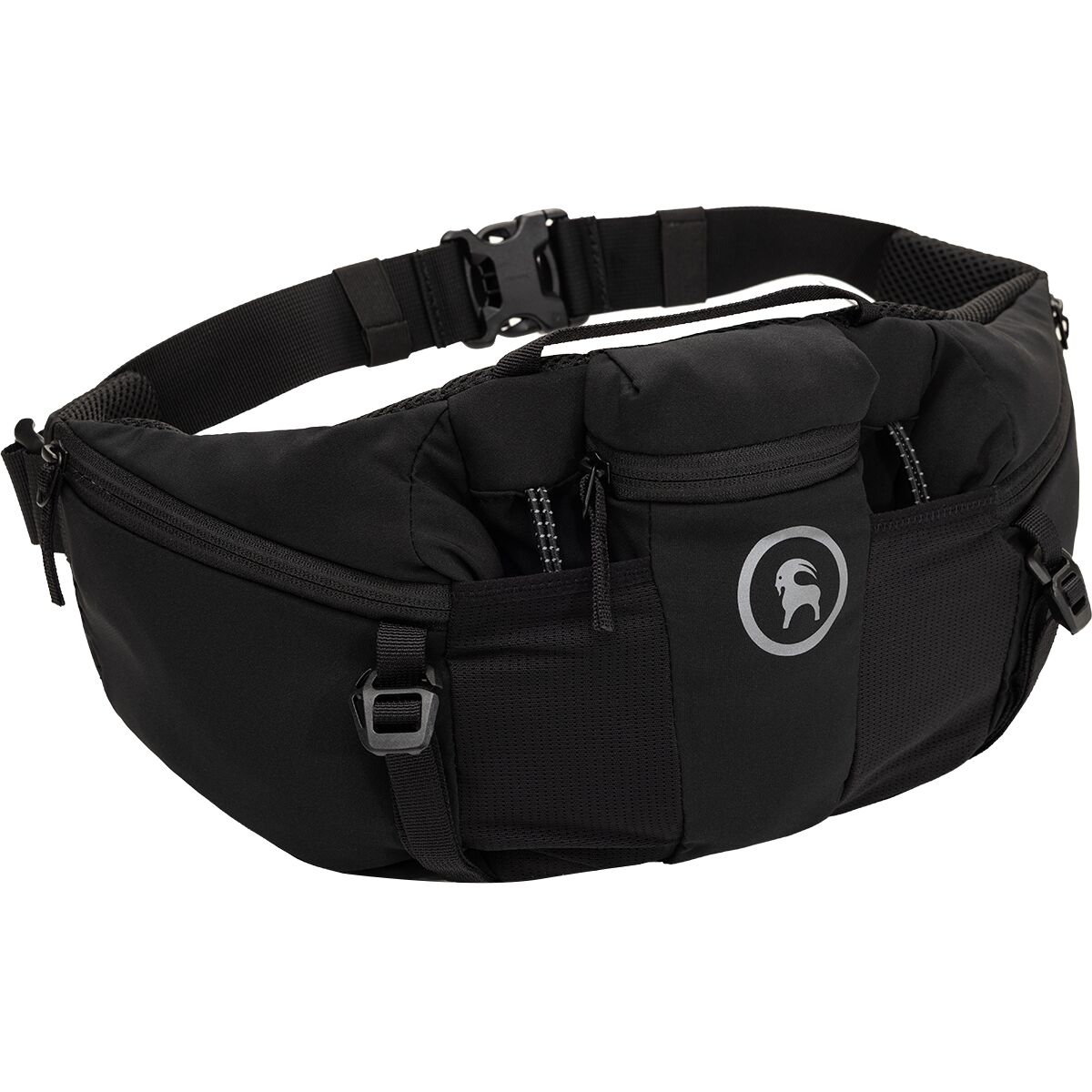 Backcountry Hydration Packs
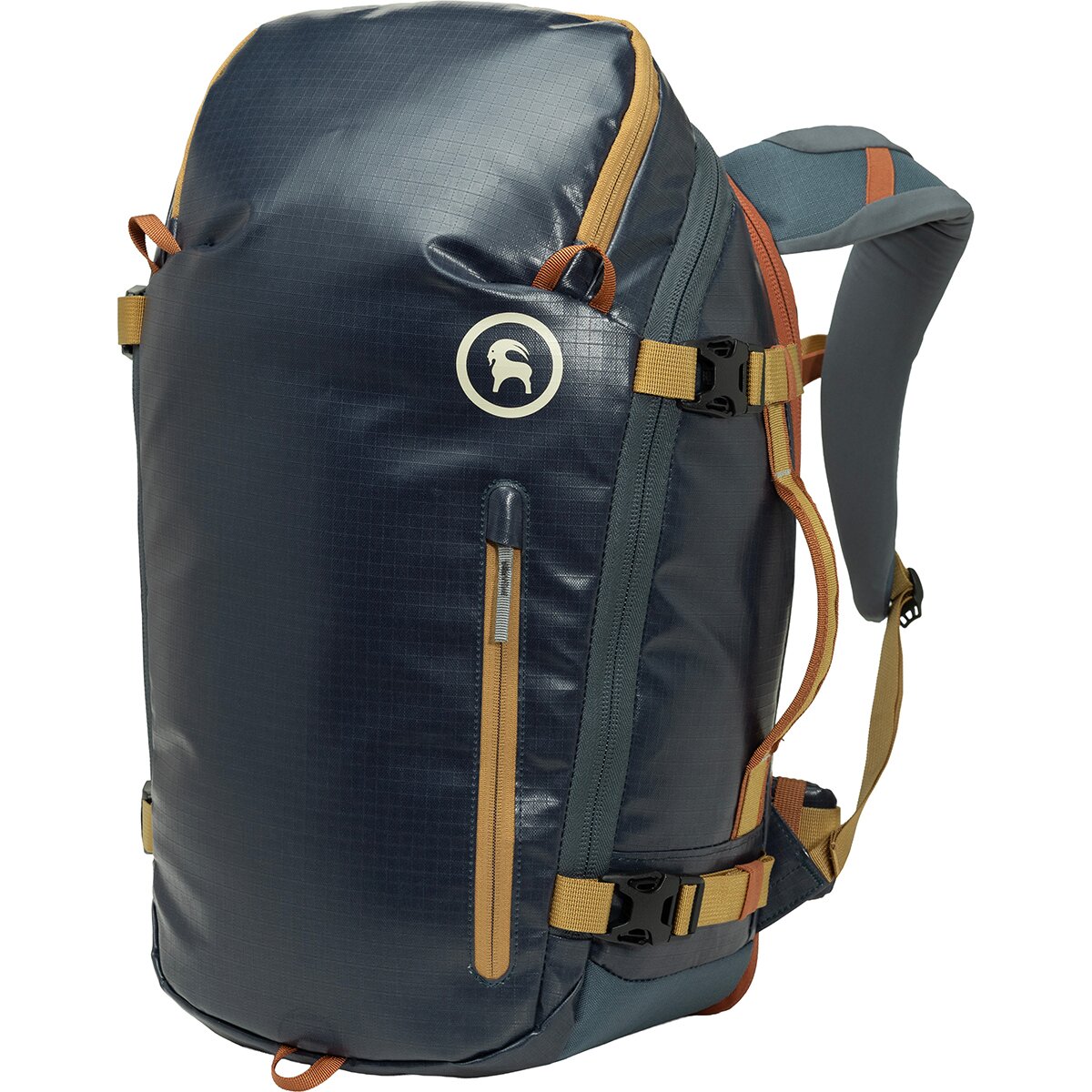 Backcountry Men's Everyday Packs
 Backcountry Women's Everyday Packs
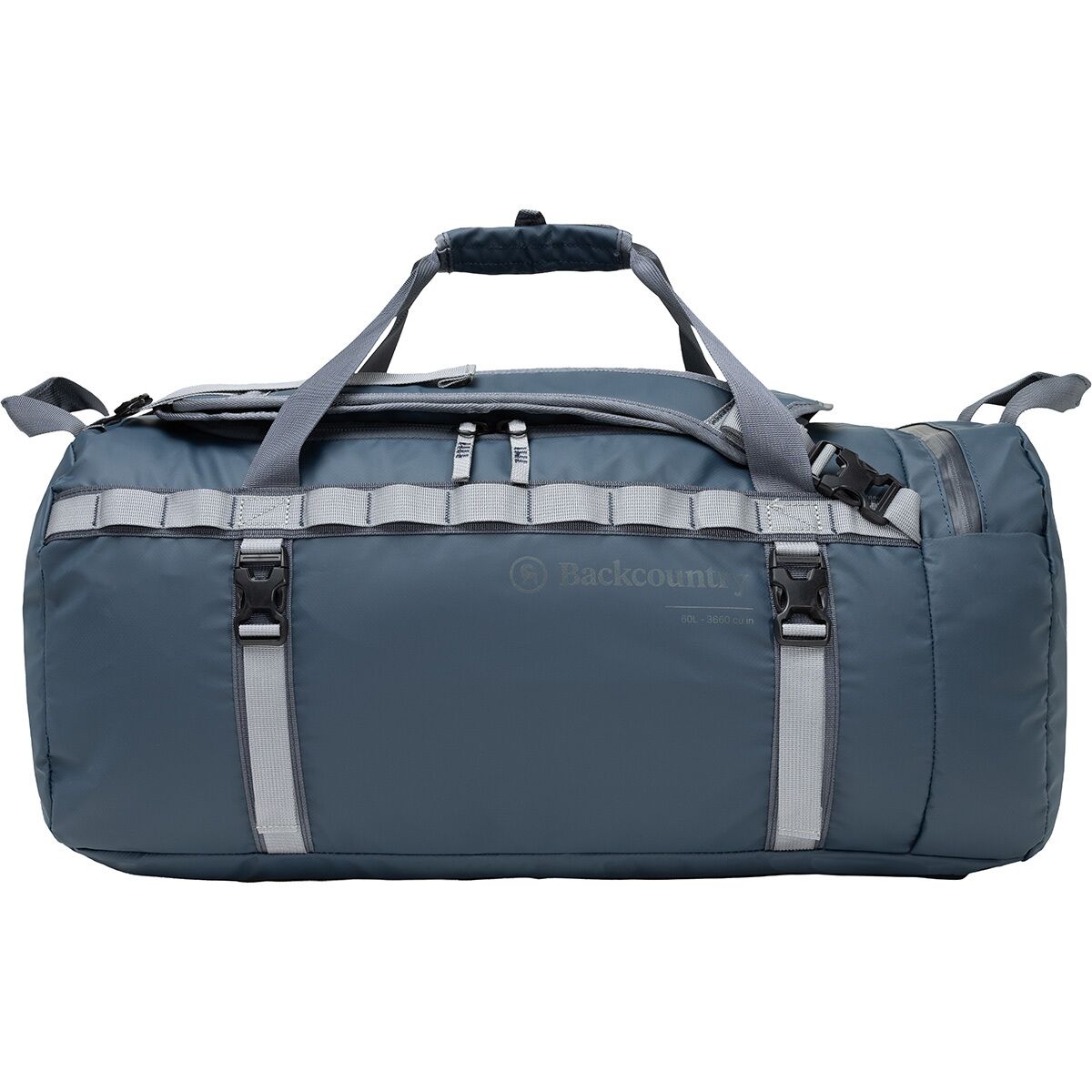 Backcountry Men's Duffels
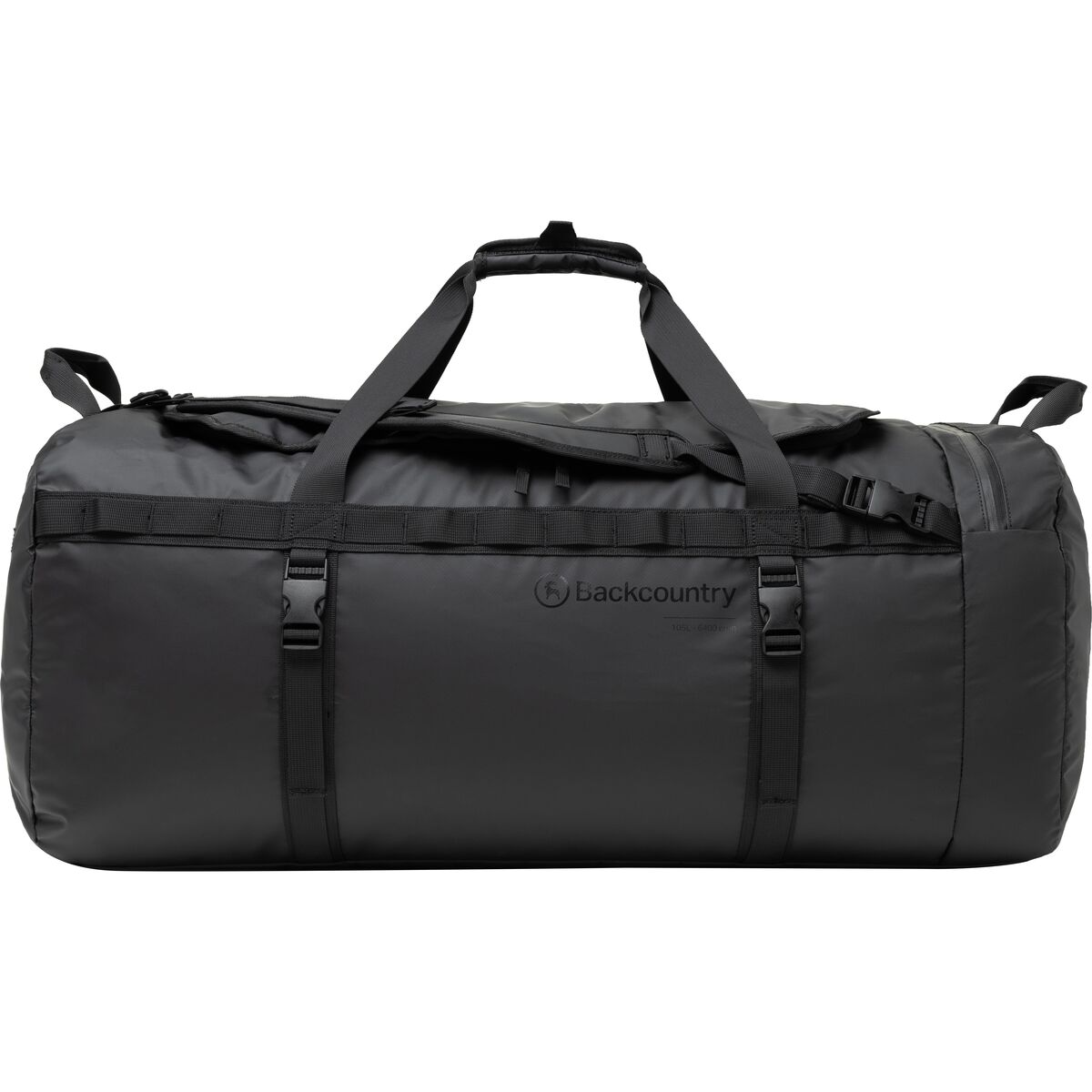 Backcountry Women's Duffels
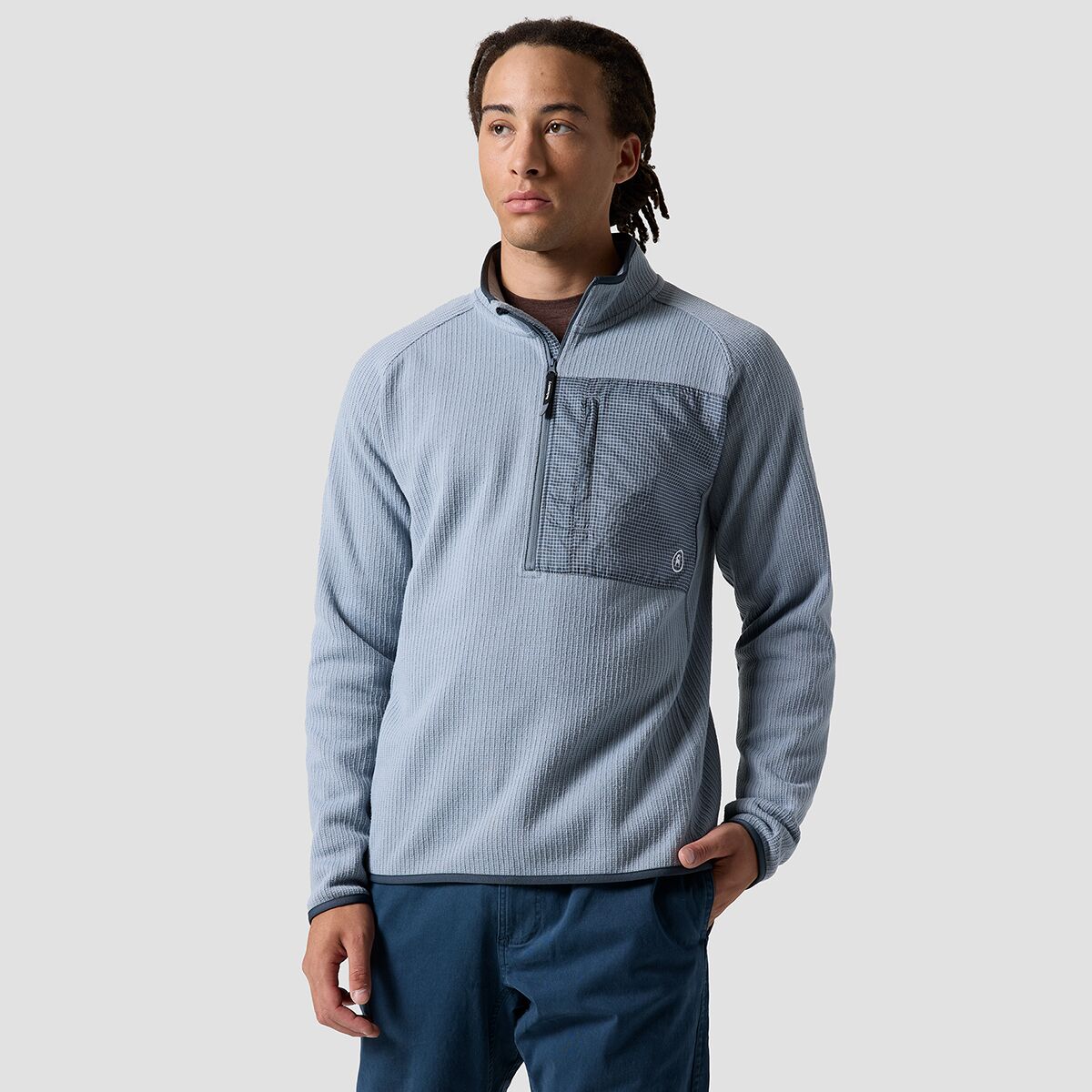 Backcountry Men's Hike & Camp Jackets
 Backcountry Women's Hike & Camp Jackets
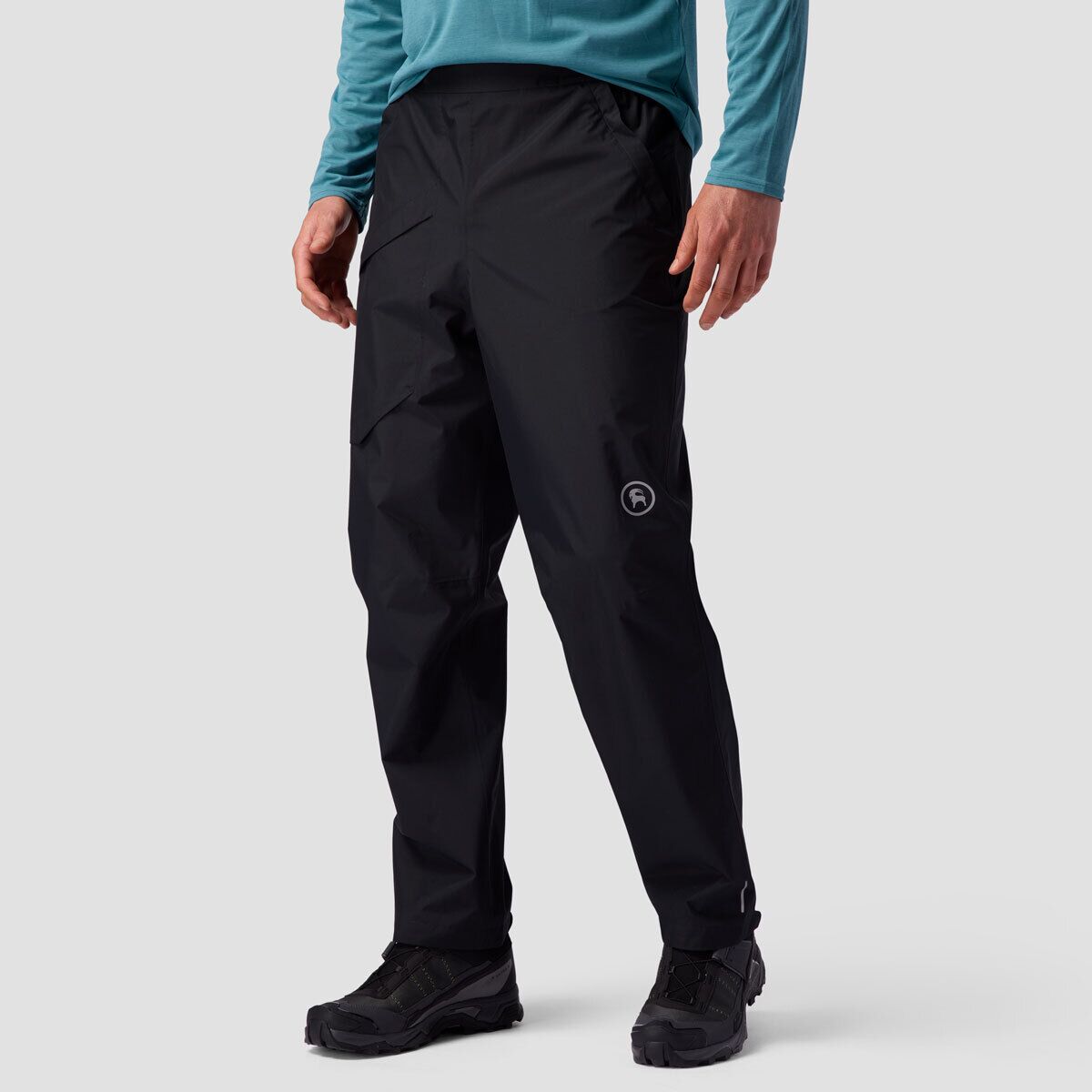 Backcountry Men's Hike & Camp Pants
 Backcountry Women's Hike & Camp Pants
 Backcountry Sun & Rain Hats
Frequently Asked Questions
How do I choose recovery gear—kinetic rope, static tow strap, or a winch—for my vehicle and typical trail conditions?
Kinetic recovery ropes (e.g., Yankum Ropes) store energy and typically stretch ~20–30%, making them excellent for unsticking bogged vehicles; their breaking strengths commonly fall in the 28,000–33,500 lb range and are well-suited for frequent recoveries. Static tow straps (budget options like RHINO USA) are simpler for controlled towing but won’t absorb shock, while a winch (mounted and wired) provides the most control for solo recoveries on steep or technical terrain. Match the tool to vehicle weight, recovery frequency, and available anchor points, and always include rated shackles and a tree saver or snatch block for safer, more efficient pulls.What should I verify when selecting a roof rack or truck bed rack for carrying a rooftop tent and heavy overlanding gear?
Check the rack’s dynamic and static load ratings (many modular racks list ~450 lb dynamic capability and separate static ratings for tents), confirm fitment to your specific truck bed or SUV roof rails, and prefer alloy constructions with reinforced brackets for long-term durability on rough roads. For truck beds, confirm compatibility with hard lids and bedrail mounts—some lids are rated in the 200–300 kg range—while SUV setups need crossbar spacing and bar height checks for rooftop tents and cargo boxes. Also consider ease of access, lockability, and whether the rack supports accessory mounts (awings, fuel cans, hi-lift) for multi-functionality.How does an ARB Twin Air Compressor compare to a portable inflator like a VIAIR or other handheld 12V pumps for airing tires on trail?
ARB’s twin compressors are purpose-built for heavy-duty overland use: dual cylinders deliver faster fill times, higher duty cycles, and the ability to run accessories (air lockers, air tools), so they’re ideal for frequent airing and multi-tire use. Portable pumps such as VIAIR handheld inflators are far more compact and lightweight, making them better for emergency top-ups and minimal setups but usually have slower fill rates and lower duty cycles. Choose based on how often you’ll air up/down, available vehicle electrical capacity, and whether you need additional air accessories.What power and solar setup should I plan to run a 12V fridge, lights, and charge devices on multi-day trips?
Start by totaling device draw (fridge amp draw at idle plus lights and device charging) and size battery capacity (AGM, LiFePO4, or a portable station like a Goal Zero Yeti, Jackery Explorer, or EcoFlow) to cover your nightly drain plus reserve. Add a solar array sized to recover that daily consumption—panel wattage plus an MPPT controller—so panels can keep the battery topped during daylight; look for solar-compatible inputs and robust cabling/MC4 connectors for vehicle-mounted rigs. Prioritize fridge models with low idle draw, cable routing for charging while driving, and a battery-monitoring solution to avoid deep discharges.How do I size a winch, shackles, and basic recovery kit for a mid-size rig (roughly 3,500–6,000 lb)?
Select a winch rated about 1.5–2× your vehicle’s gross weight—so for a 3,500–6,000 lb rig, a 6,000–12,000 lb winch (Warn ZEON and similar series are common choices) provides margin for angled pulls and adverse conditions. Choose soft shackles or bow shackles with rated working loads that exceed the expected line loading, and use recovery straps/kinetic ropes in appropriate lengths and diameters (30 ft, 7/8"–1" common) paired with a snatch block and tree saver to multiply pulling power and reduce line wear. Round out the kit with a hi‑lift jack (with base), shovel, gloves, and a dedicated bag to keep components organized and protected.