


20% Off Full-Price Items
Shop now
Up To 50% Off Winter Sale
Shop now
Get An EXTRA $50 Cash Back*
Summit+ exclusive
Backcountry Men's Accessories
22 results


Backcountry
BGA All Around 16L Mini Tote
1 color
Discount Applies In Cart | Ends 11/16

Backcountry
BGA All Around 55L Duffel
2 colors
Discount Applies In Cart | Ends 11/16

Backcountry
BGA Venture Beyond Merino Blend Ski Sock
3 colors
Discount Applies In Cart | Ends 11/16
(11)

+2
Backcountry
BGA Patch Goat Beanie
6 colors
Discount Applies In Cart | Ends 11/16
(18)

Backcountry
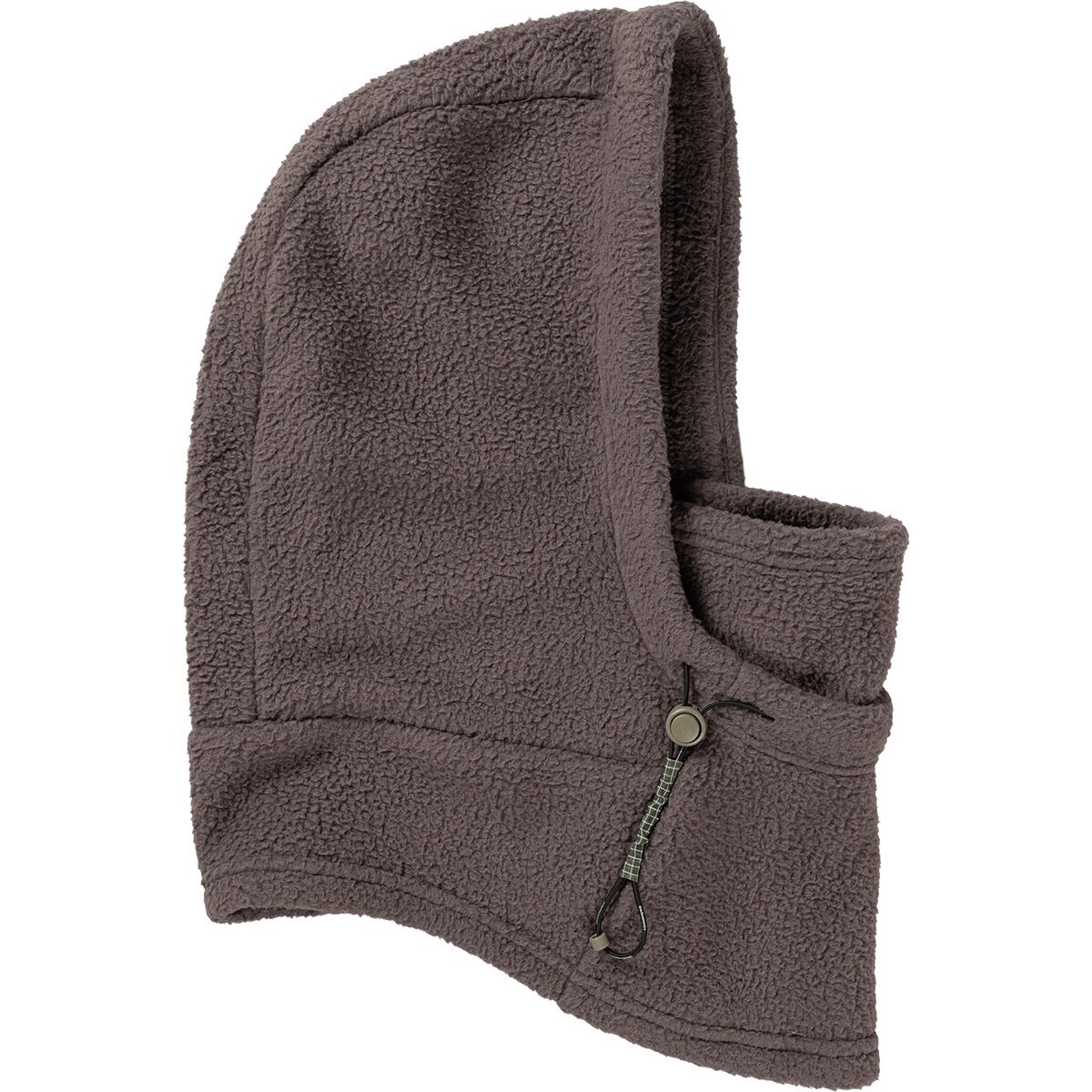
BGA Wander Pile-Fleece Hood
3 colors
Discount Applies In Cart | Ends 11/16
(3)

Backcountry
BGA Destination Beanie
2 colors
Discount Applies In Cart | Ends 11/16
(1)

Backcountry
BGA CrestCruiser Merino Blend Ski Sock
2 colors
Discount Applies In Cart | Ends 11/16

Backcountry
BGA All Around 105L Duffel
1 color
Discount Applies In Cart | Ends 11/16
(22)

Backcountry
BGA Performance Crew Sock
2 colors
Winter Sale

Backcountry
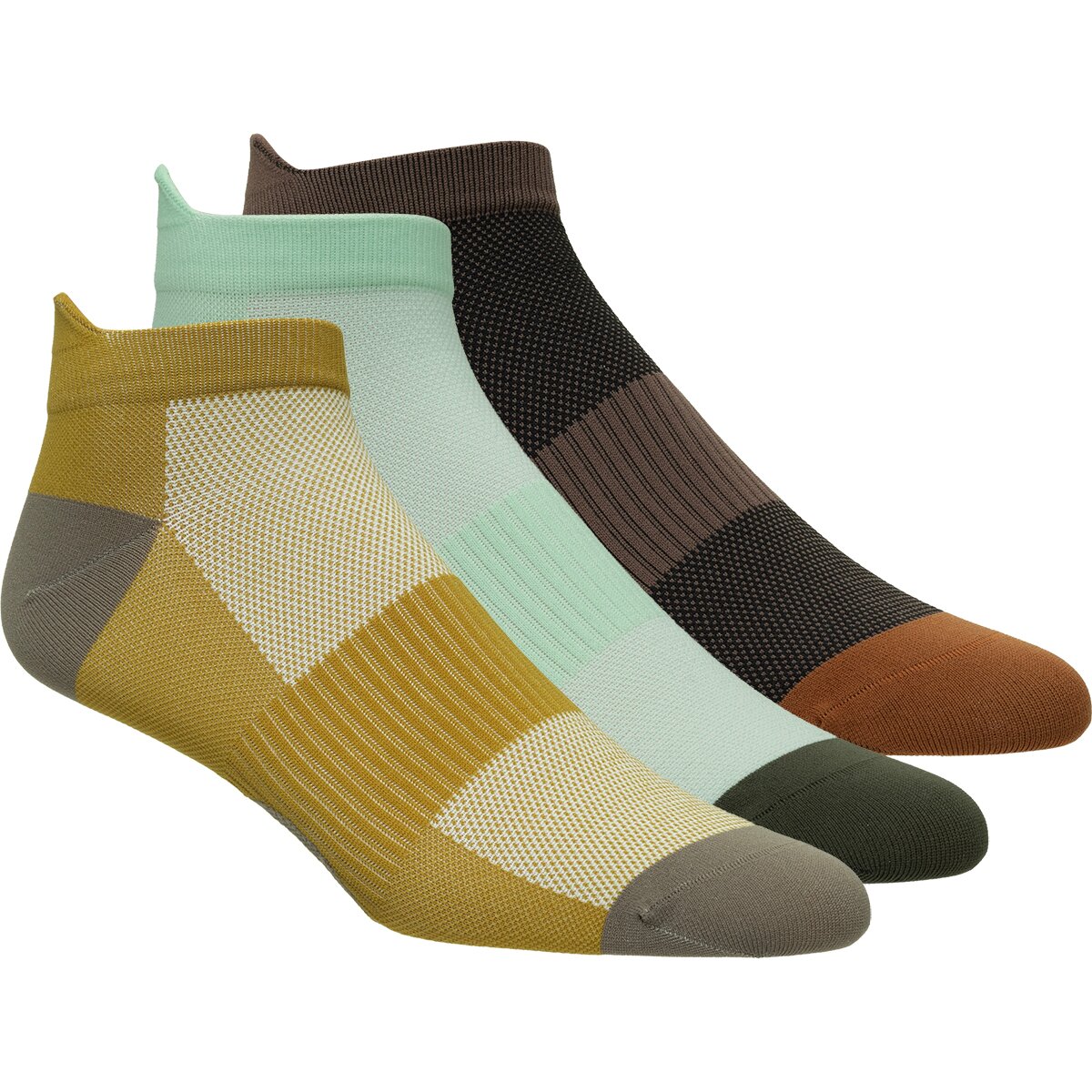
BGA Performance Low Ankle Sock - 3-Pack
3 colors
Winter Sale
(1)

Backcountry
BGA Destination 30L Backpack
2 colors
Discount Applies In Cart | Ends 11/16
(20)


Backcountry
BGA All Around 40L Duffel
1 color
Discount Applies In Cart | Ends 11/16
(28)

Backcountry
BGA Merino Blend Hike Crew Sock
2 colors
Winter Sale
(4)

Backcountry
BGA Destination 20L Backpack
2 colors
Discount Applies In Cart | Ends 11/16
(24)

Backcountry
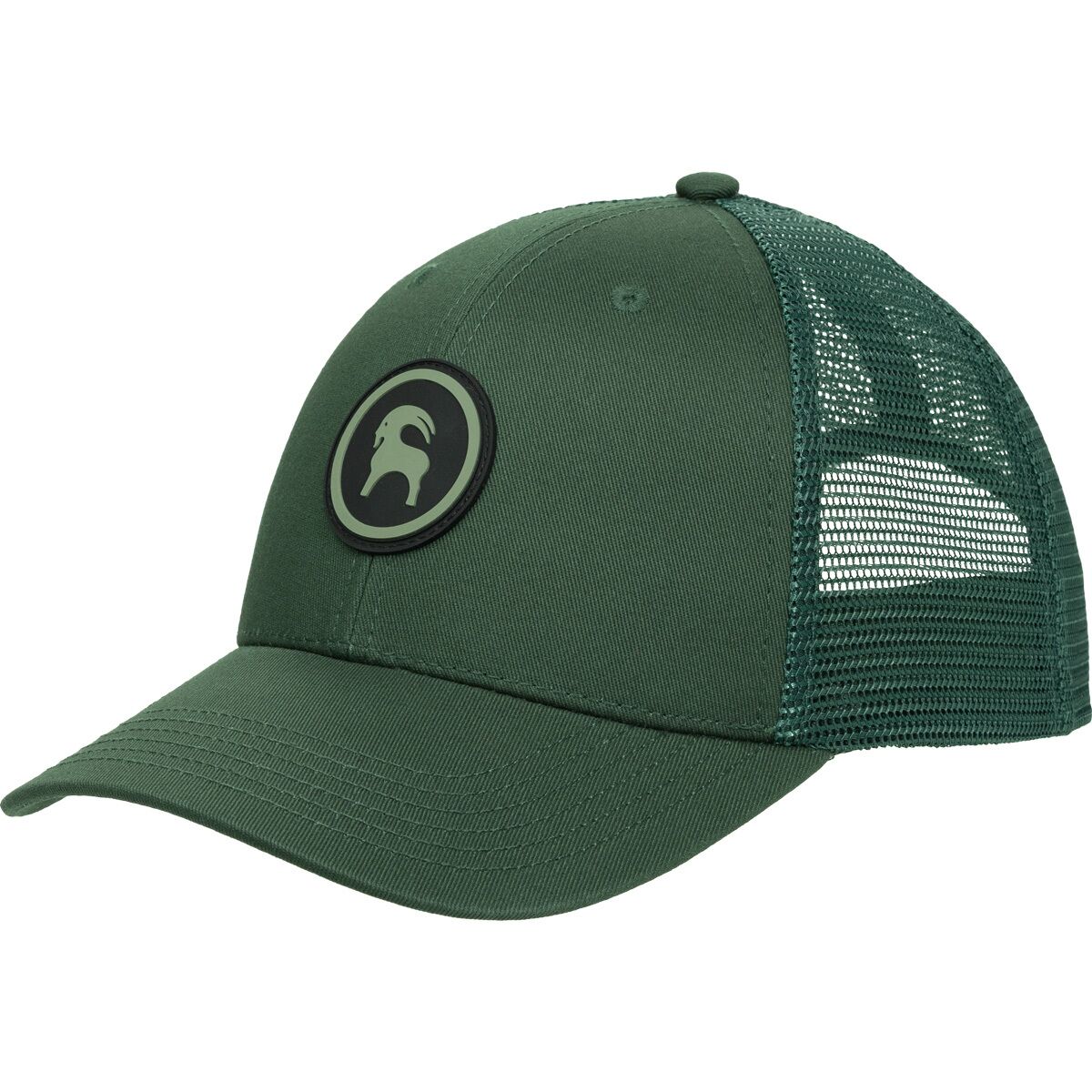
BGA Patch Goat Trucker Hat
4 colors
Discount Applies In Cart | Ends 11/16
(13)

Backcountry
BGA All Around 60L Duffel
2 colors
Discount Applies In Cart | Ends 11/16
(39)

Backcountry
BGA Merino Blend Hike Ankle Sock
2 colors
Winter Sale
(2)

Backcountry
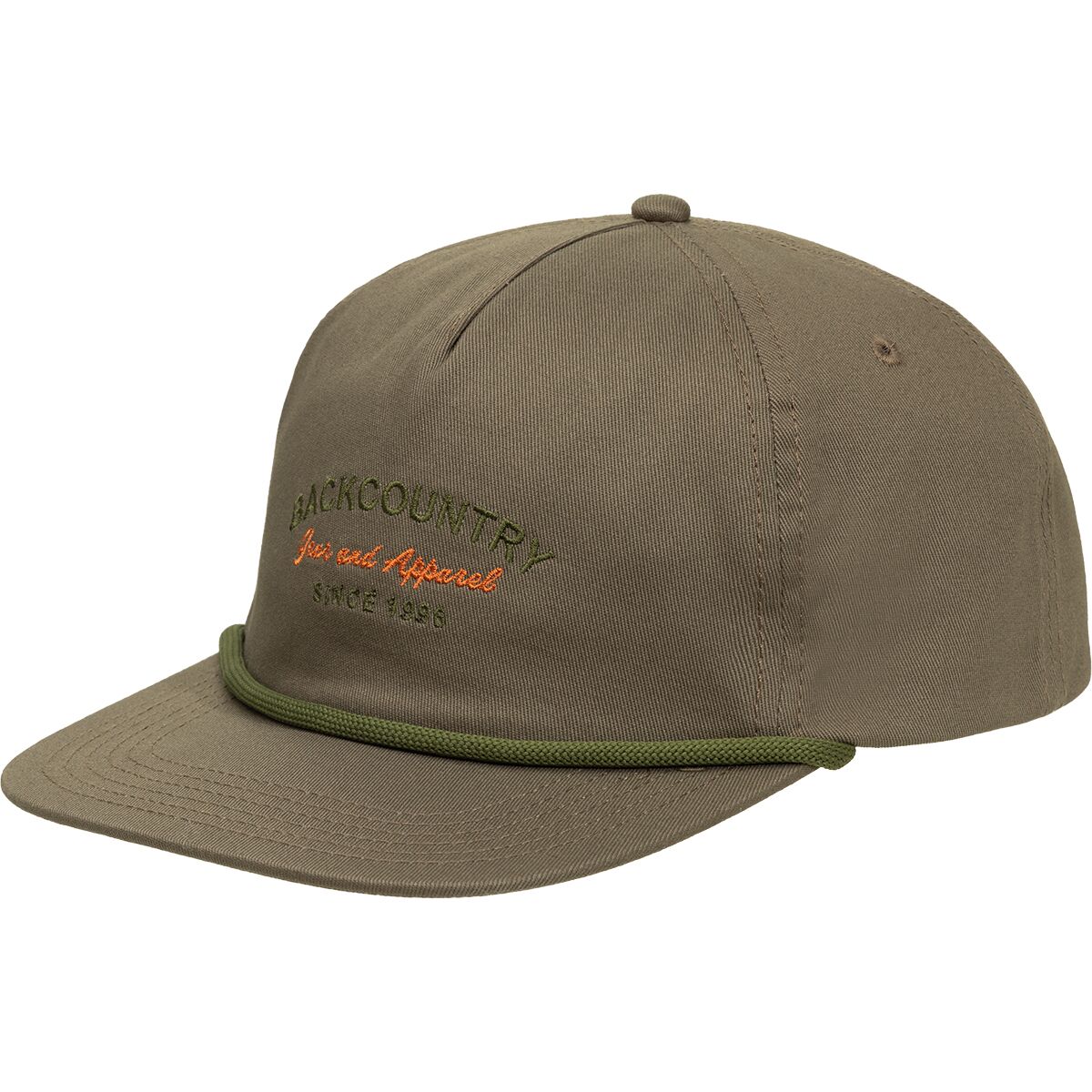
BGA Venture Beyond Corduroy Snapback
3 colors
Winter Sale
(1)

Backcountry
BGA Est. 96 Flow Hat
5 colors
Discount Applies In Cart | Ends 11/16
(1)

Backcountry
BGA Venture Bucket Hat
2 colors
Winter Sale
(1)

Backcountry
BGA Foam Trucker
1 color
Winter Sale

Backcountry
BGA Cottonwoods Merino Blend Cushion Ski Sock
1 color
Discount Applies In Cart | Ends 11/16
Related Categories
 Backcountry Mens Ski Socks
 Backcountry Mens Running Socks
 Backcountry Mens Five Panel Snapback Hats
 Backcountry Mens Sun Rain Hats
 Backcountry Mens Trucker Hats
 Backcountry Mens Balaclavas Neck Gaiters
 Backcountry Mens Duffels
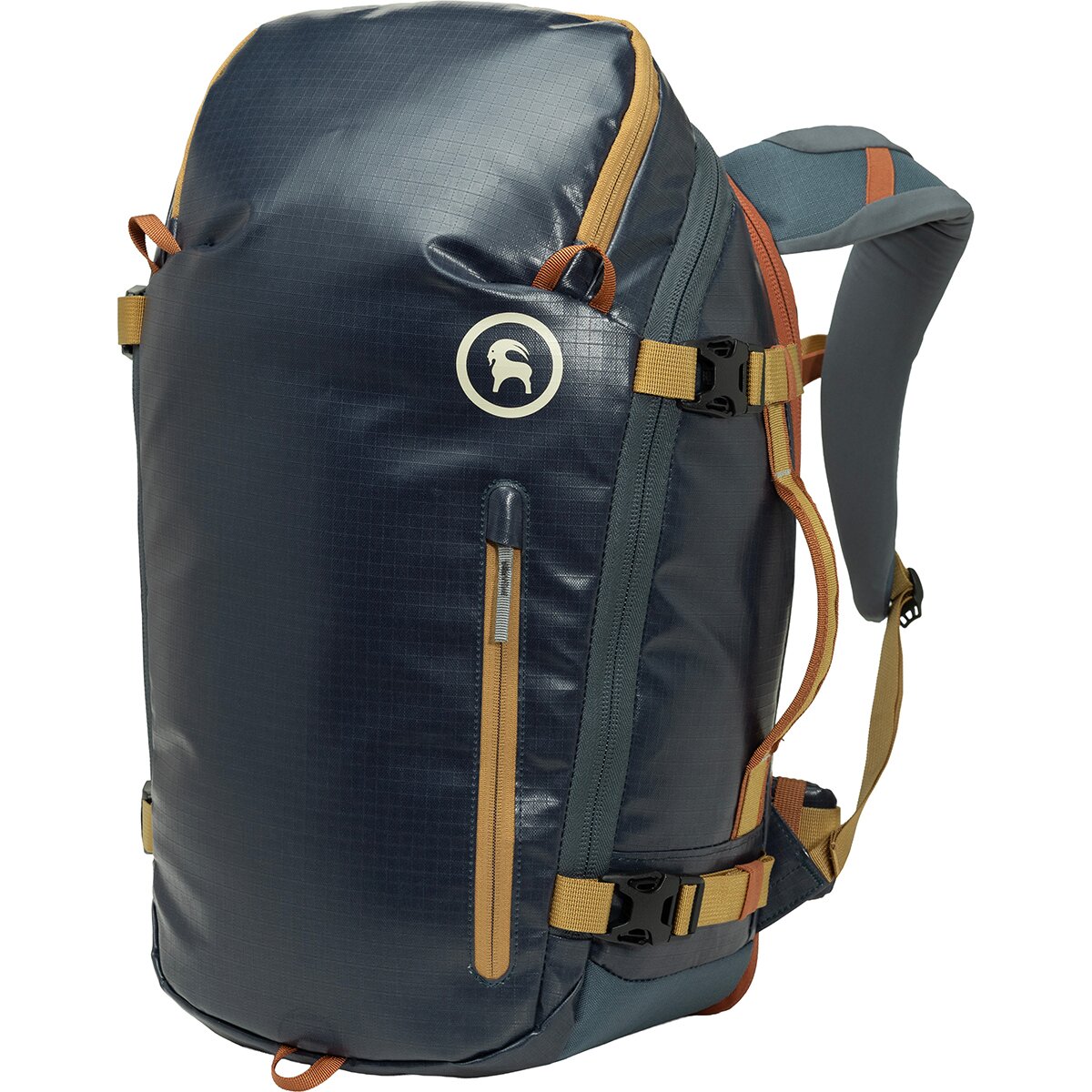 Backcountry Mens Everyday Packs
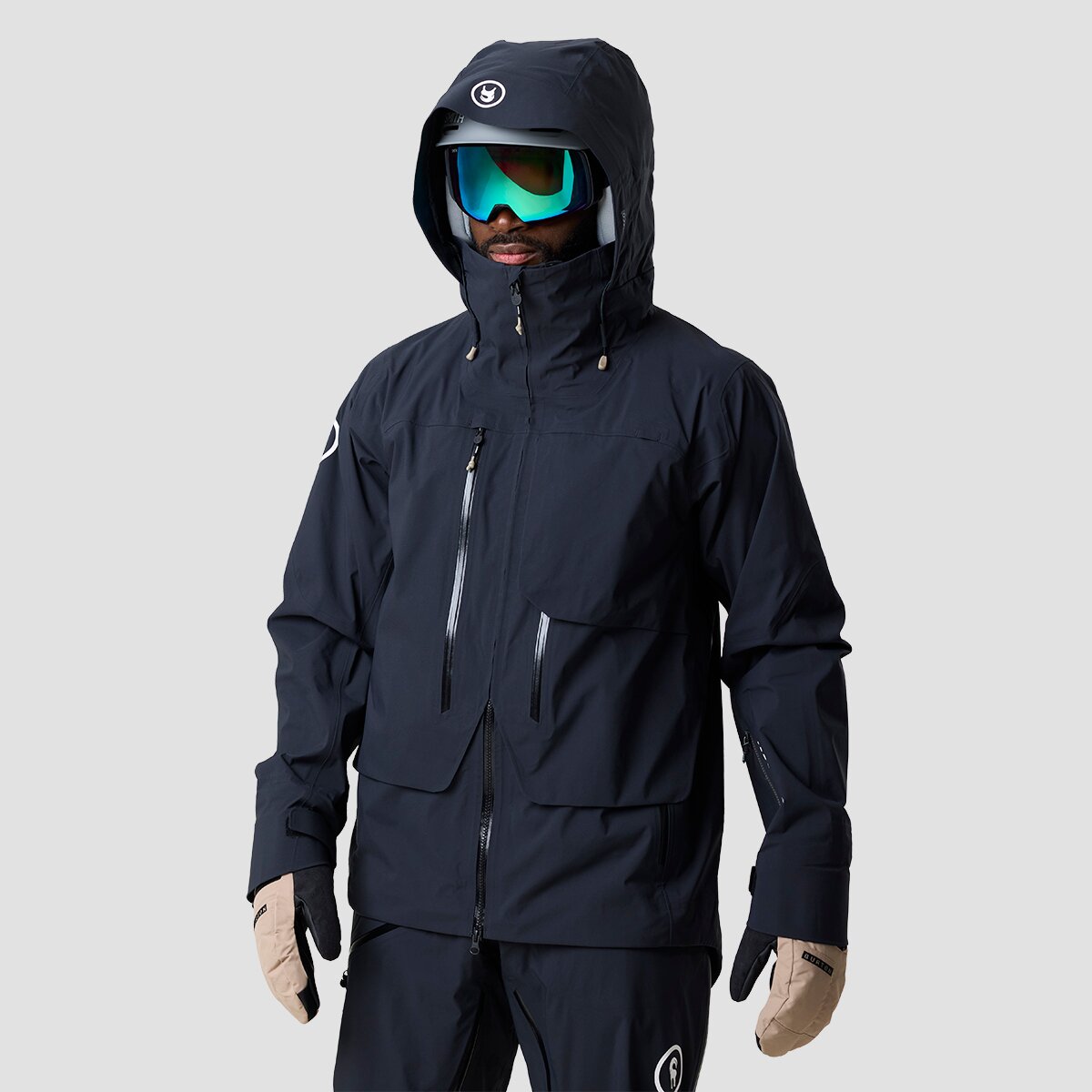 Backcountry Mens Ski Jackets
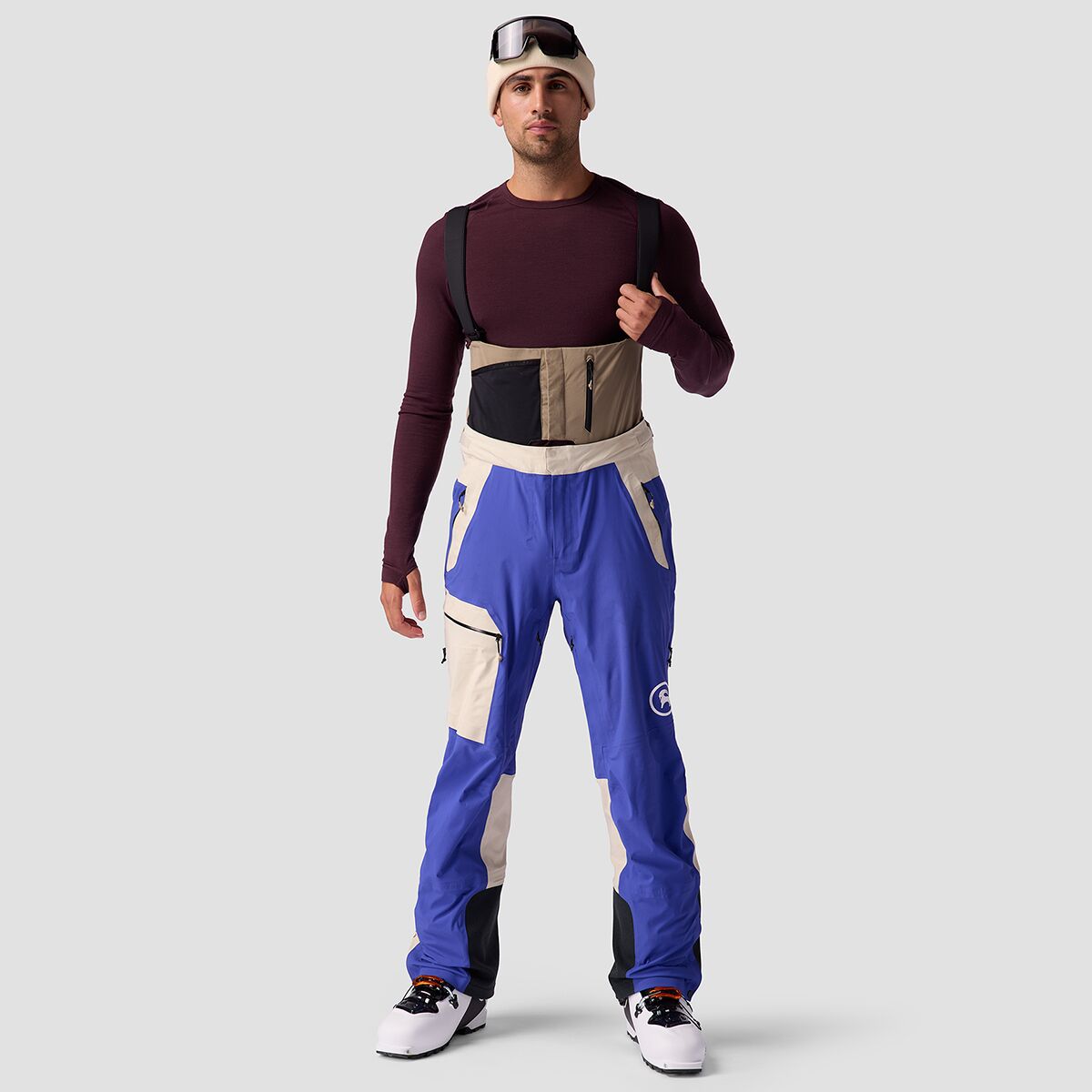 Backcountry Mens Ski Pants Bibs
Frequently Asked Questions
What materials and constructions make hats, gloves, and packs most durable?
Seek heavyweight ripstop nylon or Cordura with rubber or leather reinforcements in high‑wear areas, and abrasion‑resistant panels on packs and palms. For wet conditions choose breathable waterproof membranes like Gore‑Tex or durable water‑repellent (DWR) finishes, and for liners use moisture‑wicking blends (poly‑spandex or MAX‑Dri) that maintain dexterity and comfort. Reinforced seams, bar‑tacking at stress points, and quality zippers/closures also extend service life.How should a ski touring pack fit and which features should I prioritize?
A ski touring pack should sit snugly against your back with an adjustable sternum strap and a supportive hipbelt to stabilize loads on uneven terrain; aim for a body‑close fit that keeps weight centered. Prioritize a hydration bladder pocket and hose port, dedicated shovel/probe/tool loops or daisy‑chain webbing, compression straps to control bulk, and abrasion‑resistant fabric where skis or tools ride. Choose capacity based on day‑trip needs (tools, extra layers, food) rather than just cabin size.How do insulated gloves compare to shell gloves for cold, technical outings?
Insulated gloves (Primaloft, synthetic fill, or down combos) provide immediate warmth and are great for lower‑activity cold days, while shell gloves with breathable waterproof membranes excel for high‑output efforts where moisture management matters. Shells paired with thin liners offer layering versatility and better dexterity for technical tasks like skinning or ropework. Pick insulated for static cold use and shells/liners for aerobic or variable conditions.How should I size gloves, beanies, and belts to get the right fit?
Measure hand circumference around the knuckles (excluding thumb) to choose glove size and check cuff length for compatibility with jacket sleeves or gauntlets; try gloves with any intended liners to confirm dexterity. For beanies, consider head circumference and whether you need a low‑profile, helmet‑compatible knit or a thicker, trapper‑style hat for warmth. For belts use your normal waist measurement and select models with adjustable webbing or multiple holes to allow layering and comfort on the trail.