


20% Off Full-Price Items
Shop now
Up To 50% Off Winter Sale
Shop now
Get An EXTRA $50 Cash Back*
Summit+ exclusive
Backcountry Fly Fishing
2 results


+2
Backcountry
BGA Wasatch Ripstop Pant - Men's
6 colors
$64.99 - $99.00
Up to 34% off
Discount Applies In Cart | Ends 11/16
(27)

Backcountry
BGA Wasatch Ripstop Trail Pant - Women's
3 colors
$99.00
Discount Applies In Cart | Ends 11/16
(28)
Related Categories
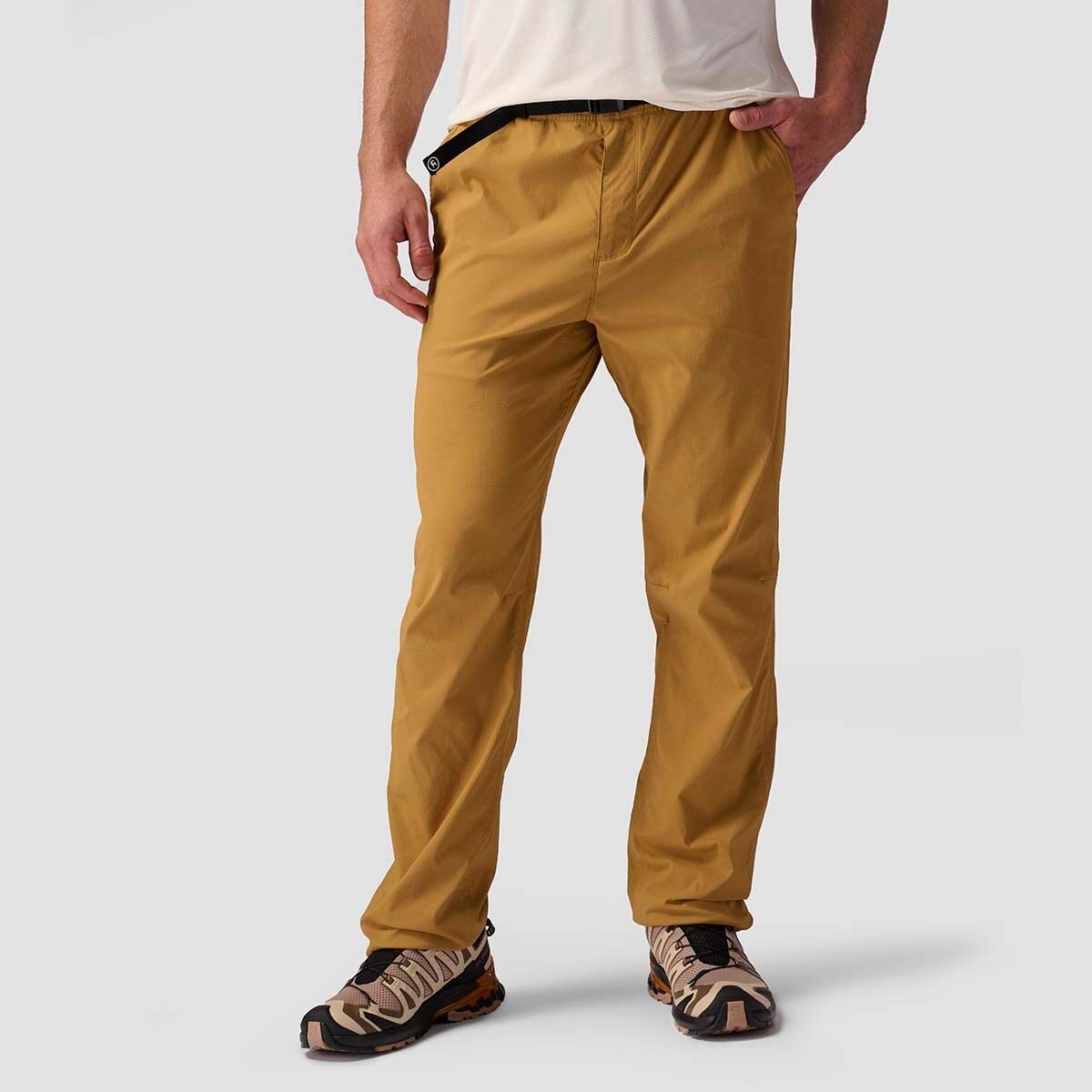 Backcountry Men's Fly Fishing Clothing
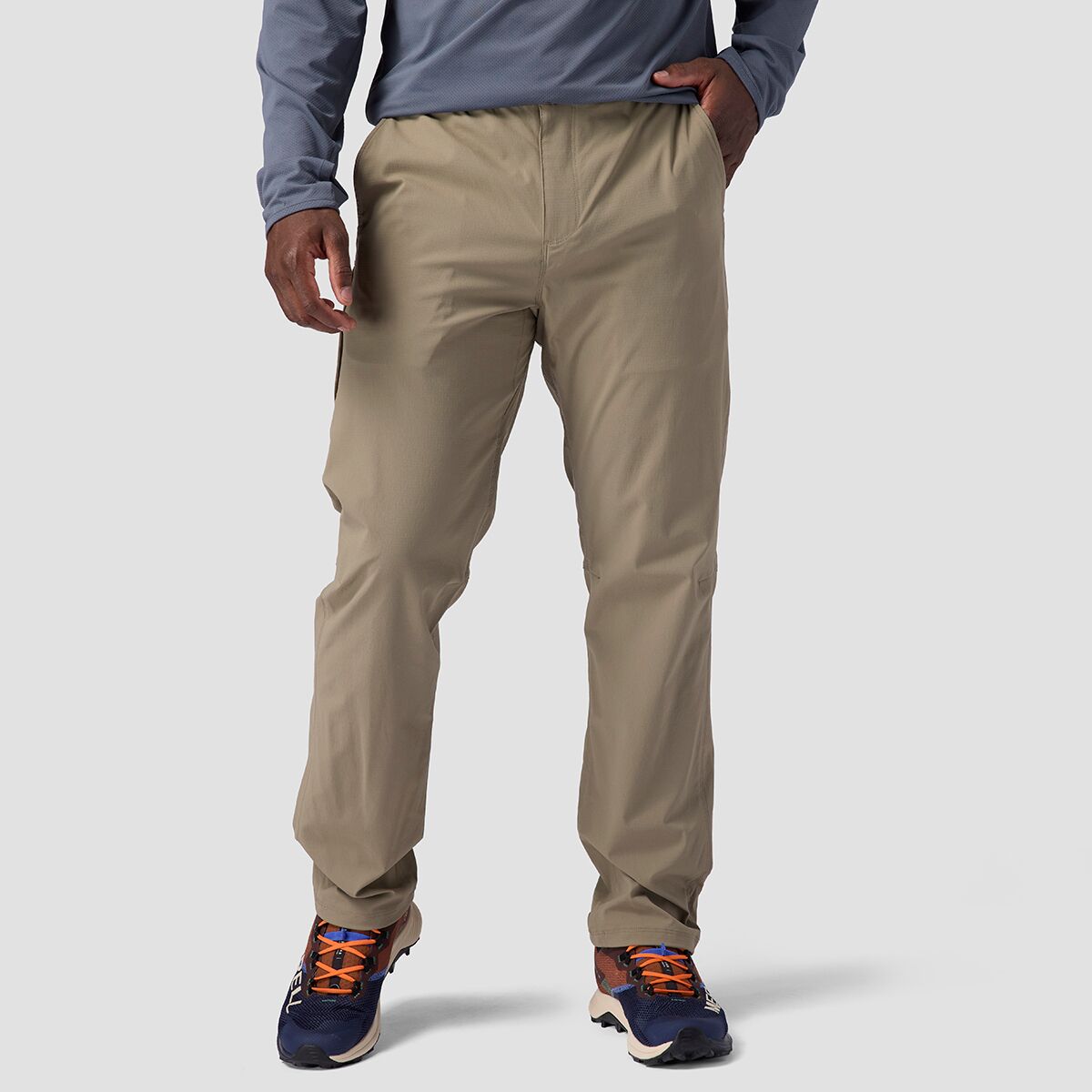 Backcountry Men's Fly Fishing Pants
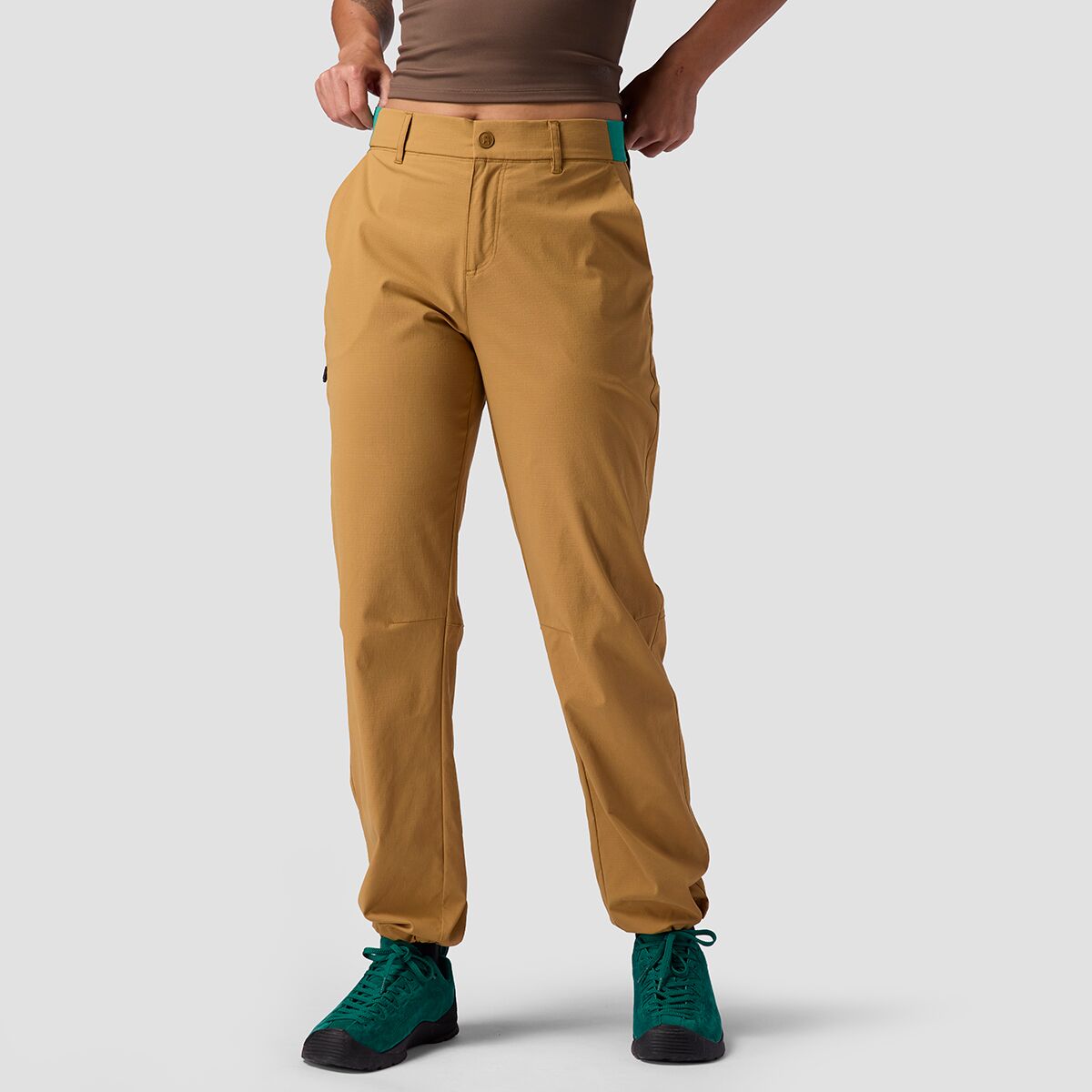 Backcountry Women's Fly Fishing Clothing
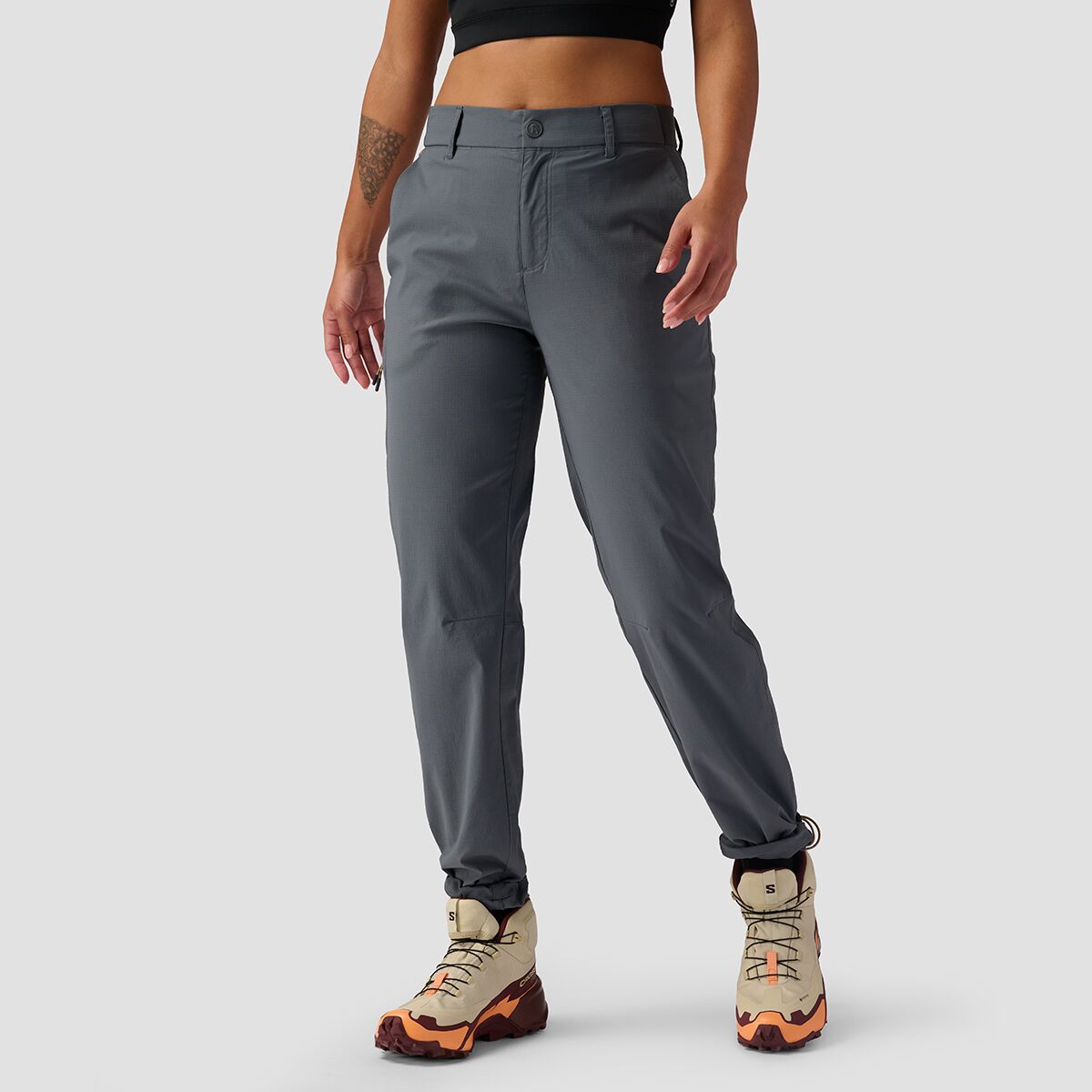 Backcountry Women's Fly Fishing Pants
 Backcountry Sun & Rain Hats
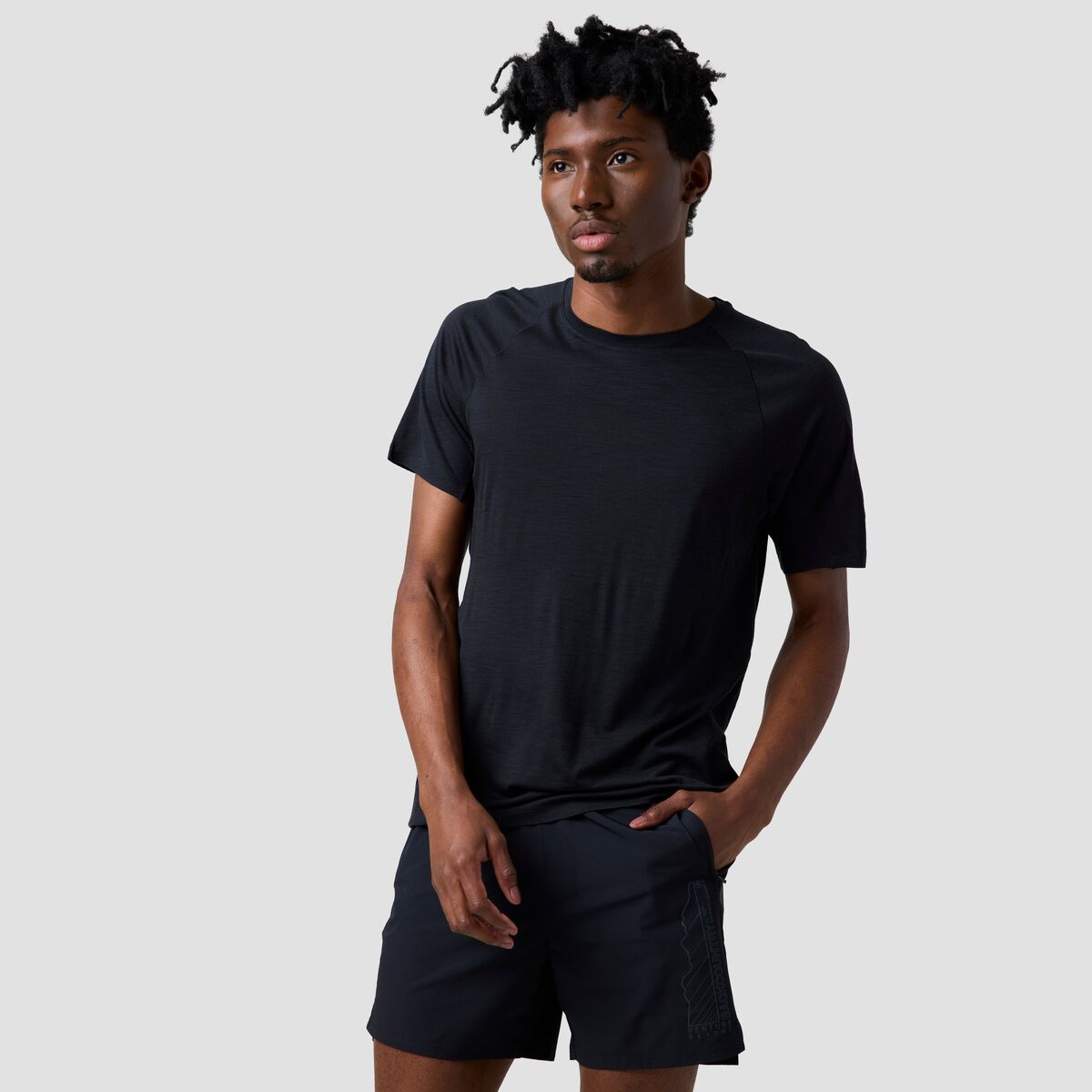 Backcountry Men's Hike & Camp Shirts
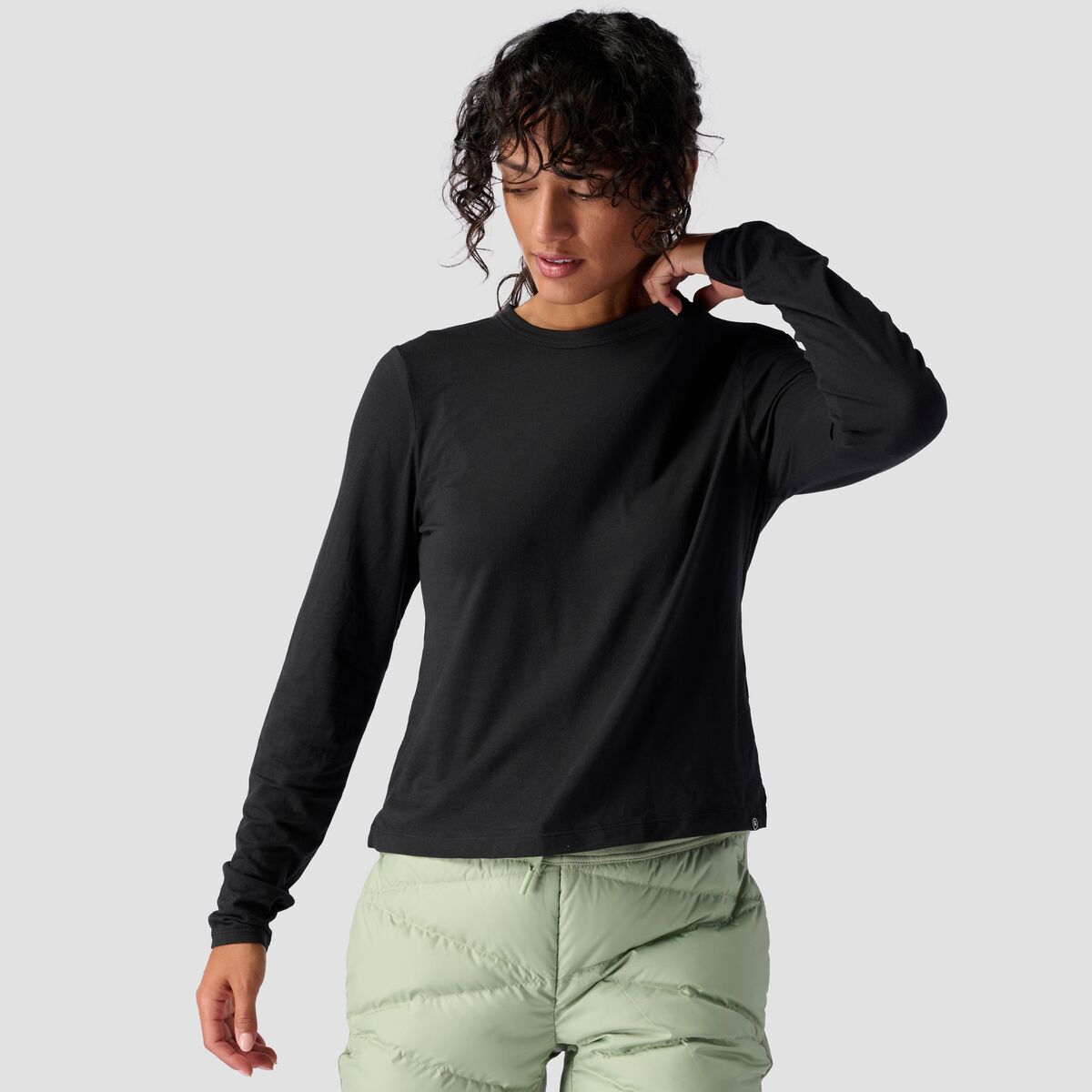 Backcountry Women's Hike & Camp Tops
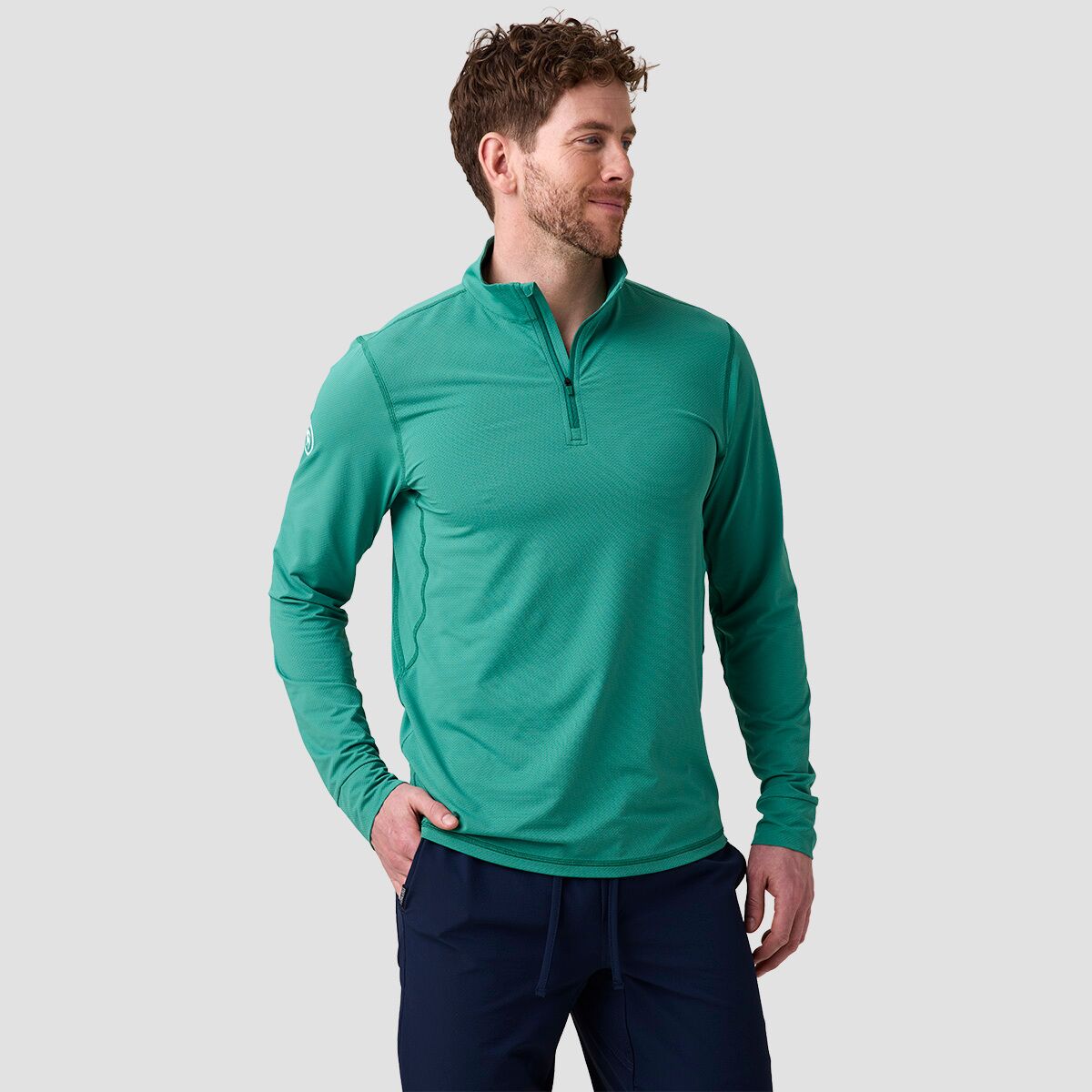 Backcountry Men's Hiking Clothing
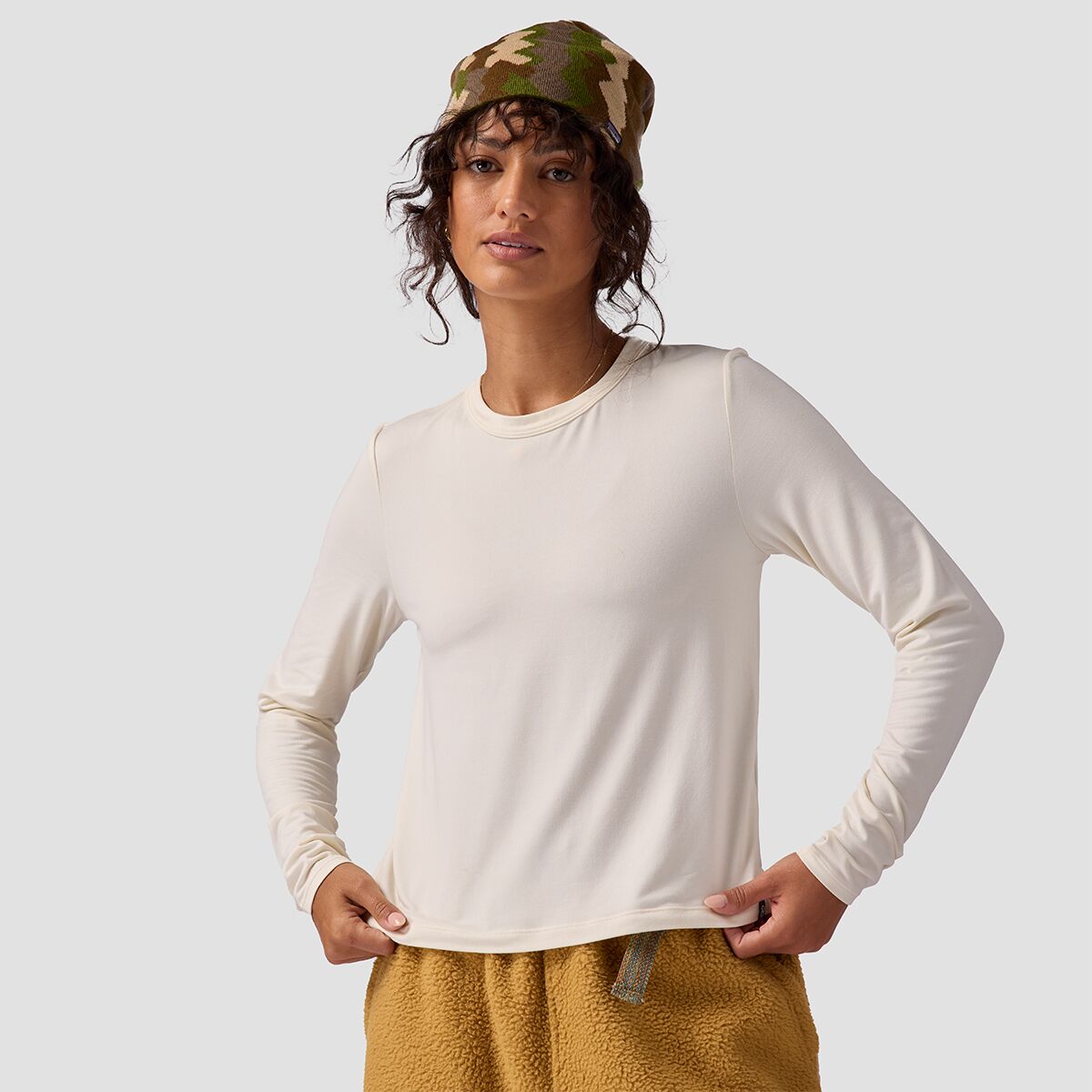 Backcountry Women's Hiking Clothing
Frequently Asked Questions
What rod weight and length should I choose for backcountry trout streams?
For most backcountry streams and alpine lakes a 3- to 5-weight rod is the most versatile, balancing presentation for dries and control for small streamers. Lengths from about 7'6"–9' work well: shorter lengths (7'6"–8'6") are snappier in tight brush while 9' gives extra reach and mending room. Consider a fiberglass option like the Hardy Sirrus Glass for a forgiving, short-cast feel on small water and pair it with a floating line.How do I build a lightweight, balanced backcountry fly setup?
Start with an ultralight 3–5wt rod (many backcountry rods weigh 1.9–3.2 oz) matched to a lightweight reel such as the Ross Colorado LT, a floating fly line, and a tapered leader. Carry fluorocarbon tippets in 4X–6X sizes, a spare spool, and minimal flies to save ounces; use a Sage Single Rod Travel Tube to protect the rod in your pack. Aim to shave grams across rod, reel, and pack to keep a 2–3 day base pack in the ~20–25 lb range.How does a Hardy Sirrus Glass rod compare to a graphite 3–5wt or a Tenkara setup?
Hardy Sirrus Glass rods offer a slower, more parabolic action that’s forgiving on short, technical casts and makes small fish fights more fun, while modern graphite 3–5wts are lighter and more responsive for windy conditions and longer casts. A Tenkara rod eliminates the reel entirely for the ultimate weight savings and simplicity but limits line control and fly sizes compared with traditional reel setups. Choose glass for short, technical streams, graphite for versatility in variable conditions, and Tenkara for minimalist day trips.Which flies and tippet sizes should I pack for alpine lakes and small streams?
Pack a small, focused selection: Parachute Adams (sizes 18–24), Elk Hair Caddis (14–20), Chubby Chernobyl and Humpy (12–16) for attractor dries, plus a few nymphs and small streamers if fish are deeper. Use 5X–6X tippet for delicate dry-fly presentations and 4X–5X for nymph rigs; carry spare spools and floatant for quick repairs. For versatility, rig a dry-dropper setup to cover surface and subsurface feeding without extra rods.What pack and accessories are essential for remote fly-fishing trips?
A waterproof or highly weather-resistant pack in the 40–50L range is ideal for multi-day trips, while a 27L waterproof day pack (e.g., JHFLYCO) or an ultralight pack like the Osprey Exos 48 suits lighter missions; look for secure rod attachment points and easy access pockets. Essential accessories include a rubber, snag-resistant net, Loon Outdoors-style nippers/forceps, polarized sunglasses, spare leader/tippet spools, floatant, and a Sage Single Rod Travel Tube for rod protection. Balance durability and weight—prioritize items that serve multiple functions and are easy to stow.