


Up To 20% Off Full-Price Items
Shop now
EXTRA 20% Off Clearance
Shop now | Ends 11/9
Get An EXTRA $50 Cash Back*
Summit+ exclusive
Backcountry Access Ski
51 results


Backcountry Access
T4 Rescue Package
1 color
Discount Applies In Cart | Ends 11/16


Backcountry Access
Tracker S Rescue Package
1 color
Discount Applies In Cart | Ends 11/16

Backcountry Access
Tracker3 Avalanche Beacon
1 color
Discount Applies In Cart | Ends 11/16
(4)

Backcountry Access
BC Link Mini
1 color
Discount Applies In Cart | Ends 11/16
(4)

Backcountry Access
Float E2 25L Airbag Avypack
2 colors
Discount Applies In Cart | Ends 11/16

Backcountry Access
BC Link
1 color
Extra 10% Off Clearance | Ends 11/09
(10)

Backcountry Access
Float E2 45L Airbag Avypack
1 color
Discount Applies In Cart | Ends 11/16

Backcountry Access
Tracker S Avalanche Beacon
1 color
Discount Applies In Cart | Ends 11/16
(1)

Backcountry Access
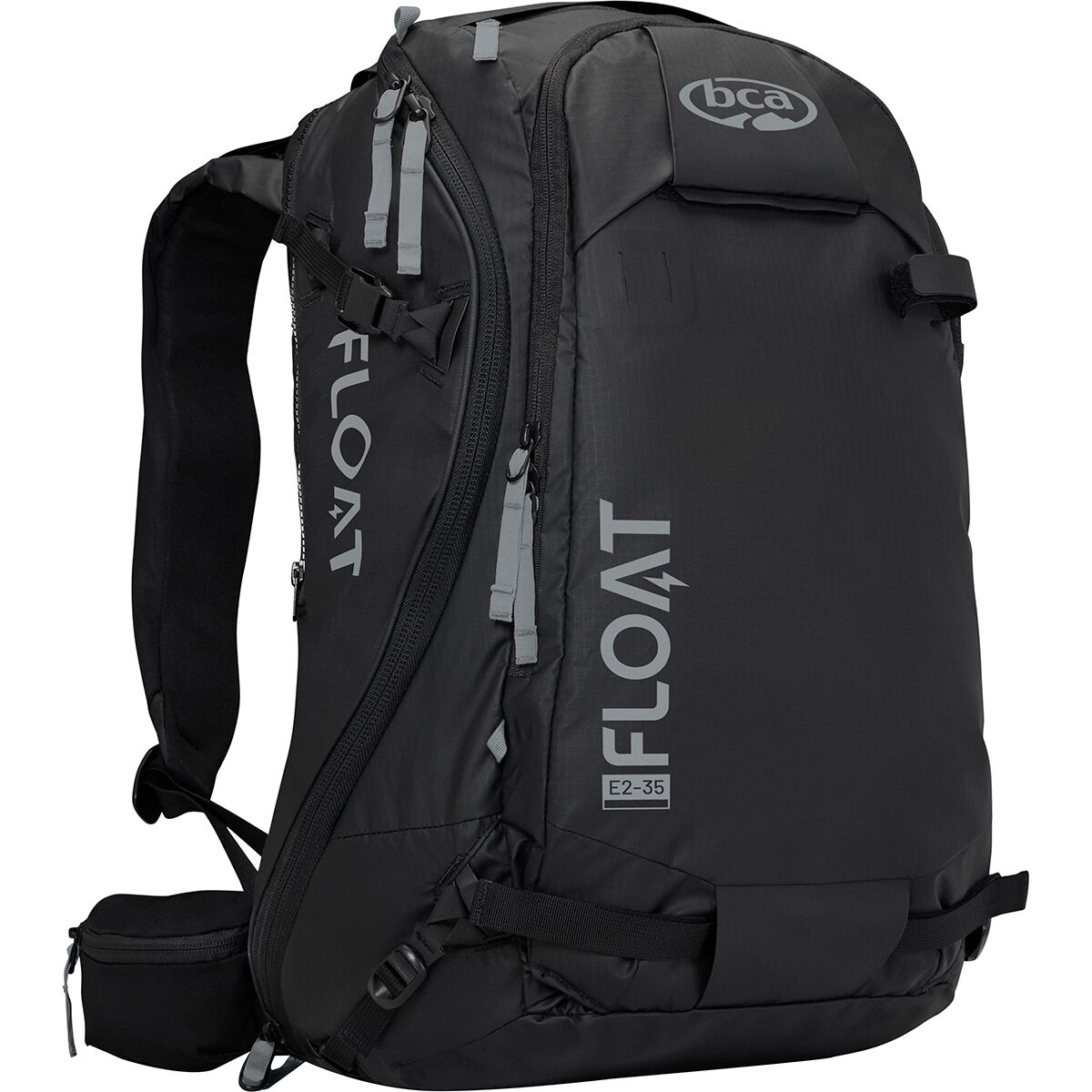
Float E2 35L Airbag Avypack
2 colors
Discount Applies In Cart | Ends 11/16

Backcountry Access
Dozer 1T Shovel
2 colors
Discount Applies In Cart | Ends 11/16
(1)

Backcountry Access
Stash 25 Pack
1 color
Discount Applies In Cart | Ends 11/16

Backcountry Access
Tracker4 Avalanche Beacon
1 color
Discount Applies In Cart | Ends 11/16
(1)

Backcountry Access
Float E2 MTN Pro Airbag Avy Vest
1 color
Discount Applies In Cart | Ends 11/16

Backcountry Access
Stash 30L Ultralight Pack
1 color
Discount Applies In Cart | Ends 11/16

Backcountry Access
Scepter Carbon Aluminum Adjustable Ski Pole
1 color
Discount Applies In Cart | Ends 11/16

Backcountry Access
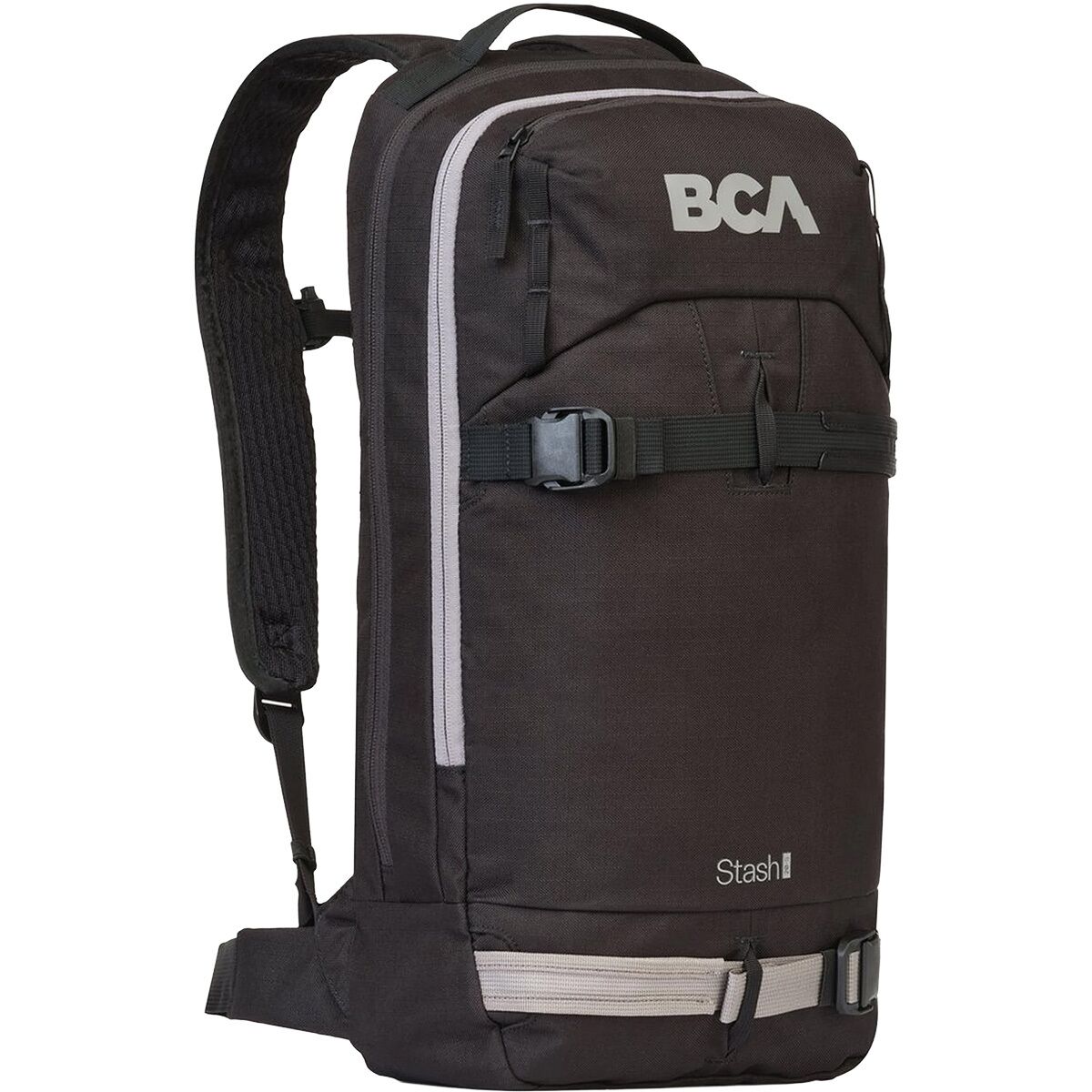
Stash 35 Pack
1 color
Discount Applies In Cart | Ends 11/16

Backcountry Access
Float MtnPro Airbag Vest
1 color
Discount Applies In Cart | Ends 11/16
(2)

Backcountry Access
Scepter Aluminum Adjustable Ski Poles
1 color
Discount Applies In Cart | Ends 11/16

Backcountry Access
Float 32 Airbag
2 colors
Discount Applies In Cart | Ends 11/16

Backcountry Access
Float 25L Turbo Airbag Backpack
1 color
Discount Applies In Cart | Ends 11/16

Backcountry Access
Stealth 300 Carbon Probe
1 color
Discount Applies In Cart | Ends 11/16

Backcountry Access
Stealth 270 Probe
1 color
Discount Applies In Cart | Ends 11/16

Backcountry Access
Dozer 2H-S Shovel
1 color
Discount Applies In Cart | Ends 11/16

Backcountry Access
Snow Study Kit
1 color
Discount Applies In Cart | Ends 11/16

Backcountry Access
Scepter 4S Adjustable Ski Pole
1 color
Discount Applies In Cart | Ends 11/16
(2)
HSA/FSA Eligible

Backcountry Access
BC Air Helmet
3 colors
Winter Sale
(1)

Backcountry Access
BC Link 2.0
1 color
Discount Applies In Cart | Ends 11/16
(7)

Backcountry Access
Stash 20 S Pack
2 colors
Discount Applies In Cart | Ends 11/16

Backcountry Access
Dozer 1T Ultralight Shovel
1 color
Discount Applies In Cart | Ends 11/16

Backcountry Access
Dozer 2T Shovel
1 color
Discount Applies In Cart | Ends 11/16

Backcountry Access
Stash Throttle 25 Pack
2 colors
Discount Applies In Cart | Ends 11/16

Backcountry Access
Dozer 3D Shovel
1 color
Discount Applies In Cart | Ends 11/16

Backcountry Access
Float 2.0 Cylinder
1 color
Discount Applies In Cart | Ends 11/16

Backcountry Access
Slope Meter
1 color
Discount Applies In Cart | Ends 11/16

Backcountry Access
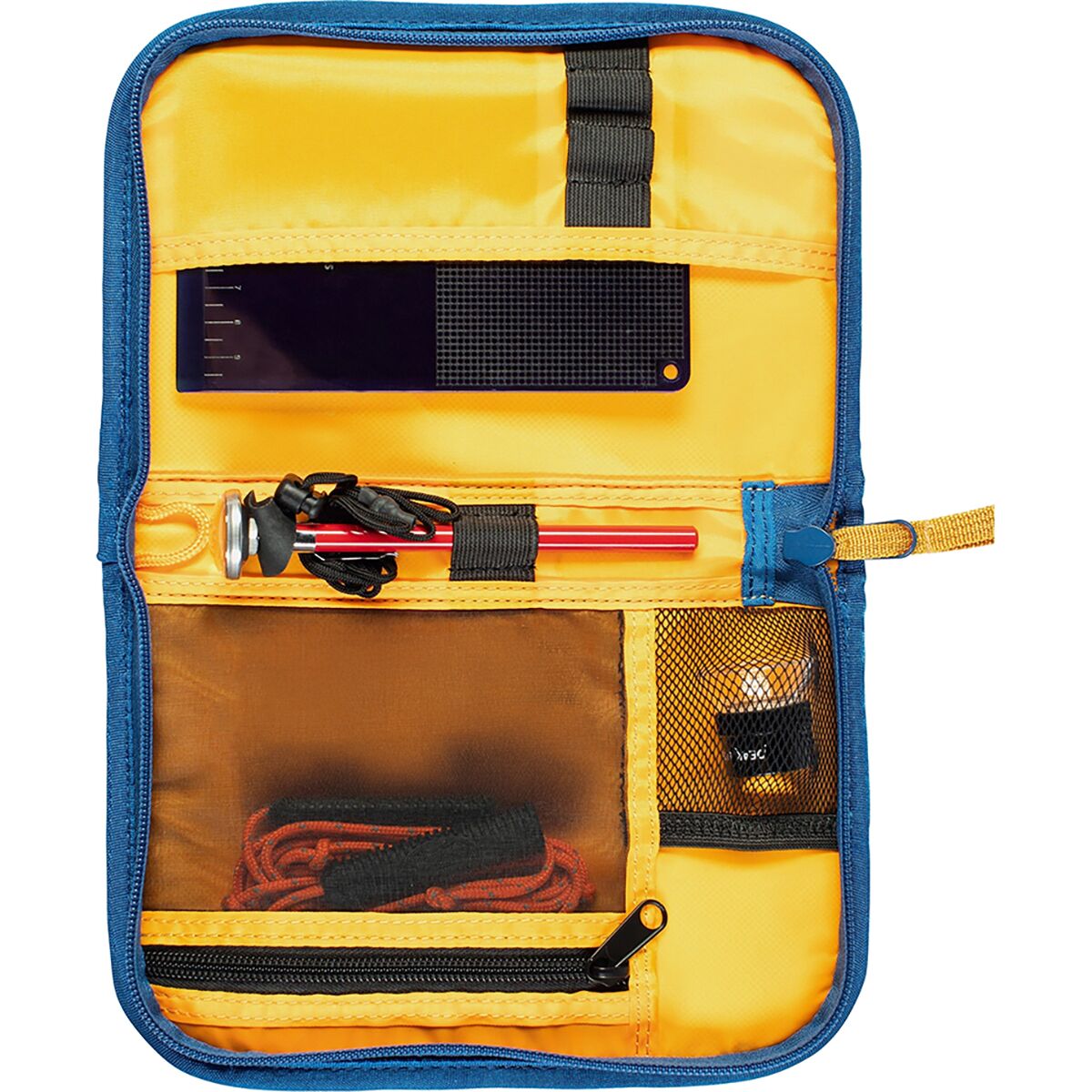
Field Book
1 color
Discount Applies In Cart | Ends 11/16
New Arrival

Backcountry Access
Dozer 2H Shovel
1 color
Discount Applies In Cart | Ends 11/16

Backcountry Access
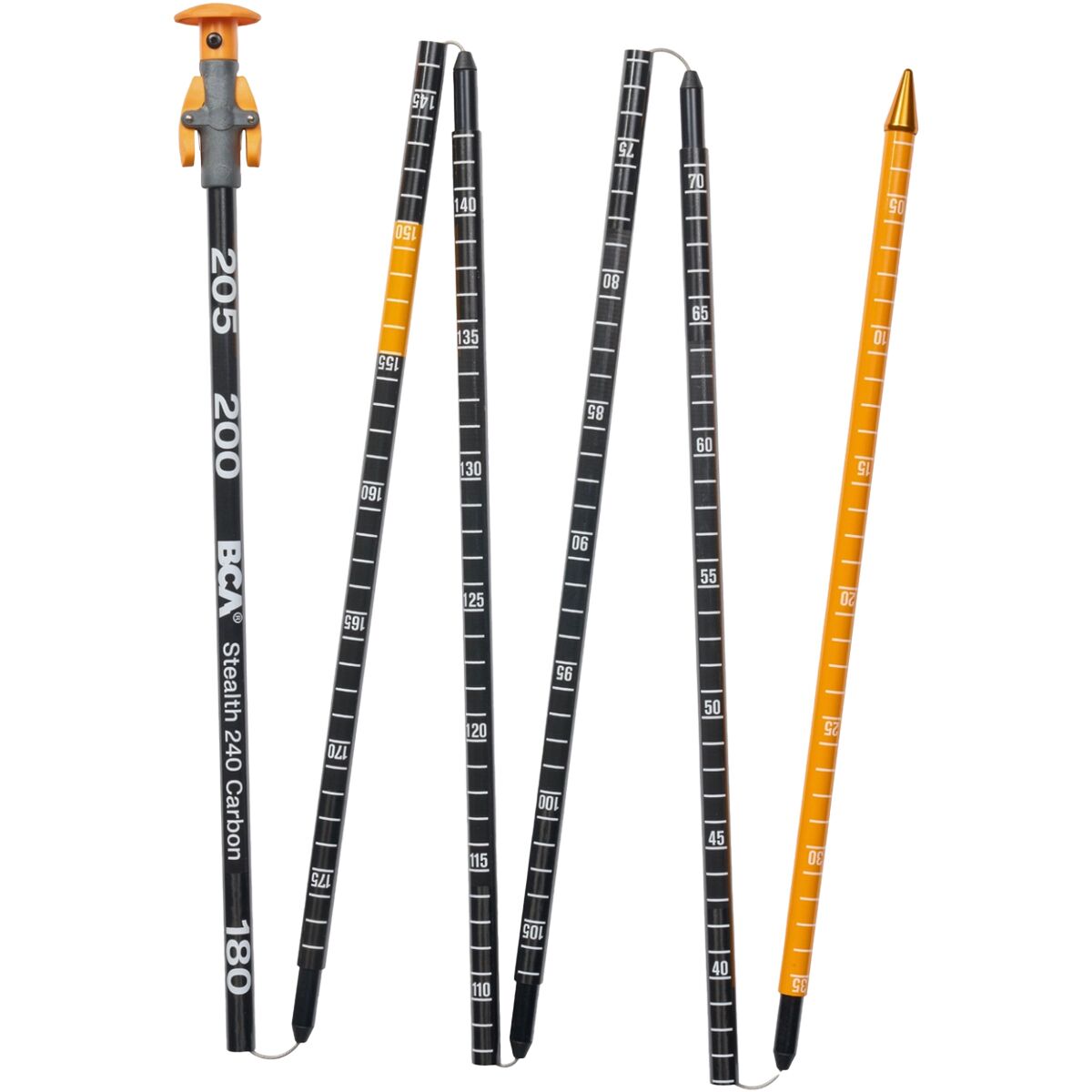
Stealth 240 Probe
1 color
Discount Applies In Cart | Ends 11/16

Backcountry Access
Stealth 330 Probe
1 color
Winter Sale

Backcountry Access
Snow Saw
1 color
Discount Applies In Cart | Ends 11/16

Backcountry Access
15X Magnifying Loupe
1 color
Discount Applies In Cart | Ends 11/16
New Arrival

Backcountry Access
Stash 40L Ultralight Pack
1 color
Discount Applies In Cart | Ends 11/16

Backcountry Access
Stash 12 Pack
2 colors
Discount Applies In Cart | Ends 11/16
Related Categories



Frequently Asked Questions
What avalanche safety gear is essential for backcountry skiing and how should I prioritize it?
A beacon, probe, and shovel are the non-negotiable essentials for any backcountry outing; practice regular group beacon checks and quick probe/shovel deployment drills to maintain speed in a rescue. An avalanche airbag pack is recommended for high-exposure terrain, and packs with a dedicated, quick-access avy compartment plus helmet carry and hydration ports improve field efficiency.How do I choose the right backcountry skis—for example, when would a ski like the Atomic Backland 109 be a good choice?
Choose skis by matching waist width and weight to your terrain and goals: a wider ski such as the Backland 109 favors powder flotation and stability on deep snow, while narrower touring skis (around 90–100 mm) are lighter and more efficient for long skintracks and mixed conditions. Consider your uphill time, typical snowpack, and skier weight when deciding length and sidecut—wider skis often trade some uphill efficiency for better downhill flotation.How should I match touring boots and bindings, for instance pairing Dynafit Ridge Pro boots with tech/pin bindings?
Confirm boot‑sole compatibility (tech‑compatible toe and heel lugs and ISO standards) and that the binding manufacturer lists your boot model as compatible; tech/pin systems require the correct lug geometry for reliable engagement. Choose a boot with enough flex and a secure walk‑mode hinge for your preferred descent style, and set binding release values appropriate to your weight, ability, and ski type for safe performance.What are the differences between climbing skin materials (nylon vs. mohair) and when should I pick Black Diamond Ascension or G3 Alpinist skins?
Nylon skins provide superior grip and abrasion resistance for steeper, icier approaches and heavy use, while mohair offers better glide and lighter weight for long days and efficiency; blended fabrics aim to balance grip and glide. Black Diamond Ascension and G3 Alpinist skins are reputable, pre‑cut or custom options—choose the material and fit that match your typical ascent profile and the ski widths you use.How do tech/pin bindings (like the Marker F10 Tour or G3 Alpinist binders) compare to frame or hybrid bindings (like the Marker Cruise 10 or Salomon Shift)?
Tech/pin bindings are significantly lighter and more efficient for long uphill travel, making them ideal for alpine touring and long approaches, but they can offer less downhill power-transmission than heavier frame or hybrid systems. Frame and hybrid bindings sacrifice some uphill weight for more alpine-like retention and release characteristics on descents, so pick tech bindings if uphill performance is the priority and hybrid/frame systems if you split time between resort-like runs and short tours.