


Cyber Deals Are Here
Shop up to 70% off
20% Off Full-Price Items
Shop now
Up To 75% Off Layers & Outerwear
Daily deal! Shop now
Autumn Ski
25 results


Autumn
Cord Double Roll Beanie
1 color
Cyber Sale | Limited Time Only

Autumn
Crest 3L Jacket - Men's
2 colors

Autumn
Channel Jacket - Men's
1 color

Autumn
Double Roll Beanie
3 colors
Cyber Sale | Limited Time Only

Autumn
Static Beanie
4 colors
Cyber Sale | Limited Time Only

Autumn
Shadow 3L Pant - Men's
2 colors

+2
Autumn
Select Solid Beanie
6 colors
Cyber Sale | Limited Time Only

+2
Autumn
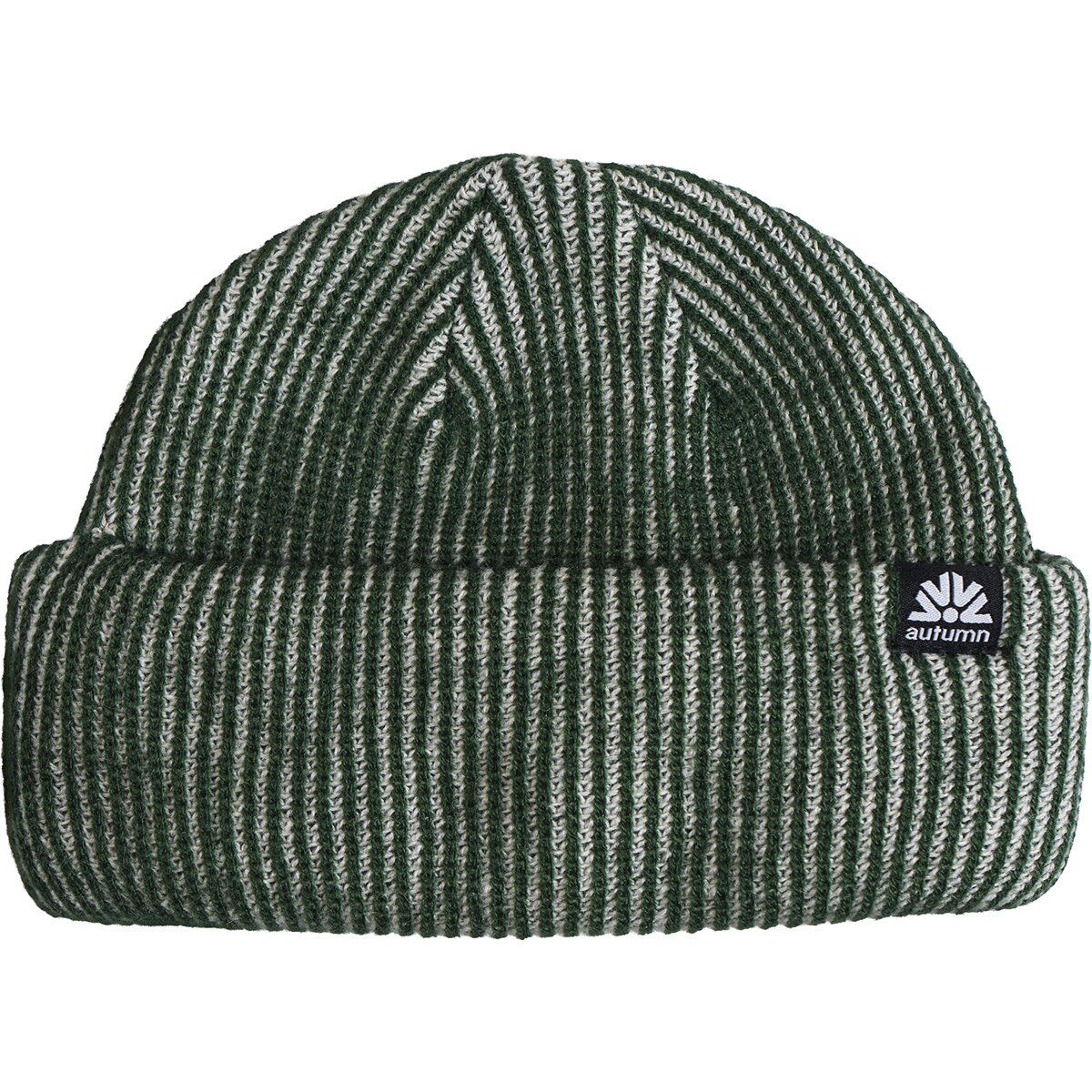
Stripe Beanie
6 colors
Cyber Sale | Limited Time Only

Autumn
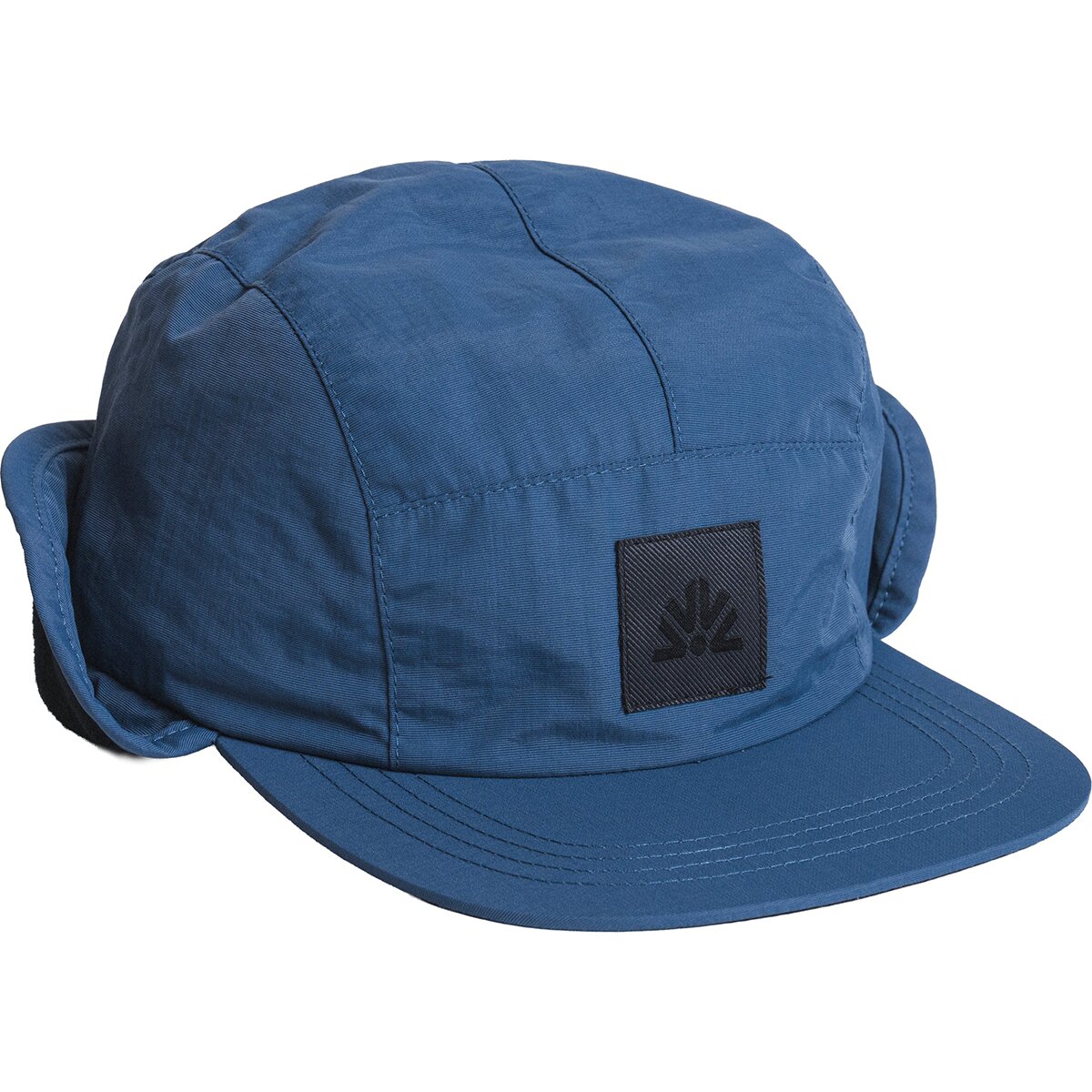
Swell Ear Flap Beanie
2 colors
Cyber Sale | Limited Time Only

Autumn
Marble Knit Beanie
3 colors
Cyber Sale | Limited Time Only

Autumn
Cord Beanie
5 colors
Cyber Sale | Limited Time Only

Autumn
Sport Stripe Beanie
2 colors
Cyber Sale | Limited Time Only

Autumn
Slacker Beanie
2 colors
Cyber Sale | Limited Time Only

Autumn
Field Jacket - Men's
2 colors

Autumn
Simple Solid Beanie
3 colors
Cyber Sale | Limited Time Only

Autumn
Mtn Goat Beanie
3 colors
Cyber Sale | Limited Time Only

Autumn
Service Pant - Men's
2 colors

Autumn
Storage Pant - Men's
2 colors

Autumn
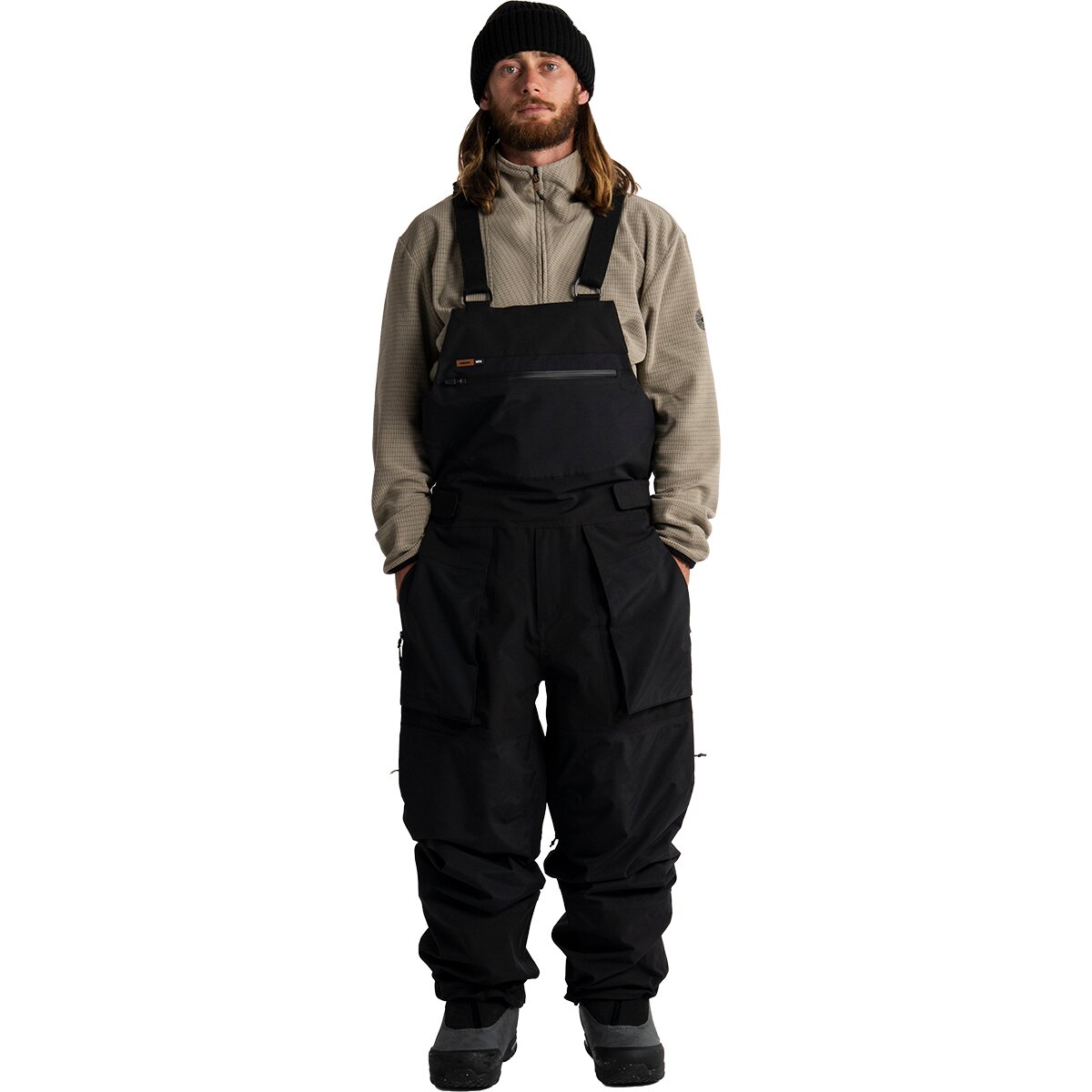
Butte 3L Bib Pant - Men's
1 color

Autumn
Cord Visor Beanie
2 colors
Cyber Sale | Limited Time Only

Autumn
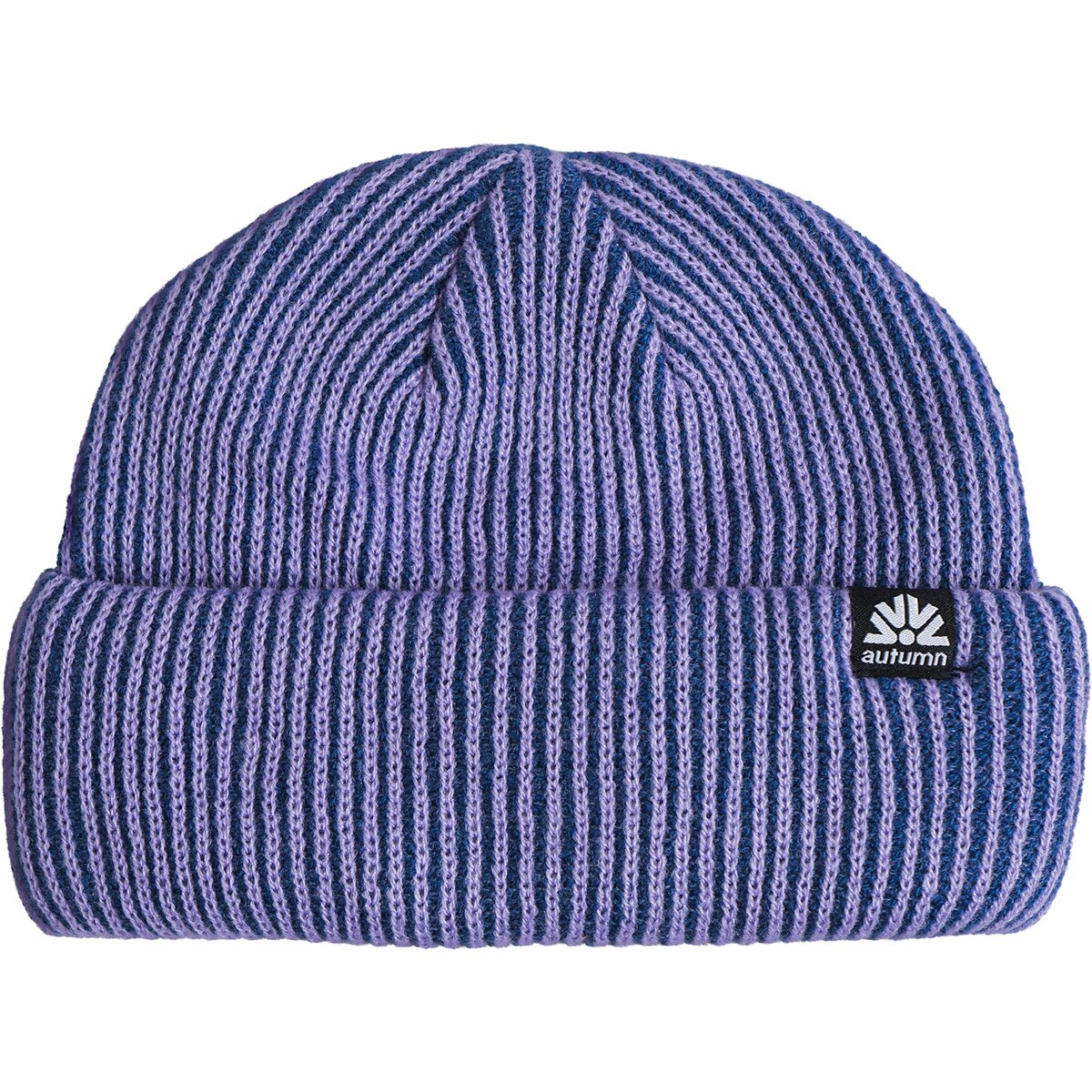
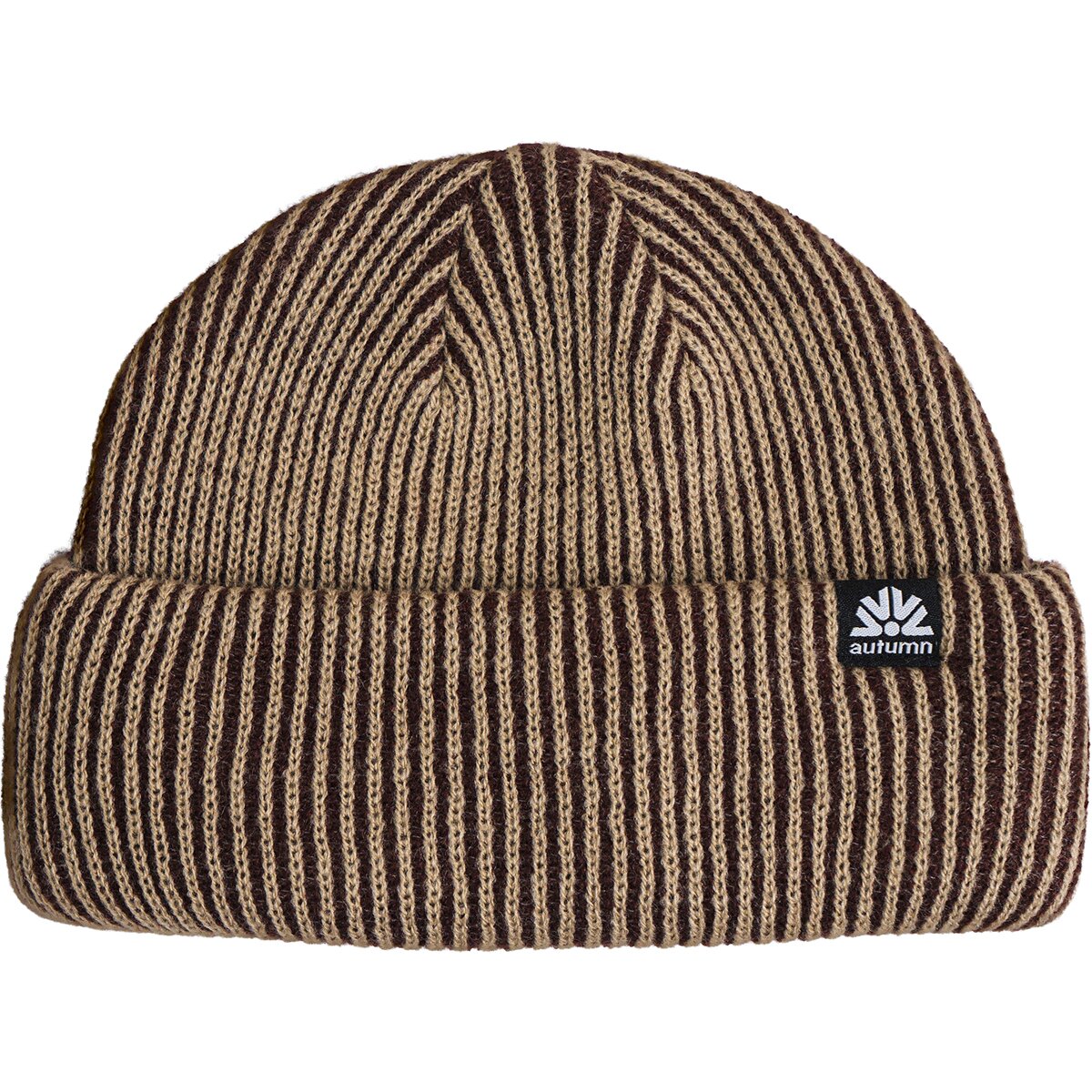
Mini Stripe Beanie
4 colors
Cyber Sale | Limited Time Only

Autumn
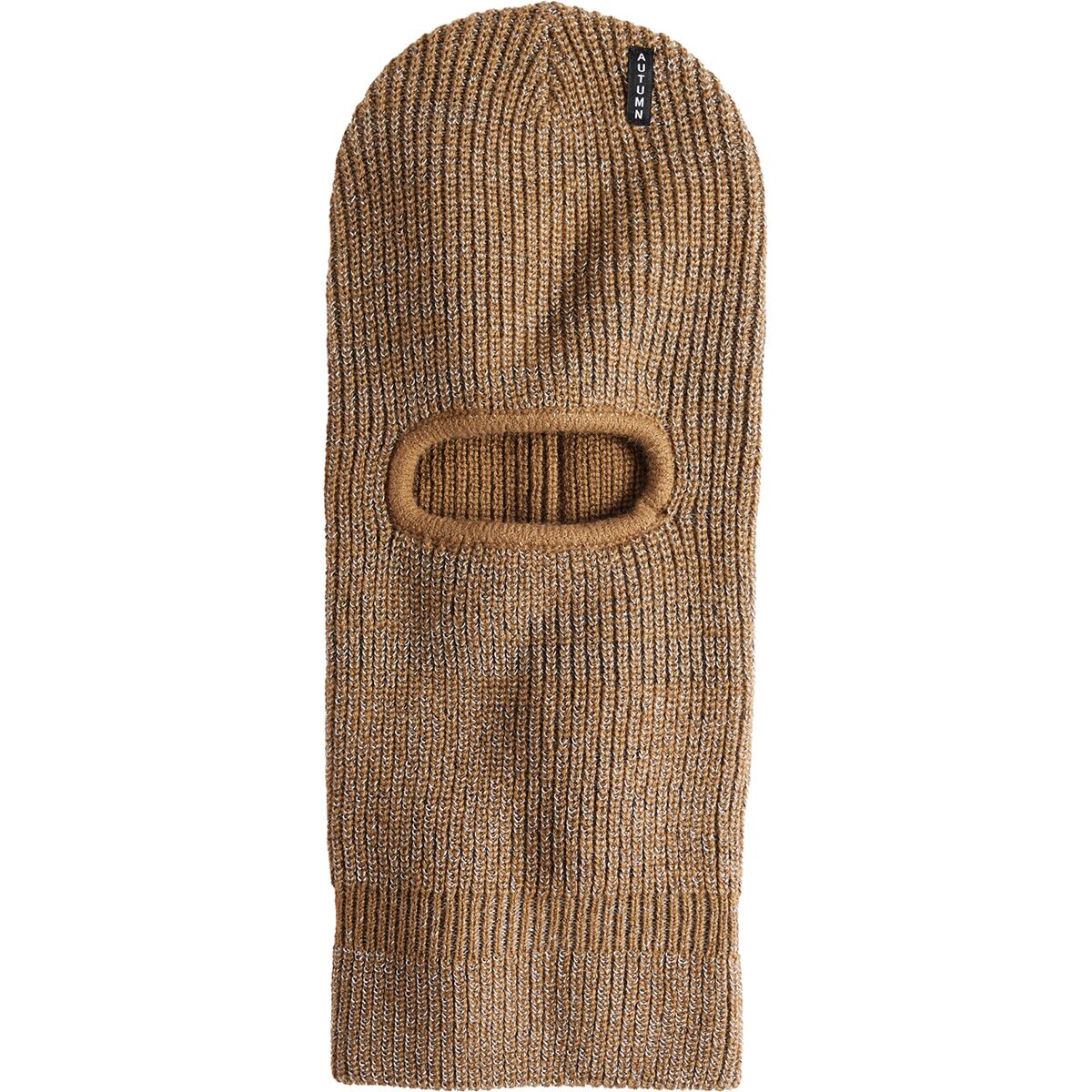
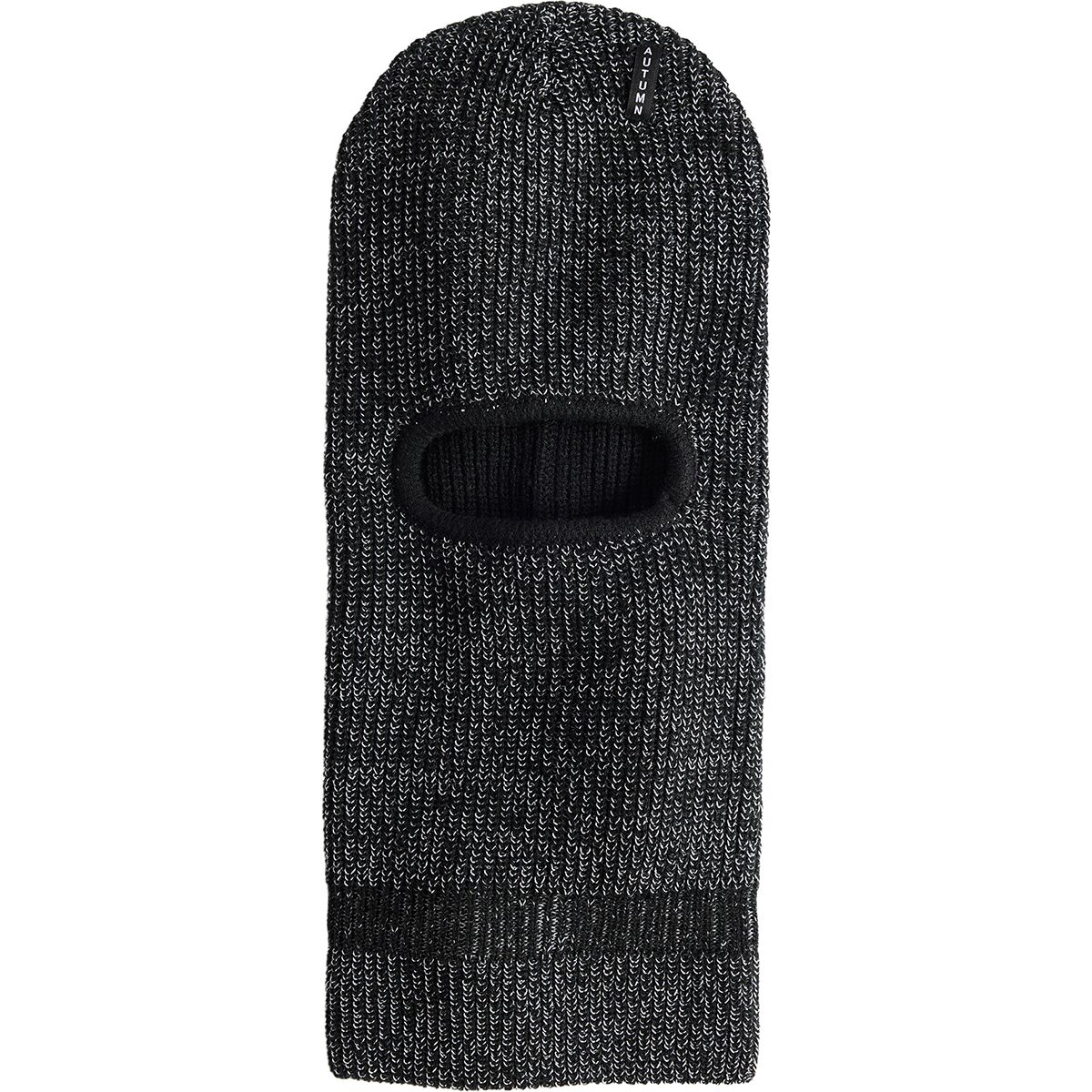
Reflect Mask
1 color
Daily Deal | Today ONLY

Autumn
Squared Fleece Lined Beanie
2 colors
Cyber Sale | Limited Time Only

Autumn
Heritage Beanie
3 colors
Cyber Sale | Limited Time Only

Autumn
Cable Knit Beanie
2 colors
Cyber Sale | Limited Time Only
Related Categories
Frequently Asked Questions
How do I choose the right waist width and ski length for my skill level and the terrain I ride?
Match waist width to primary snow and turn style: <90mm for frontside carving, 90–100mm for versatile all‑mountain days, 100–110mm for soft snow and late‑season slush, and >110mm for deep powder. For length, beginners generally choose skis from chin to nose height for easier turns, intermediates aim around mid‑face for a balance of agility and stability, and advanced skiers often go to full height or longer for high‑speed control. Prioritize waist width and flex first to match your terrain, then tweak length for preferred turn radius.What materials and construction features make a ski stable at speed versus playful and nimble?
Skis built with metal laminates (Titanal/metal layers) and denser wood cores deliver damped, stable rides in chop and at high speeds—examples include the Nordica Enforcer series, Volkl Mantra, and K2 Mindbender 99Ti. Lighter builds that rely more on fiberglass or carbon and lighter wood cores yield a more playful, poppy feel and lower swing weight—think Atomic Bent 100 or Armada ARV 100. Look for a tip‑rocker/camber/ tail‑rocker profile for versatile all‑mountain performance and check sidecut radius and flex to dial in turn shape and responsiveness.How does the K2 Mindbender 99Ti compare to the K2 Mindbender 96C?
The Mindbender 99Ti adds a titanal/metal laminate for greater dampening and high‑speed stability, making it more confident in variable, choppy snow and on long arcs. The Mindbender 96C is lighter and more playful without the metal layer, favoring quicker edge-to-edge transitions and easier short‑radius turns. Choose the 99Ti if you prioritize stability and hard‑snow performance, and the 96C if you want a livelier, more forgiving all‑mountain tool.Which ski models and specs work best for a mixed day of groomers in the morning and softer, wind‑blown snow in the afternoon?
A mid‑width “quiver‑killer” in the 90–100mm waist range balances groomer edgehold and soft‑snow capability—models to consider include the Nordica Enforcer 94, Blizzard Rustler 10 (a touch wider), or Atomic Bent/Armada ARV styles depending on desired flex. Opt for a construction with some metal if you need firm‑snow grip and stability in the morning, or a lighter, rockered profile if you prioritize float and maneuverability later in the day. Aim for a medium‑stiff flex if you want versatility across both conditions.How do ski profile and flex affect carving versus off‑piste performance, and what should I look for in sidecut and rocker?
Camber underfoot with modest tip and tail rocker gives strong edge hold and pop for carving on groomers, while increased tip rocker and a wider tip/tail promote float and easier turn initiation in soft snow; stiffer flex favors stability and power, softer flex favors forgiveness and park/freestyle play. Sidecut radius determines turn shape—shorter radii suit quick, snappy turns; longer radii support long, high‑speed arcs. For a carve‑focused setup look at stiffer, metal‑laminate skis like the Volkl Mantra or Nordica Enforcer; for off‑piste versatility consider rockered, wider models such as the Salomon QST 106 or Black Crows Atris.