


20% Off Full-Price Items
Shop now
Up To 50% Off Winter Sale
Shop now
Get An EXTRA $50 Cash Back*
Summit+ exclusive
ALPS Mountaineering Overlanding
21 results

ALPS Mountaineering
Escalade Cot
1 color
Winter Sale
(8)

ALPS Mountaineering
Weekender Chair
1 color
Discount Applies In Cart | Ends 11/16

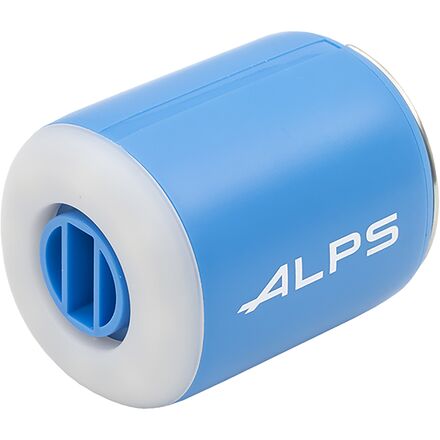
ALPS Mountaineering
Nano Air Pump
1 color
Winter Sale
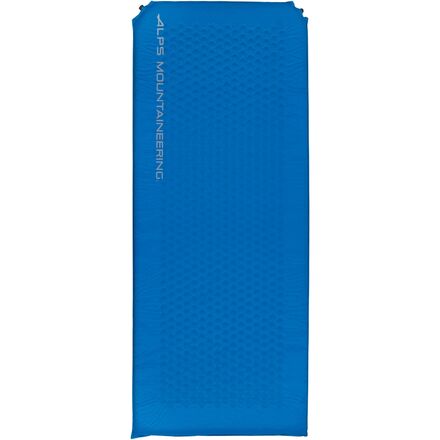
ALPS Mountaineering
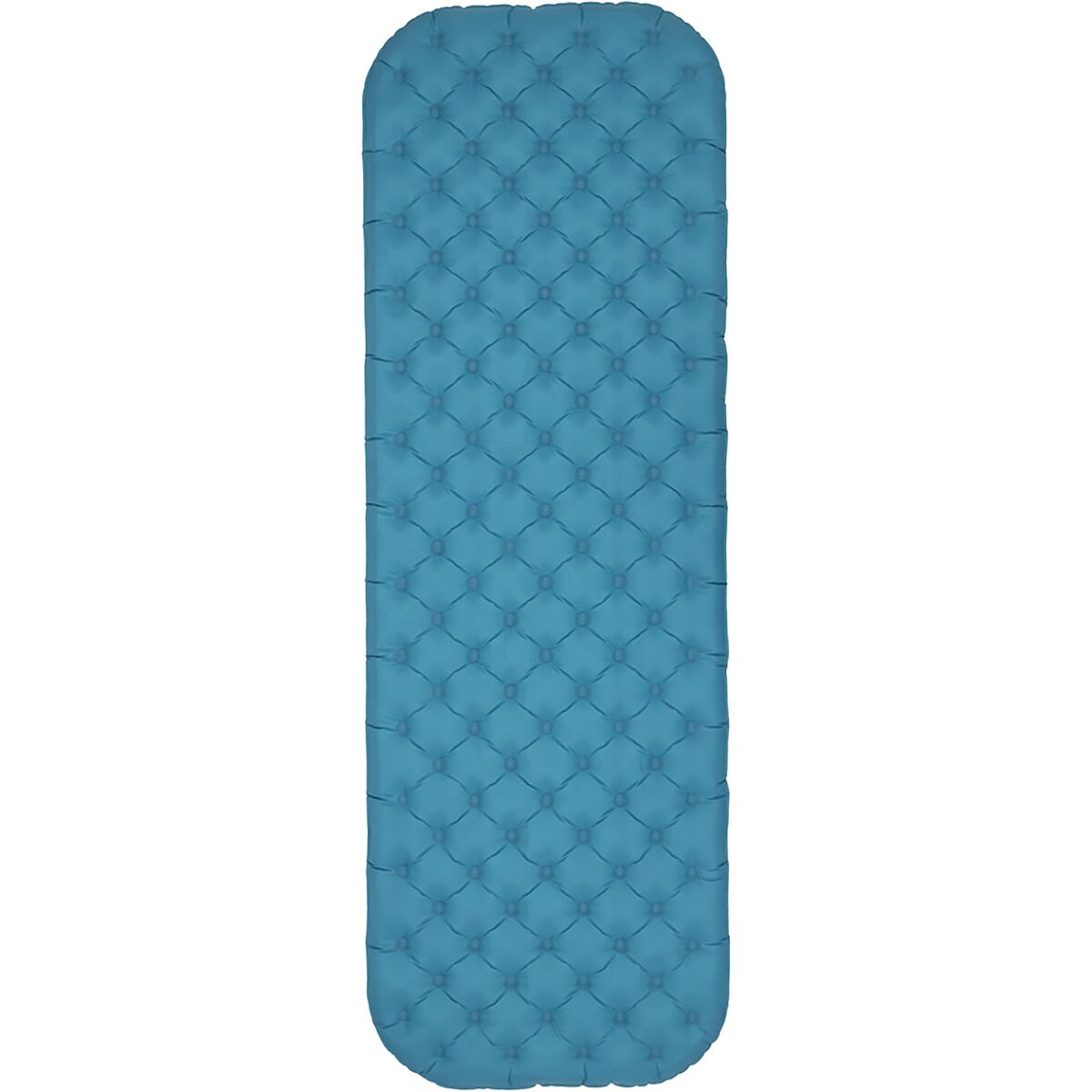
Flexcore XL Sleeping Pad
1 color
Winter Sale
(1)

ALPS Mountaineering
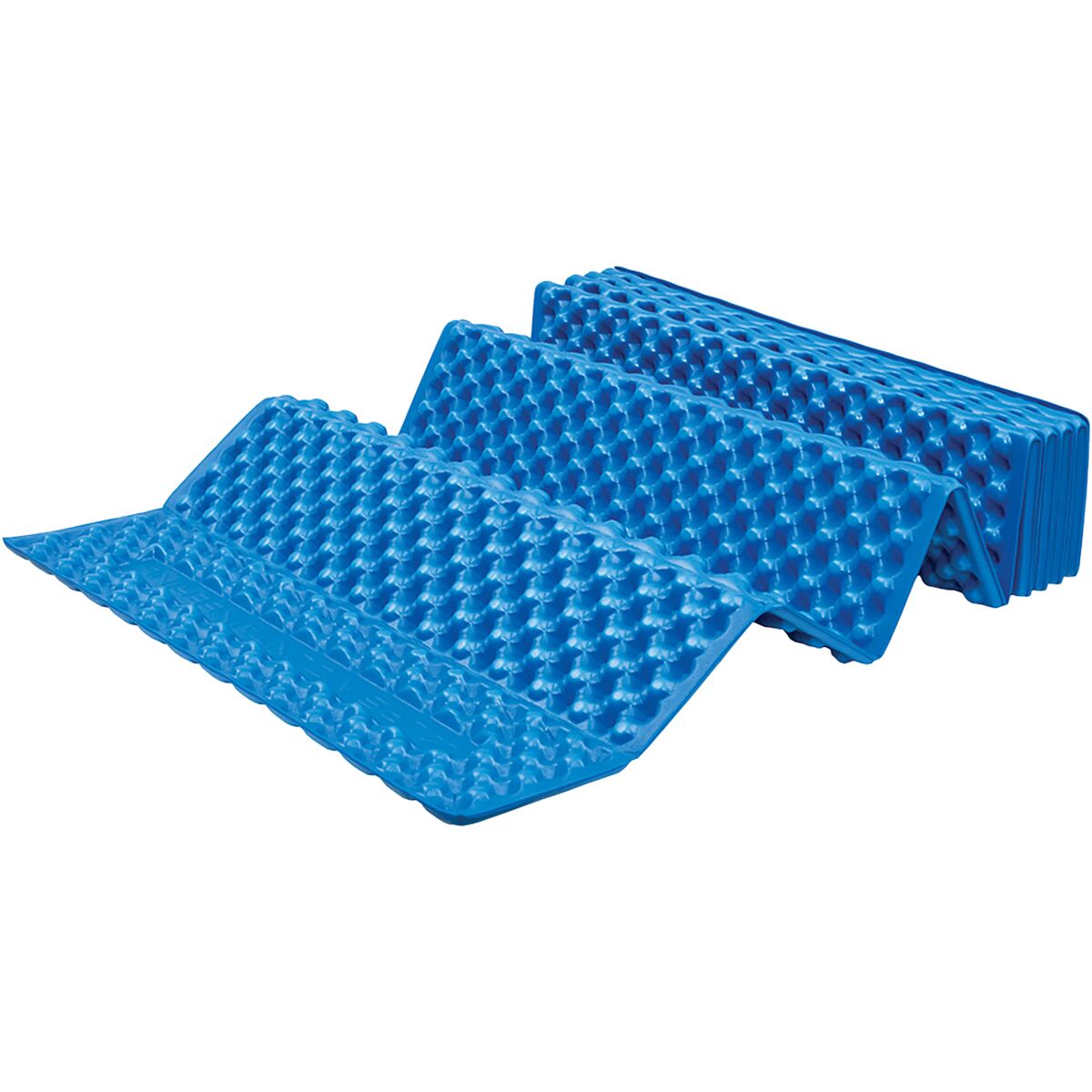
Foldable Foam Mat
1 color
Winter Sale

ALPS Mountaineering
King Kong Chair
2 colors
Discount Applies In Cart | Ends 11/16
(1)

ALPS Mountaineering
Camp Table
1 color
Discount Applies In Cart | Ends 11/16
(1)

ALPS Mountaineering
Apex Sleeping Pad
1 color
Discount Applies In Cart | Ends 11/16

ALPS Mountaineering
Stargaze Blanket
1 color
Winter Sale
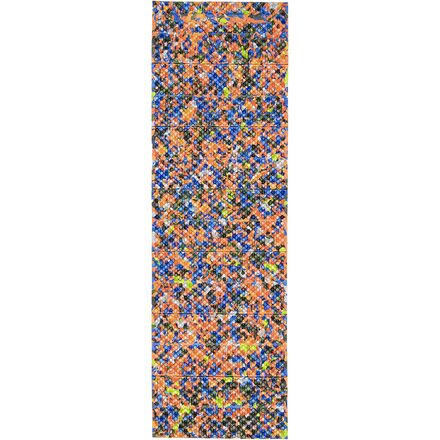
ALPS Mountaineering
Reclaimed Foam Mat
1 color
Winter Sale
(1)

ALPS Mountaineering
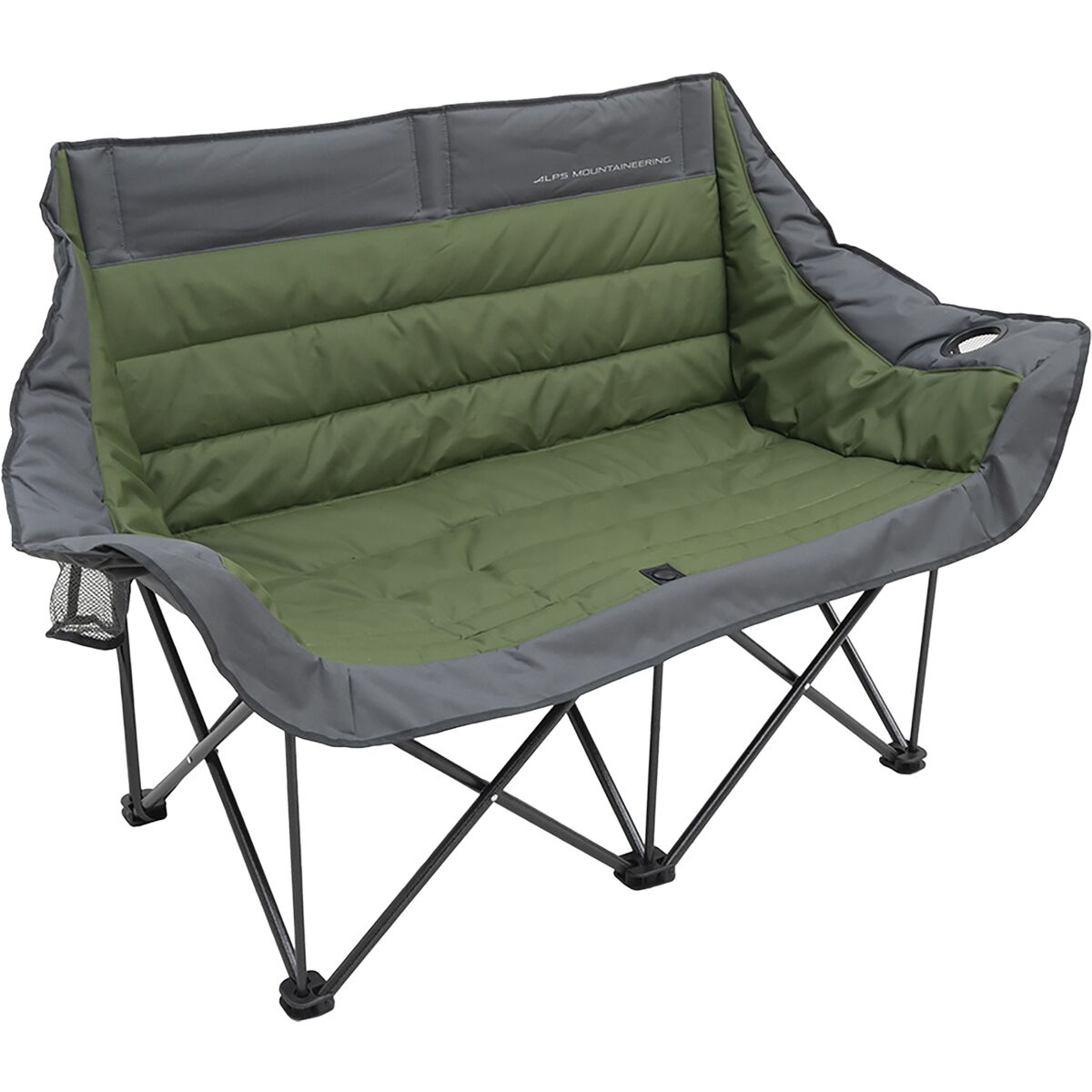
King Kong Chair
1 color
Winter Sale
(3)

ALPS Mountaineering
Blaze 20 Sleeping Bag: 20F Synthetic
1 color
Discount Applies In Cart | Ends 11/16

ALPS Mountaineering
Flexcore Sleeping Pad
1 color
Winter Sale
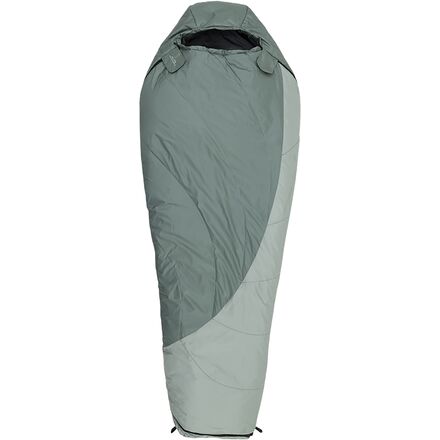
ALPS Mountaineering
Genesis Sleeping Bag: 30F Synthetic
1 color
Winter Sale

ALPS Mountaineering
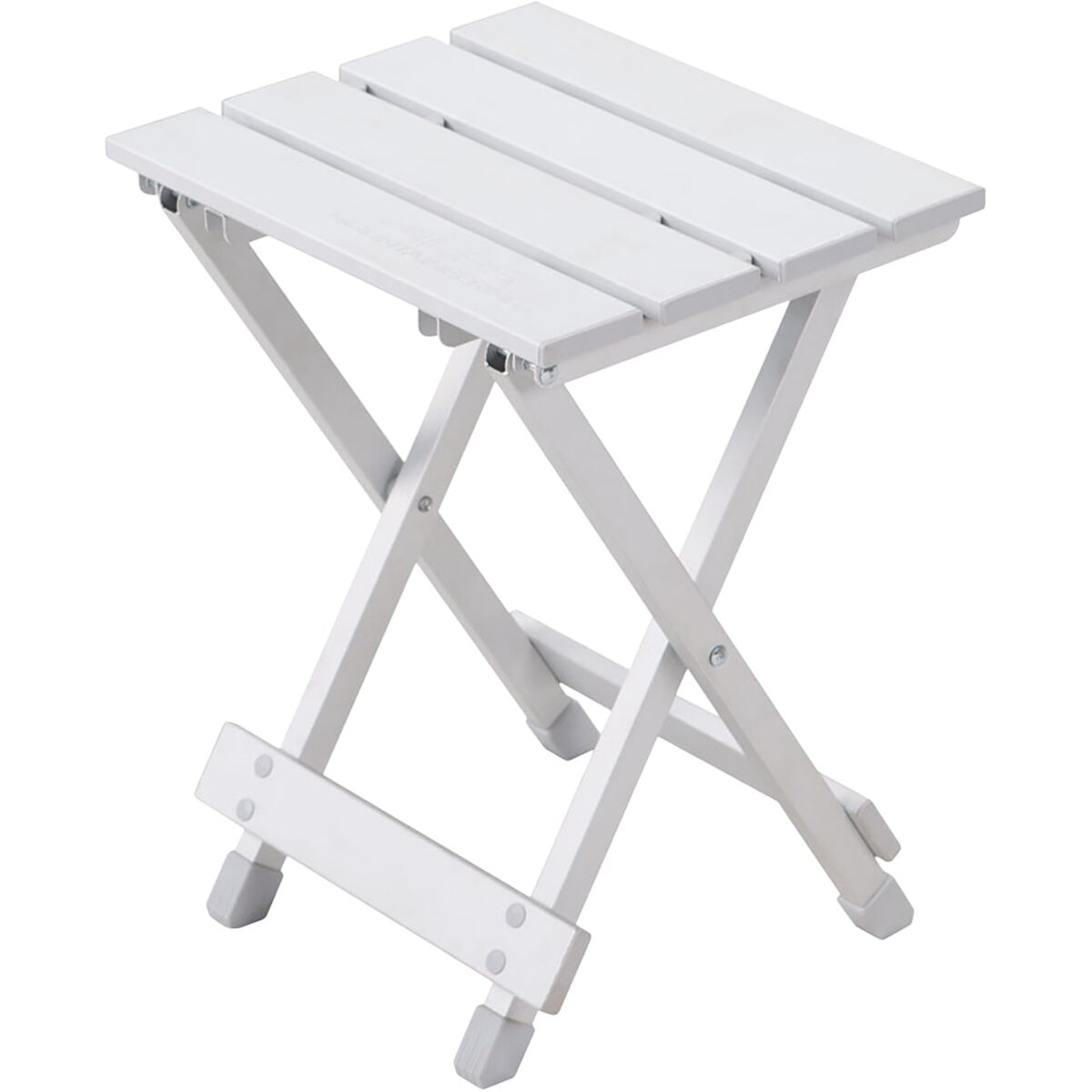
SideKick Table
1 color
Winter Sale
(1)
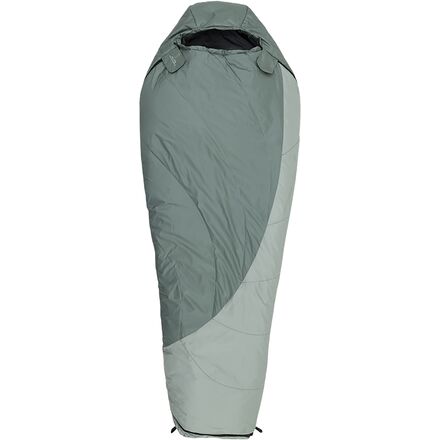
ALPS Mountaineering
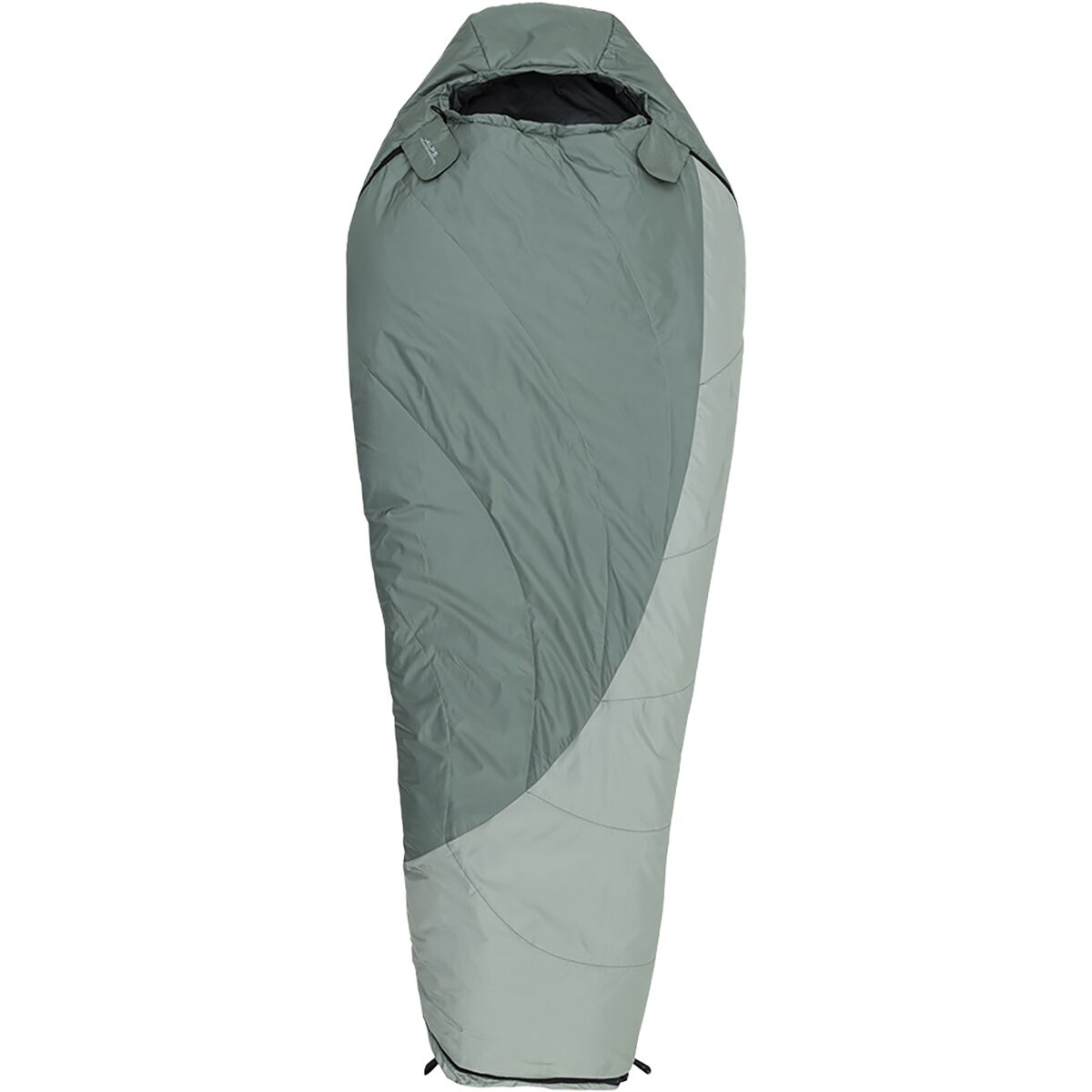
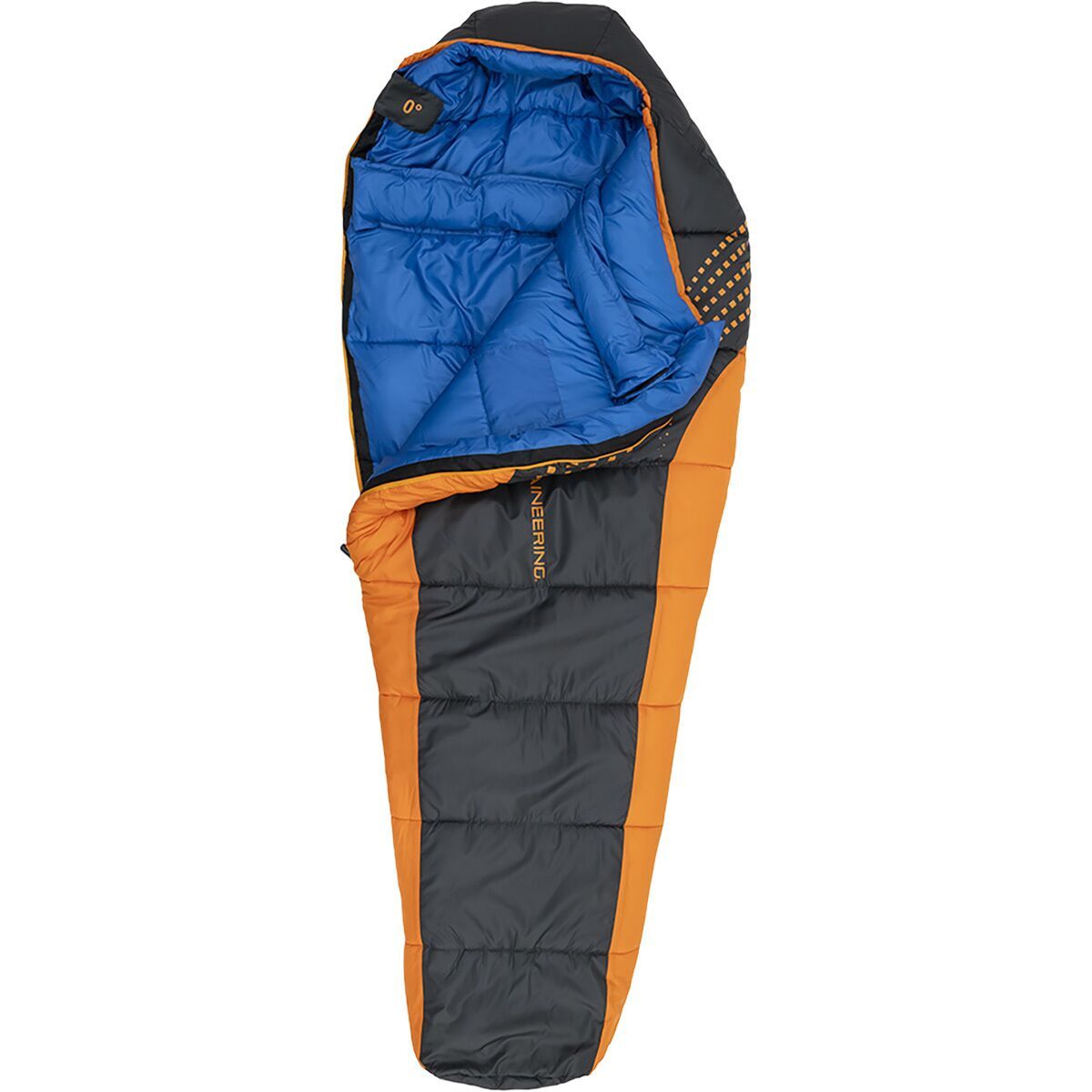
Genesis Sleeping Bag: 0F Synthetic
1 color
Discount Applies In Cart | Ends 11/16

ALPS Mountaineering
Double Flexcore Air Pad
1 color
Winter Sale

ALPS Mountaineering
Vice Pillow - recycled materials
1 color
Discount Applies In Cart | Ends 11/16

ALPS Mountaineering
Trailblazer Insulated R-8 Air Pad
1 color
Discount Applies In Cart | Ends 11/16

ALPS Mountaineering
Crest Pillow
1 color
Discount Applies In Cart | Ends 11/16
(1)

ALPS Mountaineering
Camp Table
1 color
Discount Applies In Cart | Ends 11/16
Related Categories
Frequently Asked Questions
What are the key features of the ALPS Mountaineering Overlanding Table (model 8320000)?
The Overlanding Table features an aluminum roll-top tabletop (46.75" L x 27.75" W) and a steel leg/frame system with three height positions (29", 31", 36"). It rolls up compactly into a 31.5" x 9.5" x 6.5" packed size, weighs about 17 lbs 4 oz, and uses side-rail locks, buckle straps and four locking pins for a stable, quick setup.How do I set up and pack down the Overlanding Table in the field?
Setup unfolds the roll-top, expands the legs and engages the side-rail locks and locking pins—most users can have it ready in under two minutes. To pack, fold the tabletop into panels, collapse the legs to the shortest position, strap it closed and slide it into the included carry bag for vehicle storage.How does the Overlanding Table compare to the ALPS Mountaineering Utility Table?
The Overlanding Table prioritizes a larger work surface and greater stability for meal prep, stoves and group dining, while the Utility Table is a lighter, more compact option (around 8 lb 10 oz) for minimalist setups. Choose the Overlanding Table when surface area and rugged vehicle-based use matter; choose the Utility Table when minimizing weight and packed footprint is the priority.What terrain and activities is this table best suited for?
This table is designed for vehicle-based overlanding, car camping and basecamp meal prep—its size accommodates cooking systems and seating for 2–4 people. The adjustable legs let you level the table on uneven ground, but its weight and packed size make it less suitable for long-distance backpacking.How should I choose the right height and level the legs on uneven ground?
Pick 29" or 31" for seated use and 36" for standing or prep work; set legs individually to compensate for slope so the tabletop sits level. Use the leg locking positions and side-rail locks to secure each setting, and collapse to the shortest leg position for transport or when you need a lower center of gravity.