


20% Off Full-Price Items
Shop now
EXTRA 20% Off Clearance
Ends today
Get An EXTRA $50 Cash Back*
Summit+ exclusive
ALMSTHRE Bike
10 results


ALMSTHRE
Signature Saddle Bag
5 colors
$30.00 - $30.01
Discount Applies In Cart | Ends 11/16
(11)

ALMSTHRE
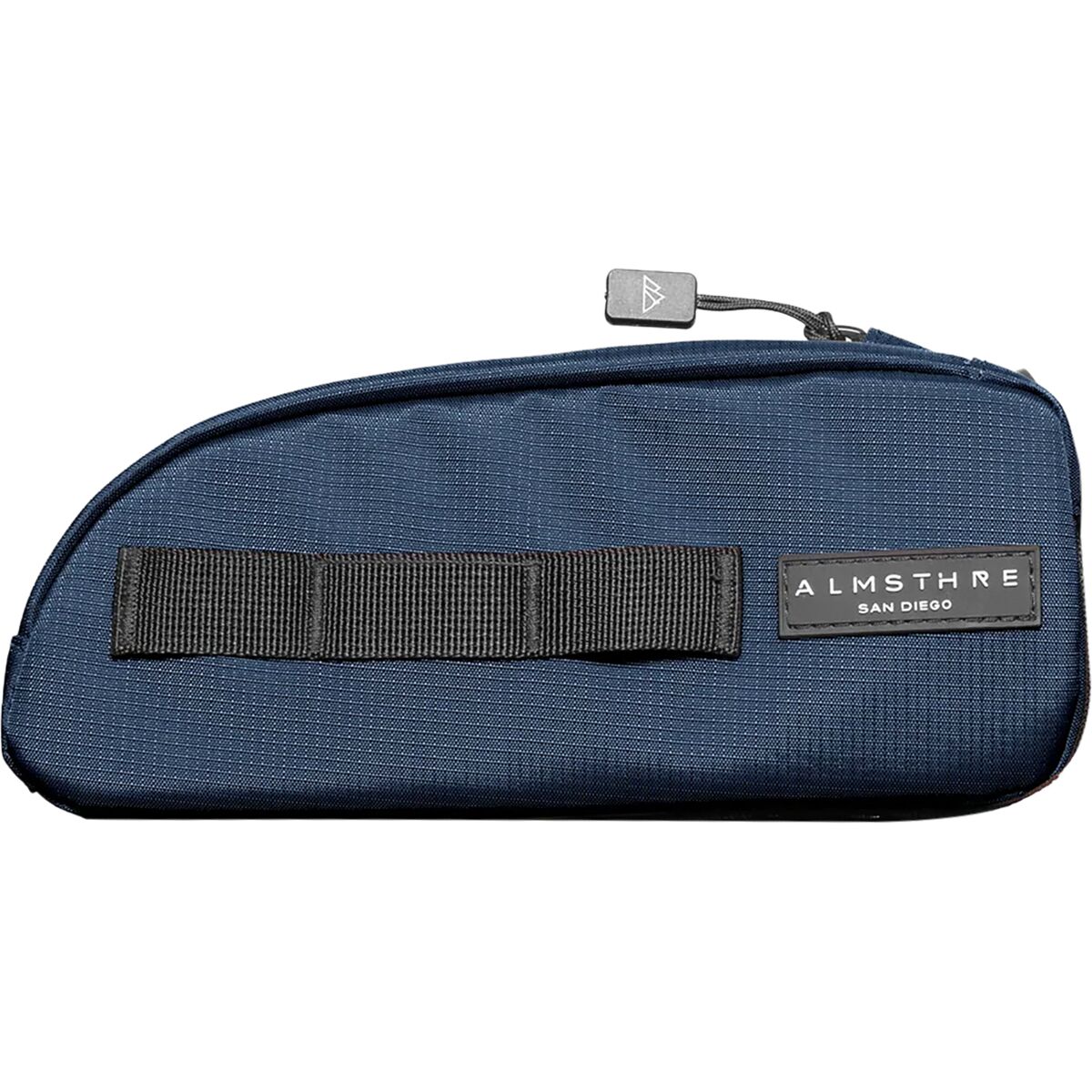
Top Tube Bag
4 colors
$58.01
Discount Applies In Cart | Ends 11/16
(7)

ALMSTHRE
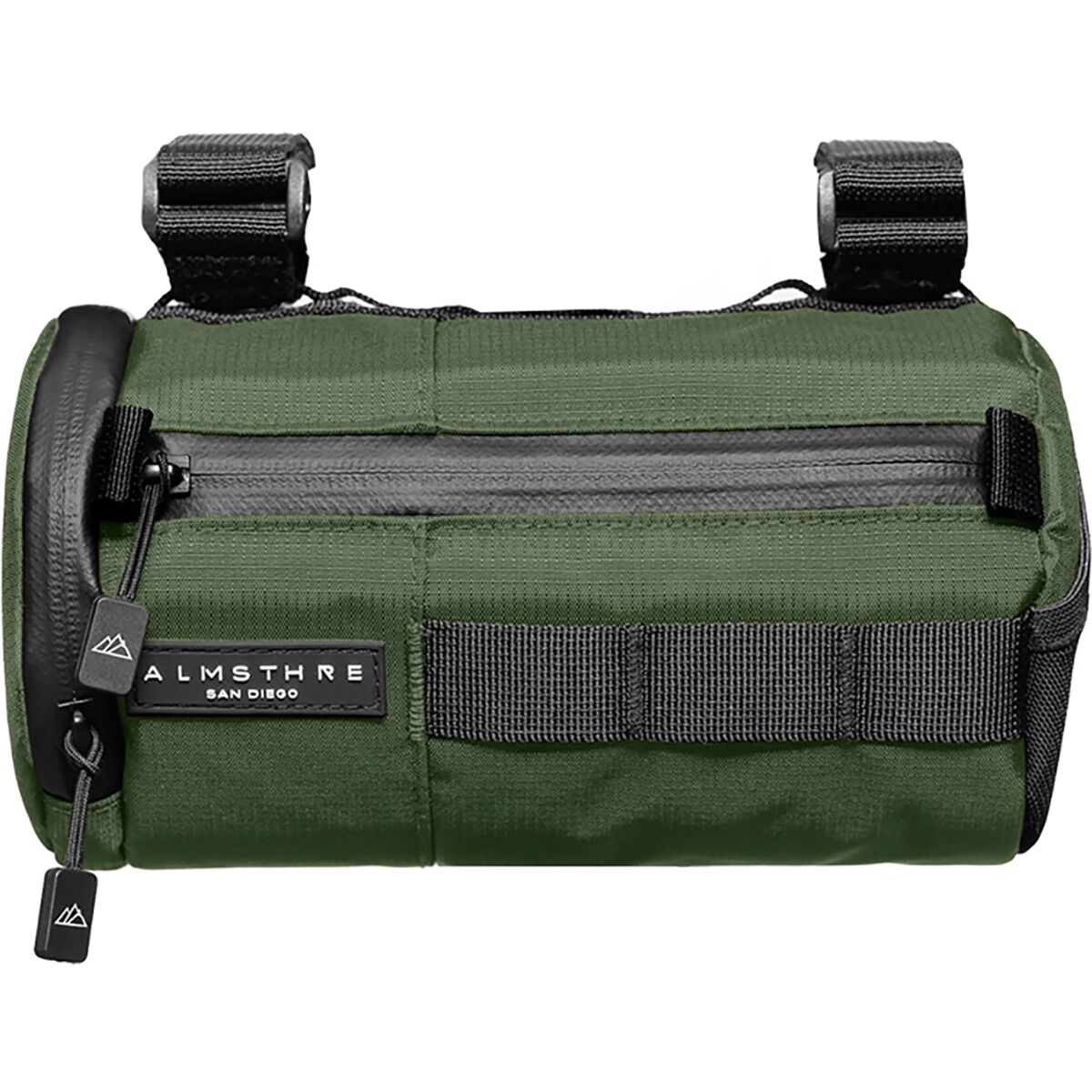
Signature Bar Bag
5 colors
$68.00 - $68.01
Discount Applies In Cart | Ends 11/16
(2)

ALMSTHRE
Signature Frame Bag
3 colors
$78.01 - $88.01
Discount Applies In Cart | Ends 11/16
(2)

+2
ALMSTHRE
Compact Bar Bag
6 colors
$58.01
Discount Applies In Cart | Ends 11/16
(6)

ALMSTHRE
Stem Feed Bag
5 colors
$48.01
Discount Applies In Cart | Ends 11/16
(4)

ALMSTHRE
Compact Frame Bag
2 colors
$58.01
Discount Applies In Cart | Ends 11/16
(5)

ALMSTHRE
Roll Saddle Bag
1 color
$32.01
Discount Applies In Cart | Ends 11/16

ALMSTHRE
Ride Wallet
5 colors
$32.01
Discount Applies In Cart | Ends 11/16
(2)

ALMSTHRE
Long Top Tube Bag
1 color
$68.00
Discount Applies In Cart | Ends 11/16
Related Categories

Frequently Asked Questions
How do I pick the correct Alms Three frame size and cockpit for a comfortable, safe fit?
Use your height and inseam to start with the Alms Three frame size chart and aim for roughly 1–2 inches (25–50 mm) of standover clearance; confirm reach and effective top-tube length to avoid feeling cramped or over-stretched. Check saddle-to-bar distance and test for flat-footed ground contact when stopped; shorter riders may prefer slacker stems or a shorter reach, while taller riders benefit from longer reach and wider handlebars.How does an Alms Three hardtail compare to a full-suspension model for cross-country and trail riding?
Alms Three hardtails are typically lighter and more efficient for XC-style climbs and smoother singletrack thanks to simpler front-only suspension (often ~80–100 mm travel), while full-suspension models add rear travel (commonly 100 mm+ for trail, 120–150+ mm for enduro) to improve traction and control on technical descents. Full-suspension frames trade a bit of pedaling efficiency for comfort and confidence on rough terrain and usually require more service and setup.What suspension travel and geometry should I choose in an Alms Three bike for trail riding vs enduro?
For XC and fast, punchy trail rides choose shorter travel (around 80–100 mm) with a steeper head tube angle for quicker handling; for all-mountain/trail riding pick ~100–120 mm travel and a balanced reach/head angle. If you’re targeting enduro or steep technical descents, look for 140 mm+ travel, a slacker head angle, and a longer reach for high-speed stability.Which drivetrain, brake, and wheel/tire configurations are common on Alms Three bikes and how do they affect performance?
Many Alms Three builds use 1x drivetrains with wide-range 11–12 speed cassettes (examples include Shimano Deore/SLX or SRAM NX/GX) for simpler shifting and chain retention; hydraulic disc brakes give consistent stopping power, with larger rotors (180–203 mm) preferred for heavy-duty stopping. Wheel choices (29" for rollover and stability vs 27.5" for agility) and tubeless-ready tires in roughly 2.2–2.6" widths impact traction, rolling resistance, and pinch-flat resistance.