


Up To 20% Off Full-Price Items
Shop now
EXTRA 20% Off Clearance
Shop now | Ends 11/9
Get An EXTRA $50 Cash Back*
Summit+ exclusive
Aire Fly Fishing
10 results

Aire
30lb Tornado Anchor + 3/8in Rope
1 color
$190.01

Aire
Deluxe Kayak Seat
1 color
$115.01

Aire
Kayak Bag
1 color
$175.01
(1)


Aire
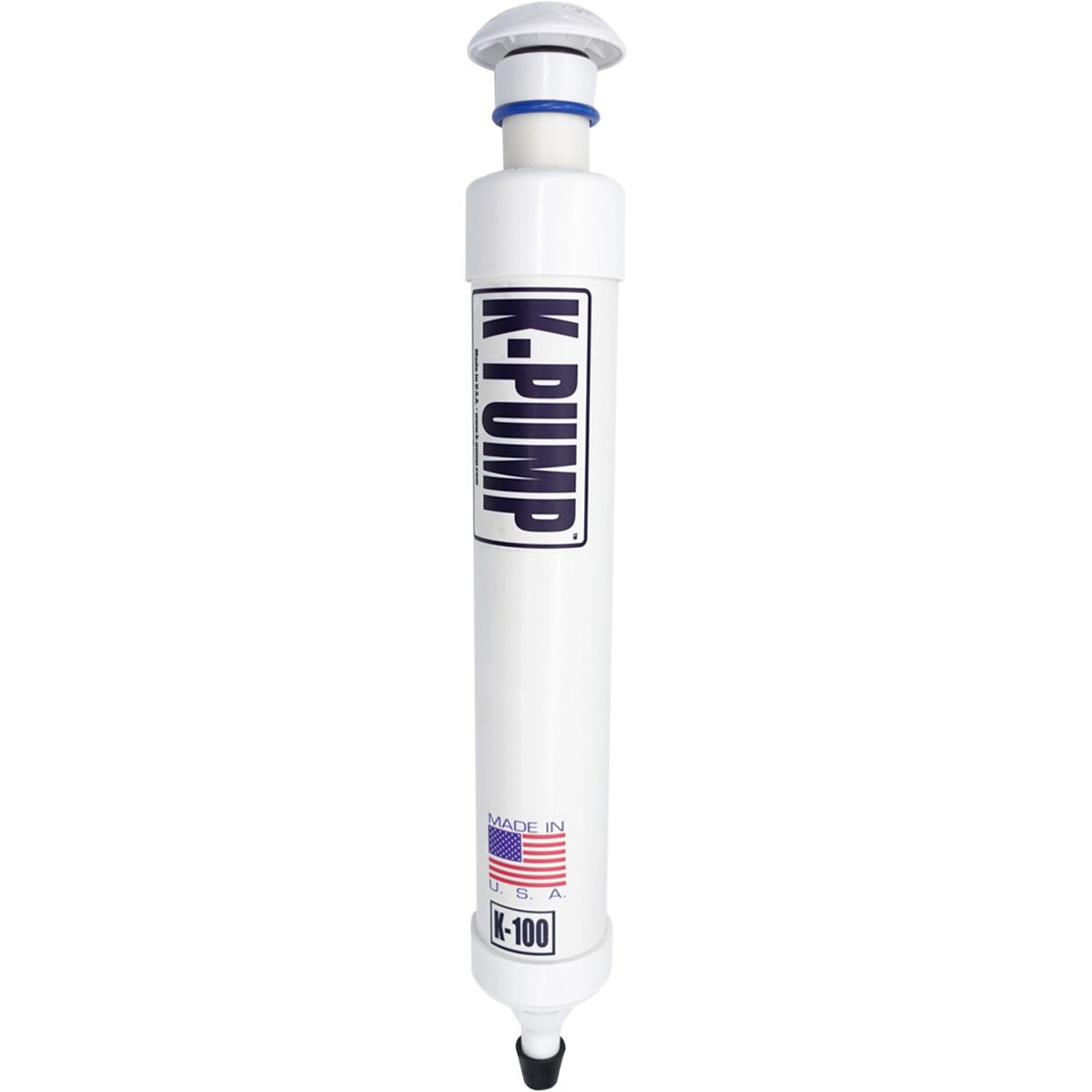
K-100 Pump
1 color
$129.96

Aire
K-Mini Pump
1 color
$119.96

Aire
18lb Tornado Anchor + 5/16in Rope
1 color
$150.01

Aire
River Couch
1 color
$760.01
10% Cashback Eligible

Aire
Deluxe Thigh Straps
1 color
$75.01
(1)

Aire
Heavy Duty Cam Straps
1 color
$26.01 - $28.01
(1)

Aire
Brass Oar Lock
1 color
$80.01
Related Categories
Frequently Asked Questions
What makes AIRE’s shell-and-liner construction and AIREcell urethane bladders better for fly fishing than standard one-piece inflatables?
AIRE’s shell-and-liner pairs puncture-resistant AIREcell urethane bladders with a pre-tensioned PVC-coated shell to combine low-pressure durability and abrasion/UV protection, so the hull resists punctures and holds shape when standing or rowing. Welded/thermal seams, Summit II valves and the zippered bladder access make field repairs and maintenance easier than many single-skin boats.Should I choose a Sealed Floor Pocket (SFP) or a Regular Floor Pocket (RFP) for my fishing trips?
Choose an SFP when you need a lighter, fully sealed floor for portaging, gravelly Alaska rivers, or silt-prone conditions—the waterproof zippers and lighter build reduce water ingress and overall pack weight. An RFP gives more ballast, easier self-bailing and cost-effectiveness, which is useful if you want extra stability for standing/sighting and expect to take on water that can drain through scuppers.Which AIRE models are best for flatwater sight-fishing versus whitewater or multi-day Alaska floats?
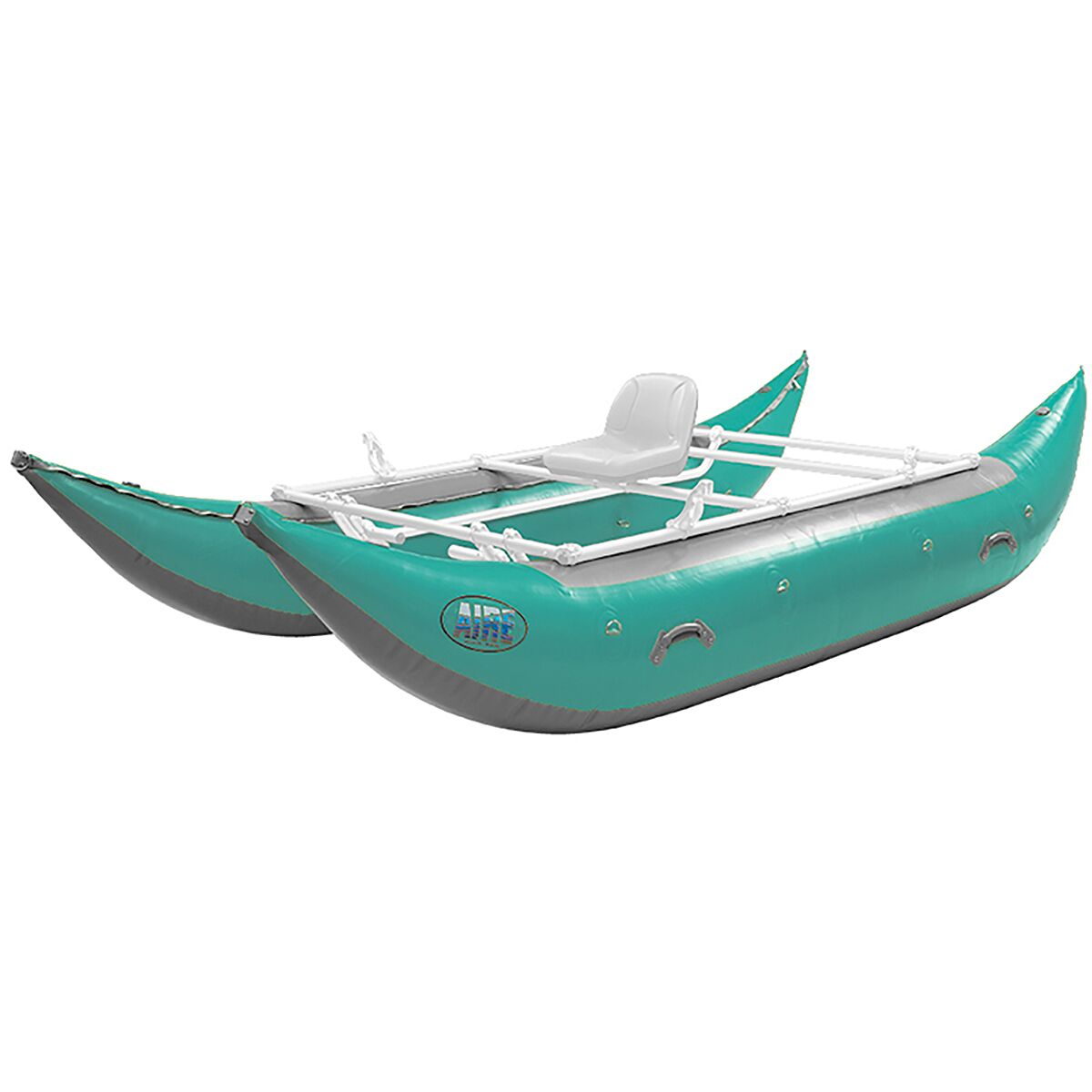
For flatwater sight-fishing the Tributary IK Angler and Tributary Strike 2 shine—narrow beams, standing-friendly decks and fishing-specific layouts make them ideal for sight casting and estuaries, with the IK Angler focused on single-anglers and the Strike 2 offering more two-up versatility. For technical whitewater or multi-day Alaska runs, catarafts and drift-oriented rigs like the Wave Destroyer series, Cougar, Super Puma and Puma series provide higher load capacity, upturned bows/sterns and beefier tube profiles that handle waves, gear and downstream surf. Traveler and Slipstream are better where low profile and tight-reamer maneuverability matter on narrow streams.How do AIRE’s fishing features—IGS frames, rod mounts and leg braces—improve standing and casting stability?
The Integrated Gear System (IGS) and optional NRS modular aluminum frames create a stable 54" platform with Scotty-compatible mounts, built-in rod holders and secure oar/anchor attachments so rods and anchors stay organized and accessible. Leg braces, adjustable seats and removable skegs let anglers lock their center of gravity for confident standing and sight-fishing while maintaining good tracking and rowing ergonomics.How should I size a Tributary Strike 2 or Wave Destroyer for solo versus two-person trips, and what trade-offs matter?
Compare length, beam and payload: the Tributary Strike 2 is about 12'4" long, 36.5" wide, ~37 lbs and roughly 450 lb capacity—a nimble choice for solo or light two-person outings—whereas Wave Destroyer catarafts prioritize narrow beams and very light weight for aircraft portability and faster currents. Match boat capacity to the total payload (people + gear + cooler + frame), pick SFP floors for frequent portaging or gravelly rivers, and prefer wider or heavier-duty hulls for heavy gear, rough water, or less-experienced crews.