


20% Off Full-Price Items
Shop now
EXTRA 20% Off Clearance
Shop now | Ends 11/9
Get An EXTRA $50 Cash Back*
Summit+ exclusive
Adventure Medical Kits Climb
18 results


Adventure Medical Kits
Ultralight Watertight Medical Kit - .7
1 color
Discount Applies In Cart | Ends 11/16
(18)

Adventure Medical Kits
MOLLE Bag 2.0 Trauma Kit
2 colors
Discount Applies In Cart | Ends 11/16
(1)

Adventure Medical Kits
Ultralight Watertight Medical Kit - .5
1 color
Discount Applies In Cart | Ends 11/16
(15)

Adventure Medical Kits
Ultralight Watertight Medical Kit - .9
1 color
Discount Applies In Cart | Ends 11/16
(16)

Adventure Medical Kits
Backyard Adventure Kit - Kids'
3 colors
Discount Applies In Cart | Ends 11/16
(46)

Adventure Medical Kits
Adventure First Aid Medical Kit
1 color
Discount Applies In Cart | Ends 11/16
(34)

Adventure Medical Kits
GlacierGel Blister & Burn Dressing
1 color
Discount Applies In Cart | Ends 11/16


Adventure Medical Kits
Ultralight Watertight Medical Kit - .3
1 color
Discount Applies In Cart | Ends 11/16
(15)

Adventure Medical Kits
QuikClot Trauma Pack Pro + Tourniquet + QuikClot
1 color
Discount Applies In Cart | Ends 11/16

Adventure Medical Kits
Moleskin Kit
1 color
Discount Applies In Cart | Ends 11/16
(14)

Adventure Medical Kits
C-Splint
1 color
Discount Applies In Cart | Ends 11/16

Adventure Medical Kits
Dental Medic First Aid Kit
1 color
Discount Applies In Cart | Ends 11/16

Adventure Medical Kits
Molle Bag Trauma Kit .5
2 colors
Discount Applies In Cart | Ends 11/16

Adventure Medical Kits
Molle Bag Tactical Kit
1 color
Discount Applies In Cart | Ends 11/16
(20)
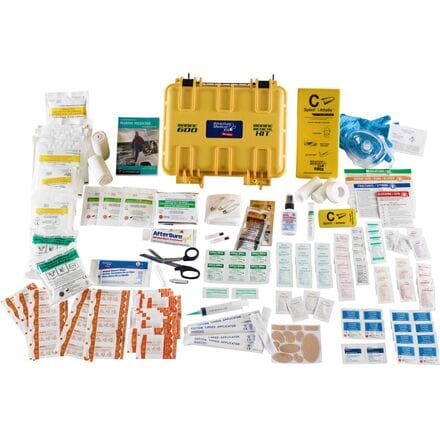
Adventure Medical Kits
Marine 600 Medical Kit
1 color
Discount Applies In Cart | Ends 11/16

Adventure Medical Kits
Marine 1500 Medical Kit
1 color
Discount Applies In Cart | Ends 11/16

Adventure Medical Kits
Expedition Medical Kit
1 color
Discount Applies In Cart | Ends 11/16

Adventure Medical Kits
Blister Medic Kit
1 color
Discount Applies In Cart | Ends 11/16
Related Categories
Frequently Asked Questions
Which AMK kit is best for climbing and multi-day backcountry trips?
Choose by group size and trip length: the Mountain Series Backpacker works well for solo or short overnights, the Explorer is sized for about four people up to a week, and the Guide provides a larger, more comprehensive set for extended or higher-risk outings. For professional guides or expedition-style travel, the Pro/Professional Guide or Expedition kits add more advanced supplies and carry features like padded waist belts.How does the Mountain Series Guide compare to the Pro/Professional Guide or Expedition kits?
The Mountain Series Guide offers hospital-quality supplies with AMK’s EZ Care organization for serious recreational backcountry use, while Pro/Professional Guide and Expedition kits are scaled up with additional trauma items, larger capacities, and carry features (padded waist belts and more rugged configurations) intended for guides and long expeditions. Choose the Mountain Guide for comprehensive recreational needs and a Pro kit when you need extra capacity, advanced tools, and longer-duration preparedness.What bleeding- and fracture-control items come in AMK climbing kits?
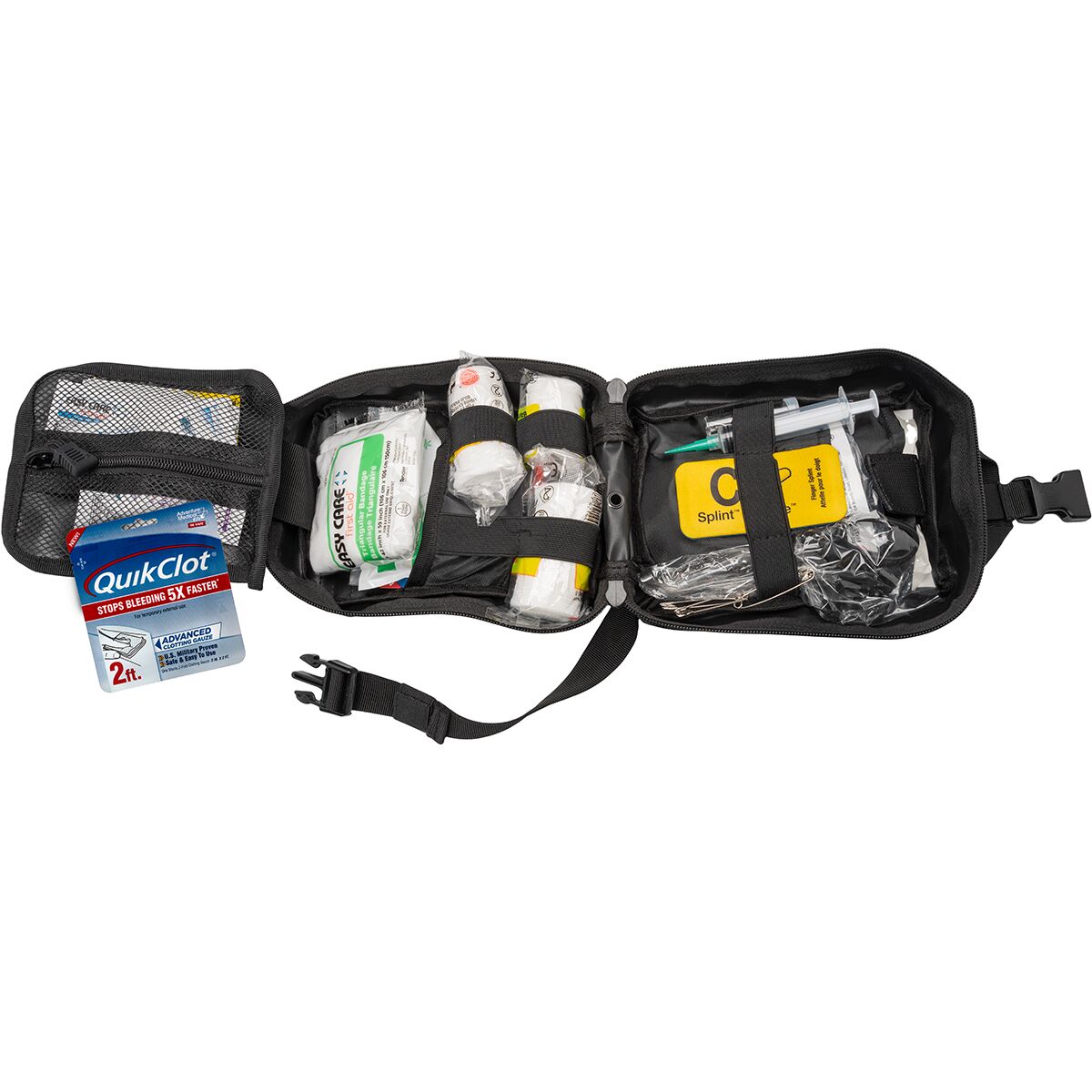
AMK kits include hospital-grade bleeding control like QuikClot hemostatic gauze (common sizes include 3"x24" or 3"x48") and tourniquets such as Trauma Pak III, alongside fracture-and-splinting gear like a flexible C‑Splint (36"x4") and triangular bandages. Kits also include EMT shears, irrigation syringes, and wound-closure strips to manage severe lacerations and stabilize injuries until evacuation.How is an AMK climbing first aid kit organized to speed care in an emergency?
Most AMK Mountain Series and Pro kits use the EZ Care/Find-it-Fast system with color-coded, injury-specific pockets, clear-view windows, and an exterior kit map so you can locate bleeding, splinting, or wound supplies quickly under stress. That organization reduces search time and helps even non-medical team members find the right item fast.What should climbers check or add before taking an AMK kit into the field?
Inspect expiration dates and replace time-sensitive items every 3–6 months, then tailor the kit for climbing-specific needs—consider extra QuikClot, a spare C‑Splint, dental repair items, blister care, and additional tape or cordage for improvised splints. Match the kit size to group size and trip duration (ultralight .7 ≈ 6.4 oz for solo day use vs. Explorer/Guide for groups), and run a quick inventory so you know where critical items are stored.