


Up To 20% Off Full-Price Items
Shop now
EXTRA 20% Off Clearance
Shop now | Ends 11/9
Get An EXTRA $50 Cash Back*
Summit+ exclusive
100% Training
5 results

100%
Korbin Sunglasses
5 colors
$179.00 - $209.00

100%
Slendale Sunglasses
1 color
$119.95
(2)

100%
Aerocraft Sunglasses
2 colors
$189.00 - $209.00

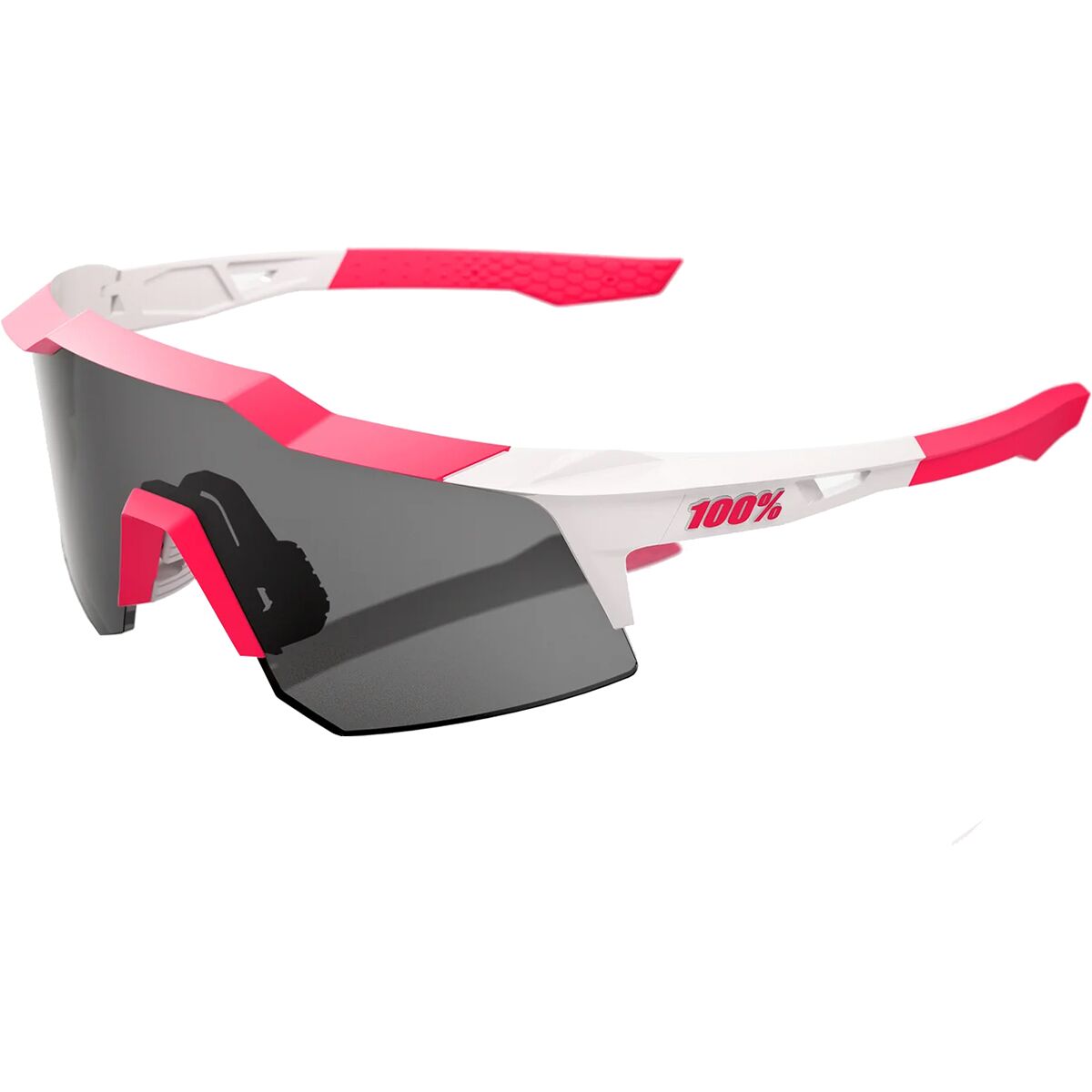
100%
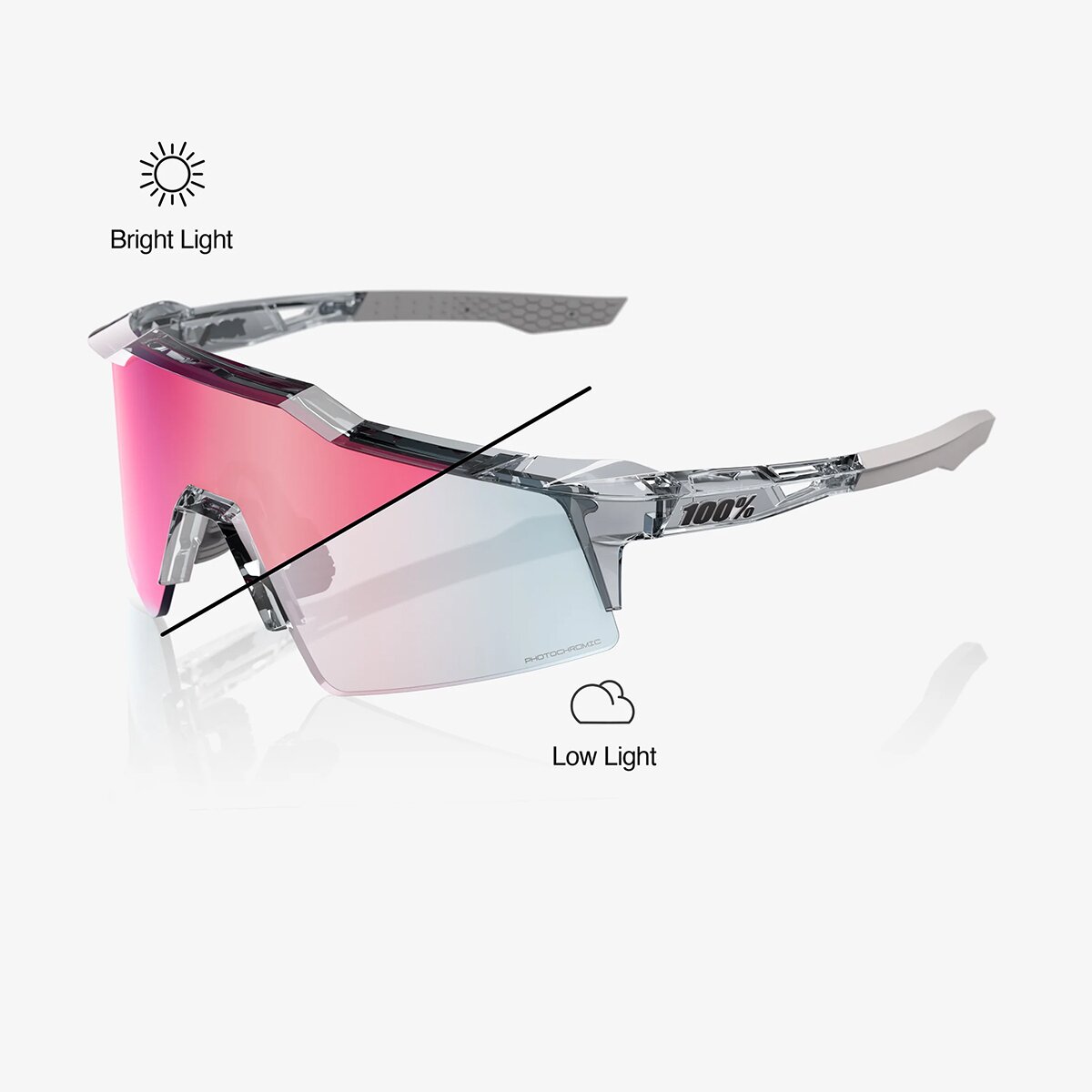
Speedcraft XS Sunglasses
5 colors
$83.30 - $179.95
Up to 30% off
Winter Sale
(1)

100%
Glendale Sunglasses
3 colors
$139.95 - $189.95
Related Categories

Frequently Asked Questions
How do I choose the right training equipment for my goals—strength, conditioning, or functional fitness?
Start with your primary goal: barbells, bumper plates, power racks, and flat-soled shoes are best for maximal strength and compound lifts; kettlebells, ViPR, and plyo boxes excel for functional, dynamic movement patterns; rowers, Assault Bikes, jump ropes, and sleds are ideal for conditioning. Factor in adjustability, footprint, and brand reputation (Rogue, Concept2, Escape Fitness) to match durability and programming needs.What construction features indicate a durable, long-lasting piece of training equipment?
Look for heavy-gauge steel frames with reinforced welds and powder-coat or zinc finishes, sealed bearings on moving parts, and high-denier fabrics or rubberized coatings on handles and mats. Also check for commercial-grade hardware and easily replaceable wear parts like straps and grips to extend service life.How do I choose training equipment that fits a small home gym or multiple users?
Prioritize compact and adjustable options—foldable racks, adjustable benches, modular rigs, and adjustable dumbbells such as Bowflex SelectTech—to maximize floor space and serve different strength levels. Confirm range of adjustments (seat heights, handle positions, weight increments) and look for integrated storage so multiple users can reconfigure equipment quickly.How does a TRX Suspension Trainer compare to ViPR and kettlebells for building functional strength?
TRX emphasizes bodyweight-driven stability, mobility, and core engagement with a minimal footprint, ViPR provides loaded rotational and carry-style movements for sport-specific power and movement variability, and kettlebells offer both ballistic conditioning and unilateral strength work. Choose TRX for scalable, joint-friendly training, ViPR for dynamic movement patterns and programming variety, and kettlebells for explosive strength-endurance and transfer to lifts.What safety features and maintenance should I check before buying strength and conditioning gear?
Verify clear weight-capacity labels, safety catches or spotter arms on racks, non-slip grips, and secure fasteners; for suspension systems inspect rated webbing and abrasion resistance. Maintain gear by routinely tightening bolts, lubricating pivot points, cleaning sweat-prone surfaces, and replacing worn straps or grips to reduce injury risk and prolong lifespan.