


Up To 20% Off Full-Price Items
Shop now
EXTRA 20% Off Clearance
Shop now | Ends 11/9
Get An EXTRA $50 Cash Back*
Summit+ exclusive
100% Ski
7 results

+7
100%
Snowcraft Goggle
11 colors
$126.00 - $180.00
Up to 30% off
Winter Sale


+3
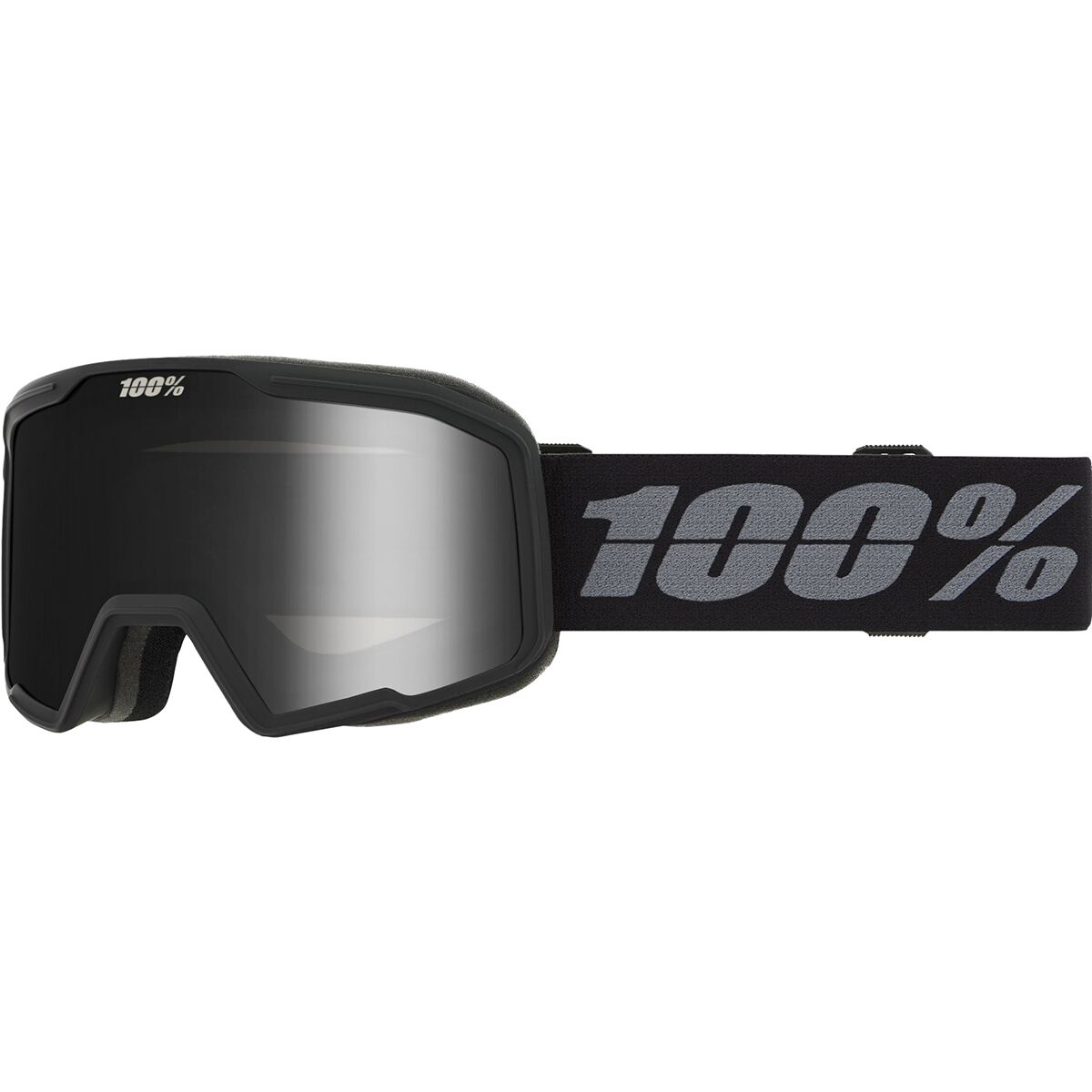
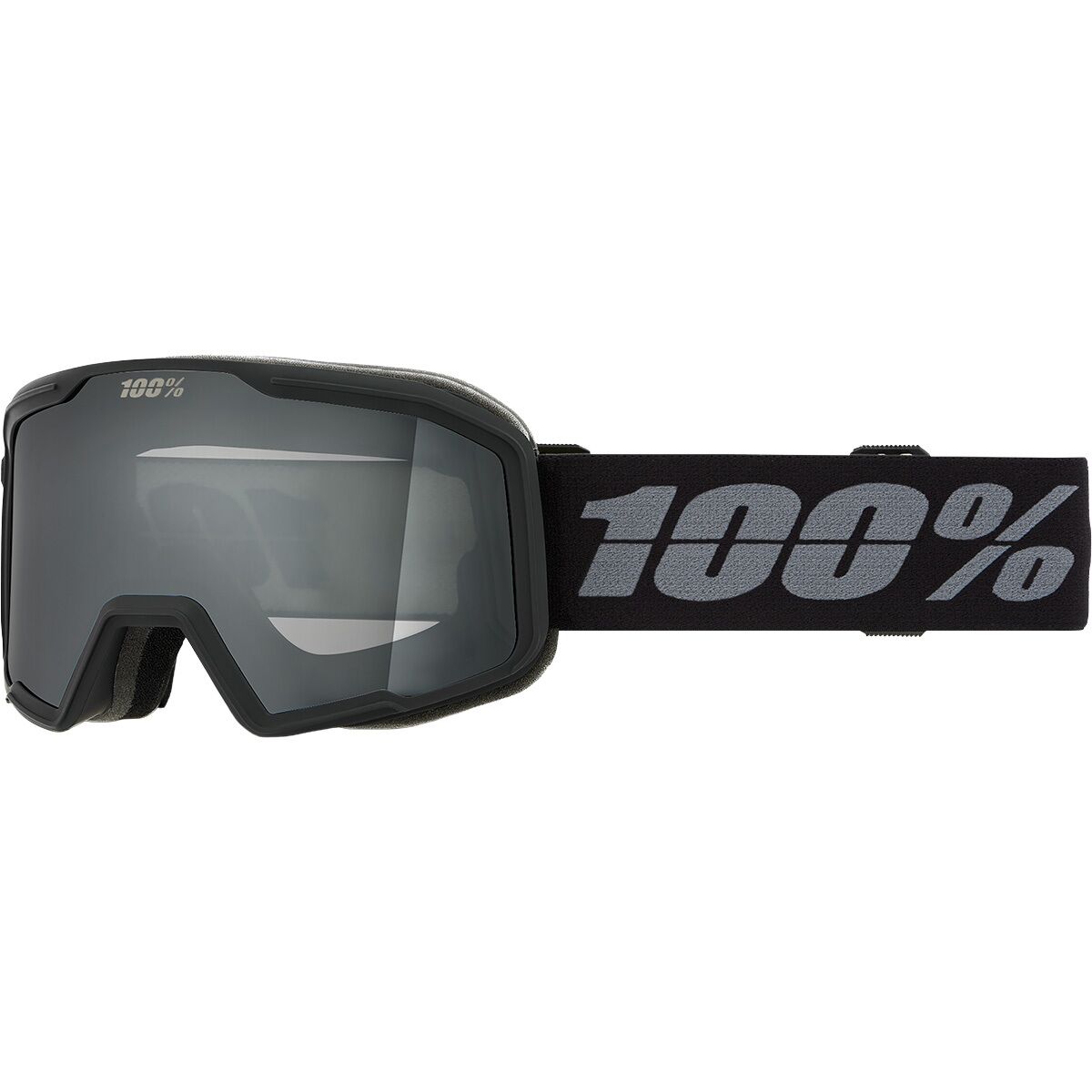
100%
Valnor Goggle
7 colors
$52.50 - $84.95
Up to 30% off
Winter Sale

+3
100%
Snowcraft XL Goggle
7 colors
$117.00 - $180.00
Up to 35% off
Winter Sale

100%
Snowcraft XL AF HiPER Goggle
2 colors
Current price: $117.00 Original price: $180.00
35% off
Winter Sale

+3
100%
Snowcraft S Goggle
7 colors
$117.00 - $180.00
Up to 35% off
Winter Sale
(1)

100%
Snowcraft S AF HiPER Goggle
1 color
Current price: $117.00 Original price: $180.00
35% off
Winter Sale

+5
100%
Norg HiPER Goggle
9 colors
$175.00 - $250.00
Up to 30% off
Winter Sale
(2)
Related Categories



Frequently Asked Questions
How do I choose the right ski waist width and type for my terrain and skill level?
Match waist width to terrain: <90 mm for groomers and beginners, 90–114 mm for all‑mountain versatility on mixed conditions, and 115+ mm for powder flotation. Pair type to ability—narrower, shorter skis aid control for beginners; intermediates benefit from 2–8 cm shorter than height for balance of stability and maneuverability; experts often ski at or slightly above height for speed and float. Consider intended terrain first (groomers vs deep snow vs park) and pick shape/profile accordingly.What’s the difference between rocker, camber, and hybrid profiles and when should I choose each?
Camber provides consistent edge contact and strong edge grip on hardpack, making it ideal for groomers and carving. Rocker—especially pronounced in models like the Atomic Bent Chetler 120—lifts the nose and tail for float in powder and playful surfy turns. Hybrid rocker/camber profiles used on many Salomon QST models combine float in soft snow with camber underfoot for edge hold, making them a good all‑mountain compromise.How does the Atomic Bent Chetler 120 compare to the Salomon QST X and the DPS Carbon Kaizen 112?
The Atomic Bent Chetler 120 is a powder‑first, wide‑waist ski with pronounced rocker designed for surfy, soft‑snow skiing, while Salomon QST X models are built as all‑mountain hybrids that balance float and on‑piste performance for a wider range of conditions. The DPS Carbon Kaizen 112 uses carbon construction to keep weight low while offering strong float and responsiveness in freeride terrain, making it a lighter, more damp option for charging compared with a playful Bent Chetler. Choose the Bent Chetler for surfy powder days, a QST X for one‑ski versatility, and the Carbon Kaizen for light‑weight power in varied soft snow.How should I pick ski length based on height, weight, and skill level?
Use height and ability as your baseline: beginners typically choose skis ~10–15 cm shorter than their height for easier control, intermediates ~2–8 cm shorter, and advanced skiers often opt for skis near their height or up to ~5 cm longer for stability at speed. Heavier or stronger skiers may go longer than those ranges for added flotation and stability, and wider skis (powder/all‑mountain) generally run longer to improve float. Always factor in intended terrain and personal strength when finalizing length.Which materials and construction should I look for—wood core, carbon, or Titanal—and how do they affect performance?
Wood cores with fiberglass offer lively, balanced feel suited to many all‑mountain skis; fiberglass tends to be playful and responsive. Carbon construction, as in DPS Carbon Kaizen models, reduces weight and increases energetic rebound for easy pivots and uphill efficiency, while Titanal or metal laminates add damping and high‑speed stability for heavy snow and chop. For park/freestyle look for lighter, twin‑tip constructions; for big‑mountain stability prioritize metal‑reinforced builds and appropriate bindings with correct DIN settings for safety and release.