


Up To 20% Off Full-Price Items
Shop now
EXTRA 20% Off Clearance
Shop now | Ends 11/9
Get An EXTRA $50 Cash Back*
Summit+ exclusive
Backcountry Bike
27 results


Backcountry
BGA Slickrock Pant - Men's
5 colors
Extra 20% Off Clearance | Ends 11/9
(33)

Backcountry
BGA Slickrock Pant - Women's
4 colors
Extra 20% Off Clearance | Ends 11/9
(26)


Backcountry
BGA Slickrock Long-Sleeve Button-Up Jersey - Men's
4 colors
Extra 20% Off Clearance | Ends 11/9
(14)

Backcountry
BGA Slickrock 9in Bike Short - Women's
4 colors
Extra 20% Off Clearance | Ends 11/9
(19)

Backcountry
BGA Slickrock Drirelease Long-Sleeve Tech T-Shirt - Men's
3 colors
Extra 20% Off Clearance | Ends 11/9
(4)

Backcountry
BGA Slickrock Drirelease Long-Sleeve Tech T-Shirt - Women's
2 colors
Extra 20% Off Clearance | Ends 11/9
(2)

Backcountry
BGA Slickrock 11in Bike Short - Men's
3 colors
Extra 20% Off Clearance | Ends 11/9
(22)

Backcountry
BGA Slickrock Drirelease Tech T-Shirt - Women's
2 colors
Extra 20% Off Clearance | Ends 11/9
(4)

Backcountry
BGA Slickrock 7in Bike Short - Women's
3 colors
Extra 20% Off Clearance | Ends 11/9
(10)

Backcountry
BGA Slickrock Short-Sleeve Button-Up Jersey - Men's
3 colors
Extra 20% Off Clearance | Ends 11/9
(13)

Backcountry
BGA Slickrock 3L Hip Pack
1 color
Extra 20% Off Clearance | Ends 11/9
(2)

Backcountry
BGA Empire Bike Short - Men's
2 colors
Discount Applies In Cart | Ends 11/16
(8)

Backcountry
BGA Empire Enduro Pant - Men's
1 color
Discount Applies In Cart | Ends 11/16
(4)

Backcountry
BGA Slickrock Short-Sleeve Button-Up Jersey - Women's
1 color
Extra 20% Off Clearance | Ends 11/9
(19)

Backcountry
BGA Bike Liner Bib Short - Men's
1 color
Discount Applies In Cart | Ends 11/16
(2)

Backcountry
BGA Slickrock Drirelease Tech T-Shirt - Men's
5 colors
Extra 20% Off Clearance | Ends 11/9
(10)

Backcountry
BGA Slickrock 9in Bike Short - Men's
2 colors
Extra 20% Off Clearance | Ends 11/9
(32)

Backcountry
BGA Bike Short - Women's
1 color
Discount Applies In Cart | Ends 11/16
(2)

Backcountry
BGA Empire Long-Sleeve Jersey - Women's
3 colors
Discount Applies In Cart | Ends 11/16
(2)

Backcountry
BGA Slickrock 9in Bike Short + MTB Liner - Women's
3 colors
Discount Applies In Cart | Ends 11/16

Backcountry
BGA Slickrock Lite Glove
2 colors
Extra 10% Off Clearance | Ends 11/09
(3)

Backcountry
BGA Empire Long-Sleeve Jersey - Men's
3 colors
Discount Applies In Cart | Ends 11/16
(4)

Backcountry
BGA Slickrock 7in Bike Short + MTB Liner - Women's
3 colors
Discount Applies In Cart | Ends 11/16

Backcountry
BGA Empire 11.5in Bike Short - Women's
3 colors
Discount Applies In Cart | Ends 11/16
(4)

Backcountry
BGA Slickrock Glove
2 colors
Extra 10% Off Clearance | Ends 11/09

Backcountry
BGA NBD 7in MTB Short - Women's
1 color
Winter Sale
(3)

Backcountry
BGA Bike Bib Short - Women's
1 color
Discount Applies In Cart | Ends 11/16
(3)
Related Categories
 Backcountry Bike Apparel & Accessories
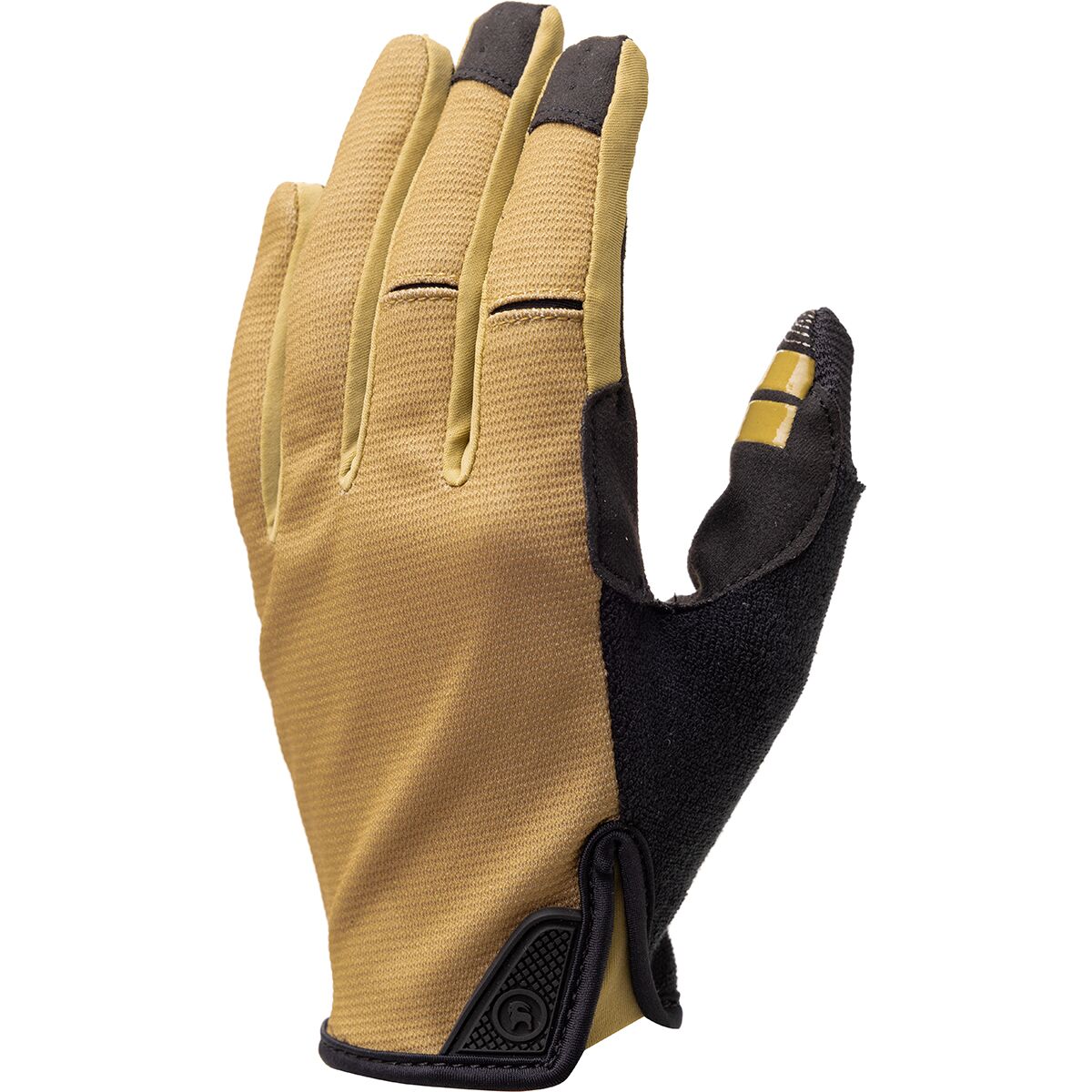 Backcountry Bike Gloves
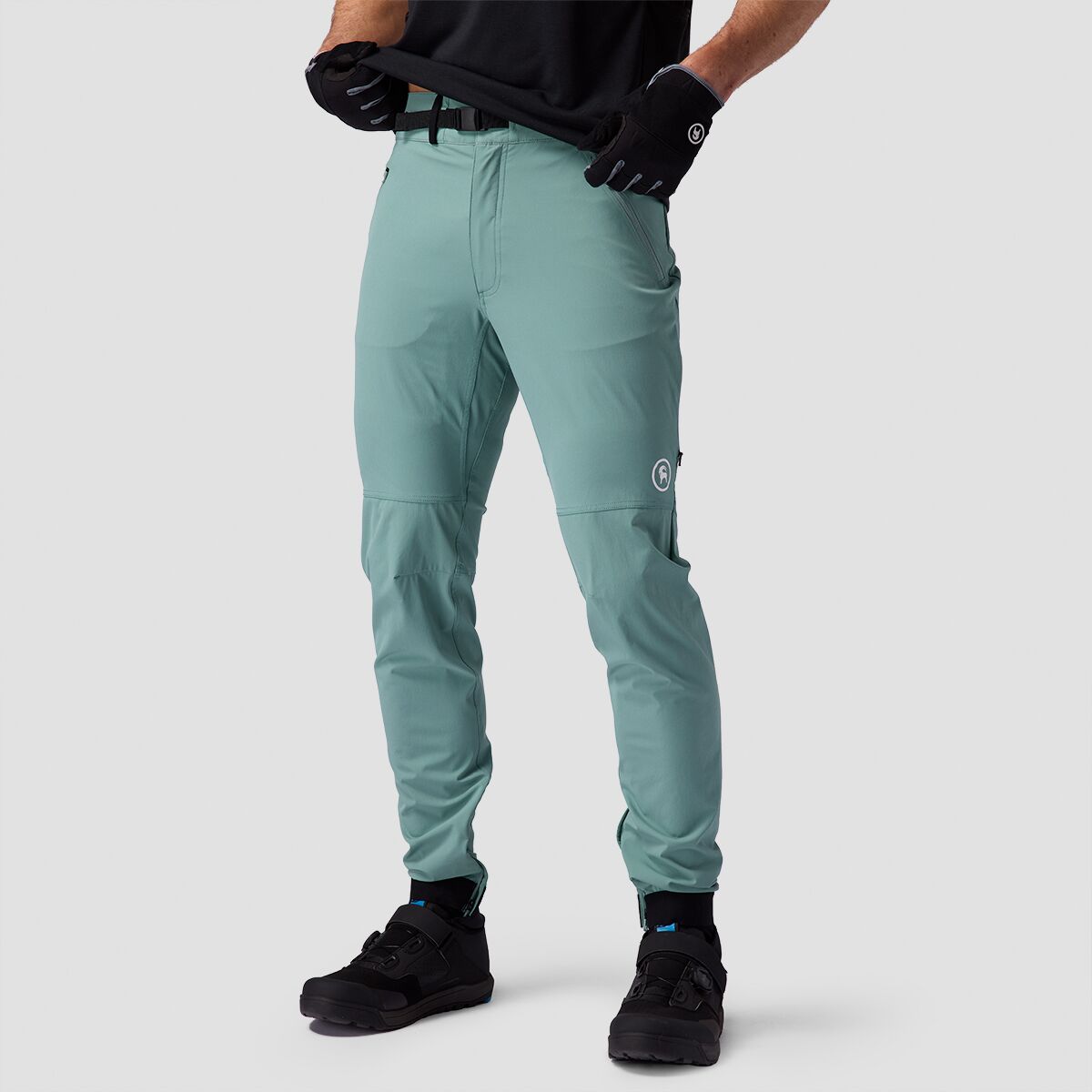 Backcountry Mens Bike Apparel
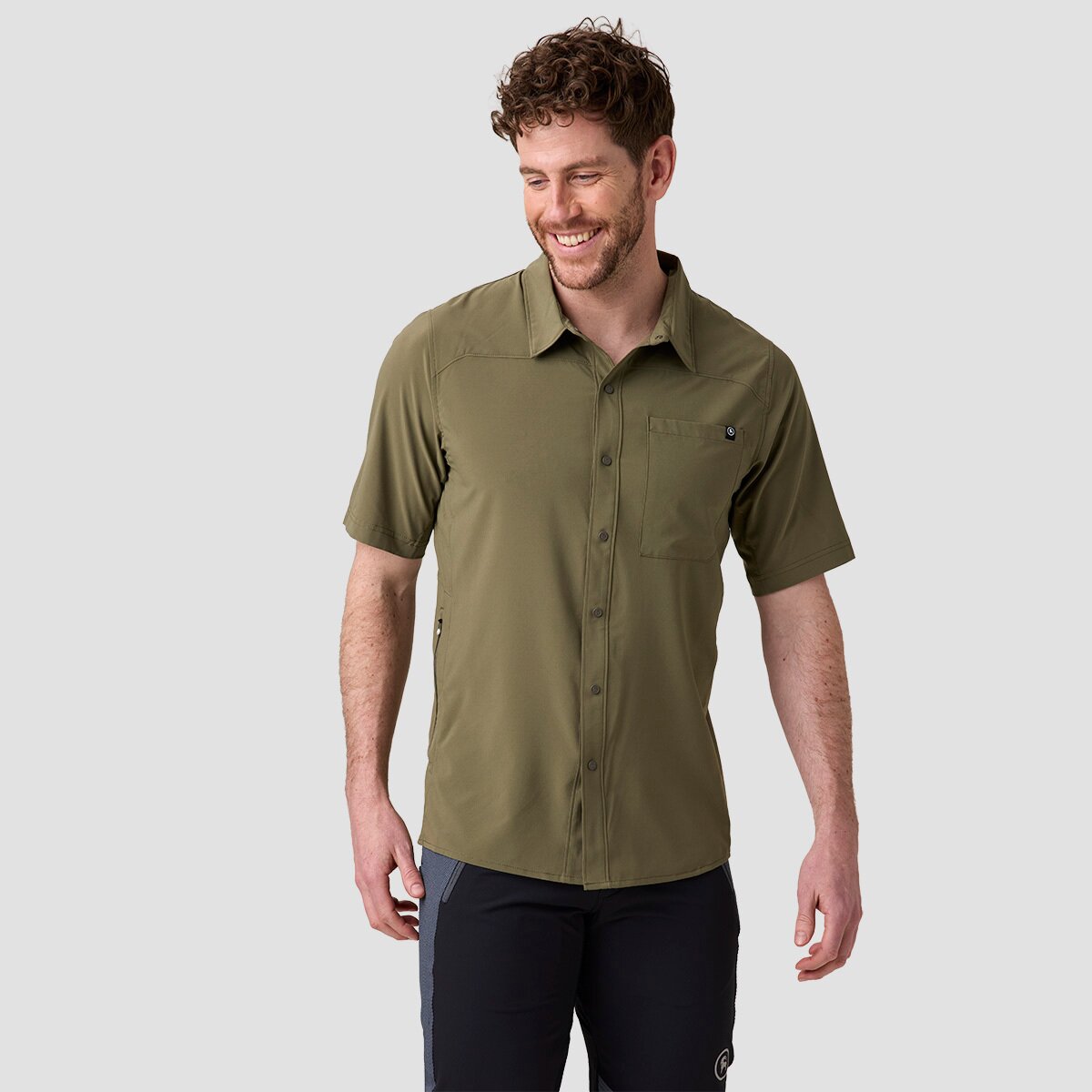 Backcountry Mens Bike Jerseys
 Backcountry Mens Bike Shorts Bibs
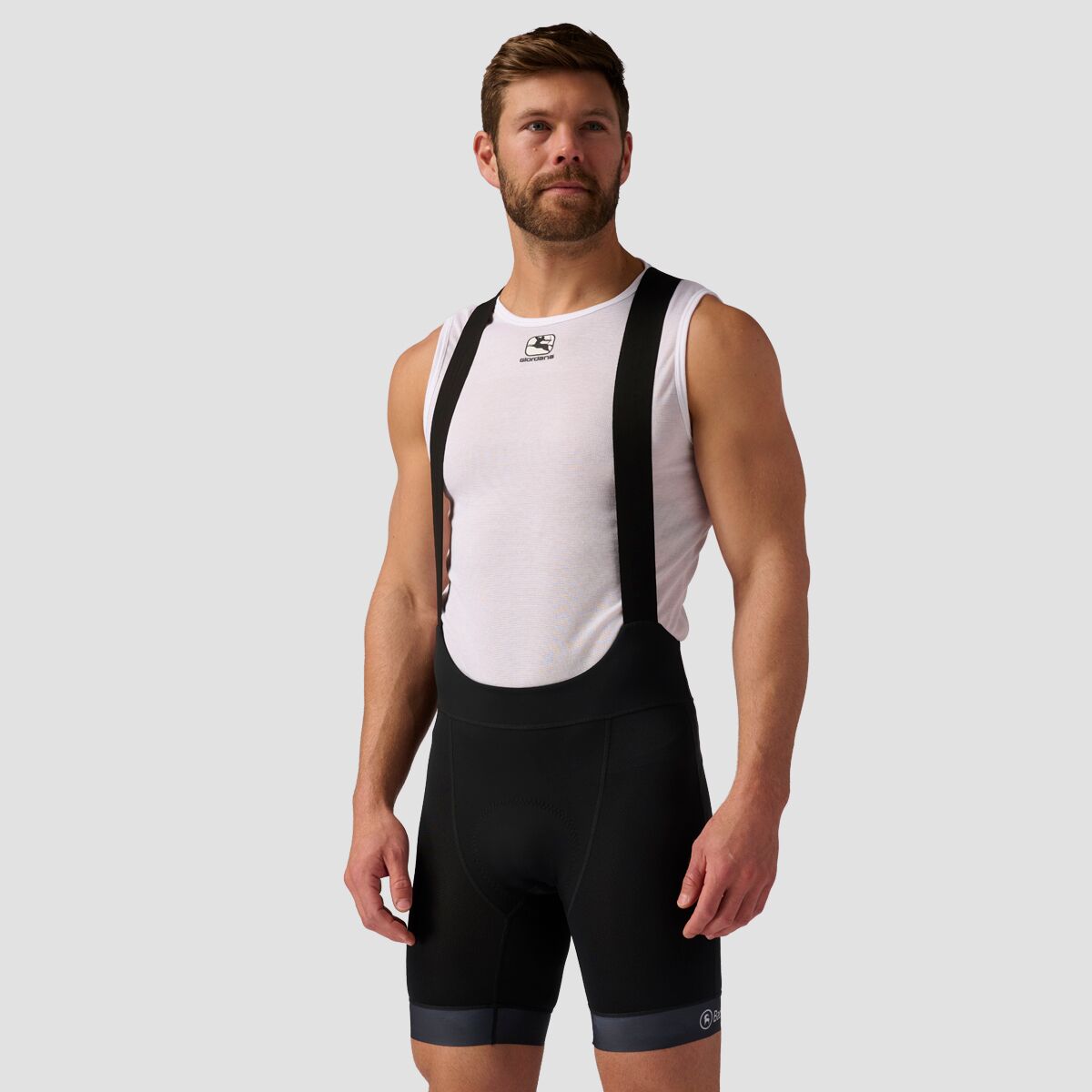 Backcountry Mens Bike Tights Bibs Knickers
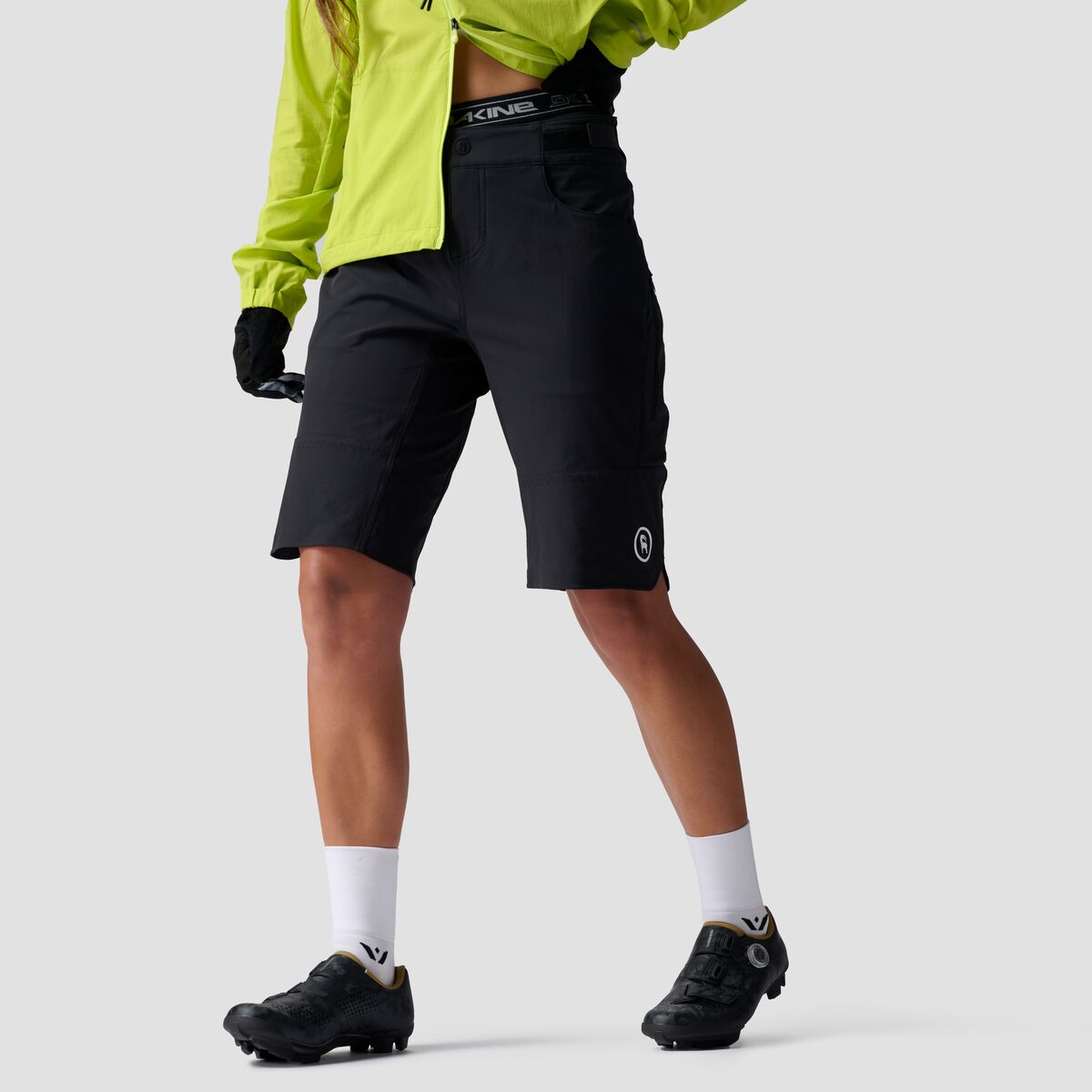 Backcountry Womens Bike Apparel
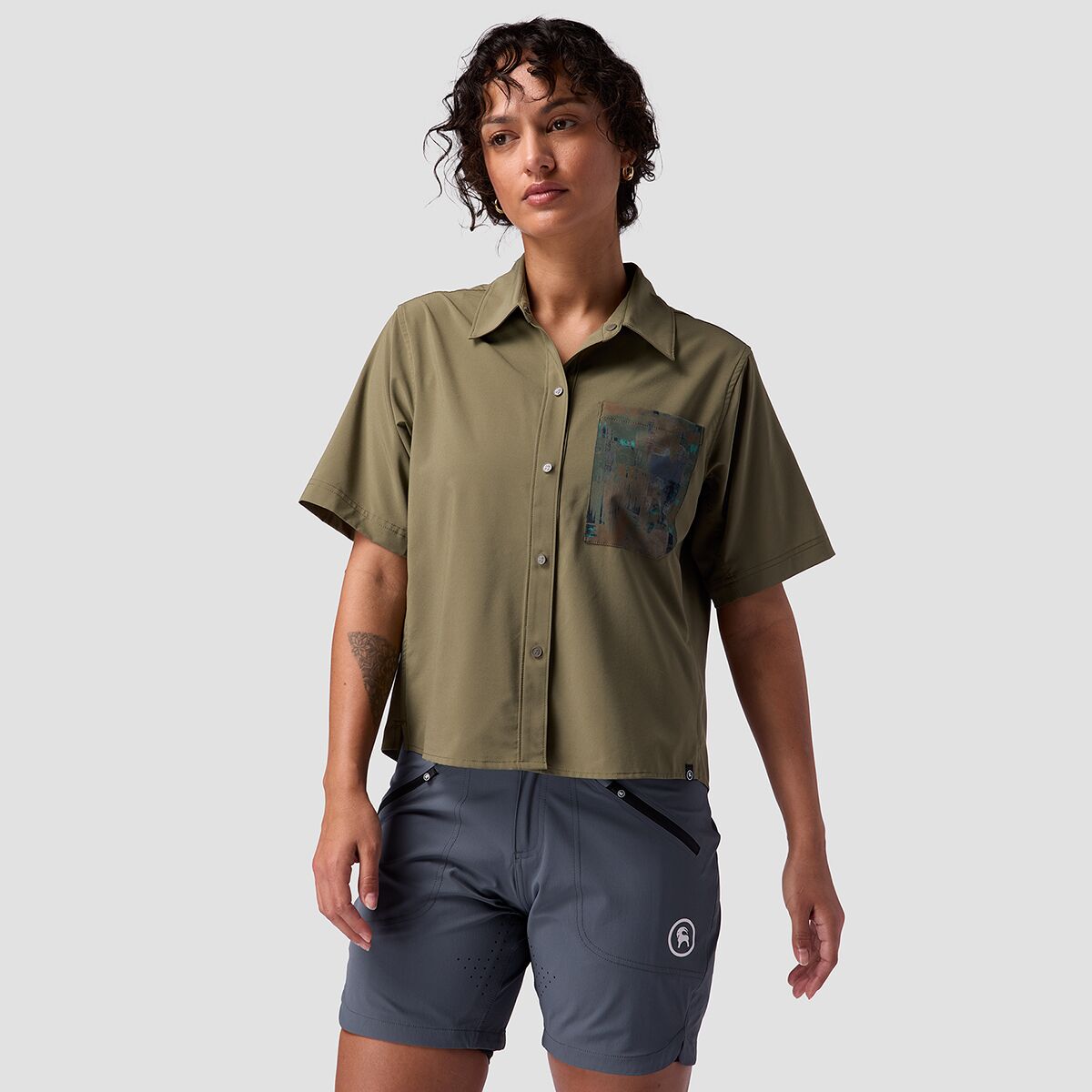 Backcountry Womens Bike Jerseys
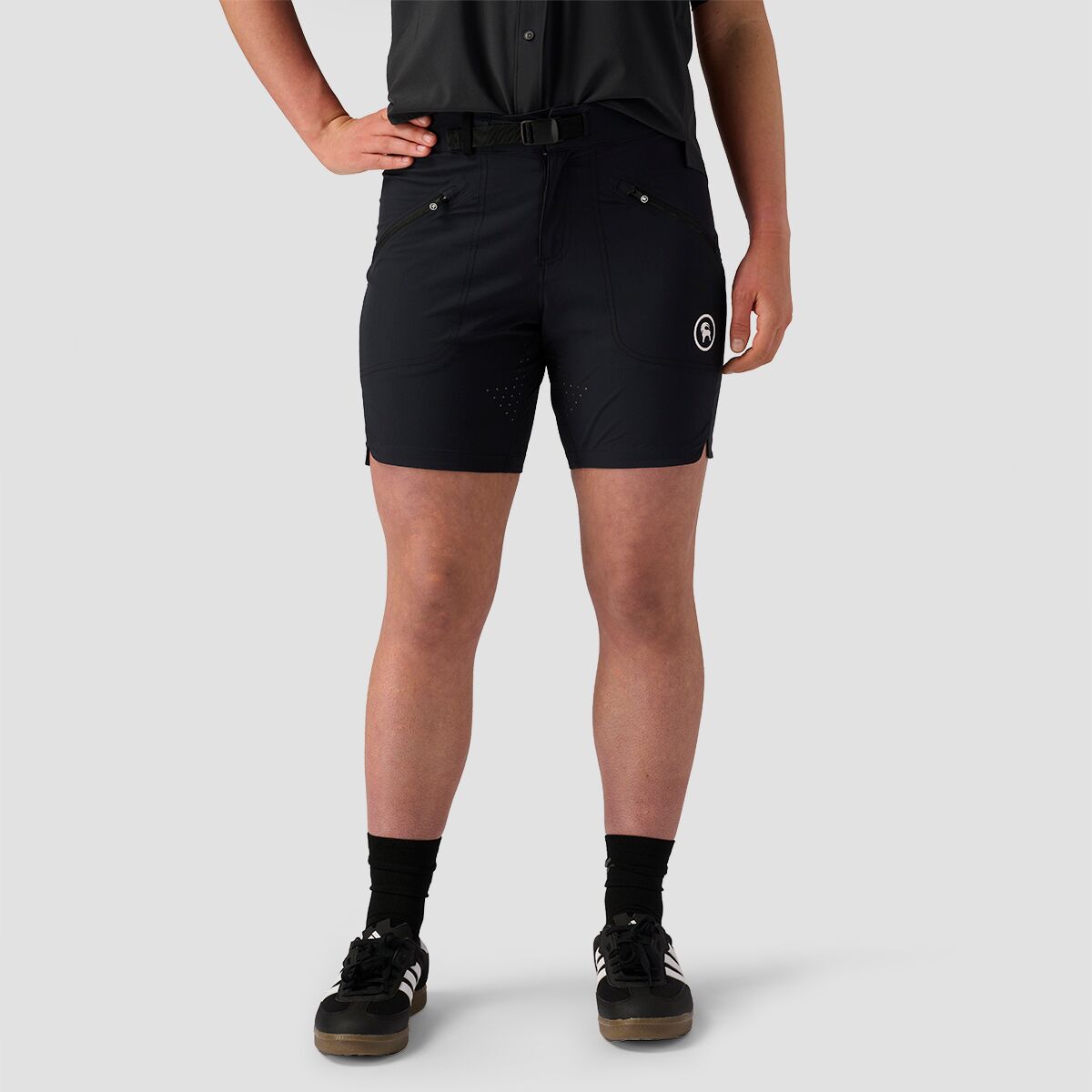 Backcountry Womens Bike Shorts Bibs
 Backcountry Womens Bike Tights Bibs Knickers
Frequently Asked Questions
What are the key differences between cross-country (XC) bikes and trail bikes?
XC bikes like the Specialized Epic prioritize light weight, efficient pedaling, and steep climbs with ~100–120mm of suspension travel and narrower tires, while trail bikes like the Trek Fuel EX trade some climbing efficiency for more suspension (typically 120–150mm), slacker geometry, and wider tires for technical descents. Trail bikes handle rougher terrain and bigger hits better; XC bikes are faster on fire roads and long climbs. Choose based on whether you value speed/efficiency or descending capability and confidence on technical trails.How do I choose the right suspension travel and fork for my riding style?
Match travel to the terrain: ~100–120mm for XC and marathon riding, 120–150mm for all-around trail use, and 150–170mm+ for enduro and aggressive downhill. Common fork choices include Fox 34 or RockShox Pike for mid-travel trail builds and Fox 36 or RockShox Lyrik for heavier enduro setups; frame kinematics (e.g., Specialized FSR, Santa Cruz VPP) also influence how much travel feels usable. Prioritize a chassis and damping tune that suit your weight and riding style, and consider a progressive spring curve or air spring for longevity on rough terrain.What drivetrain and brake components are best for different rider levels?
For most riders, a 12-speed SRAM Eagle or Shimano 12-speed drivetrain (e.g., XT/SLX) offers a wide gear range with simpler setup, while racers may prefer lighter XX1 or XTR options. Pair with hydraulic disc brakes—Shimano Deore/XT or SRAM Guide/Code depending on stopping-power needs—and size rotors (160–203mm) to match heat load and descending intensity. Choose components that balance durability, serviceability, and weight for your intended terrain and maintenance comfort.How does a hardtail (for example, the Specialized Epic Hardtail) compare to a full-suspension Specialized Epic for mixed trails?
A hardtail Epic Hardtail is lighter, simpler, and more efficient on smooth climbs and flowy singletrack, making it a great choice for XC-focused riders and fireroad days. The full-suspension Epic provides more traction, control, and comfort on rough or technical descents thanks to rear travel and advanced shock tuning, at the cost of a bit more weight. Pick a hardtail if you prioritize simplicity and pedaling efficiency; choose full suspension if you ride varied, technical terrain and want more composure downhill.How should I size a mountain bike and what do reach and stack mean for fit?
Start with the manufacturer size chart and your inseam, but prioritize reach (horizontal distance to the bars) for cockpit fit and stack (vertical height of the headtube) for upright vs. aggressive positioning; longer reach and lower stack suit aggressive, downhill-oriented riders while shorter reach and higher stack favor upright comfort. Confirm standover clearance, test-ride multiple sizes if possible, and use adjustable stems, saddle position, and a dropper post to fine-tune fit for your riding style.